Xishuangbanna: Fleeing Winter's Chill for a Spring Sun
Xishuangbanna: Fleeing Winter's Chill for a Spring Sun
Looking back, that early 2023 trip still feels like a dream. We had just survived a long stretch of isolation—online classes lasting from November straight through winter break. Teacher Zhao and I barely left the house. On the rare occasions we went downstairs to take out the trash, the streets were completely empty, with only a few lit windows scattered here and there. Zhao later told me that was the first time he'd walked outside and clearly heard his own heartbeat.
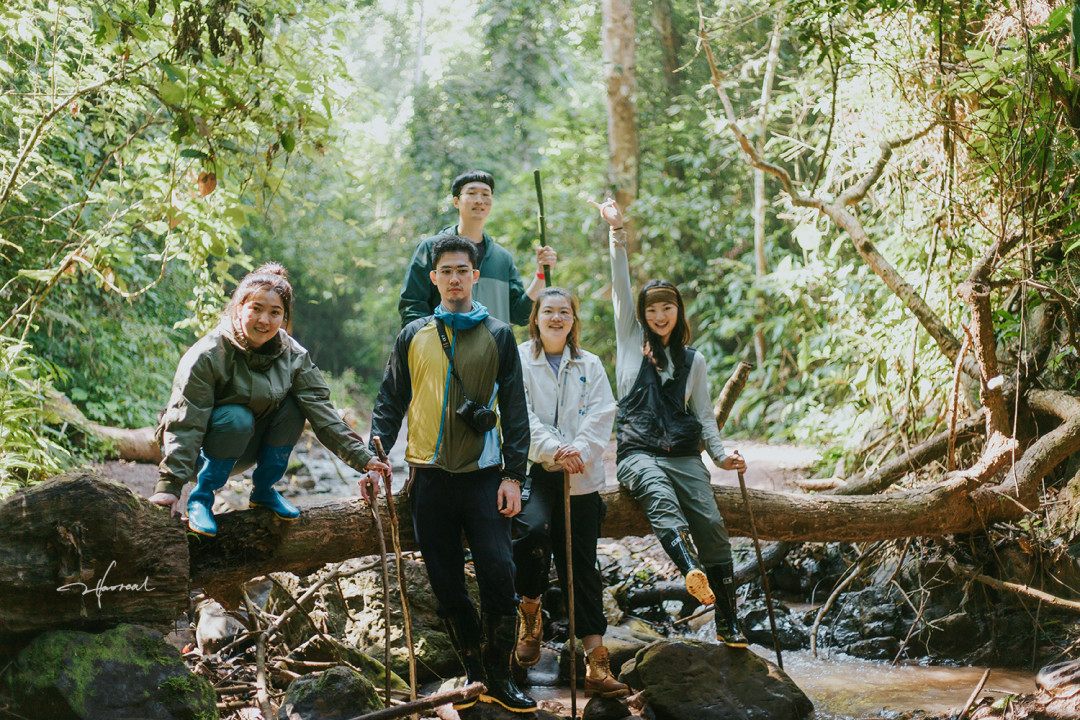
That winter, too many people didn't make it. We didn't want to stay trapped within four walls any longer. We craved a warm place where we could smell flowers and soak up the sun. After a quick discussion in our group chat, a makeshift team formed: me, Teacher Zhao, Huang, Daqian, and Jiajia. We split into three groups and converged on Xishuangbanna from Hainan, Weihai, and Beijing.
First Stop Kunming: A Terrifying Layover
Hainan and Yunnan are close, and the plane tickets were cheap, but there were no direct flights—we needed an overnight layover in Kunming. The airline provided a hotel. The moment we walked in, we saw two women frantically grabbing their luggage and bolting out the door. When we asked what was wrong, they told us the hotel had housed two groups of COVID-positive travelers from Laos, and all the staff had been infected. Without a second thought, we grabbed our bags and ran out.

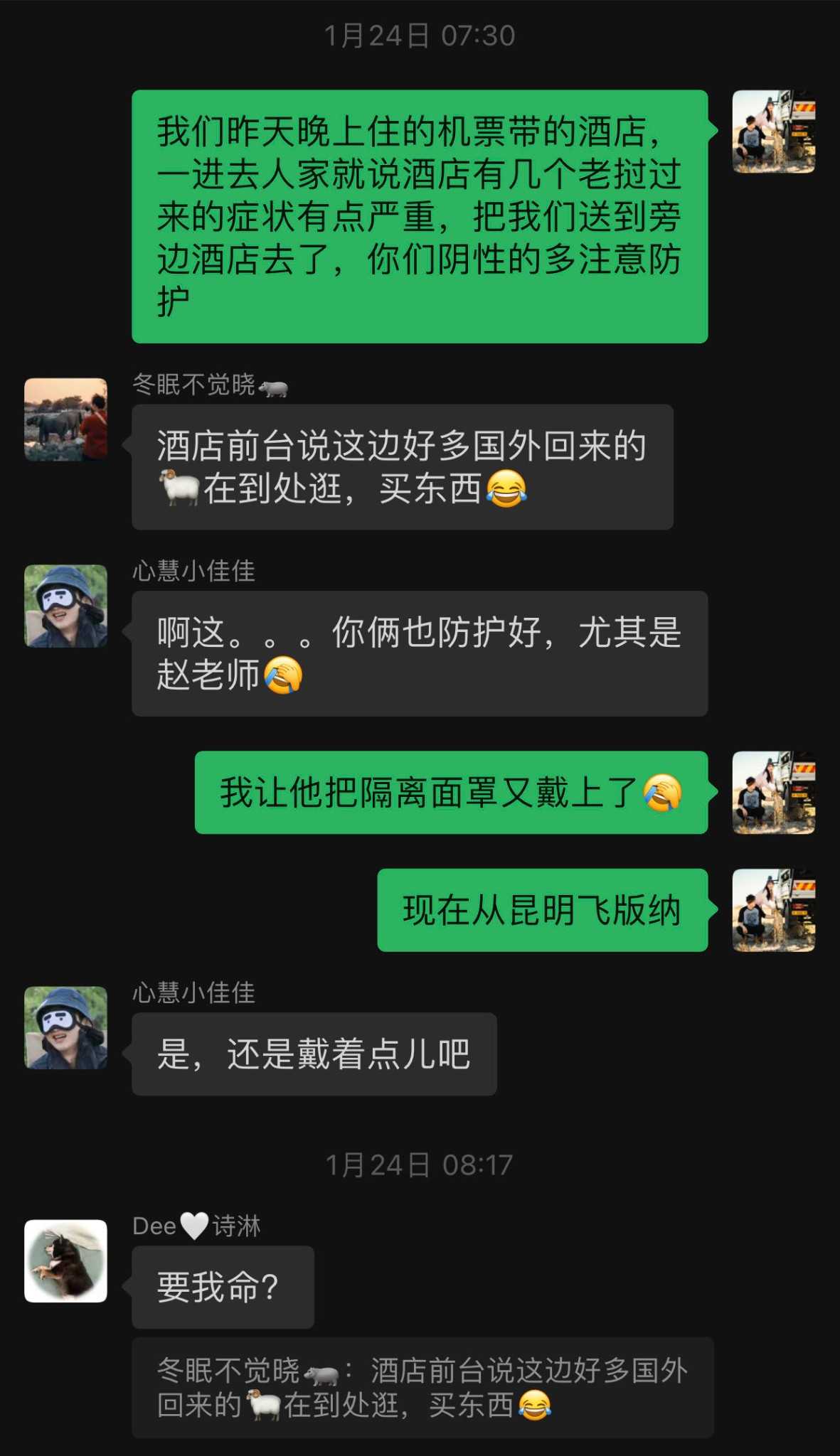
Kunming is a hub for trade between Southeast Asia and China, and our destinations—Xishuangbanna and Pu'er—border Myanmar, Vietnam, and Laos directly. The front desk clerk repeatedly warned us to take precautions, saying many infected travelers walked around without masks while shopping for jade or eating downstairs. I relayed this to the group chat. Huang's response, even through the screen, was a panicked "Help."
Mandiu Village: A Return to the Matriarchal Past
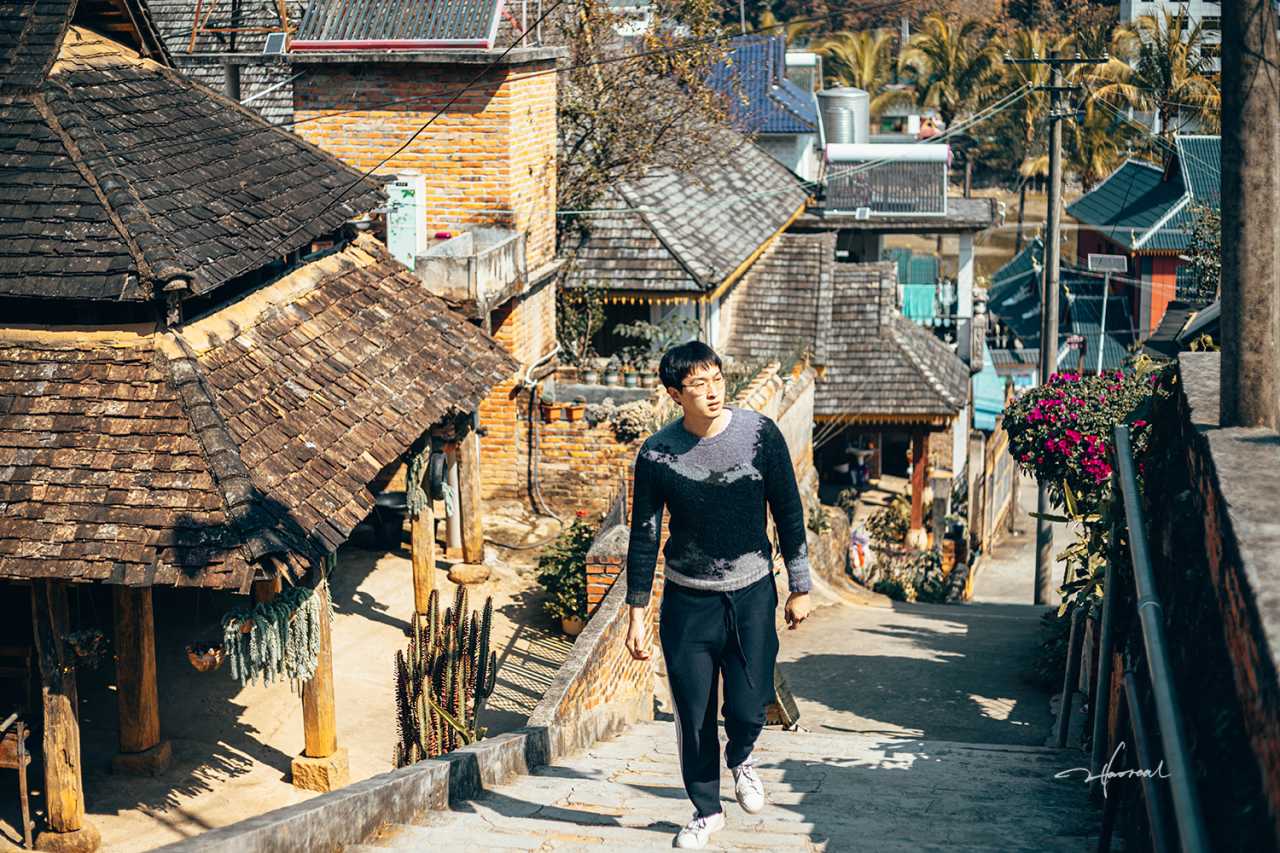
Teacher Zhao and I arrived in Xishuangbanna first. Our hired driver took us to nearby Mandiu Village. Xishuangbanna has many place names starting with "Man"—Mandiu, Manyuan, Mahena. In the Dai language, "Man" means "village." Meanwhile, "Meng" in names like Menghai, Mengla, and Menglun refers to larger areas. "Xishuangbanna" itself is a Dai phrase meaning "twelve thousand rice fields"—historically, it referred to twelve administrative units. Today, you can think of it as the collective name for all those "Meng" areas.
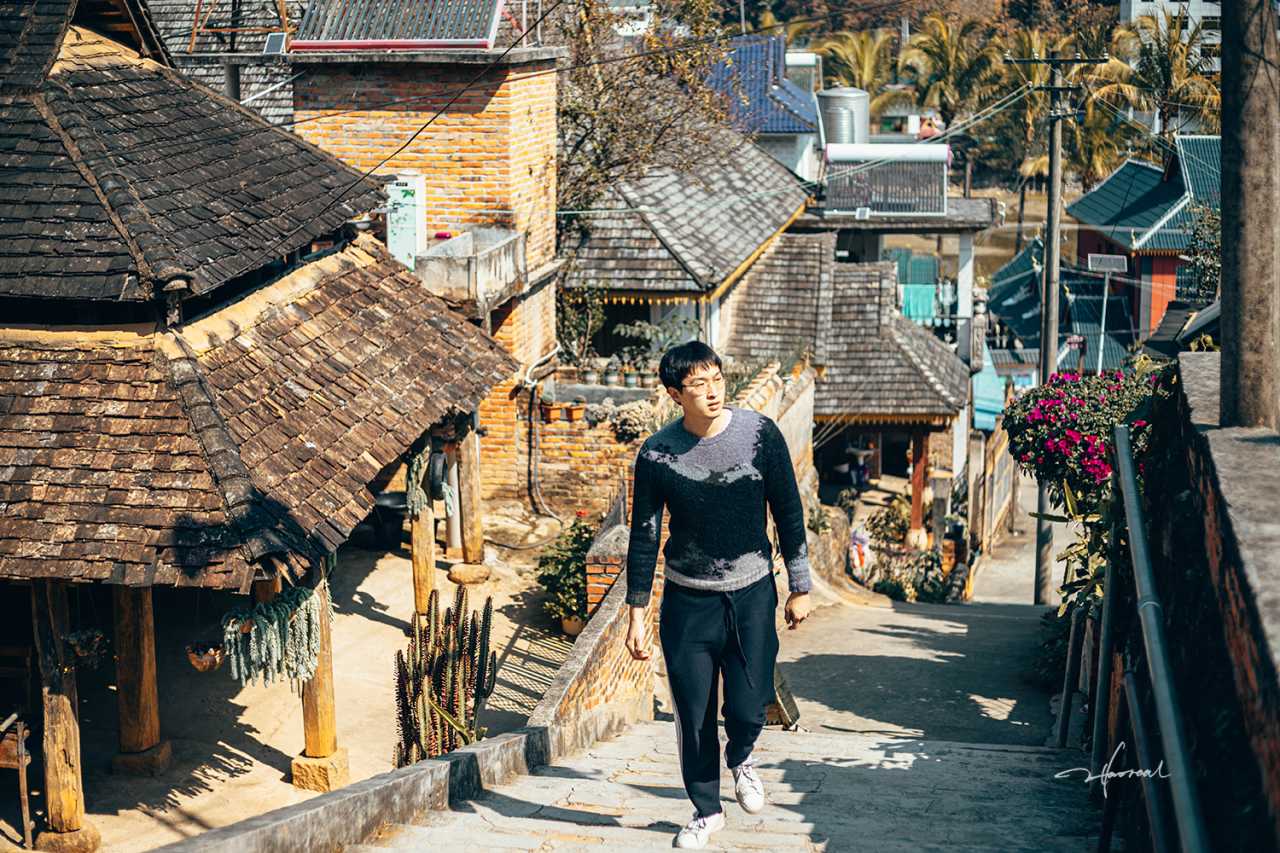
Mandiu is a relatively lesser-known, well-preserved thousand-year-old village. It was once a settlement where blacksmiths crafted weapons for the Dai king. After the founding of the People's Republic, the villagers made a living tapping rubber trees. In recent years, tourism has grown, and many young people have returned to start businesses. The village even offers free guided tours—for every guest a guide leads, they earn one yuan.
Our guide was named Xiao Yu. Actually, every girl in the village is named Xiao Yu. Historically, the Dai people didn't use surnames. Men are called "Ai ××" and women "Yu ××." Names are often similar, too—some are based on birth order, some on auspicious flowers or animals, and some are simply inherited from the mother. Names even change after marriage. If you stood at the village entrance and shouted, people would answer from all directions.
The Dai people follow Theravada Buddhism. Boys must become monks at age seven. Besides chanting scriptures, the most important reason is to learn the Dai script—a writing system passed down only to men, requiring at least ten years of study. While it's no longer mandatory, every man in Mandiu Village without exception treats the temple as their first school. "If you don't become a monk, you won't find a wife"—this isn't just a joke here.
At the heart of the village, atop the highest point, sits a small, exquisite old temple. Its murals have a unique style, depicting stories of the Buddha's past lives. The brushstrokes are playful and charming, the colors bold—they'll make you smile. The Dai way of worship is gentle and down-to-earth: no incense burning. They simply press their palms together and touch them to their forehead, lips, and chest, symbolizing the cleansing of improper words and actions.
Behind the temple lies a large rubber forest, with fish ponds at the foot of the hill. The village's income and assets are divided equally among households. Every family owns 600 rubber trees and a fish pond. With almost no wealth gap, life is warm and comfortable. Women go out to tap rubber; men stay home to take care of the kids and housework. When they need extra pocket money, they set up a stall at the village market to sell fruit and silverware. The Dai are a classic matriarchal society—women work outside, men manage the home. When a young couple gets engaged, the man moves into the woman's house, sleeps on the floor, and does three years of hard labor while handcrafting silver jewelry as a dowry for his fiancée. After the wedding, the man never has to work outside again. His main job is to relax and, occasionally, join cockfights in the village.
Xiao Yu showed us her home—a dark, drafty wooden stilt house. Two stories: the first floor for the kitchen and raising chickens and geese, the second for the living room and bedrooms. It was shabby but spacious. She said this was the most typical Dai dwelling. Some villagers had three-generation brick houses, but the village committee required them to keep the original structure—no renovations allowed. Otherwise, they would have rebuilt into something brighter and more comfortable.
No photos are allowed inside Dai homes, and the bedrooms are off-limits to visitors. According to Xiao Yu, the whole family sleeps together in one room. The bedroom has three large platform beds: the elders on the right with black mosquito nets, married couples in the middle with pink nets, and single people and children on the left with white nets—perfect for dating. It's hard to imagine newlyweds sharing a room with the entire family, but in Mandiu, if a young couple wanted to move out on their own, the whole village would mock them for having an unhappy family.
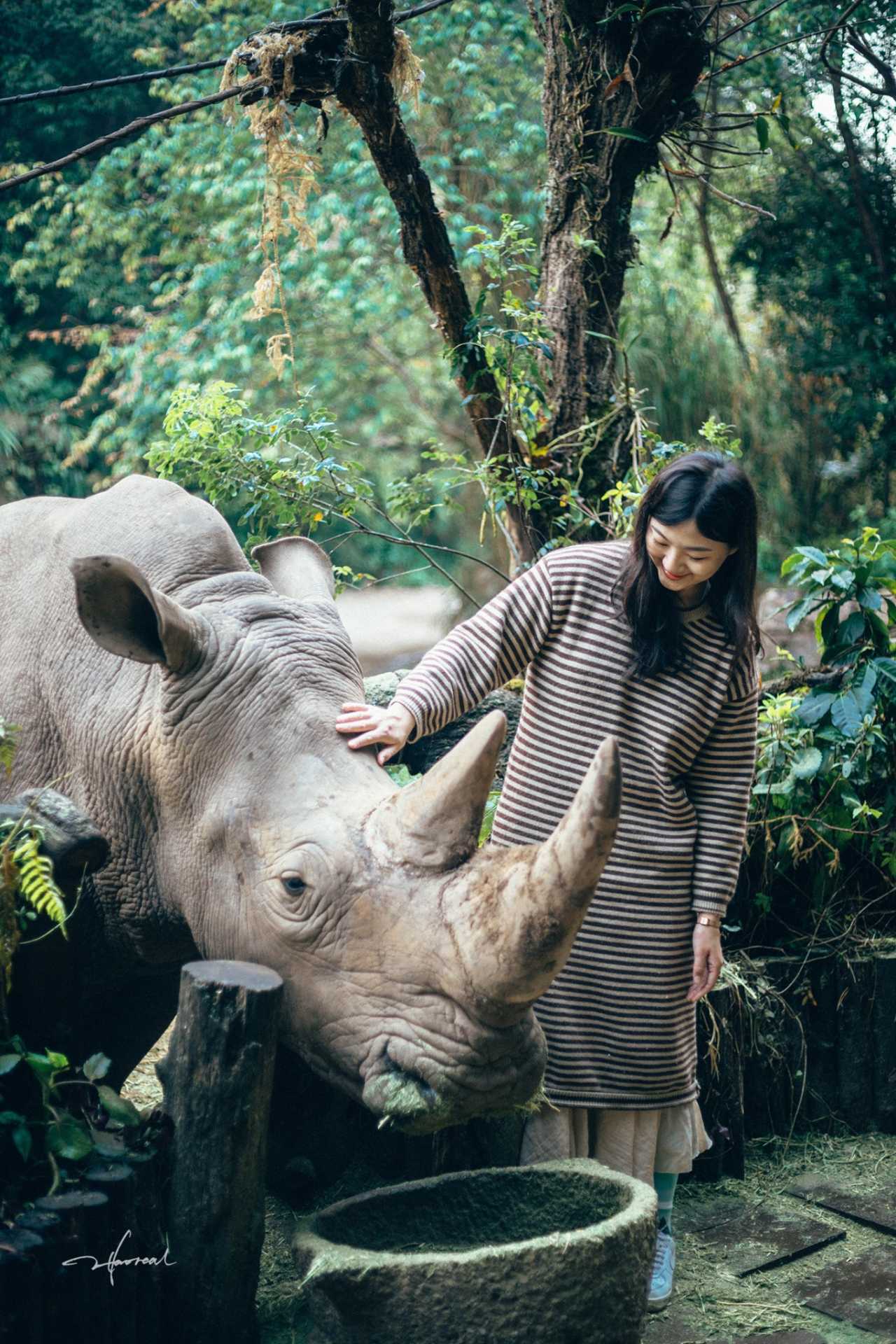
Xiao Yu made us tea and started telling us fascinating stories about their lives. Because the customs were so different, we listened with rapt attention. For example, since women are dominant, her son was jokingly called a "loss-making commodity"—seven years as a monk, ten years of study, then three years of hard labor at his future wife's house, plus an expensive dowry. But I had my doubts about the "women are strong, men are weak" narrative. Men hold the most important Dai script and knowledge—they're the core of cultural传承. Isn't it a waste for them to just stay home and raise kids?
She also told us about her grandfather's medical practice, and how her husband's silver belt could dispel dampness and strengthen the body. Xiao Yu's voice was soft, and she was beautiful. She taught us like a true friend how to tell if bananas had been sprayed with chemicals or if wood ear mushrooms had been soaked in sulfur. She proudly claimed to have memorized her grandfather's prescriptions: "Do you want to know how to cure constipation?" She turned to check on the tourists behind her. "Just soak a silver bowl in water! Add a pinch of salt and drink it—you'll be on the toilet in less than five minutes!" Teacher Zhao and I exchanged glances and silently agreed to go downstairs and "treat our constipation," never to return.
I don't believe in silver bowls curing constipation or belts healing the body, but I wasn't offended. A free tour with a little sales pitch is fair enough. Down at the Dai morning market, you can buy fruit, dried fruit, "constipation fruit," or grab some Dai-style barbecue—all delicious and cheap. I bought a huge bag of mini pineapples in Mandiu for just 30 yuan. They were so sweet I suspected they'd been soaked in honey. But I wouldn't recommend the Dai silver. They say, "Even items marked '999' contain impurities—it's industrial silver. Our 100% pure silver is edible, and we don't stamp it."
While waiting for the others to arrive, we wandered through the village. The southern climate is a gift. Succulents growing wild by the roadside were plumper and more vibrant than the ones we carefully tend back north. Every home had a small yard, and occasionally a starfruit or an unripe jackfruit would peek over the wall. At the village center was an ancient well, its water flowing year-round, crystal clear. After running water was installed, the well was preserved, enclosed by a white wall with a silver roof and brightly painted murals. It lifted our spirits just looking at it.
At noon, we found a farmhouse restaurant and ordered free-range chicken. From that first meal on, our eating in Yunnan was nothing short of a feeding frenzy. Braised free-range chicken, sour soup fish with a passion fruit base, crispy fried pork skin with a mysterious dipping sauce, a "throat-soothing" cold salad of houttuynia cordata and banana flowers, and various wild vegetables I couldn't name. Just as Huang joined us, she pulled me aside and complained, "My tooth was killing me on the plane. I almost died. I'm going on a diet this trip—no eating." But when the food arrived, it was as if she'd completely forgotten what she said thirty minutes earlier. She popped a painkiller and, with cries of "Delicious! Awesome! So good!" gave it 120% effort. Of course, we all did the same.
Dianhong Grass: Dancing on Level Ground
The drive to Mangang Village was endless fields, winding roads, and remote hamlets. The further we went, the closer we got to Myanmar. As luck would have it, everyone in the car was a die-hard fan of crime suspense dramas. Every time we passed a village, the car erupted with jokes about "Tazhai Fengyun" or "Black and White Justice." Huang stared out the window with a dreamy look: "Aww! Home sweet home!"
Compared to the villages we passed, Mangang was even more isolated. It was cut off from the world—for 40 kilometers of winding mountain roads, we saw no other villages, not even other cars. To the left of the mountain, layer upon layer of tea terraces stretched out, dotted with the first winter cherry blossoms, adding a touch of elegance to the green landscape. A little girl snapped off a cherry blossom branch and jumped and screamed with excitement when she saw our car.
The village was almost deserted. Not a single tourist in sight, and barely any locals. We followed the GPS to the end of the road and found ourselves facing a dense forest. We video-called the host, a man named Shuo San, to ask for directions. Our driver, Master Wu, held up my phone and panned 360 degrees. Shuo San looked confused: "This isn't our village?" That scared us. We frantically confirmed we were looking for "Mangang," but Shuo San insisted, "Our village doesn't have a road like this."
We drove back into the village and found an elderly woman. She didn't understand Mandarin, but thankfully recognized the confused face on the screen and pointed us in the right direction. After another 20 or 30 meters, we saw a young man sunbathing. He accurately gave us Shuo San's name and described the distinctive items in front of his house. Only then did we relax—even though Shuo San was still insisting we were in the wrong place.
Jiajia looked at the video call I'd just ended: "That B&B owner looks pretty wild, huh..."
Teacher Zhao couldn't help but complain: "It feels like everyone in the village knows him, but he doesn't know his own way home."
Daqian pulled up the map and asked me, "Where did you find this place? I can't even search for it."
Master Wu gripped the steering wheel, stunned: "He actually took the booking, and you guys actually came!"
Huang summed it up: "Master, to be honest, we're all from northern Myanmar. We're here to harvest your organs!"
After a mix of laughter and frustration, Shuo San came out to greet us. He wore a headwrap, had thick eyebrows and big eyes, with naturally curly hair and beard peeking out. His simple ethnic clothing exuded an artist's vibe. Shuo San is a Hani painter, belonging to the Akha subgroup of the Hani people, and specializes in line-drawing steel pen illustrations of his ethnicity. Passionate about promoting his culture, he retired and built this "Hani Traditional Culture Experience Museum" in the village, naming it "Dianhong Grass."
Pushing open the gate felt like stumbling into a hidden paradise. The desolate Mangang Village suddenly revealed a warm, rustic beauty. The wooden houses had been carefully renovated from the original Akha dwellings. Their newlyweds had it much better than the Dai—not only did they not have to share a bedroom with the whole family, but men and women had separate staircases and different beds. We outsiders laughed it off, and Shuo San didn't force us to "do as the Romans do." He just enthusiastically introduced the place. Generously, he gave us two wooden houses with four large beds and private balconies for tea. The mattresses had electric blankets, and once we lay down, we didn't want to get up. The shower was a primitive, "semi-open-air" setup. If you turned your head while on the toilet, you'd lock eyes with a white goose through a crack in the wall. The shower relied on solar power, and in winter, the water was mostly cold mountain spring water. Only Teacher Zhao, cleverly sneaking in a shower before dinner, managed to wash properly. The rest of us just boiled some water, wiped down, and went to sleep. It was an experience in itself.
What captivated me most were the corners of the yard, each reflecting the owner's creativity and love for life. Vegetable gardens lined the paths, providing daily produce. When Huang's toothache prompted a search for a ginger remedy, Shuo San simply went to the garden, broke off a whole piece of ginger for her, still covered in mud. The open kitchen had a large rooftop terrace, with a bayberry tree covered in orchids bursting through the roof. We chopped wood, lit a fire, and brewed ourselves some raw Pu'er tea or oat milk. It was pure freedom.
Tea settings were everywhere—outdoors and indoors. Beside the tea tables were fire pits surrounded by rattan chairs, along with seemingly casual but carefully placed bonsai and flower arrangements. There was a guzheng (a traditional Chinese zither) and a piano, tall bookshelves with books scattered everywhere. If tools were necessities for primitive life, then these artistic details were the soul the owner had infused into the house.
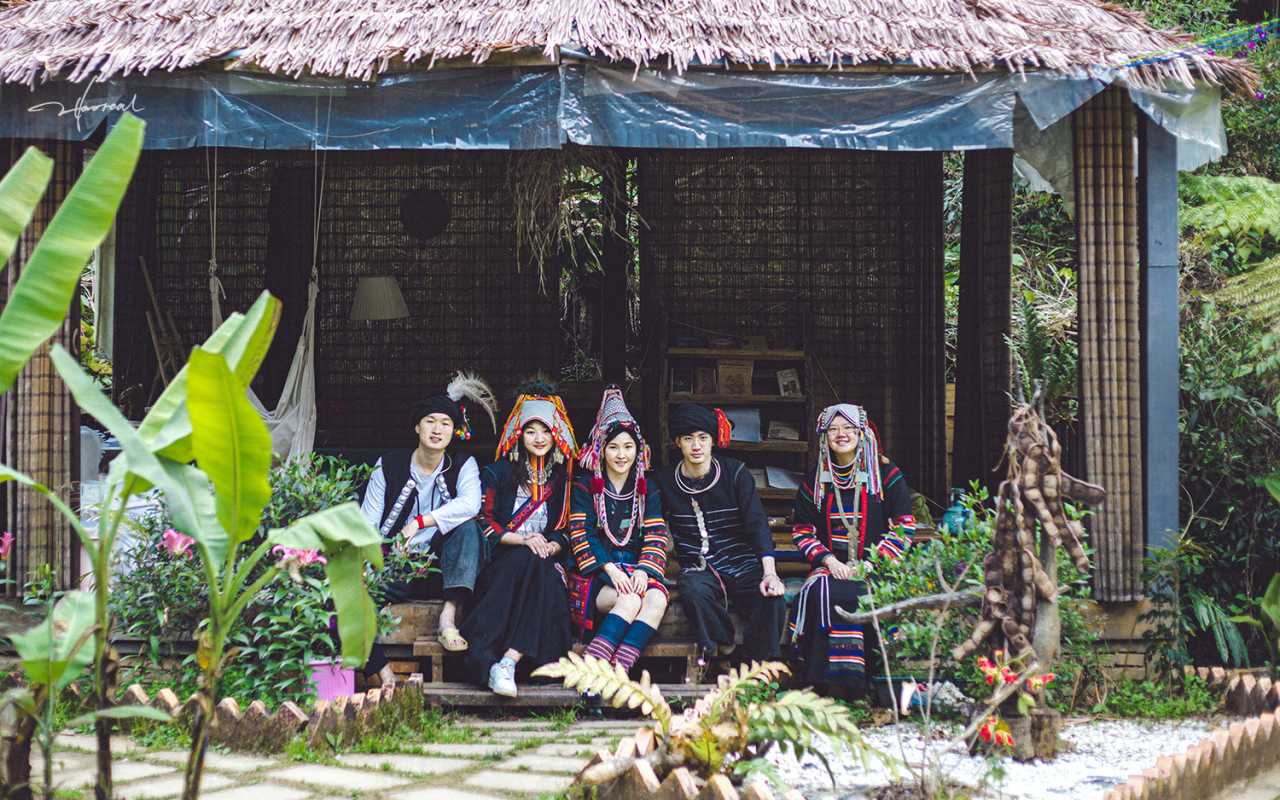
The second floor of the main building was Shuo San's meticulously crafted Hani costume experience room. Hundreds of collectible garments were exquisitely beautiful, many of them designed and made by Shuo San himself. The "Hani Princess photoshoots" popular at Xishuangbanna's Starry Night Market are all cheap imitations—the steps of the Golden Pagoda are covered in fallen sequins from those tacky costumes. Such "improvised" versions would make the village elders furious, let alone a folk artist as devoted to cultural heritage as Shuo San.
Shuo San carefully helped us choose our outfits—from necklaces to chest wraps, jackets, skirts, short skirts with leg warmers, to decorative belts and matching bags. By the end, it felt like we were wearing more than just clothes. Each piece carried a wealth of cultural information, a non-heritage artwork painstakingly stitched by Hani embroiderers.
The Hani women's hats are the most distinctive, adorned with silver ornaments, coins, colorful beads, and pom-poms. Different ages wear different styles. Men wrap their heads with long scarves, starting from the ear, which can give you a headache after a while. Teacher Zhao, at 188 cm, had Shuo San stick feathers and colorful pom-poms on him, making him look like a flamboyant peacock. Huang, being petite, chose a short skirt. Shuo San said seriously, "Around here, we don't wear short skirts too high! You've got to show some butt crack." Huang hesitated for two seconds, then, true to her irreverent style, said, "Really? Then I'll show it off later!"
Amid the laughter, Shuo San shared gossip about his guests. Staying with us that day were a family of three from Sichuan and a Russian friend who taught in Kunming. This international friend was an old acquaintance of Shuo San's, planning to stay at Dianhong Grass for over a month. He had a beautiful Ukrainian wife, but "their relationship wasn't good." Shuo San also said the Russian guy was afraid to sleep alone, so Shuo San stayed with him every night. Huang had already been eyeing this handsome man. Her eyes lit up, and she told Daqian, who arrived late, an exaggerated version: "Oh! That friend you were talking to earlier is afraid to sleep alone." She rolled her eyes. "So Shuo San arranged for me to stay with him tonight." Daqian, used to her nonsense, grimaced and said, "They arranged for you? What a joke."
Once we were all dressed, we lined up and walked down from the second floor. Shuo San recorded a short video of "Hani people from Beijing" and posted it online—this old kid's way of having fun. He was older than my mother but had a youthful spirit. He'd been a policeman, a propaganda officer in the county party committee, spoke fluent English, recorded a single, taught dancing, but his true loves were art and painting.
We walked into his paintings, wearing his clothes, past swings and rocking chairs. Spring water from a stone well halfway up the mountain was channeled down through a pump and rubber pipes, then diverted into bamboo tracks in the yard—both functional and beautiful. I asked if the spring water was drinkable. His answer was practical: "Boil it first. We only drink it raw when we're up in the mountains with no other option. At home, we always boil it." It struck me that what modern people call "returning to simplicity" is often just wishful thinking. Pursuing a pastoral life means giving up modern convenience and health science—it's full of artificiality. What made Dianhong Grass special was how natural and comfortable it felt. It presented a genuine, passionate way of living.
In the evening, Shuo San cooked dinner for all the guests in the yard. Strangers sat around a table, laughing together. A little stray cat curled up by the fire, occasionally circling our feet, begging for food. Blue eggs stir-fried with butterfly pea flowers, wrapped grilled river fish, secret-recipe minced beef, freshly foraged wood ear mushrooms from the mountains, three different types of congee, slightly burnt bamboo rice, and some糊蛋 (a kind of scrambled egg dish mixed with spices and chili). The Hani people's highest honor—a congee made with meat, eggs, and rice, slow-cooked in a large iron pot over a wood fire for over four hours—was incredibly fragrant. They were masters of soups and stews, so we'd quickly eat until our eyes glazed over, only to find our stomachs empty again shortly after. The two burnt dishes were a result of Shuo San chatting with us and forgetting the time. It felt like being invited to an old friend's house for a home-cooked meal—not about fancy, refined cuisine, but about relaxed, enjoyable time and atmosphere.
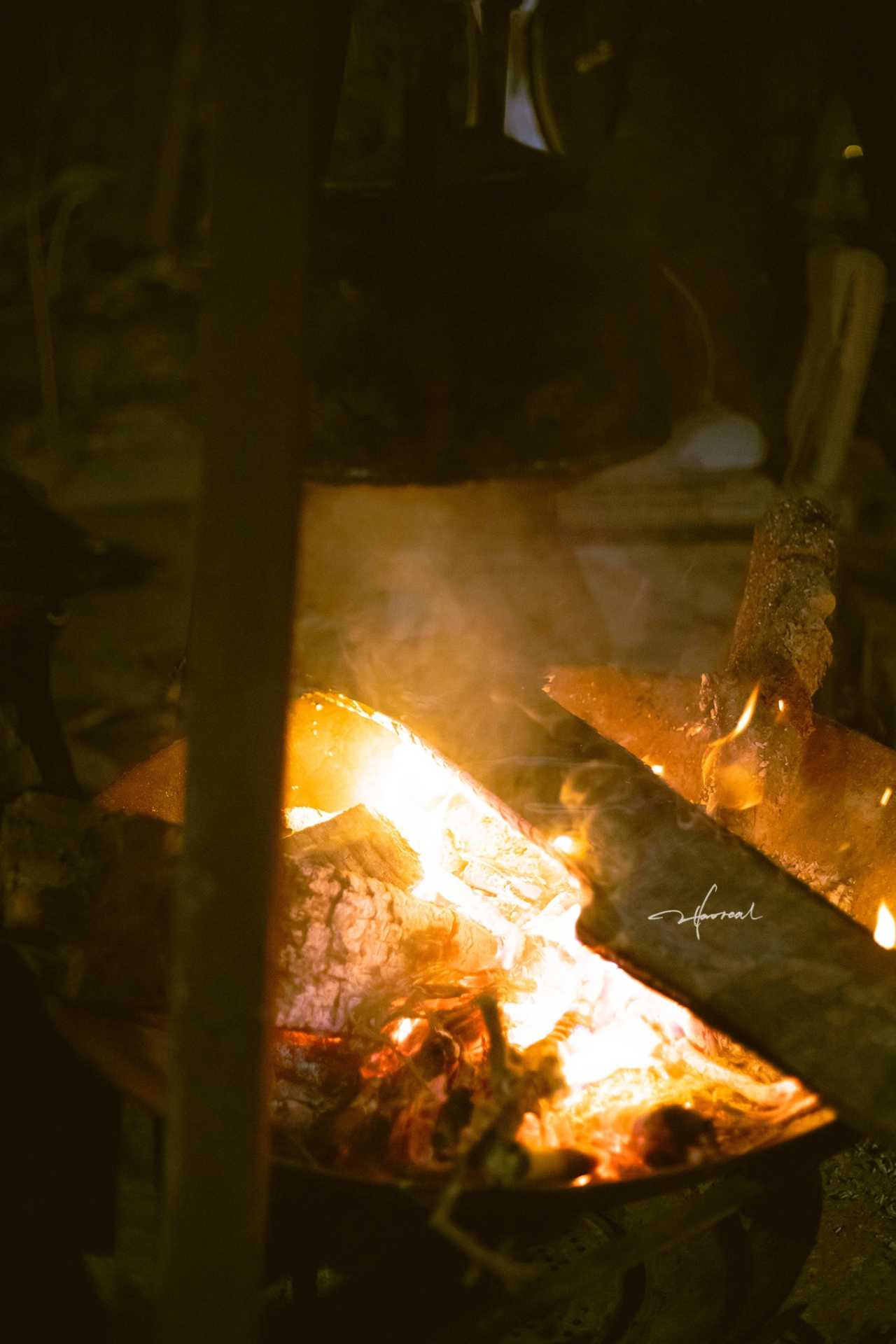
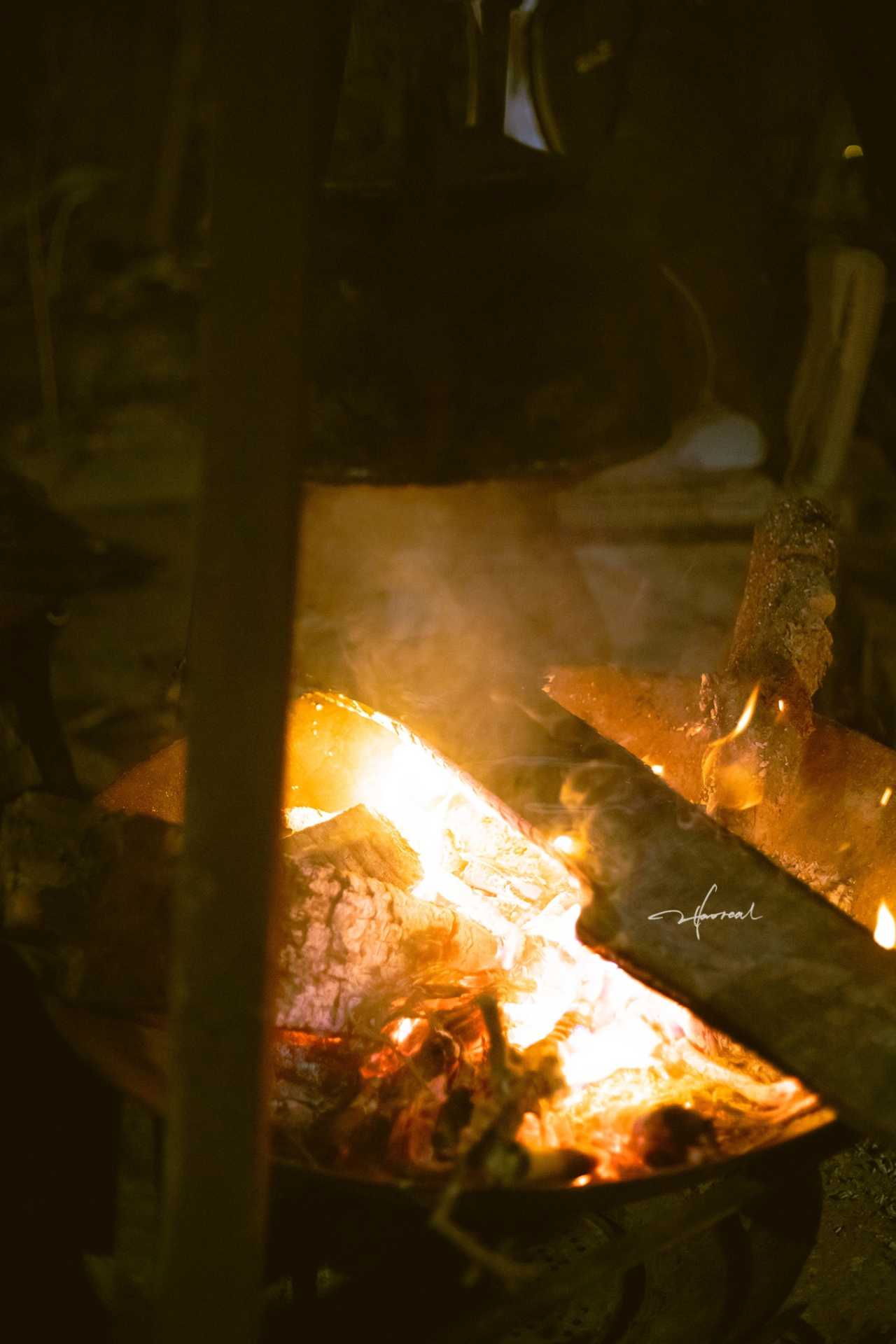
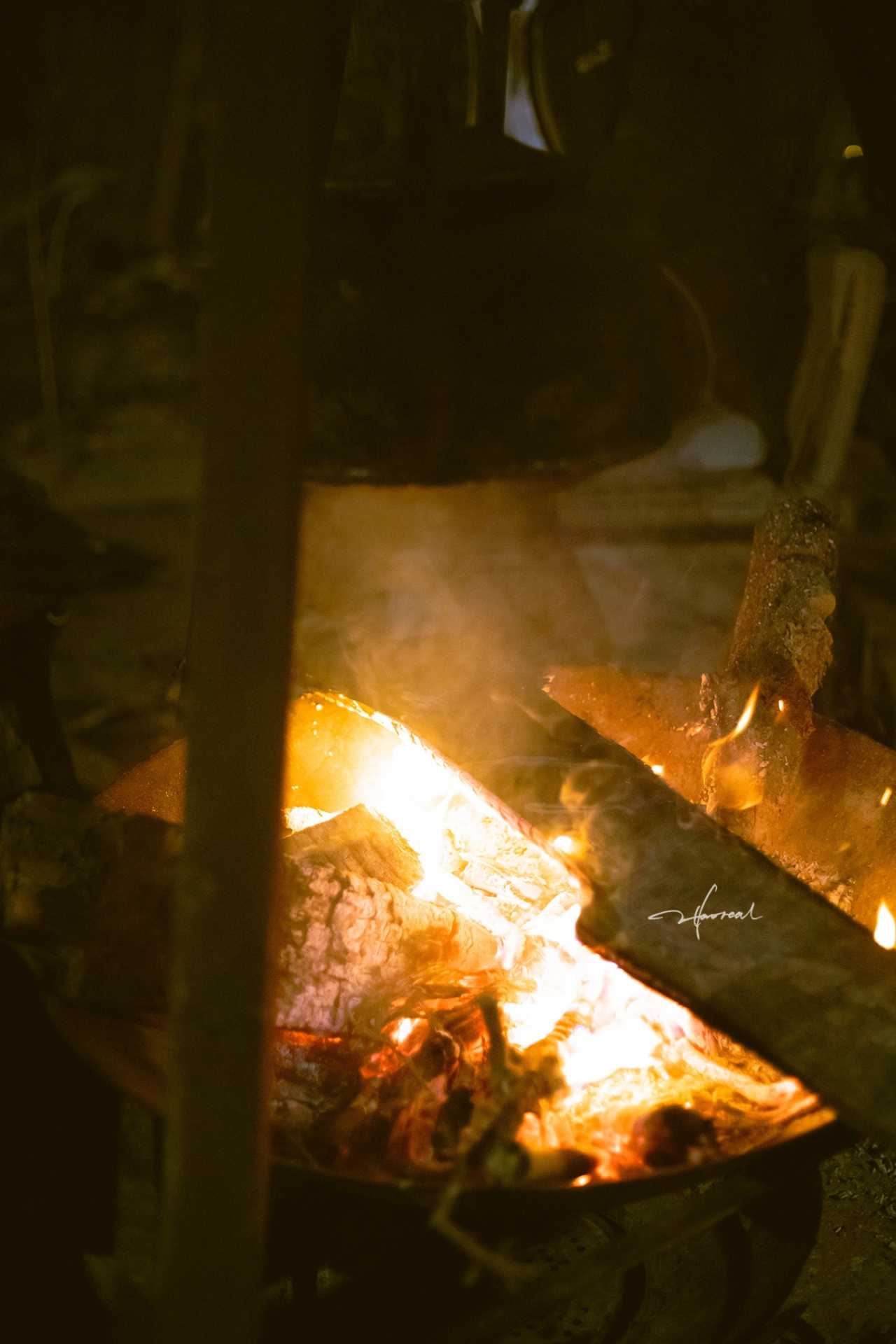
After dinner came a long, unforgettable time by the fire. Mangang was deep in the mountains, and the nights were cool. Shuo San had already lit a fire in front of our little house and boiled a large pot of water for our tea. We stared blankly at the roaring flames and the black iron kettle, scratching our heads. Finally, we went to ask Shuo San for a rag, earning a good laugh:
"What are you going to wipe?" "I want to use it as a potholder so I don't burn my hand." "Why would it burn your hand?" "It's all black and sooty, and the flames are leaping up—of course it's hot!" "Oh! The fire's so far away, how could it be hot?"
He exasperatedly demonstrated, scooping some loose tea from a canister, filling the kettle with water—"Just pour the water, that's the fairness pitcher, then divide it into these small cups..."—"Is it that hard to drink water?"
We only dared to try after he left. And it really wasn't hot.
Later, Shuo San's friends came to visit—a Hani college student from the village brought fresh purple sweet potatoes, tangerines, and peanuts. Shuo San happily shared them with us to roast. I threw a few sweet potatoes into the fire but hesitated over the peanuts and tangerines. Shuo San sighed and tossed me a grill grate, saying, "Use this if you want." The sweet potatoes were delicious, the peanuts were buried in ash and disappeared, and the tangerines turned pitch black. Teacher Zhao frowned as he watched me, like an idiot, blow on my fingers and peel the scorching skin off a tangerine, only to find the fruit inside perfectly intact.
Shuo San played the piano, sang Hani songs, and told us the story of Dianhong Grass. "Dianhong" in the Hani language means "level ground," and "Grass" means "dancing." So Dianhong Grass is "dancing on level ground." Every Akha village has a Dianhong Grass. When night falls, young men and women, after a day's work, gather here around a bonfire to sing, dance, and flirt. The Akha people are naturally good at singing and dancing. That's why Shuo San wondered, "Why don't any of you play music or sing?" We felt ashamed, silently munching on our sweet potatoes, listening to the melodious tunes flowing from his fingertips, mingling with the gurgling spring water and the crackling fire.
We absolutely loved roasting by the fire! After burning through the firewood at our feet, we went to the kitchen for more. When all the decent firewood was gone, Daqian and Teacher Zhao started eyeing a pile of bamboo, neatly cut wooden planks, and unknown dried branches from the garden. The next morning, when Shuo San threw an old broom into the fire, they had a look of regret, as if to say, "Why didn't you tell us this could burn too?" I seriously suspect we burned all his firewood.
We had zero life skills, but we were hopelessly addicted. Daqian threw a thick log into the fire. Teacher Zhao fanned it vigorously, blowing all the smoke into my face. We sat there, spacing out, playing with the fire, watching the stars, from 7 PM to 11 PM. Every time I recall that night, my heart feels full of countless stars and tiny flames, gently glowing.
Behind Dianhong Grass, a small path leads up the mountain. At the top, you can see the forests of Myanmar on the other side. Since our group was especially fascinated by northern Myanmar, Teacher Zhao named this hill "Looking North Slope." After breakfast, we decided to go check it out. Shuo San, exasperated, warned us, "You want to go to Myanmar? That's a long climb!" I've noticed this about many ethnic minorities—sometimes they don't get your jokes, but they're always sincere. In reality, we only hiked about a kilometer, stepped on some soft soil, and picked a few chestnuts and figs. We were only about 30 kilometers from the Myanmar border. The forest didn't smell of decaying leaves—the whole air felt lazy and relaxed.
Coffee Plantation: The Early Bird Gets the Best Meal
We reluctantly said goodbye to Shuo San and headed to Pu'er. On Master Wu's recommendation, we visited a beautiful coffee plantation.
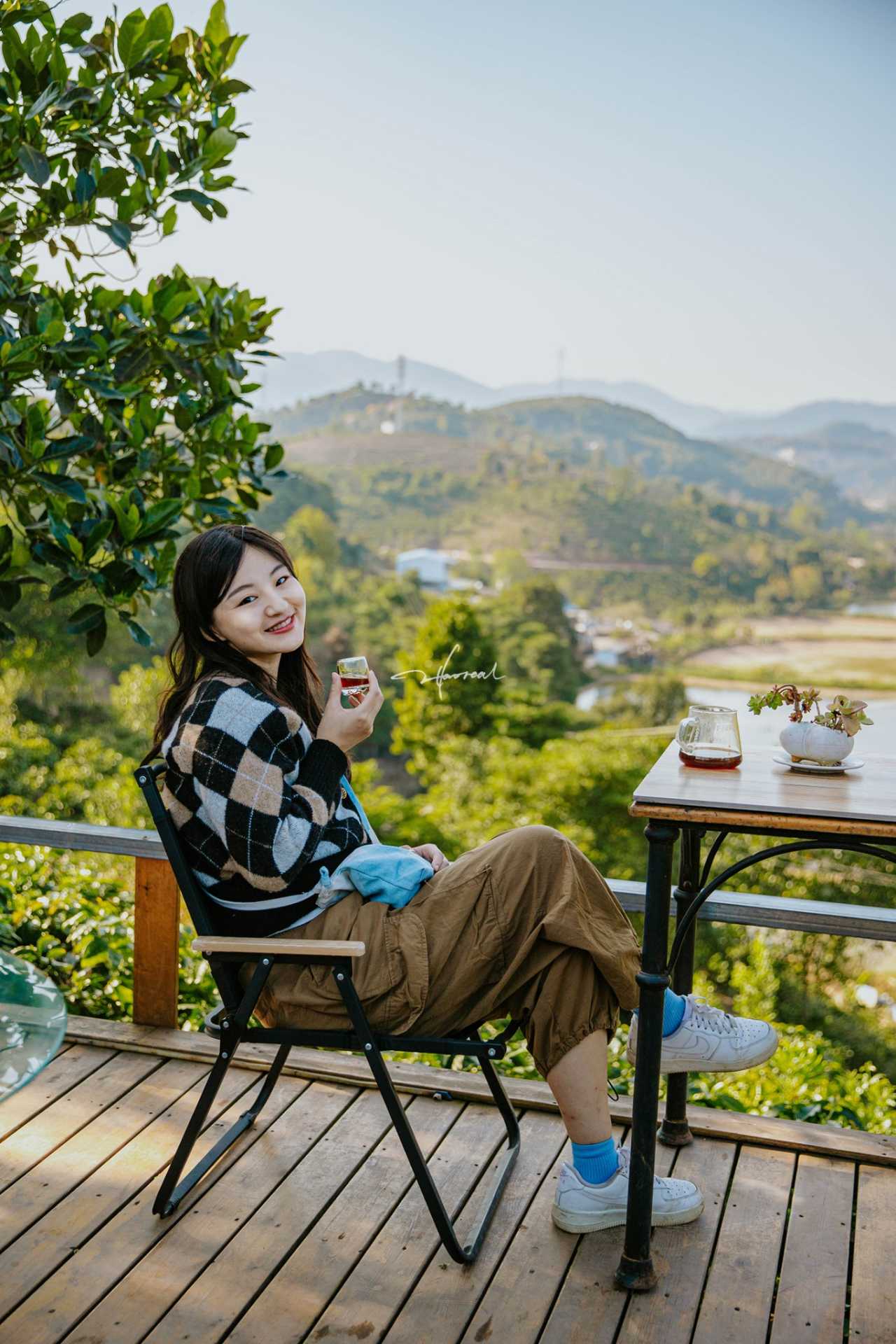
Many people know Pu'er for its famous tea, but few realize it's also China's largest coffee production base, earning the title "Coffee Capital of China." Pu'er has a unique mountainous ring climate, located on the Tropic of Cancer—the "World's Golden Coffee Belt." It boasts high altitude, low latitude, strong sunlight, and abundant rainfall. Internationally, countries with similar geographic conditions—Ethiopia, Kenya, Brazil, Sumatra—are also major global coffee bean suppliers. Companies like Starbucks, Nestlé, and Volcafe have long been purchasing coffee in Pu'er.
The plantation was called "Nan Dao He Xiao Jing Tian Tian Yu Zhuang" (South Island River Small Jing Field Tianyu Manor). They had been growing and selling coffee for years but only recently opened to the public. For 88 yuan per person, you could enjoy unlimited house-made coffee and a delicious, authentic Dai-style hand-grabbed rice meal. Great value.
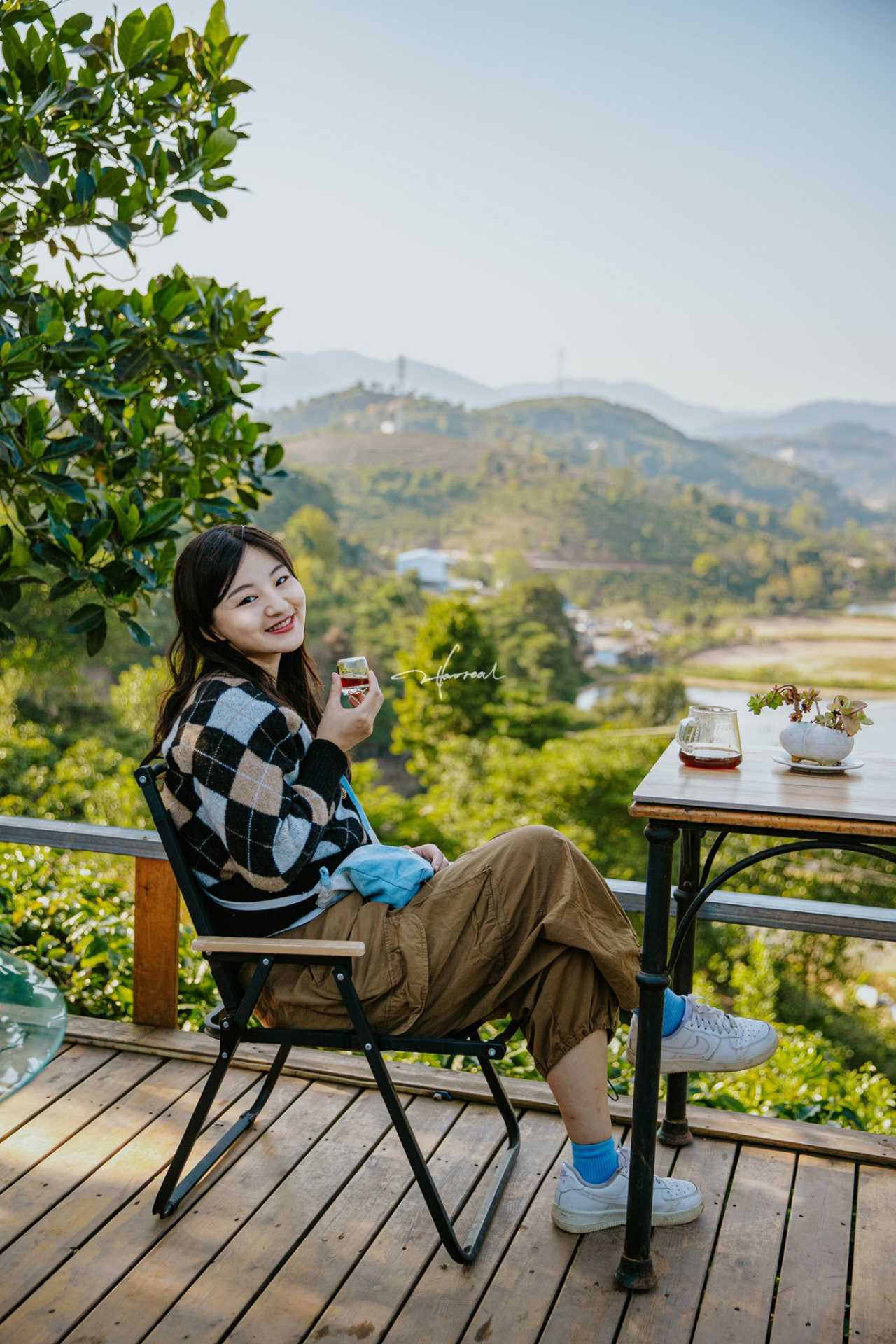
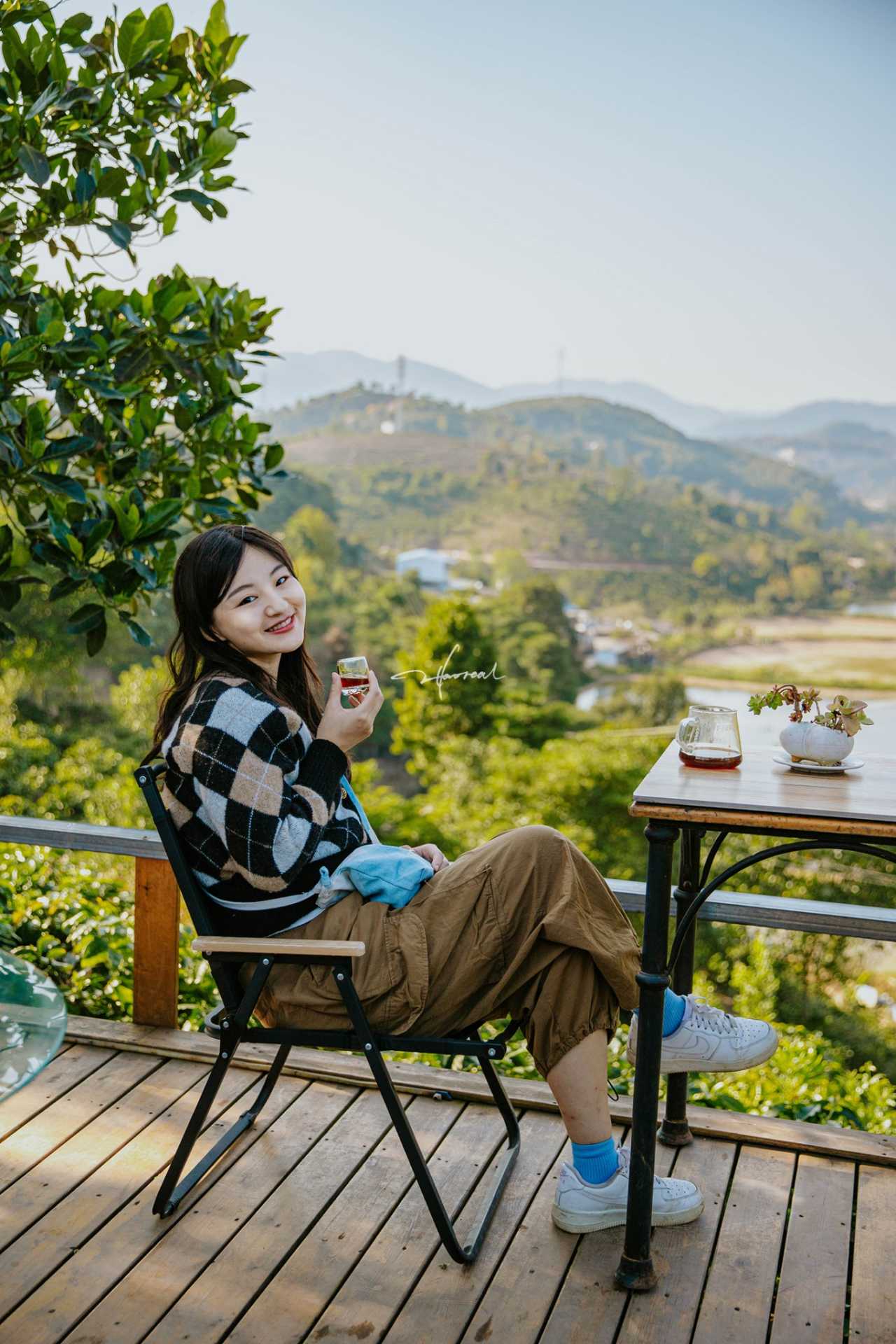
The restaurant bar doubled as a pour-over coffee station. The barista explained some coffee basics, featuring three main types: natural, washed, and honey-processed. You could also sit on the outdoor terrace, enjoy the view, and wait for volunteers to bring coffee around. The higher the altitude, the more acidic compounds in the beans. The locally adapted Catimor variety had developed a unique Yunnan character. The first impression was sourness, almost masking the coffee's bitterness. But as you savored it, there was a hint of sweetness. Later, the owner explained that different roasting levels greatly affect flavor—the bitter coffee you find in stores is usually dark roast, while lightly roasted beans are smoother with a fruity, acidic aroma.
Before coming to Yunnan, we'd visited a coffee plantation in Xinglong, Hainan. Xinglong coffee is characterized by lots of milk and condensed milk. Pu'er, on the other hand, is all about "pure drinking"—no sugar, no milk. Maybe we drank too much coffee, because Daqian later got heart palpitations. Huang teased him, saying he was used to instant coffee, like a "mountain pig that can't appreciate fine food," unlike her who "needs this pure stuff."
Besides coffee trees, the plantation grew bananas, winter melons, and various flowers. They said that in summer, the groves would be filled with fireflies, their twinkling lights merging with the stars above. The owner's big white cat rubbed against our legs. We gazed at the valley, listened to the wind, and didn't think about leaving until the sky grew dark. The weariness we'd been carrying slowly dissolved in moments like these.
Mushroom Feast: Friend, Have You Seen Little People?
The suggestion to have wild mushrooms for dinner earned enthusiastic approval from Master Wu. He said Pu'er had a special type of delicious red mushroom that Xishuangbanna didn't have. He called me a "foodie." I'd stumbled upon the idea by chance, but I happily accepted the title, proudly searching online for two mushroom restaurants as backup.
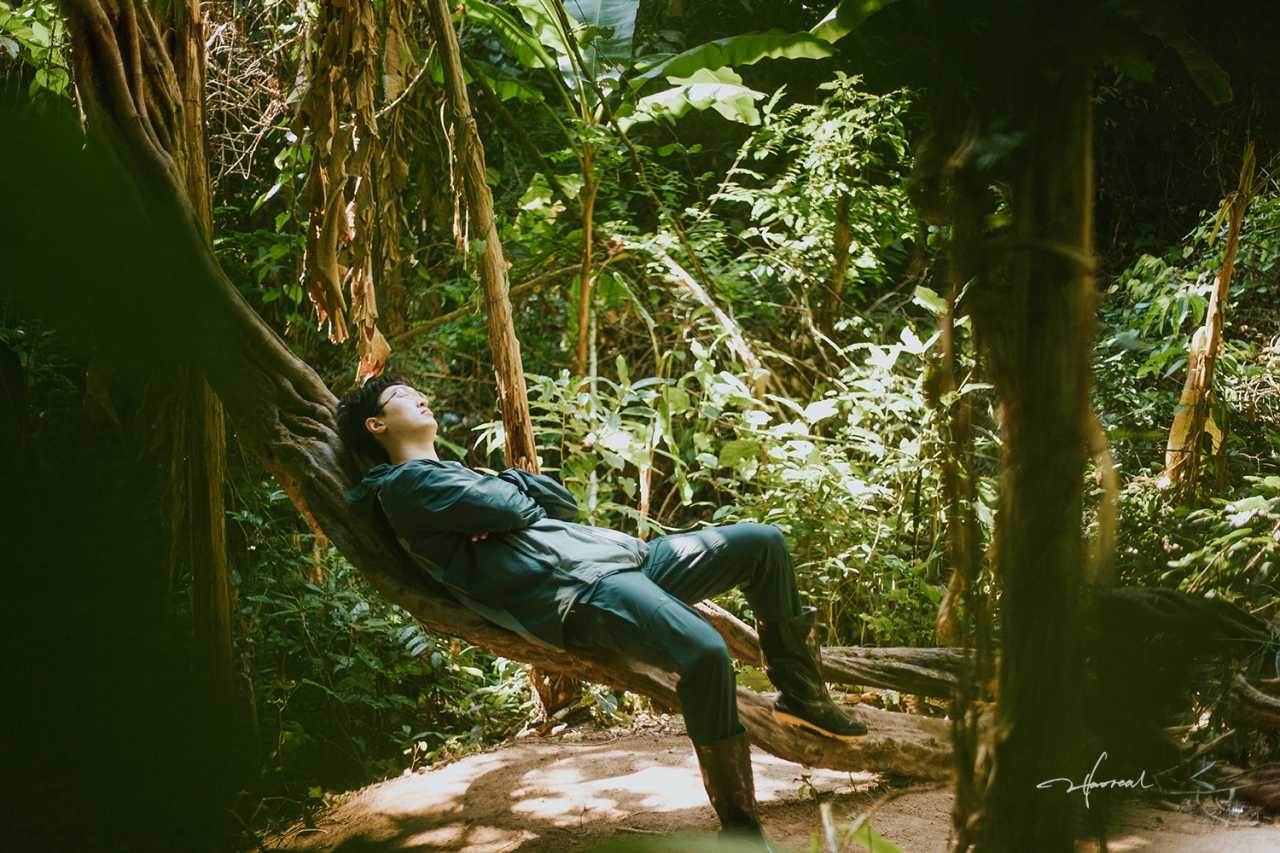
We first went to the closer one, "Wa Zhen Wild Vegetable Restaurant," located halfway up a mountain. We parked the car and walked another 200 meters. It was a traditional Chinese courtyard house, with succulents in the front yard, cured sausages hanging, and unwashed bowls stained with red oil on the tables. But the door was locked. We called the owner, who told us, "The whole family is out..." The story stopped there, but we knew—in Yunnan, never underestimate the temptation of a wild mushroom feast.
Final Thoughts: Why Xishuangbanna?
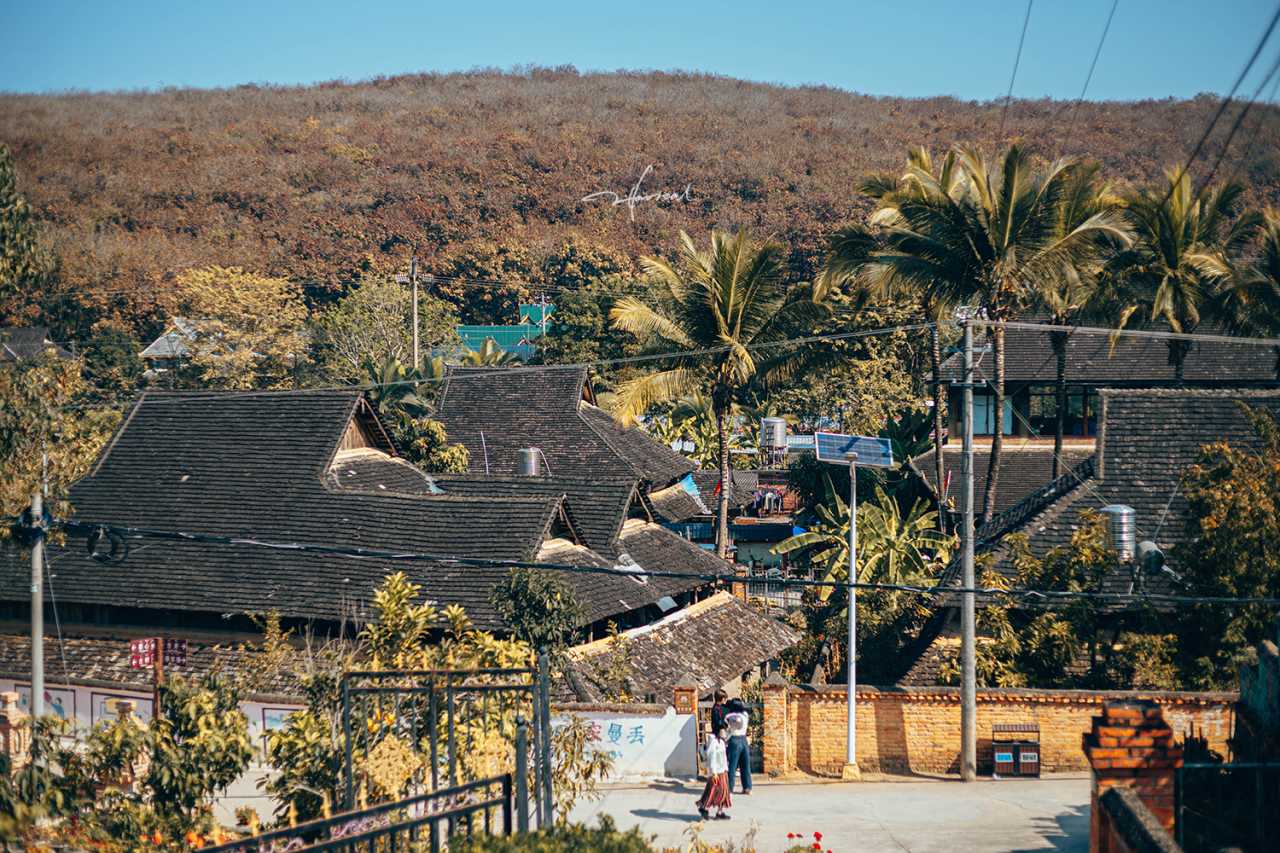
Six days of travel. From the thousand-year-old Mandiu Village to the hidden paradise of Mangang Village, from the fruity acidity of the coffee plantation to the Hani bonfire songs and dances—Xishuangbanna gave us far more than just warm sunshine.
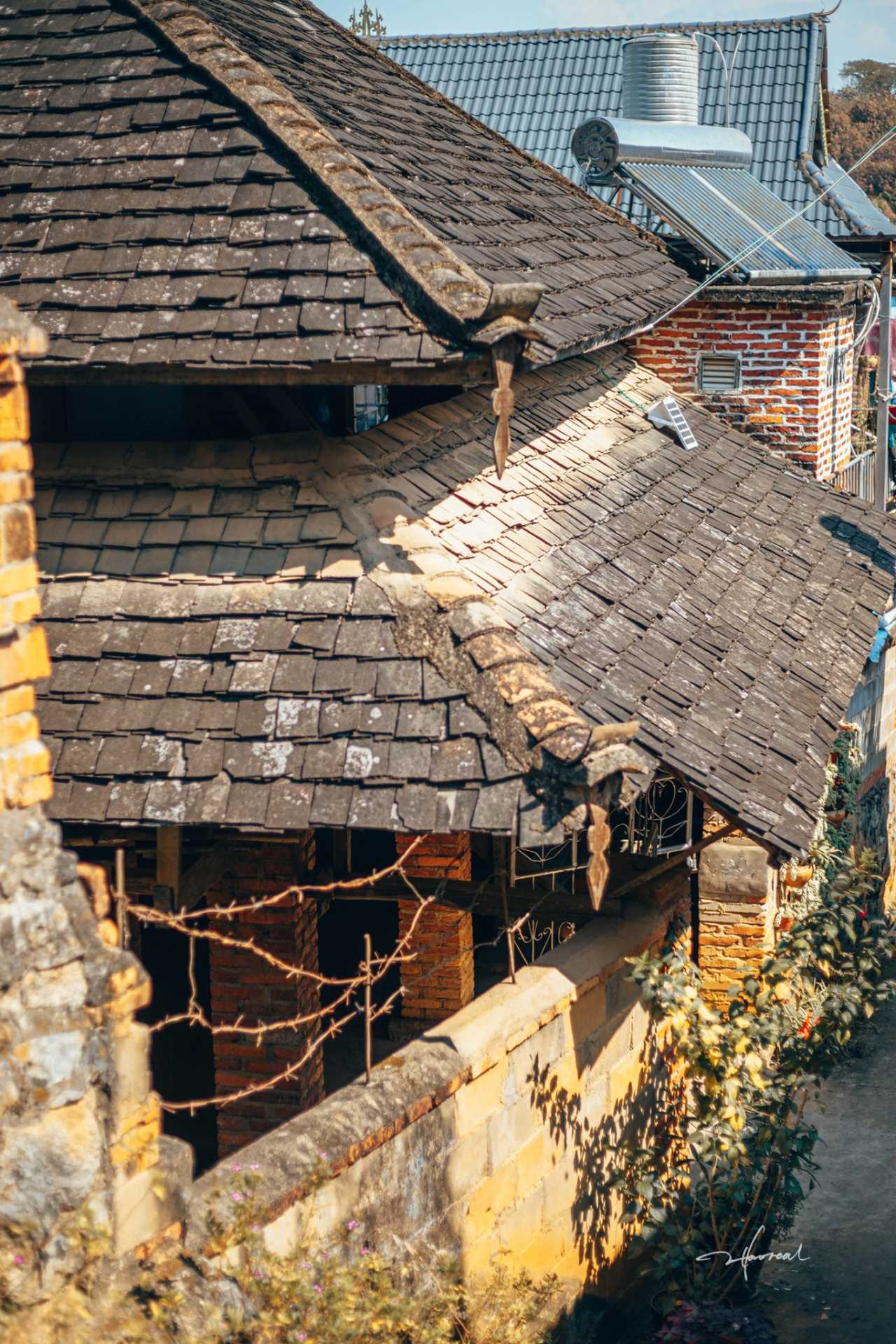
Here, there's a completely different pace of life from the north. The Dai women working outside while men stay home. The Hani's love for song and dance. Pu'er's coffee and tea. Every place reminded us: life can slow down. It can be closer to the earth. We can be more honest with ourselves and others.
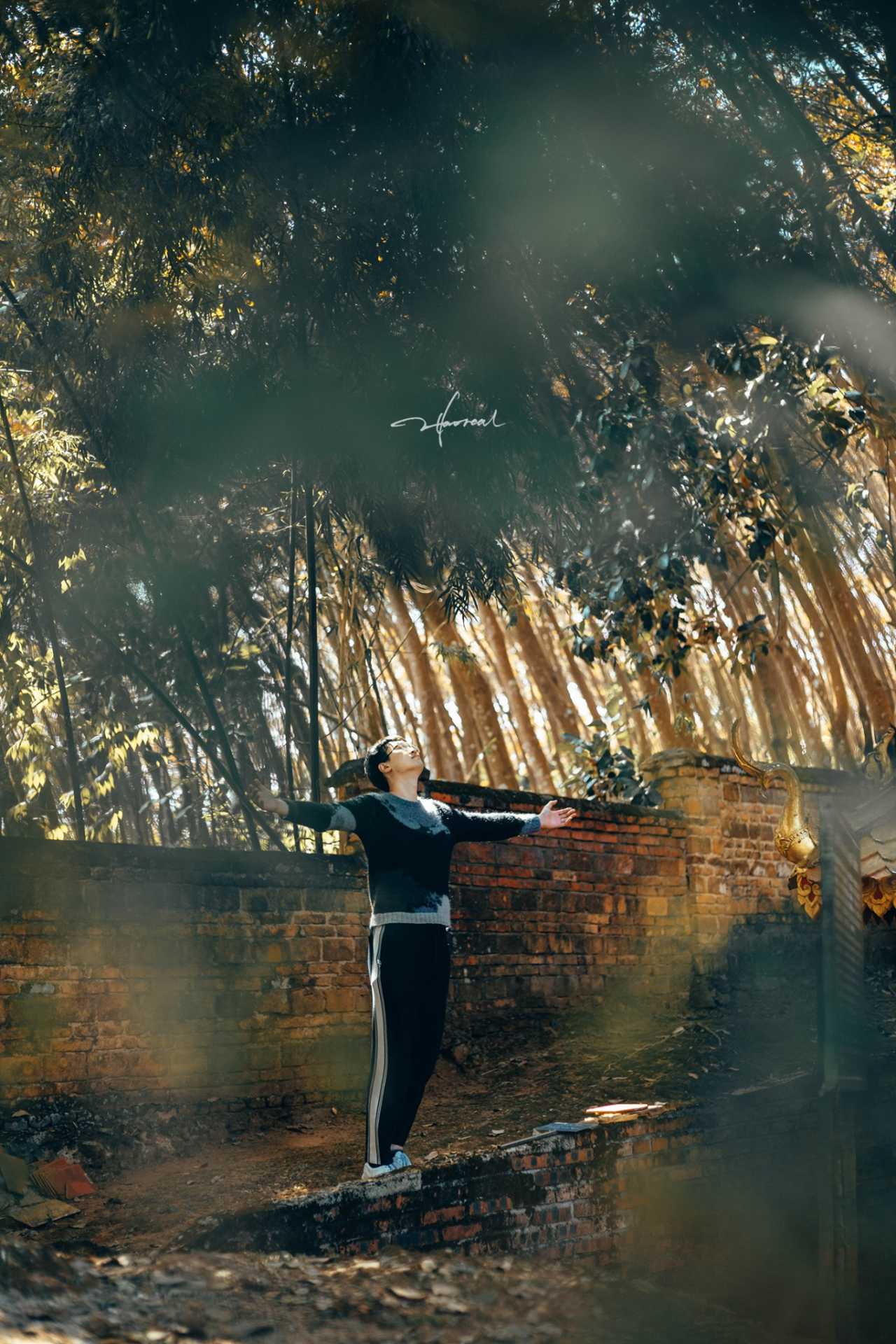
If you're tired of the city's hustle, fly to Xishuangbanna. Soak up the spring sun. You don't need a complicated itinerary or a big budget. All you need is a heart willing to slow down. After all, some places you visit, and you understand what "a world apart" truly means—not a distance in time, but a shift in perspective.
Practical Tips: - Best time to visit: November to April, when the weather is warm and pleasant - Average cost: About 3,000–5,000 yuan per person (including airfare), flexible depending on your budget - Must-try experiences: Free guided tour in Mandiu Village, Hani costume experience at Dianhong Grass, Pu'er coffee plantation visit - Things to note: Respect local customs—no photos indoors, no visiting bedrooms - Food recommendations: Dai-style barbecue, wild mushroom hotpot, Hani special congee, passion fruit sour soup fish
You should also read:
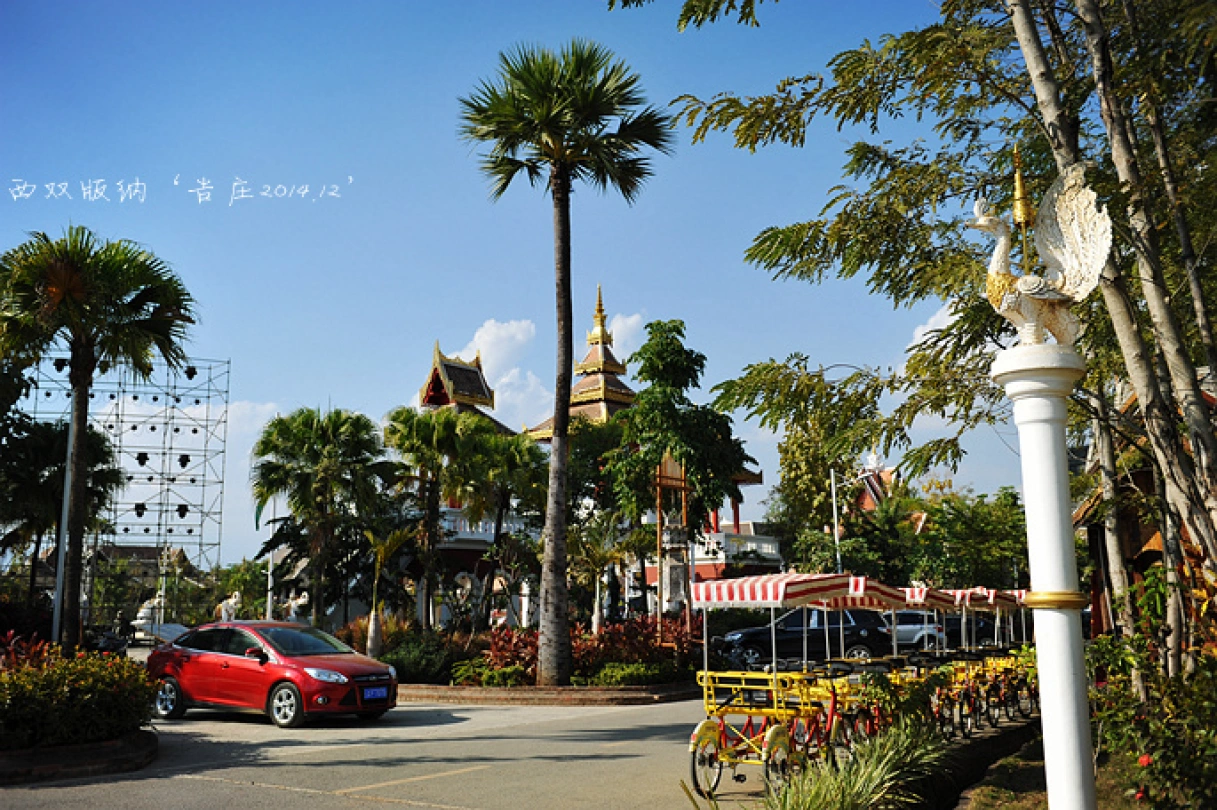
Xishuangbanna: Heading South to Embrace 28°C Sunshine and Freedom
Xishuangbanna: Heading South to Embrace 28°C Sunshine and Freedom When the bitter winds of the north swept in with snow, wrapping the entire city in a gray winter shroud, I scrolled through the steadily dropping temperature forecasts on my phone. Suddenly, a number struck me—Xishuangbanna,…
Continue reading...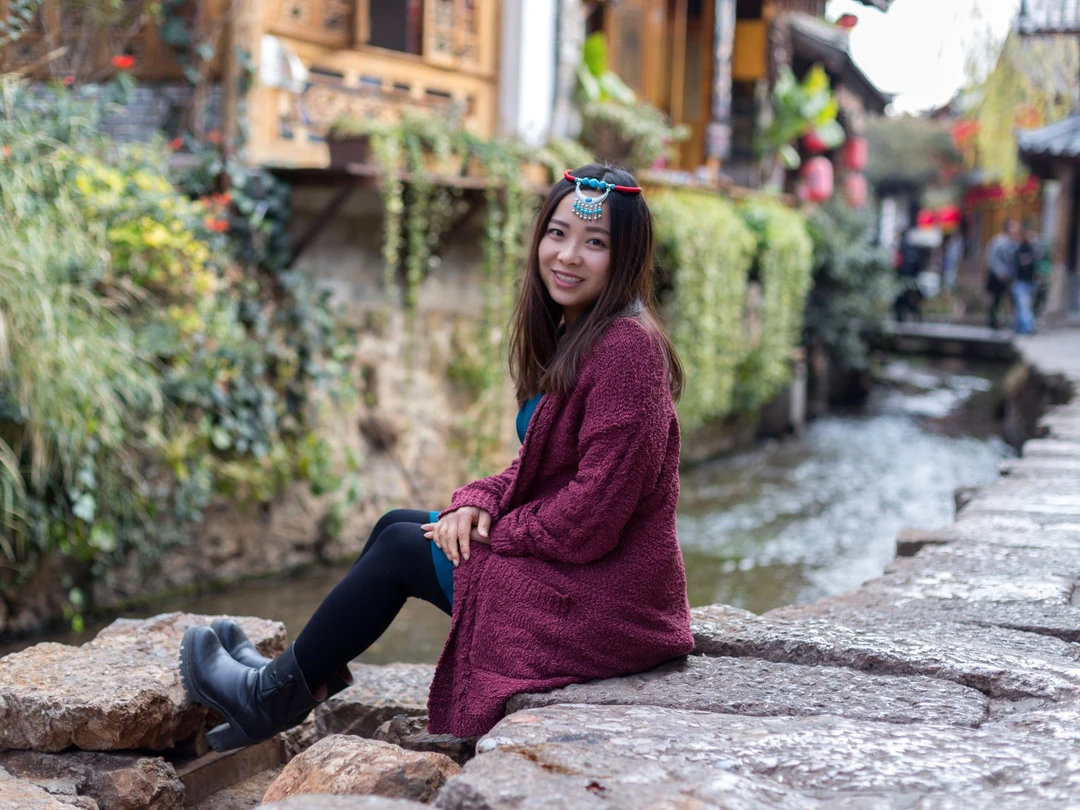
Chasing Spring in Winter: A Yunnan Journey (Dali, Erhai Lake, Shuanglang, Lijiang, Kunming)
Chasing Spring in Winter: A Yunnan Journey (Dali, Erhai Lake, Shuanglang, Lijiang, Kunming) Overlooking the entire city from Wuhua Tower under the night sky. Travel is a sickness. Once you catch it, you can never shake it off. It's also contagious—eventually, you might pass it…
Continue reading...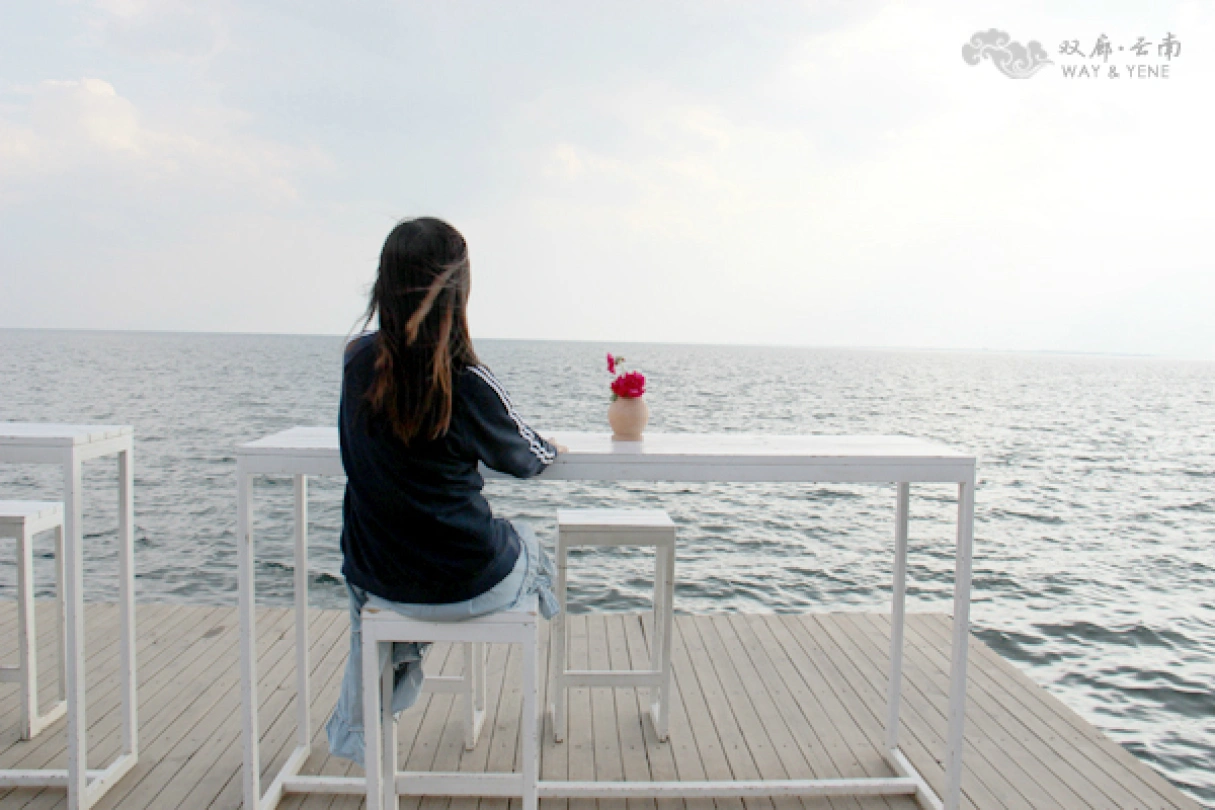
Days on the Clouds: This Spring, We Stumbled Into a Dream in Yunnan
Days on the Clouds: This Spring, We Stumbled Into a Dream in Yunnan One Journey, Two Hearts, Fourteen Days, Five Cities Some trips are about escape, others about discovery. Our journey to Yunnan was about celebration—celebrating the birthday gift my boyfriend gave me, and celebrating…
Continue reading...