Year-End Western Yunnan Road Trip: An In-Depth Exploration and Practical Guide to the Tengchong Loop
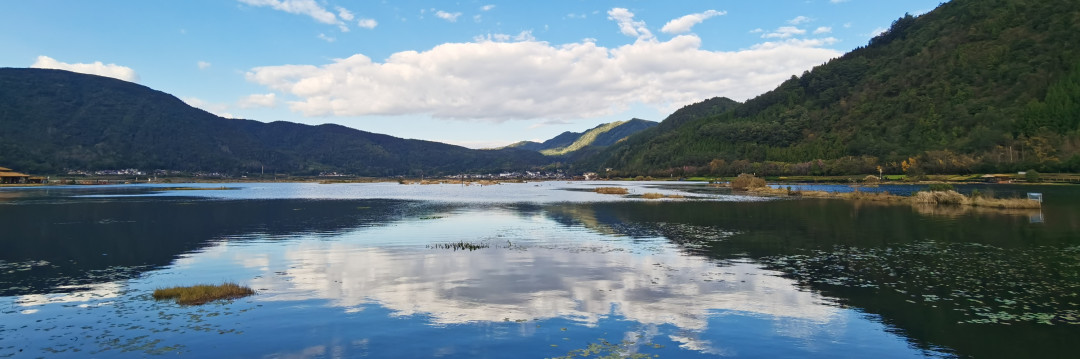
Year-End Western Yunnan Road Trip: An In-Depth Exploration and Practical Guide to the Tengchong Loop
Introduction: A Spontaneous Western Yunnan Loop
If you're someone who loves history and enjoys flipping through books, the western Yunnan region—especially Tengchong, Ruili, and Mangshi—will undoubtedly captivate you. This area boasts not only stunning natural landscapes but also profound cultural heritage. At the end of last year, I embarked on the classic "Tengchong Loop," starting from Dali, passing through Baoshan, Tengchong, Ruili, and Mangshi, before finally returning to Kunming. The entire journey took 9 days, with 3 days in Tengchong, 1 day in Ruili, 1 day in Mangshi, and the remaining time allocated for travel and rest. This article will walk you through every detail of this road trip, from itinerary planning to attraction recommendations and practical tips, hoping to inspire your own journey through western Yunnan.
Itinerary Planning: Self-Drive or Join a Tour?
Tengchong's attractions are scattered, and public transportation is not well-developed. Traditionally, visitors either opt for multi-day tours or drive themselves. Since I was traveling alone, I initially hesitated between "public transportation plus day tours" and "self-driving." After careful calculations, I found that renting a car alone cost roughly the same as joining a tour, but offered much greater flexibility—especially since the day-trip travel agencies in Tengchong couldn't guarantee a group tour in advance, which solidified my decision to drive.

My self-driving route was: pick up the car in Baoshan, return it in Baoshan. The specific itinerary was as follows:
- Day 3: Dali Station → Baoshan Station (pick up car) → Baoshan Hotel
- Day 4: Gaoligong Mountain hike (Baihualing) → Asia's Largest Banyan Tree → Xinzhai Village → Tengchong Heshun Ancient Town
- Day 5: Tengchong Northern Route (Hemu Camellia Village, Volcano Geothermal Park, Ginkgo Village, Heiyu River, Yezhuqing Bridge, Beihai Wetland)
- Day 6: Tengchong Southern Route (Heshun Ancient Town, Dieshui River Waterfall, Western Yunnan Anti-Japanese War Memorial Hall, Simola Wa Ethnic Village, Rehai)
- Day 7: Ruili (One Village Two Countries, Jiegao Port, Moli Tropical Rainforest, etc.) → Mangshi
- Day 8: Mangshi (Museum, Golden Pagoda, Silver Pagoda, Dai Ethnic Ancient Town, etc.)
- Day 9: Mangshi → Baoshan (return car) → Kunming → Beijing
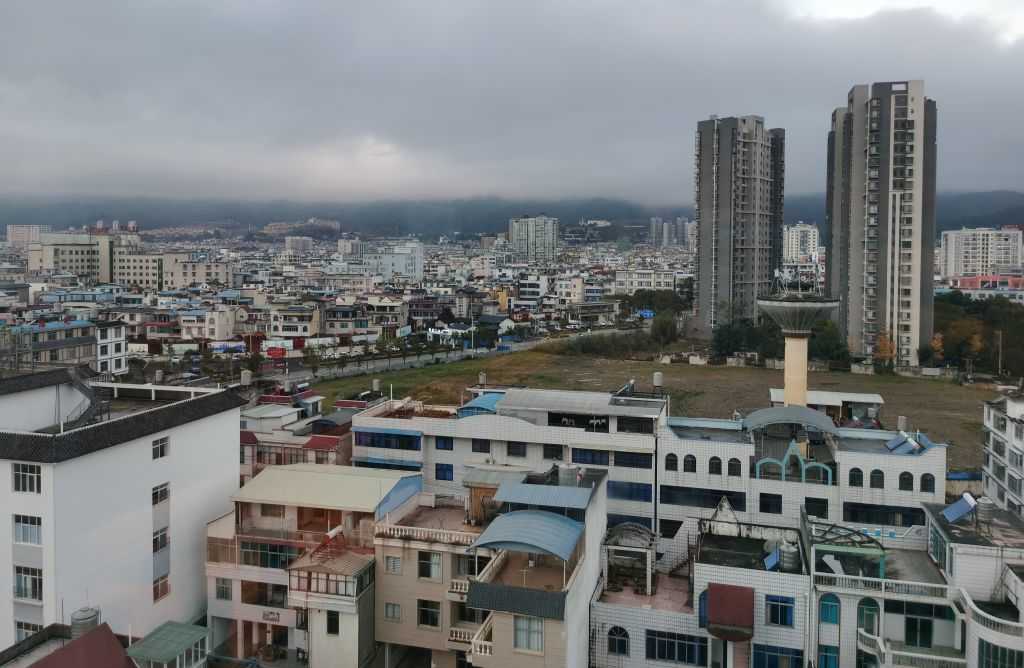
The Ruili portion of the itinerary was full of variables. The attractions were lined up from west to east in a straight line. I decisively canceled my hotel in Ruili and stayed directly in Mangshi instead. In the end, I had just enough time to finish visiting Moli Tropical Rainforest before driving straight to Mangshi.
Accommodation Recommendations: From Budget Hotels to Guesthouse Experiences
Baoshan: Ji Hotel (全季酒店)
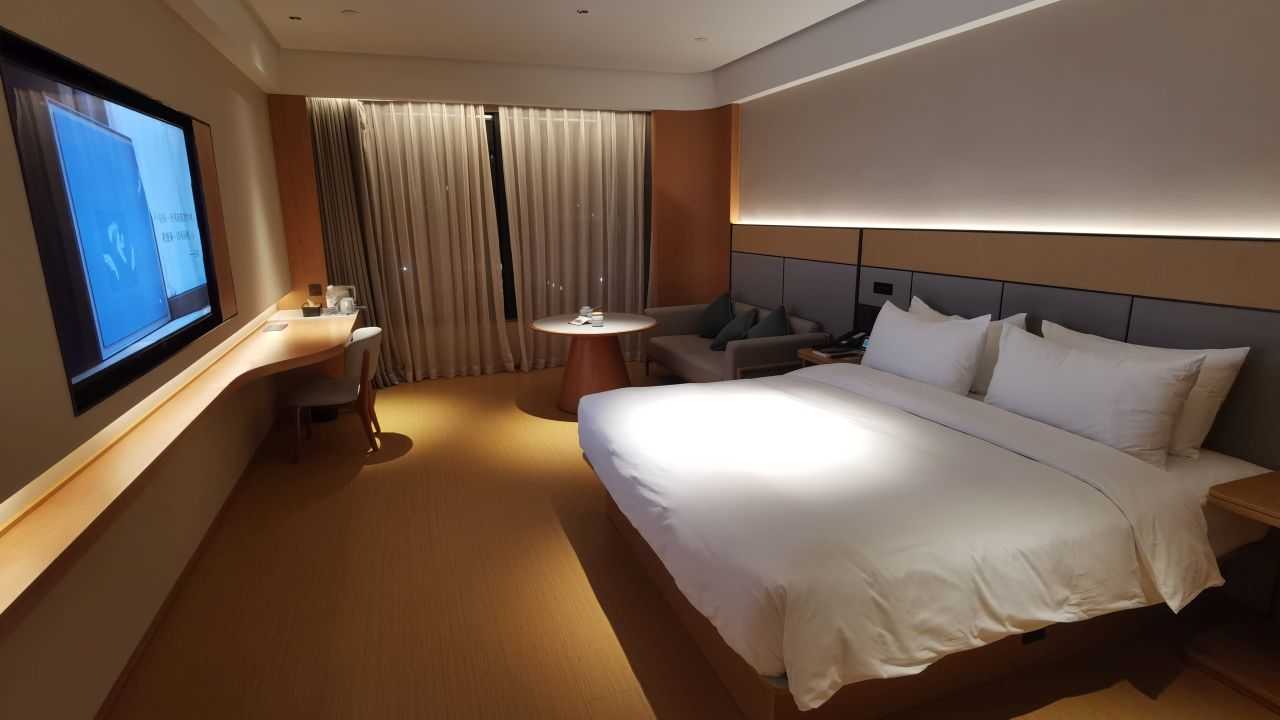
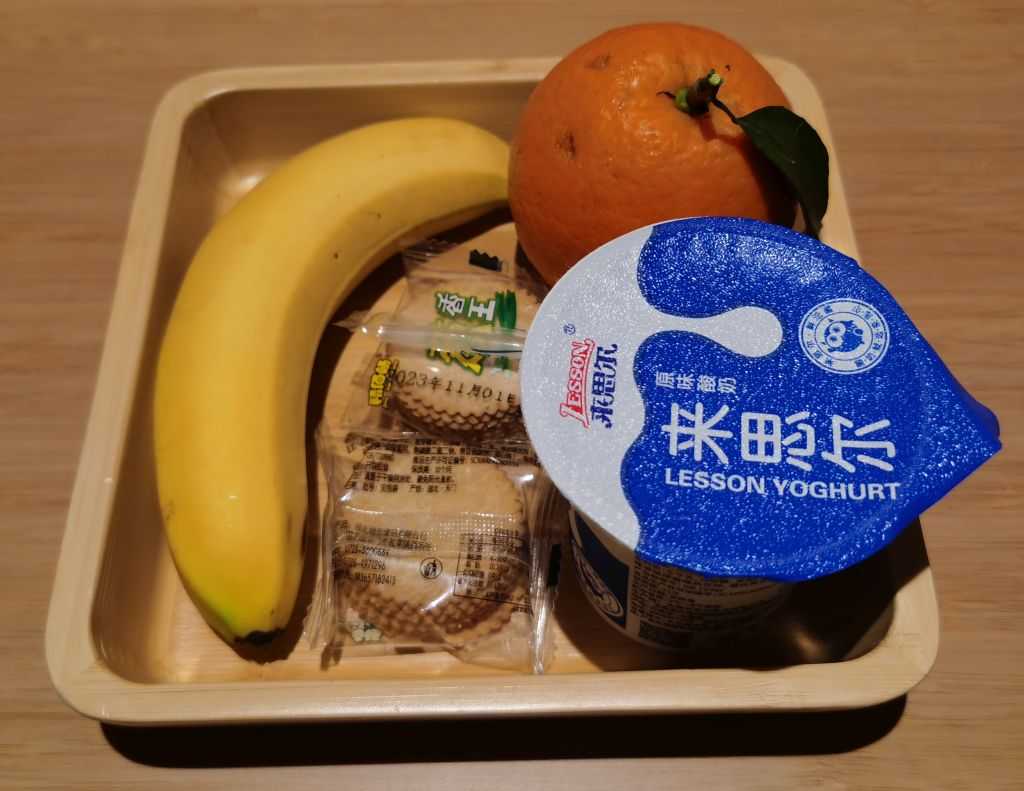
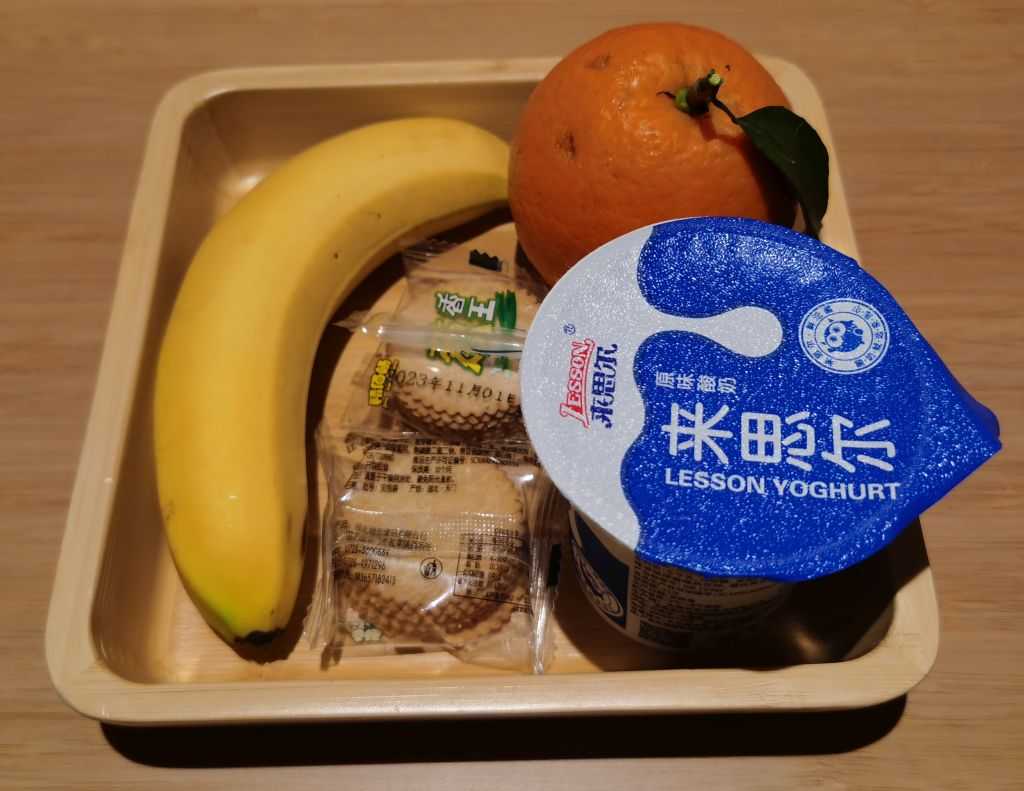
For accommodation in Baoshan, I usually choose hotels under the Huazhu Group. The Ji Hotel (Baoshan Yongchang Avenue branch) is in a good location, 8 kilometers from Baoshan Station and close to the national highway connecting Baoshan to Tengchong. The rooms were cozy, and they even provided fruit, yogurt, and snacks.
Tengchong: Guesthouse in Heshun Ancient Town
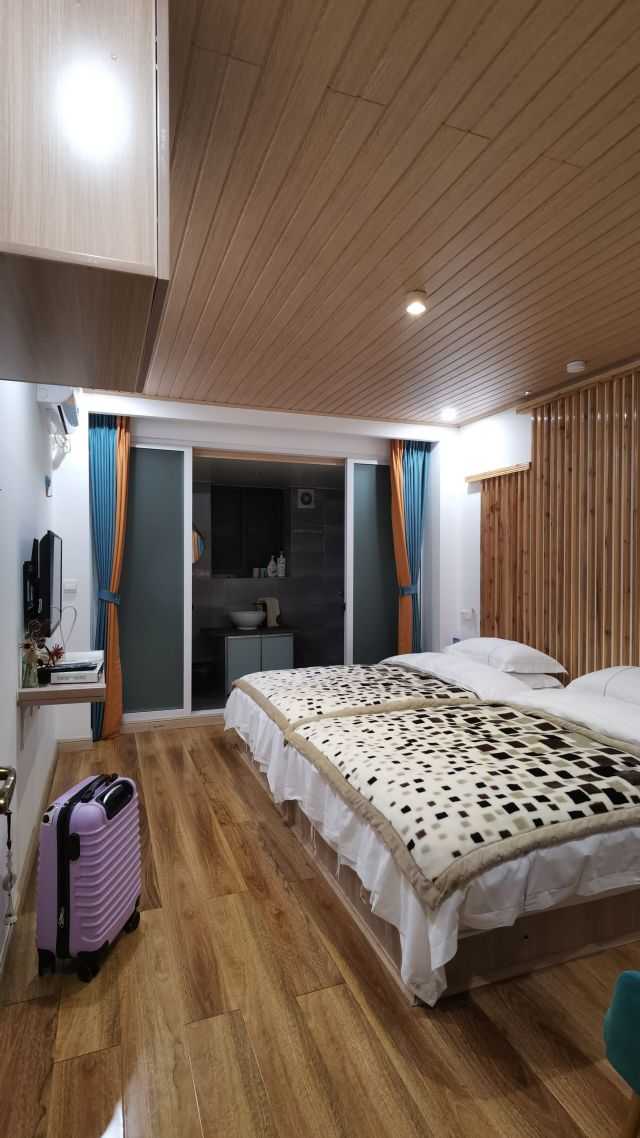
I spent all 3 nights in Tengchong at the "Tengchong Qinyuanju Inn" (腾冲沁缘居客栈) in Heshun Ancient Town. The inn is near the west gate, and navigation requires two steps: first go to the visitor center, then to the Jia Family Ancestral Hall (贾氏宗祠). I parked the car near the Jia Family Ancestral Hall parking lot, and the inn provided free daily parking vouchers. The inn itself was average, but it was decent compared to other guesthouses in the ancient town. The landlady cooked breakfast herself every day, offering eggs, steamed buns, or rice noodle soup (饵丝).
Mangshi: Suxinhua Guesthouse (素馨花民宿)
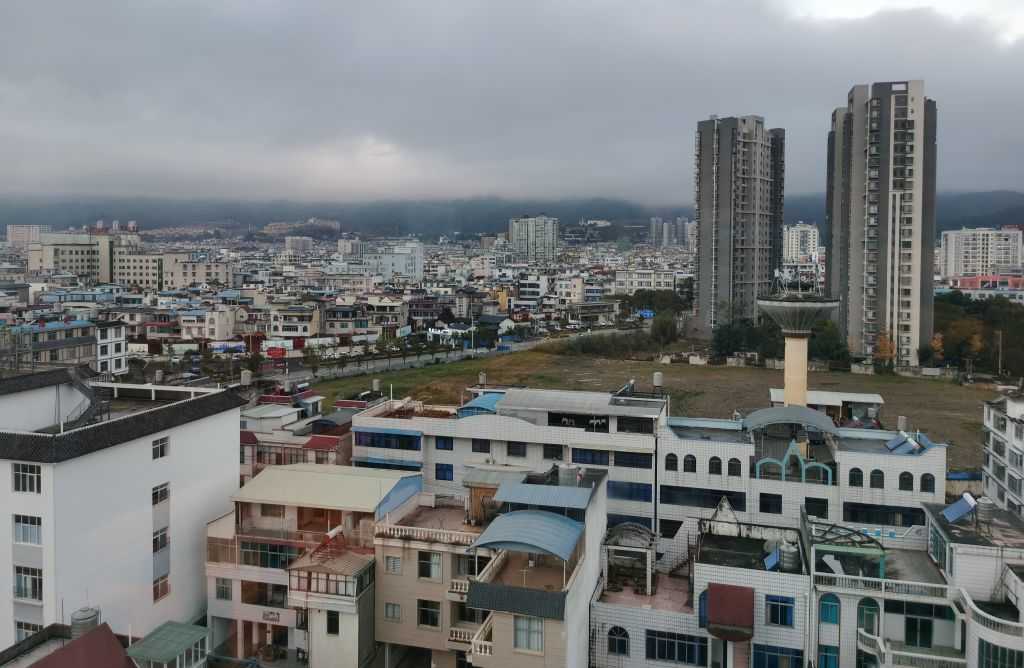
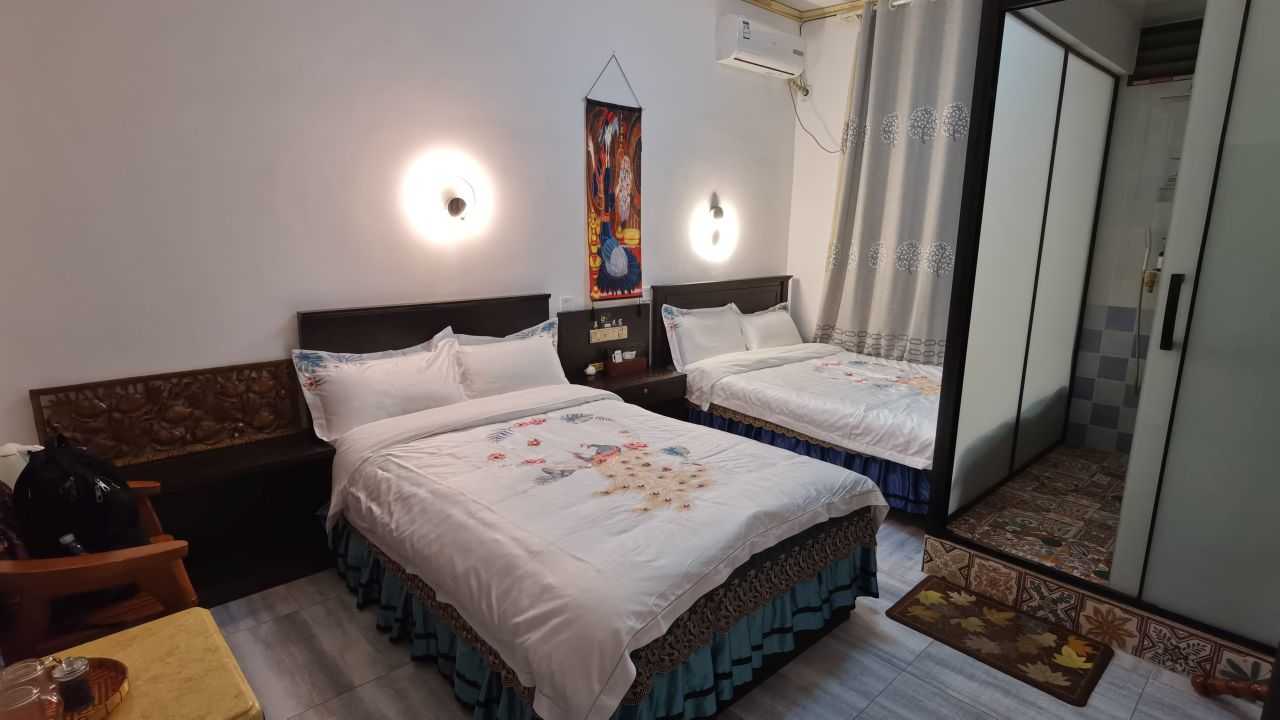
On the day I visited Ruili, I drove straight to Mangshi and stayed at Suxinhua Guesthouse. Apart from its remote location and inconvenient parking, everything else was great. The guesthouse provided breakfast, and I could chat with the elderly guests staying there, creating a warm atmosphere.
Gaoligong Mountain: Baihualing Hike
The Gaoligong Mountain hike was the highlight of this trip. I chose the Baihualing route because other routes require a guide, while Baihualing is managed as a 2A-level scenic area with an entrance fee of only 15 yuan. Navigate to "Baihualing Yueteng Ancient Road Agricultural Tourism Cooperative" (百花岭越腾古道农业旅游专业合作社), and the checkpoint is 200 meters further ahead. The entire loop is 7 kilometers: enter from the left, pass by the large waterfall (Zaotanghe Waterfall, 澡堂河瀑布) and the Yin-Yang Spring (阴阳泉, a wild hot spring), and finally return to the starting point.
During the hike, the forest paths, intertwined vines, and birdsong made me feel like I was in a primeval forest. The mist from the large waterfall was refreshing, making it a great spot for photos. The water temperature at the Yin-Yang Spring wild hot spring was just right, so I soaked my feet and rested before continuing. The entire hike took 4 hours, from 11:30 AM to 3:30 PM.
Tengchong Northern Route: Volcanoes, Ginkgo Trees, and Wetlands
Hemu Camellia Village (和睦茶花村)
This was a last-minute addition—a lesser-known attraction. The village is on the way to the Volcano Geothermal Park. Winter isn't the season for camellias to bloom, but I occasionally spotted one or two flowers, which had their own unique charm.
Volcano Geothermal National Geopark
The park mainly features the Big Empty Mountain (大空山) and the Small Empty Mountain (小空山). The hot air balloon was grounded due to heavy fog, but climbing the mountains was still worthwhile. Big Empty Mountain has several hundred steps, and at the top, you can walk around the crater rim. Small Empty Mountain is shorter but has a larger crater, now covered in vegetation. The whole visit took about an hour.
Ginkgo Village (银杏村)
Ginkgo Village has received a lot of negative reviews, but I went anyway for the sake of checking it off my list. The villagers required me to park at the lot and take a shuttle bus into the village. However, to save time, I paid a villager 20 yuan to drive me in. There were indeed no ginkgo leaves left in the village, and it was heavily commercialized. That said, the vegetable fields behind the hill offered nice scenery, and I could see a canyon and some sheep.
Heiyu River Scenic Area (黑鱼河风景区)
Heiyu River and the Columnar Joints (柱状节理) were originally accessible with the Volcano Geothermal Park ticket, but the scenic area has been closed. However, on the way to Heiyu River, there is a viewing platform for the Columnar Joints, where you can see the spectacular rock formations from a distance.
Yezhuqing Bridge (野猪箐桥)
This was a small attraction I added to fill time. The bridge is located in Qingshu Village (菁桥村), Qushi Town (曲石镇), and requires driving up a narrow mountain road. The bridge itself is a protected cultural relic, but the nearby Longchuan River (龙川江) and the karst hillocks were more worth seeing.
Beihai Wetland (北海湿地)
The weather cleared up in the afternoon, and the scenery at Beihai Wetland was breathtaking. The entrance fee was 55 yuan, purchased on-site. The wetland had distinct features, offering activities like grass rafting and boat rides. In the sunlight, the wetland against the distant mountains was incredibly beautiful and perfect for photos.
Tengchong Southern Route: A Blend of Culture and Nature
Heshun Ancient Town (和顺古镇)
Heshun Ancient Town is the soul of Tengchong. The town has 8 paid attractions, including the Wanlouzi Folk Museum (弯楼子民居博物馆), Heshun Library, Wenchang Palace (文昌宫), and Heshun Alleyways (和顺小巷). The town's narrow lanes, washing pavilions, Wild Duck Lake (野鸭湖), and Ai Siqi Memorial Hall (艾思奇纪念馆) are all worth exploring slowly. At night, the ancient town comes alive with red lanterns, small bars, and local snacks, making it hard to leave.
Western Yunnan Anti-Japanese War Memorial Hall and National Martyr Cemetery (滇西抗战纪念馆与国殇墓园)
This is the heaviest yet most worthwhile place in Tengchong. The memorial hall documents in detail the history of the Western Yunnan Anti-Japanese War, while the National Martyr Cemetery holds the remains of thousands of抗日 soldiers. The site commands deep respect.
Rehai (热海)
Rehai is Tengchong's geothermal wonderland. The scenic area features numerous hot spring vents, with water temperatures reaching over 90°C. You can soak in the hot springs, boil eggs, and experience the marvels of nature.
Ruili and Mangshi: Border Charm and Buddhist Culture
Ruili
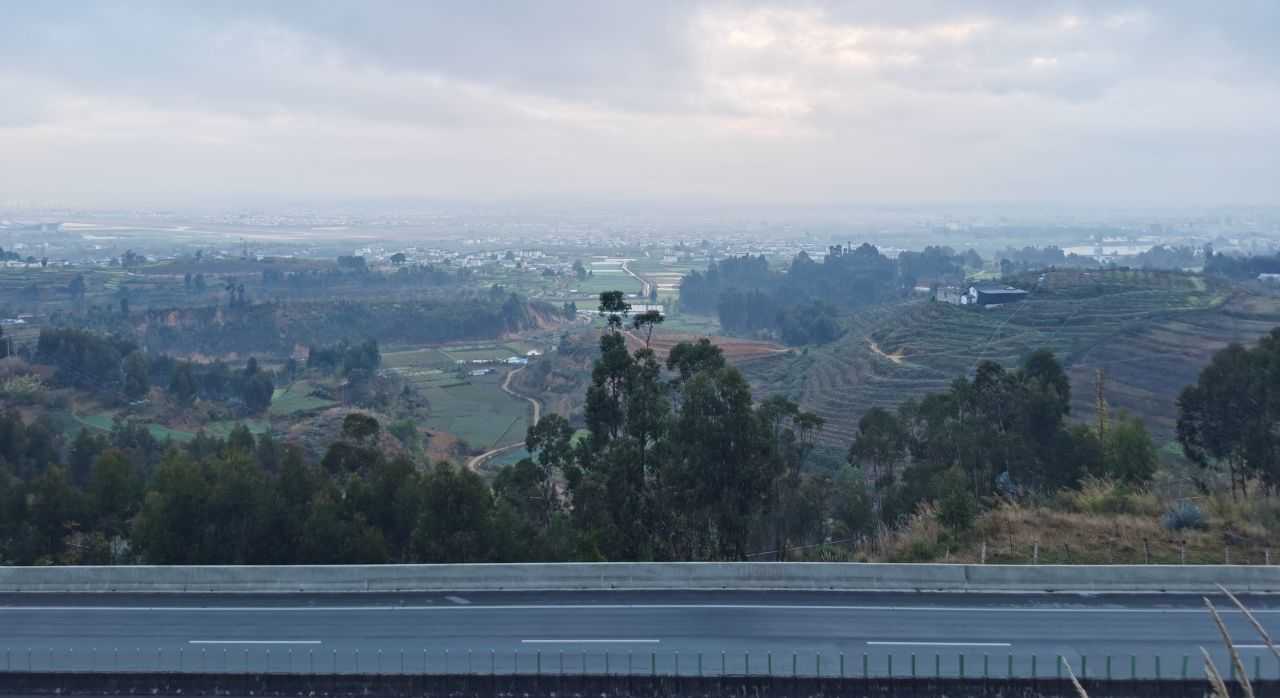
Ruili's attractions are lined up from west to east in a straight line, including One Village Two Countries (一寨两国), Jiegao Port (姐告口岸), and Moli Tropical Rainforest (莫里热带雨林). One Village Two Countries is a village on the China-Myanmar border where you can stand in both countries at once. Jiegao Port is a bustling hub for border trade. Moli Tropical Rainforest is a pristine forest with waterfalls, streams, and exotic plants that leave you in awe.
Mangshi
Mangshi is the capital of Dehong Prefecture and is rich in Buddhist culture. The Meng Huan Golden Pagoda (勐焕大金塔) and Silver Pagoda (银塔) are iconic landmarks—the Golden Pagoda is resplendent, while the Silver Pagoda is pure white. The Tree-Wrapped Pagoda (树包塔), Bodhi Temple (菩提寺), and Dai Ethnic Ancient Town (傣族古镇) are also worth visiting. The Ecological Pastoral Scenic Area (生态田园观光区) and Xinwanchang Night Market (新玩厂夜市) are great places to experience local life.
Practical Tips and Summary
- Self-driving is the best choice: The Tengchong Loop has scattered attractions, and driving offers the most flexibility. Renting a car costs about the same as joining a tour, but gives you much more freedom.
- Book accommodation in advance: Hotels and guesthouses in Baoshan, Tengchong, Ruili, and Mangshi should be reserved ahead of time, especially those in Heshun Ancient Town.
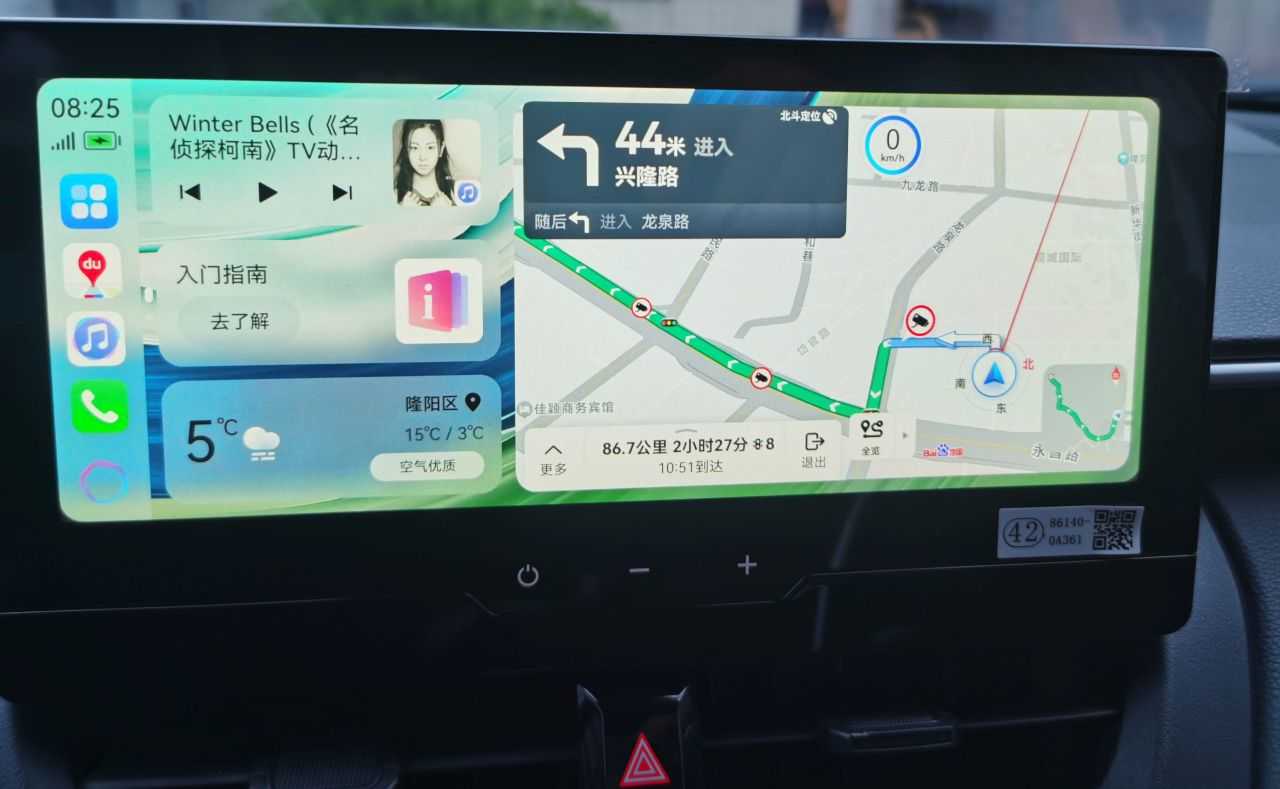
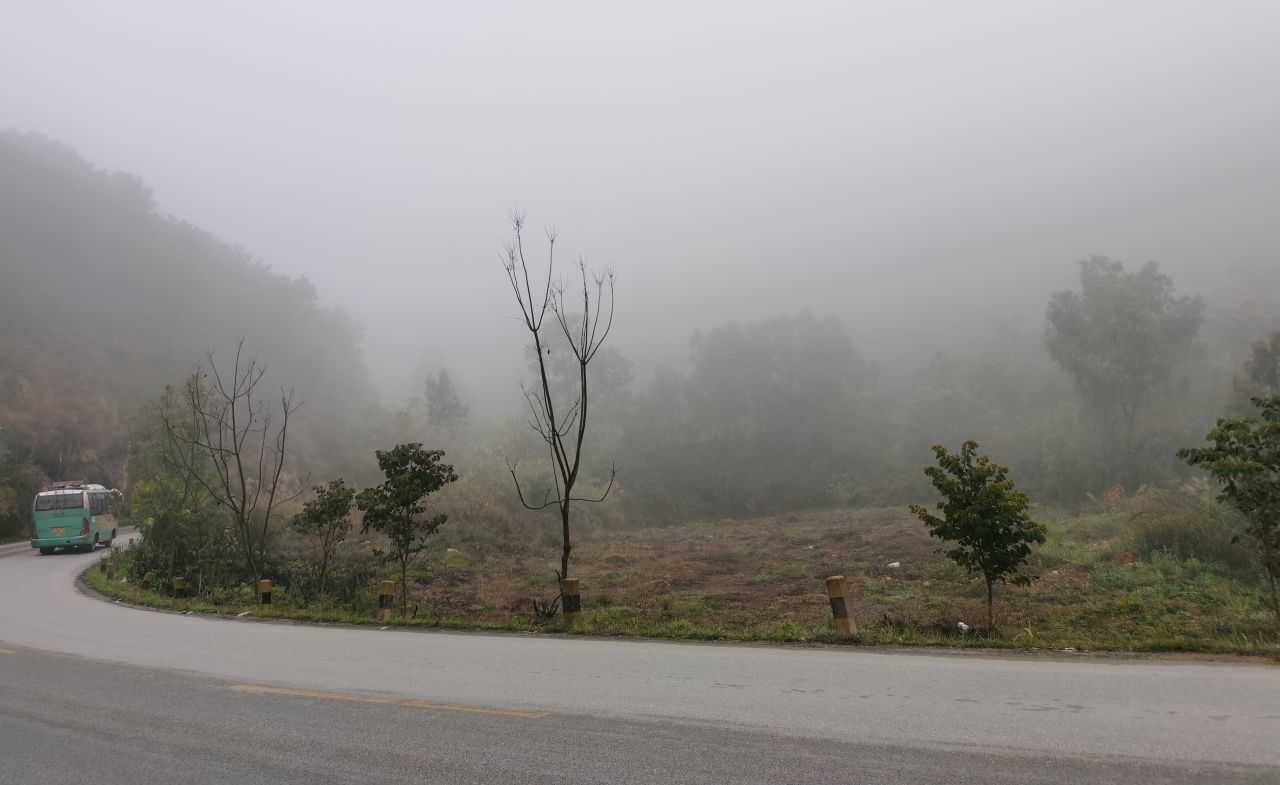
- Watch the weather: Western Yunnan is often foggy, especially around Gaoligong Mountain and Tengchong. Drive carefully.
- Tickets and timing: Activities like hot air balloon rides and grass rafting require queuing in advance. Opening hours may vary by season, so check beforehand.
- Be flexible in Ruili: Ruili's attractions are in a straight line and can be done in one day. If you're short on time, stay directly in Mangshi.
This trip to western Yunnan gave me a profound appreciation for the region's diversity and beauty. From the primeval forests of Gaoligong Mountain to the volcanoes and wetlands of Tengchong, and from the border charm of Ruili to the Buddhist culture of Mangshi, every stop was full of surprises. I hope this article provides you with practical guidance, helping you navigate western Yunnan with fewer detours and more ease and enjoyment.
You should also read:
Tengchong·Heshun: Finding Life as It Should Be in a Border Town Where Time Stands Still
Tengchong·Heshun: Finding Life as It Should Be in a Border Town Where Time Stands Still The long journey of over twenty days was over. On my first day back at the office, I was still in a daze. My fingers couldn't find the keys on…
Continue reading...
God’s Abandoned Palette: A Self-Drive Journey Through Yunnan’s Dongchuan Red Land
God’s Abandoned Palette: A Self-Drive Journey Through Yunnan’s Dongchuan Red Land Travel has never been about reaching some distant geographic coordinate. It’s about encountering, along the way, the version of yourself buried beneath the rubble of daily routine. During this May Day holiday, I finally…
Continue reading...
Two Girls' Graduation Trip: Dali and Shuanglang – A Poetic Farewell to Mountains and Sea
Two Girls' Graduation Trip: Dali and Shuanglang – A Poetic Farewell to Mountains and Sea Preface: Catching the Tail of Youth, Heading South During our senior year of college, my roommate and I – two girls studying in Beijing – decided to bid farewell to…
Continue reading...