Yubeng | The Mountain Is There, and I Walk Toward It
Yubeng | The Mountain Is There, and I Walk Toward It
Some places stir a longing in you just at the sound of their name. Yubeng, that hidden realm at the foot of Meili Snow Mountain, is exactly that kind of place for me. Not because it's some internet-famous hotspot, but because—the mountain is there, and I wanted to go see it.
As a total hiking beginner, my first high-altitude trek was to Yubeng. I didn't have much experience—just raw courage and a restless heart ready to move. If you're also a newbie hiker like me, this article might give you some real, practical guidance.
Pre-Departure Prep: A Beginner's Gear Guide
To be honest, I bought almost all my gear at the last minute. If you're a newbie, these tips might save you some trouble:
Trekking Poles: Essential. One pole is enough for the Ninong route and the Divine Waterfall Trail, but for the Glacier Lake Trail, I strongly recommend bringing two. Don't ask how I know—my knees are still crying.
Clothing: Whatever you do, don't wear cotton as your base layer! Once you're soaked in sweat, you risk hypothermia, and that's no joke at high altitude. In September in Yubeng, a softshell jacket is enough for the trail—you probably won't need fleece along the way. Of course, the weather is unpredictable, so flexibility is key. Yoga pants or long athletic socks are great choices—comfortable and easy to move in.
Shoes: This is the most important item. They absolutely must be extremely slip-resistant! Especially on the Glacier Lake Trail—after rain, the trail gets so slippery it makes you question your life choices. Here's a hard-learned lesson: never step on tree roots! Don't ask how I know—the answer is one painful butt-landing.
App: Some sections have no signal, so download offline routes on "Two Steps" (两步路, a hiking app) in advance. That said, the Divine Waterfall and Glacier Lake trails are very well-established—you just go back the same way you came, and there are supply stops along the route, so don't worry too much.
Other: Bring insect repellent. Watch out for those cute but potentially prickly little squirrels and wasps along the way.
Kunming: Coming Back Again for a Bowl of Mushrooms
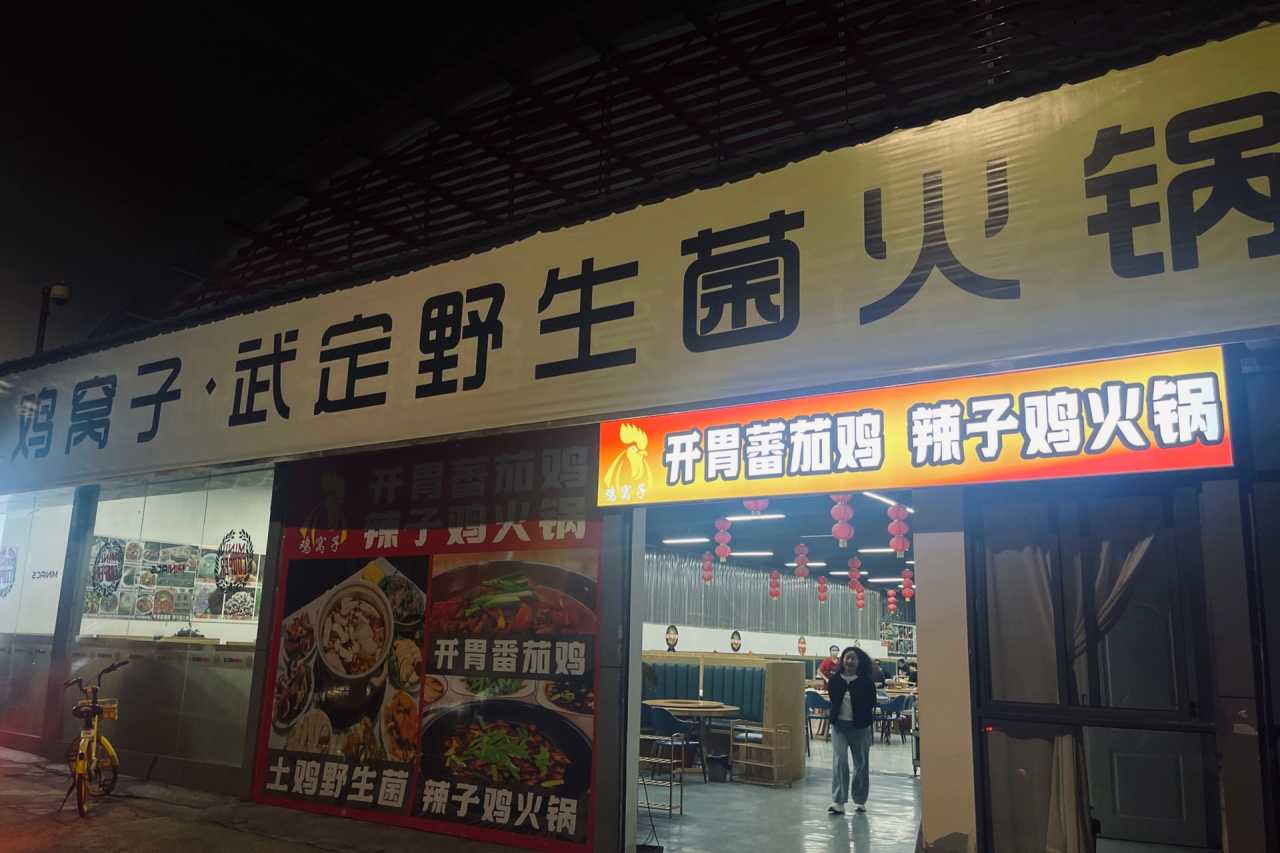
September in Kunming is wild mushroom season. I've visited Kunming many times, but this time I finally timed it right. As soon as I landed, I headed straight to a friend's recommendation: "Chicken Nest · Wuding Wild Mushroom Hotpot" (鸡窝子·武定野生菌火锅).
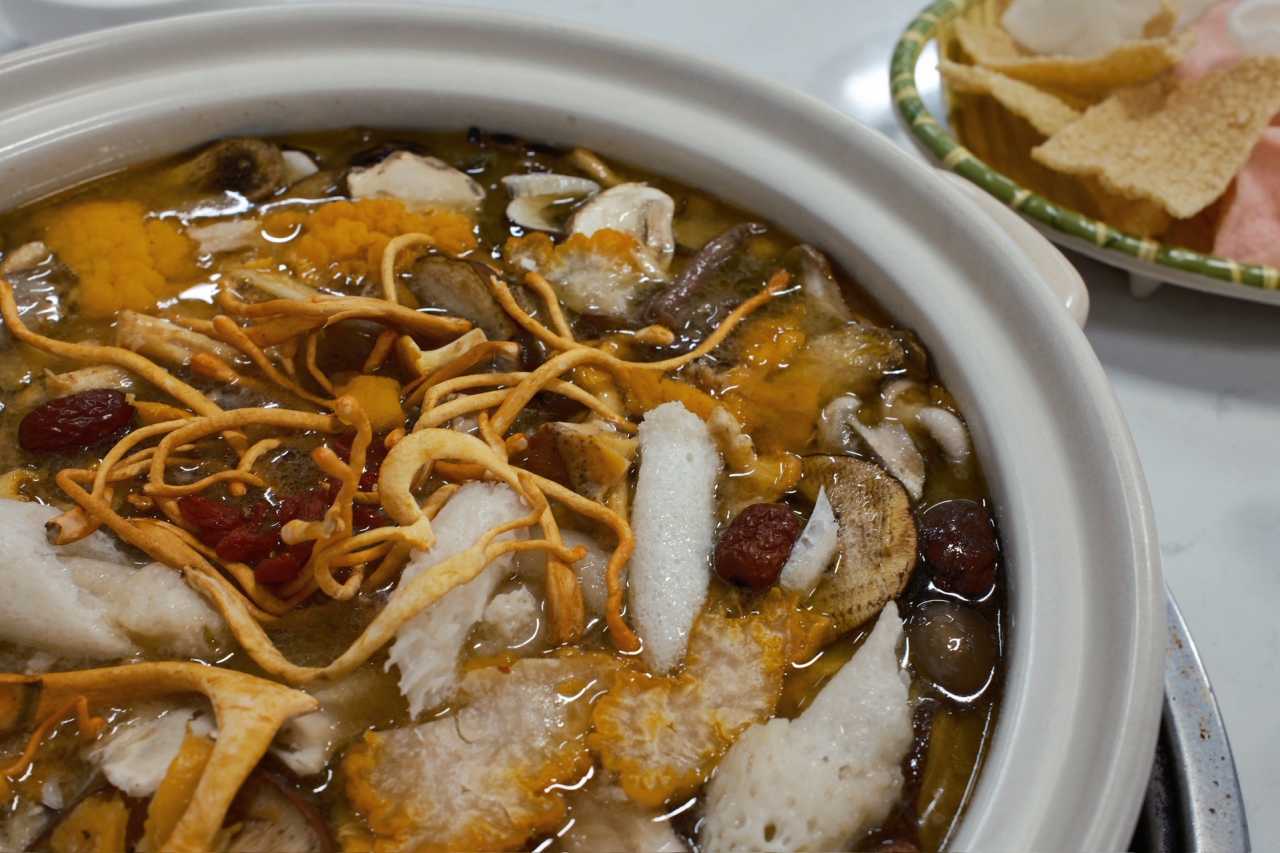
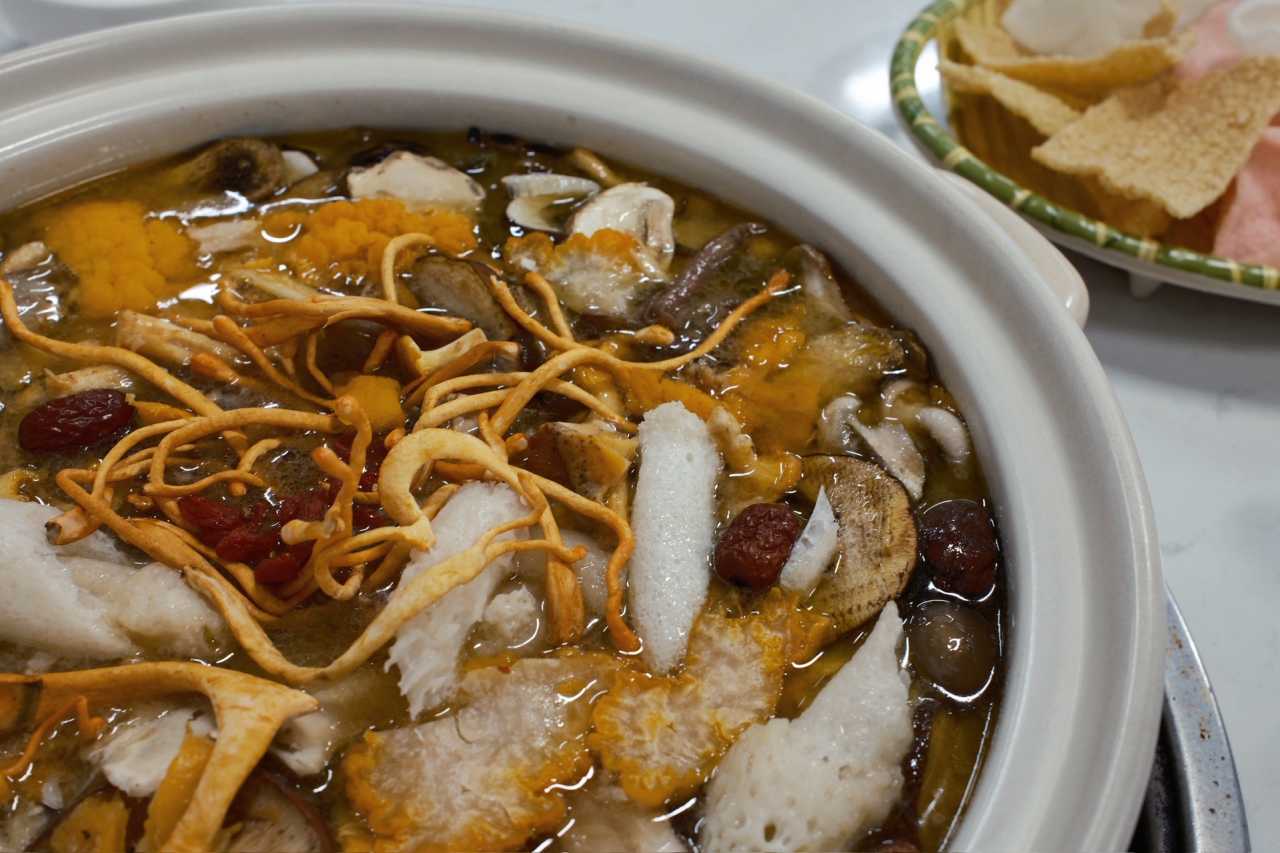
When the mushroom pot arrived at the table, it came with a little timer. The scenes from food documentaries finally became real for me: once the pot boils, you start the timer—20 minutes and 30 seconds, not a second less. When the time's up, dig in. The first sip of broth was so umami-rich it made my eyebrows dance.
I finally got to try 见手青 (jian shou qing, a type of wild mushroom that turns blue when bruised), which the locals call red scallion (红葱). This delicacy? I wouldn't dare try it anywhere outside Kunming. The 牛肝菌炒饭 (porcini mushroom fried rice), the mushroom-stuffed steamed dumplings, and a huge plate of fresh bamboo fungus for just 10 yuan—not a single miss, every dish was delicious.
"Up the Hill for Tea" (上山喝茶) is a Kunming landmark for a reason. How good is it? Later, when we transferred through Kunming Airport on our way back to Shanghai, we still ordered a cup there. Even more surprising were their merchandise items—I'm still buying them online from home now. I simply can't quit.
Kunming to Shangri-La: A Painting Unfolding Along the Railway
Breakfast was 小锅米线 (small-pot rice noodles) and 烧饵块 (grilled rice cakes). I packed my emergency milk tea and snacks were already bulging in my bag. Time to head out—Shangri-La, here we come!
The Lijiang-Shangri-La Railway (丽香铁路) opened at the end of 2023, cutting the journey from Kunming to Shangri-La from 7.5 hours down to 4.5 hours. Every single frame along the way looked like a perfectly composed painting. When you've got scenery like that keeping you company, time flies.
By 3 PM, we arrived at Shangri-La Station. The sky on either side was completely different—one side was clear and sunny, the other heavy with clouds. Here, I met up with my friends from Sichuan.

We stayed at "Cloud Ravine · Pine Moon Oxygen-Rich Guesthouse" (云涧·松月富氧民宿), perfectly located right at the entrance to Dukezong Ancient Town. After settling in and resting up, everyone was feeling fine—if we were okay in Shangri-La, we'd probably be fine in Yubeng too.
We still had time, so we hopped on a local bus to Songzanlin Monastery. Temples in Tibetan regions always have a way of cleansing the soul. We wandered unhurriedly, letting our hearts slow down and soaking in the present moment.
For dinner, we went to a yak hotpot place recommended by our guesthouse host. I personally love Tibetan yogurt—the kind that's pure sour, eaten with sugar—but my travel buddy couldn't get used to it. When we asked the owner if they had any matsutake mushrooms, he fried some up for us, seasoned only with a pinch of salt after cooking. The finest ingredients truly need the simplest preparation.
Since we were already there, we had to wander through Dukezong Ancient Town. The golden roof of the Great Buddha Temple, the giant prayer wheel, and the view of Moonlight Square from Tortoise Mountain Park—every spot made us want to linger.
Feilai Temple: First Glimpse of Meili Snow Mountain
Before leaving, I arranged a private driver online to take us from Shangri-La to Ninong. Originally, I planned to stay overnight at Feilai Temple, but when the driver found out I just wanted to see the sunrise over the golden peaks (日照金山), he suggested we didn't need to waste a night there—just leave an hour earlier on the day we headed to Ninong and make a quick detour to Feilai Temple.
Looking back, I think the driver figured we probably wouldn't see the golden sunrise anyway. But my luck—usually nothing special—somehow always shows up when I'm traveling.
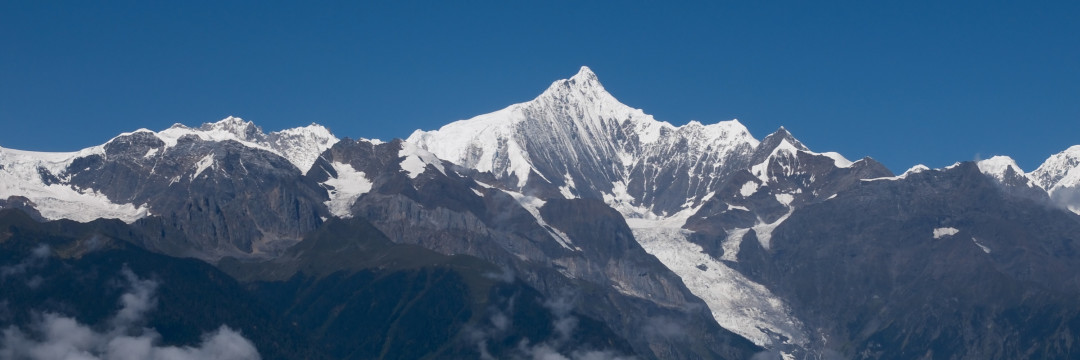
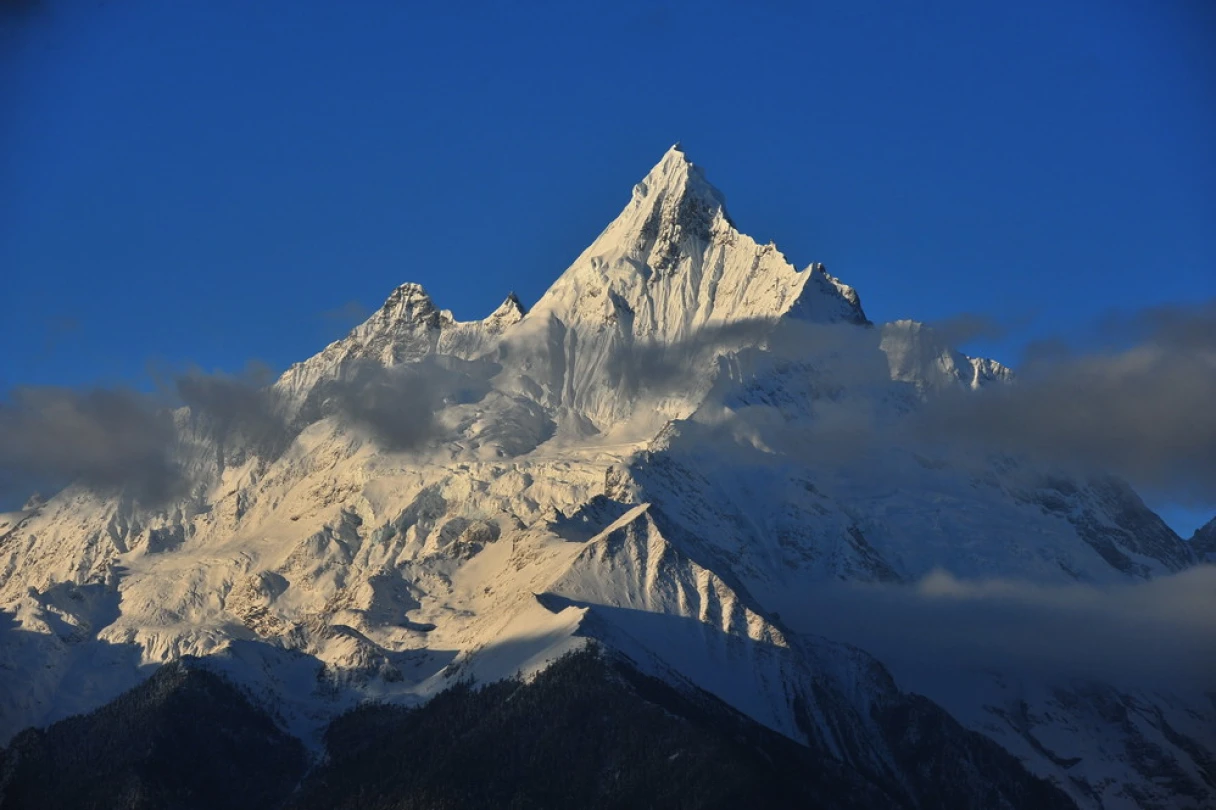
When I saw Meili Snow Mountain from inside the car, I started snapping photos frantically through the window. Sure, there was lots of noise in the images, and the glass wasn't exactly clean, but when I sorted through the photos later, I couldn't bring myself to delete a single one. That day, the driver kept saying it was the best weather they'd had in two months. So our Yubeng trip began with a view of Kawagebo Peak and Goddess Peak.
The Meili Snow Mountain I captured from Feilai Temple—Kawagebo Peak standing majestic and towering, Goddess Peak delicate and beautiful. In that moment, all my anticipation transformed into pure awe.
Ninong to Lower Yubeng: My First Hike, Baptism by Despair Slope
If you don't detour to Feilai Temple, the drive from Shangri-La to the Ninong parking lot takes about 4 hours. We left at 7 AM, spent some time at Feilai Temple, and arrived at the Ninong parking lot—the starting point for entering the village—at noon.
Important reminder: Pack as light as possible! Always remember this when traveling: "We're here to experience the journey, not to suffer for no reason." Before we left, I read online that luggage transport into and out of the village is rough on bags, often damaging suitcases. So we left our suitcases at the guesthouse in Shangri-La, packed our clothes into one large duffel bag, and had local villagers carry it into the village at the entrance—that was the best lightweight solution I could think of.
At 12:30 PM, my first real hike officially began. Right from the start, it felt like the trail was trying to humble us—a continuous climb just to reach the ticket booth (entry fee: 55 yuan per person). After the ticket booth, the path was a mix of flat sections, despair-inducing slopes, and small climbs.
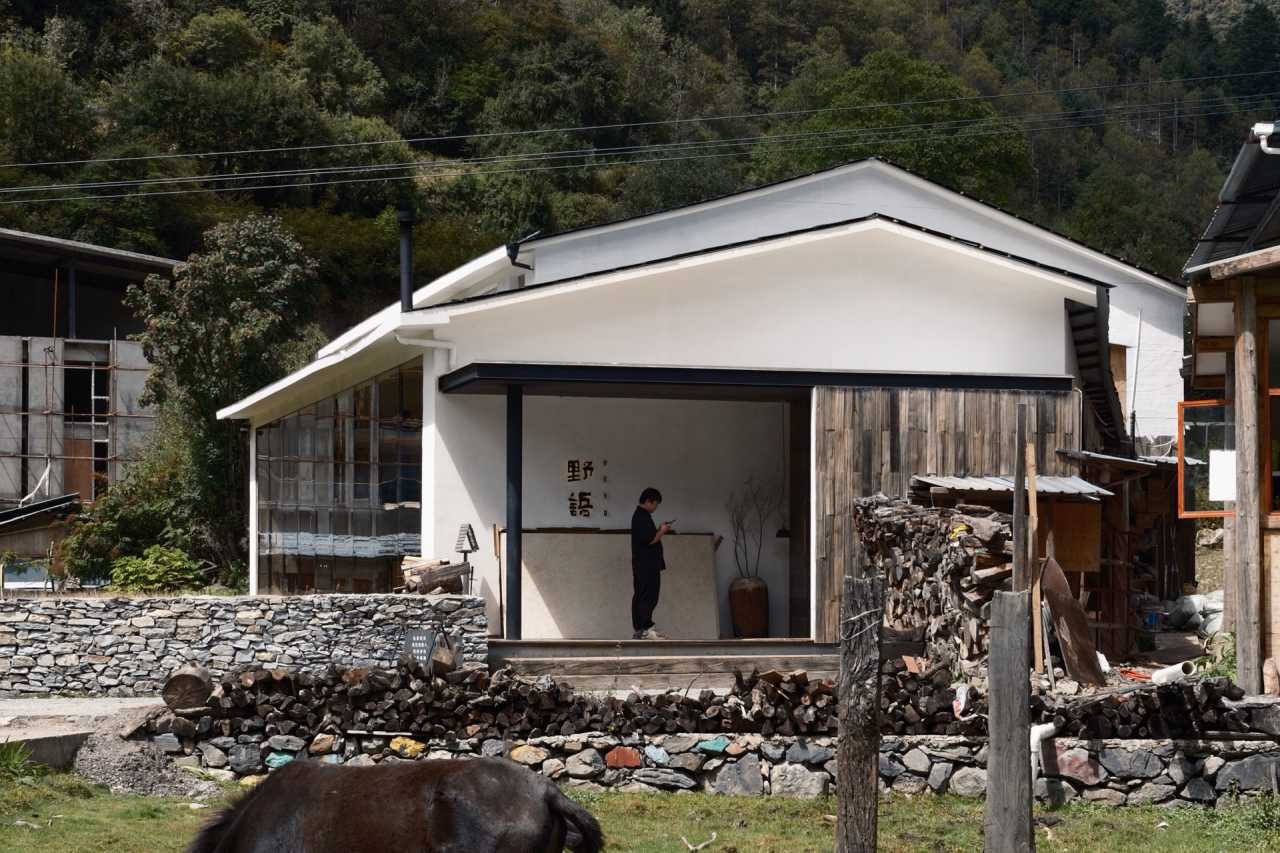
When I reached the first rest stop and looked back at my photos, I realized that the dog I'd seen at the entrance was the same one that would later guide me up the Despair Slope on the Divine Waterfall Trail. I'm the kind of person who buys grilled sausages at scenic spots, and at the Secret Realm Inn (秘境客栈), I managed to grab the last sausage of the day—what luck!
After that rest stop came the legendary Village Entry Despair Slope—section after section of steep climbing. But look—there's a rainbow! The entire route into the village followed a waterfall, and the combination of sunlight and water gave us something to make wishes on. I'm sharing that good luck with you, dear reader, right now.
Along the way, I heard so many words of encouragement: "Keep going!" "Almost there!" "Just ten more minutes!" "Half an hour!" Even though it was a concrete road with brutal climbs, the scenery was absolutely stunning. The total distance was 13.5 kilometers, and it took us 6 hours and 40 minutes. For a hiking beginner, that's seriously impressive. This is pretty much the ceiling of difficulty for a novice hiker.
We stayed at "Silent Heart Retreat" (止语心舍) in Lower Yubeng. From our window, we could see Goddess Peak. This was the only evening golden-hour view we caught in Yubeng—the tip of Goddess Peak glowing like gold. The snow-capped mountain outside the window looked like a cotton candy with a snowy topping, while inside, we collapsed in exhaustion.
I'm not sure if it was because "Cangmu Restaurant" (苍木餐厅) was genuinely good, or because extreme exhaustion had my hunger taking over my brain, but that night's dinner tasted exceptionally delicious.
Lower Yubeng: A Day as a Village Bum
The morning's golden sunrise—we threw on our jackets without even washing up and stepped outside to enjoy it. We brought our unkempt little green doll along too, sharing in the peace.

A day as a village bum starts with a bowl of rice noodles, loaded up with toppings until it's practically a feast. Then, I clocked in for a shift at the foot of the snow mountain—those photos I'd seen online countless times? Finally, it was my turn to take them. Outside the window, there were cows, horses, and plenty of "oxen and horses" (a playful Chinese pun for "overworked people"). Not wanting to waste the beautiful weather, we headed out for a stroll.
Almost immediately, we ran into the most relaxed village uncle I've ever seen. I said, "Can I take your photo?" He replied, "Alright, I'll strike a pose then."
At "Hidden Mountain Wild" (藏山野), the coffee was good, the desserts were tasty, and the文创 (cultural creative merchandise) was worth buying. The cats and dogs here were all free to roam. Turns out, I was seeing the dog guide every day! Today, I found him napping under a tree by the white pagoda in Lower Yubeng. Life's getting good—after a meal, we even got a card game going.
Divine Waterfall Trail: Holy Water Cleansing, Breaking Through Obstacles
Ready for the Divine Waterfall Trail. It started with a bowl of mediocre, stripped-down rice noodles. The white pagoda in Lower Yubeng marks the trailhead. The mules at the village entrance were all dolled up beautifully.
On the way up, we took plenty of "detours," picking up mushrooms we thought were safe but turned out to be poisonous. When we showed them to the restaurant owner back in the village, he was horrified and kept asking, "You didn't taste any of these, did you?" The only non-poisonous one—wild matsutake—we didn't pick at first, and when we went back to look for it, it was gone. Some things are simply "meant to be yours or not, no point forcing it."
The Divine Waterfall Trail was easy—paved with stone slabs the whole way. I cupped a handful of holy water, hoping to wash away all obstacles. Along the way, I saw mist rising from the waterfall's direction and recorded a 30-minute time-lapse. Even now, watching it still gives me chills.
The mules near the rest stop were adorable. Little Black had a packet of corn kernels hanging from its ear, munching away happily. Little Khaki was a total eyelash beauty. So did Yunnan stocks go up? Maybe because I touched a cow?
On that final stretch of steps just before reaching the waterfall, the dog guide led the way. They say that those who get wet by the holy water will receive the blessing of Kawagebo.
On the way back, we rested at the supply stop and tried the legendary egg-fried rice—absolutely, incredibly delicious! The buttered barley cake was great too, and I regretted not ordering a bowl of yak milk to go with it. The afternoon sunlight filtered through the trees in scattered patches. With my earphones in, listening to my favorite music, even the solo stretches of the walk felt enjoyable. The mule hoof prints on the stone slabs were just adorable.
Back at the guesthouse to rest, we set out again lightly for Upper Yubeng. I saw the dog guide again—this time while waiting for a ride to Upper Yubeng. Dog cuddles, dog summit talks.
It's only a one-kilometer walk from Lower to Upper Yubeng, but we still chose to take a pickup truck. We played a Tibetan praise song to ease the tension of being so close to the cliff edge. Our friends had already arranged dinner in Upper Yubeng, so after checking in at "Interval Time" (间隔时光), we headed to the Snow Camping Base (雪悟露营基地) to meet them. In that moment, it was pure relaxation, pure freedom, pure enjoyment. I love this atmosphere so much.
Upper Yubeng: Another Day as a Village Bum
We'd planned a slow, relaxed schedule—hike one day, rest the next—and looking back, it was a brilliant decision. We slept in and went out to find food, only to realize most places in the village weren't serving lunch. So we ended up at last night's camping base, where the owner's dad personally cooked us a few dishes. I have to give a shout-out to the barley flatbread (青稞饼).
After eating, we met up with friends who were taking a rest day in the village and played cards. Around dinner time, the friends who'd taken the Niseqie Glacier Lake route returned, bringing along a guy from Chongqing to join us for tomorrow's Glacier Lake hike.
Glacier Lake Trail: The Ultimate Challenge for Hikers
The red wall of Yubeng marks the starting point of the Glacier Lake Trail. Unlike the Divine Waterfall Trail, there are no stone slabs here—except for one viewing platform with steps at the Xiaonong Pass.
Halfway there, I turned around and spotted A Xing—a hiker whose videos I'd been watching online before the trip. And there was a legendary pro, hiking with nothing but a single walking stick (a thick tree branch). I also saw a squirrel here, but I'd advise against getting too close—a girl got scratched by one just two days before we arrived.
This is the kind of trail hikers dream of. Absolutely breathtaking—it's a glacier, the Mingyong Glacier!
The final stretch of Despair Slope to the summit was brutal both ways—climbing up was miserable, and descending was just as bad. It was almost entirely large boulders to scramble over. Important reminder: The Glacier Lake Trail is at high altitude, reaching nearly 3,900 meters at the top. There's lots of rain at this elevation, so you absolutely need slip-resistant shoes—especially for the descent. My one and only butt-landing of the entire hike happened right here.
On the way down, we rested at a supply stop. This time, I finally had yak milk, along with a piece of bread crust the owner gave me. The pure-meat grilled sausages here were 8 yuan each—really reasonable. I borrowed the owner's stove to grill my own canned luncheon meat.
Dragging my legs back to the village, I finally got to eat the Cantonese food I'd been craving. The roast goose was delicious, a friend at the next table recommended the tomato and egg stir-fry which was great, the beef meatball soup was tasty, and the plain white rice was the best thing ever.
After dinner, we headed back to the guesthouse as heavy rain started. Once I'd recovered from this hike, I felt like I'd leveled up: "If I can finish this, what can't I do?"
Waiting for the rain to stop at the guesthouse, I ran into the resident dog manager, Erlang, who came back soaking wet—an adorable sight. Since we had to switch guesthouses that night, I'd hoped the rain would let up, but it only got worse. Then came the experience of walking through a storm in the dark... and taking the wrong turn.
Lower Yubeng: Back Again
Waking up at "Youlan Guesthouse" (游澜民宿)—this view was just stunning! Even though thin clouds partially hid the mountain peak, the faint silhouette of Goddess Peak had its own charm.
We had a late breakfast/lunch at Meili Snow Restaurant, drank tea for an afternoon, worked on a draft, and started writing this travelogue. Around 3 PM, we took a pickup truck back to Lower Yubeng. Passing by a guesthouse, we saw a dog standing guard—he looked so proud, radiating that confidence unique to village dogs. Though the next morning, I saw him getting ganged up on by three other village dogs.

Back at "Silent Heart Retreat" in Lower Yubeng, returning to familiar surroundings made me feel incredibly relaxed. I organized my things for tomorrow's departure and treated myself to an afternoon snack. That coffee I'd wanted since first arriving in Yubeng? Finally had it. Cangmu's highland barley latte, sitting in the restaurant with the sun pouring in—at that moment, I could forgive everything wrong in the world.
I chatted with the young guy working at the shop for a while: "What do you think about travel? Where have you been? How did it feel?" On the road, I really enjoy these kinds of sharing conversations. Talking with willing strangers I meet along the way—people from all walks of life—counts as an extra bonus of the journey.
We stayed in the village long enough to eat at almost every restaurant. And thank goodness we stayed that long, or we would have missed "Gesang Yunlang Restaurant" (格桑云浪餐厅)—in my opinion, the best set meal place in Yubeng. The owner's last cup of Hong Kong-style milk tea was absolutely divine. And the book I randomly picked up in the shop was surprisingly interesting.
Lower Yubeng to Ninong: Trotting Out of the Village
After breakfast at Hongyun Restaurant (宏运饭店), we prepared to leave. We packed half a grilled barley flatbread and set off. It took us 6.5 hours to enter the village, but only 3.5 hours to exit. Maybe it was because of the conditioning from the previous days, or maybe it was the slip-resistant shoes (I highly recommend Kailas—go buy a pair!), but we actually experienced what others call "trotting all the way out of the village." I can't help but praise myself again—we were really amazing!
The flowers on the cliffside were still blooming, and the Lancang River still looked like hot chocolate. The temporary tattoo stickers I'd prepared finally got their moment on the last day.
Gege's Place (格阁家) at the Ninong parking lot was practically our base camp for coming and going. The bus also stopped and departed from here. After chatting with the owner of Xiangxuehai Inn (香雪海客栈) in Upper Yubeng, he not only helped us find someone to transport our luggage out of the village but also waived our baggage storage fee at Gege's. Once we got to Gege's and had a bowl of mushroom and pork slice rice bowl, I was nothing but content.
End of the Trip: To Be Continued
Ninong → Shangri-La → Kunming transfer → Shanghai. And yes, we spent the night at Kunming Airport—a new travel experience. My honest review: if I have a choice, there won't be a next time.
That day, she celebrated her birthday at 3,655 meters above sea level. September 16th—the day of the Divine Waterfall hike. Happy birthday, little Gan.
On the Matter of Food
During our days in Yubeng, we ate at almost every restaurant in the village:
Cangmu Restaurant (苍木餐厅): One dinner, one coffee session, and a chat with the young guy working there.
Hidden Mountain Wild (藏山野): One afternoon tea session. The shop is a renovated traditional Tibetan old house, preserved and adapted in situ, combining a café, restaurant, desserts, house-started sourdough bread, a cocktail and whiskey bar, a Yunnan wine bar, and a cultural merchandise store.
Snow Camping Base (雪悟露营基地): One dinner, one lunch, and an afternoon of card games. The owner, grilling skewers by the fire in full Chanel, still owes us a serving of watermelon.

Jue Se Butter Tea (觉色酥油茶): One dinner, where we successfully teamed up with the Chongqing guy for the Glacier Lake hike. When ordering, we were warned that everything was freshly cooked and they wouldn't accept rush orders—only if you're on slow, unhurried time can you order with peace of mind.
Meili Snow Restaurant (梅里雪餐厅): Borrowed the space for a card game, had one breakfast and one lunch, and spent an afternoon drinking tea and chatting with the owner for a long time. The owner helped us find someone to transport our luggage to Ninong, and since Gege's Place in Ninong is also under their management, they waived our baggage storage fee. This travelogue was started right here.
Faraway Home (远方的家): One dinner. The day before, I'd wanted to eat the roast meats for lunch, but the owner refused, saying they didn't cook lunch. On the night we returned from Glacier Lake, we finally had roast goose—who understands the joy of eating Cantonese food in the mountains?
Gesang Yunlang Restaurant (格桑云浪餐厅): One dinner. The owner was from Guangdong or Hong Kong? I'd call their set meals the absolute best. Tomato beef brisket rice, curry pork chop rice, braised pork rice—every single bowl was delicious, not a single miss. I had the owner's last cup of Hong Kong-style milk tea—absolutely incredible! I really regret not coming here earlier; I could have had one more meal.
Sun Moon Star Inn Restaurant (日月星客栈餐厅): One dinner—decent Sichuan-style stir-fries. I heard this inn has been around for over 20 years, one of the earliest hostels in Yubeng.
Hongyun Restaurant (宏运饭店): One breakfast, then we left the village.
Final Thoughts
The mountain is there, and I walked toward it. Along the way, there was the sweat of Despair Slope, the holy water of the Divine Waterfall, the awe of Glacier Lake, and the leisurely pace of a village bum. There was the company of a dog guide, the encouragement of strangers, the laughter of friends, and the peace of solitude.
What Yubeng taught me wasn't how to conquer a mountain, but how to be with myself. At over 3,000 meters above sea level, at the foot of a snow mountain, under the stars, I found a long-lost sense of calm.
The journey is to be continued. Next time, I'll bring a better version of myself to meet more mountains—and more of myself.
You should also read:
Entering Shangri-La, Meeting the Snow Mountain God—Meili
Entering Shangri-La, Meeting the Snow Mountain God—Meili Before setting foot on this land, I had pored over countless photos taken by seasoned travelers—those majestic snow-capped peaks, the azure skies, the prayer flags fluttering in the wind. They had already painted vivid images in my mind.
Continue reading...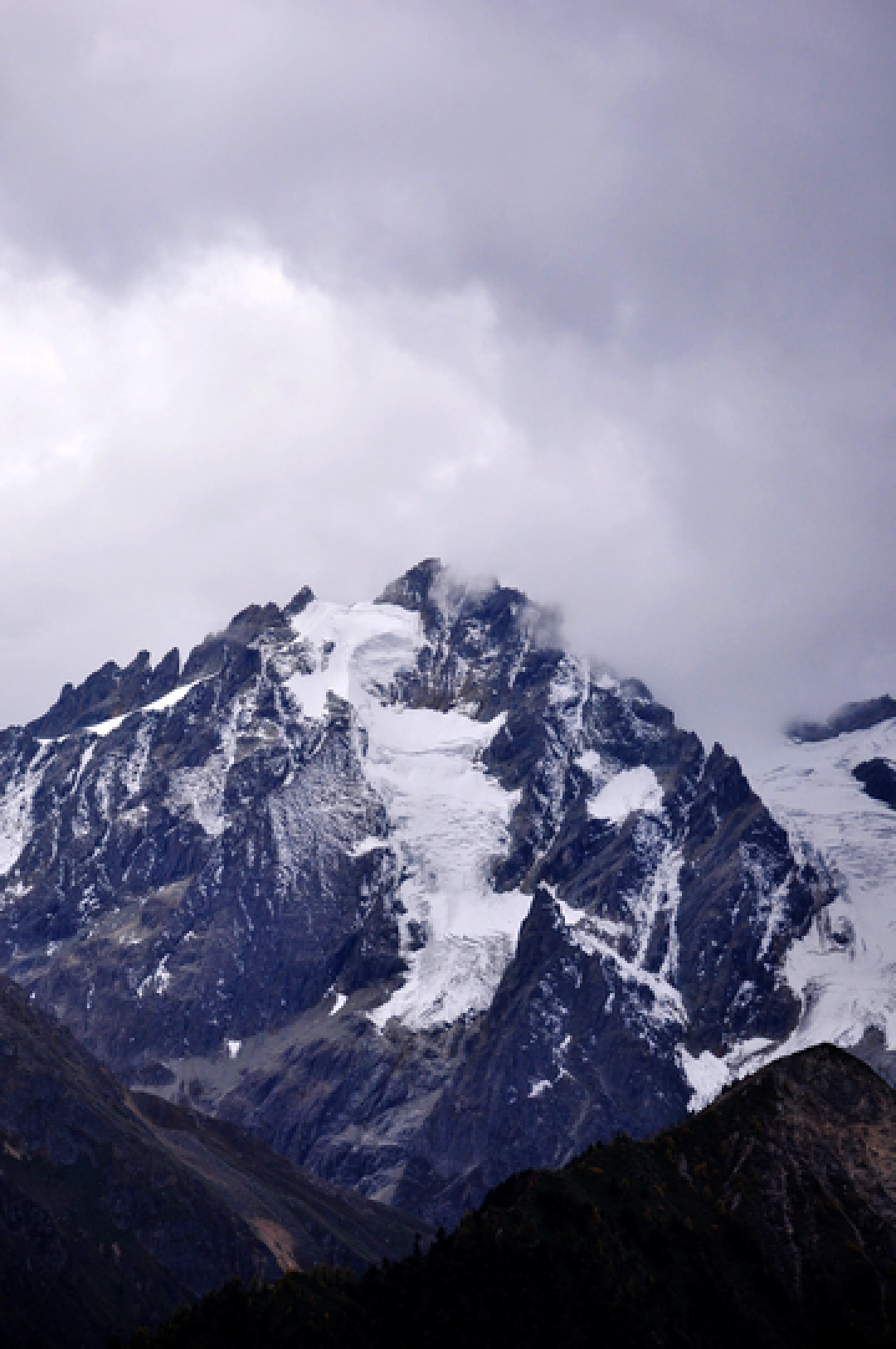
Meili Snow Mountain: A Soulful Journey of Dialogue with the Sacred Mountain
Meili Snow Mountain: A Soulful Journey of Dialogue with the Sacred Mountain Prologue: When Travel Becomes Faith Some journeys are forgotten as soon as they end. Others carve themselves into your bones. The trip to Meili Snow Mountain belongs to the latter. Waking up in…
Continue reading...
A 9-Day Yunnan Journey: From Lijiang to Dali to Tengchong – A Trip Toward Self-Reconciliation
A 9-Day Yunnan Journey: From Lijiang to Dali to Tengchong – A Trip Toward Self-Reconciliation Some say travel is simply going from a place you're tired of to a place other people are tired of. It stings to hear, but it's painfully true. Yet there's…
Continue reading...