Yubeng Trek: Step by Step Toward Freedom, Toward the Horizon
Yubeng Trek: Step by Step Toward Freedom, Toward the Horizon
Prologue: When "Heaven" and "Hell" Shake Hands
On an early winter morning, when the first rays of sunlight pierced through the clouds, painting the peaks of Meili Snow Mountain in gold, I stood at an altitude of over 3,000 meters and suddenly understood the true meaning of that saying: "Heaven is on the left, Yubeng is on the right."
This isn't a poetic exaggeration—it's a tangible physical experience. Your eyes feast on heavenly grandeur while your legs endure what feels like hell itself.
But strangely enough, it's this very contradiction that drives countless people to set foot on this land. We're not here to conquer anything; we're here to be conquered—by the snow mountains, by our own limits, and ultimately, by something called "freedom."
Pre-Departure Anxiety and Anticipation
From a Group of Four to a Seven-Day Miracle
Earlier this year, a friend sent me a set of photos from Yubeng. Those images captured snow-capped peaks, dense forests, a hidden village, and an indescribable quality—a sense of isolation and tranquility that sparked an urge to escape the chaos of city life.
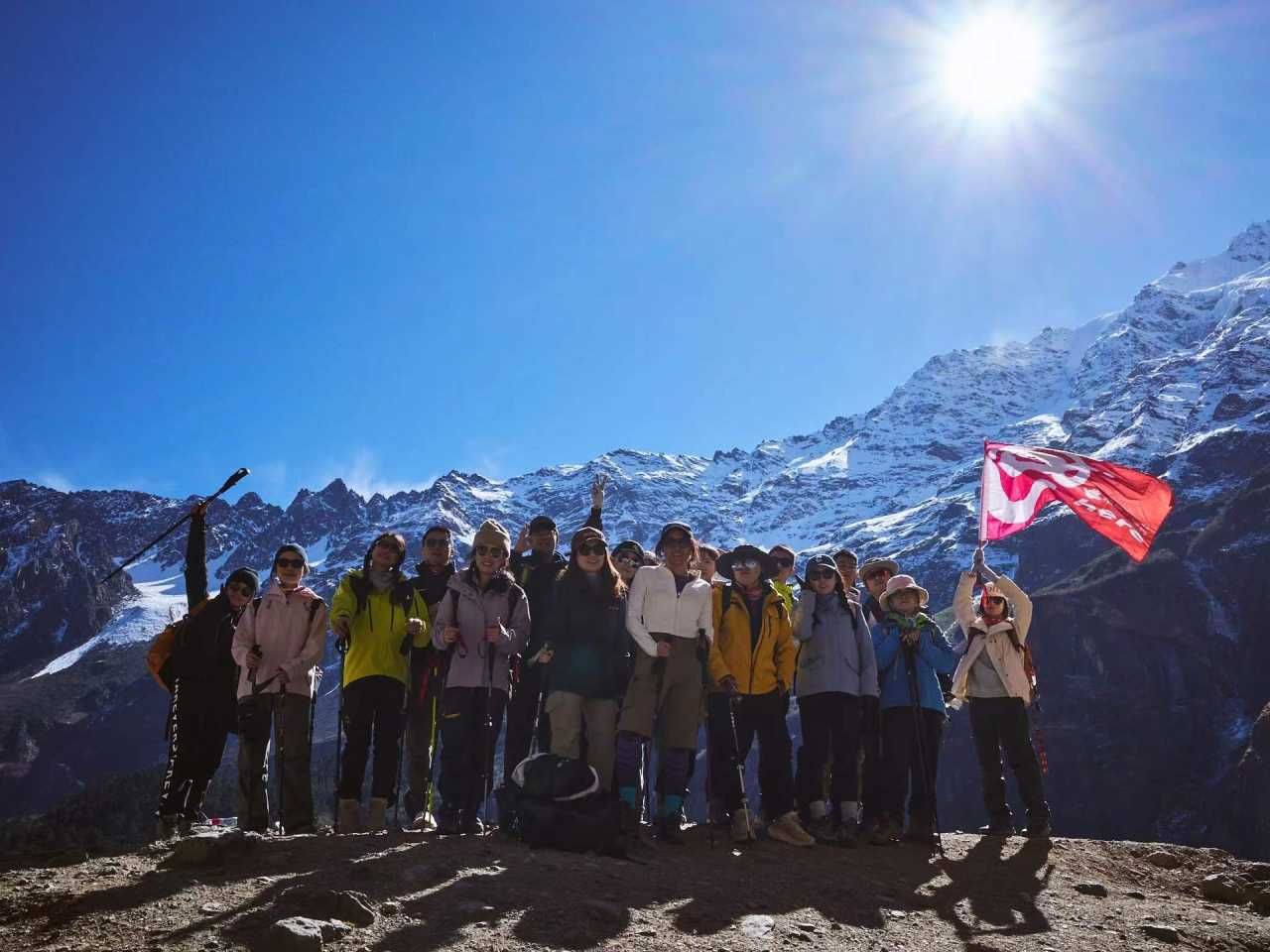
But hesitation followed the impulse. Trekking over ten kilometers daily, altitude sickness, unpredictable weather—these thoughts lingered like dark clouds overhead. In the end, the four of us "die-hards" decided to sign up with the Strawberry Travel group, embarking on a seven-day, six-night journey to experience this "eyes in heaven, body in hell" adventure.
The days leading up to departure weren't easy. Our flights were canceled and rebooked, and the fear of altitude sickness shadowed us. But isn't that the nature of travel? The first thing it teaches us is to embrace uncertainty.
Pre-Trip Preparation: The "Lifesaving" Gear You Must Bring
If you're also a trekking novice, remember this: Good gear isn't a luxury—it's a necessity.
- Hiking boots/trekking shoes: This is the most important piece of equipment, bar none. A good pair protects your ankles and prevents sprains on rocky terrain.
- Trekking socks: Don't underestimate them. Thick socks reduce friction between your feet and shoes, preventing blisters.
- Buff/head scarf: Far more practical than a mask—it provides sun protection, blocks dust, and keeps your neck warm in cold weather.
- Trekking poles: Remember to remove the plastic tips at the bottom before you start; otherwise, they'll slip on muddy or gravelly paths.
- Thermos: At high altitudes, nothing beats a sip of hot water.
- Cash: Signal is unreliable in the mountains—cash is king.
Day 1: From Shanghai to Shangri-La, a Journey Across a Thousand Miles
Flying Over the Clouds, Arriving at the Plateau
On November 11, we departed from Shanghai Hongqiao Station. After a three-hour flight to Kunming Changshui Airport and another hour-long connection, we finally landed at Shangri-La Diqing Airport around 8 p.m.

The moment I stepped off the plane, the tightness in my chest arrived as expected. I slowed my pace, reminding myself: the first lesson of adapting to high altitude is learning to "slow down."
The Shangri-La Hotel was a short 15-minute taxi ride from the airport. After dropping off our luggage, we gathered in the lobby to meet our fellow travelers. Our guide, Kang Jiu—a woman who seemed carefree but was actually meticulous—gave us a brief introduction and went over altitude precautions: on the first day, try not to shower or wash your hair.
But I couldn't resist. After a hot shower, I pulled back the curtains and gazed at the mountain view outside the window. This, I thought, is Shangri-La.
Day 2: Heading West, Racing Toward Feilai Temple
Napahai Lake, the Jinsha River Great Bend, and Dongzhulin Monastery
Day two took us from Shangri-La to Feilai Temple. The scenery along the way unfolded like a slow-revealing scroll.

Napahai Lake is a seasonal natural lake fed by eight small mountain streams. Standing by its shore, watching the distant snow mountains reflected in the water, time itself seemed to slow down.
The Jinsha River Great Bend lies at the border between Benzilan Town in Deqin County, Yunnan, and Zigeng Township in Derong County, Sichuan. Here, the Jinsha River makes a dramatic U-shaped turn, coiling through the valley like a giant dragon. From the observation deck, you can't help but marvel at nature's craftsmanship.
For lunch, we sampled a local specialty—bamboo tube fish (fish steamed in bamboo tubes). The broth was rich and fragrant, carrying a subtle hint of bamboo that lingered on the palate.
In the afternoon, we followed a local guide to visit Dongzhulin Monastery. Built in 1667, its original name was "Chongchongcuogangsi," meaning "Temple by the Crane Lake." Inside, we personally offered a butter lamp, praying for a safe journey ahead during our mountain circumambulation. A senior monk also gifted each of us a bottle of energy drink, blessing our upcoming trek.
Feilai Temple: First Encounter with Meili Snow Mountain
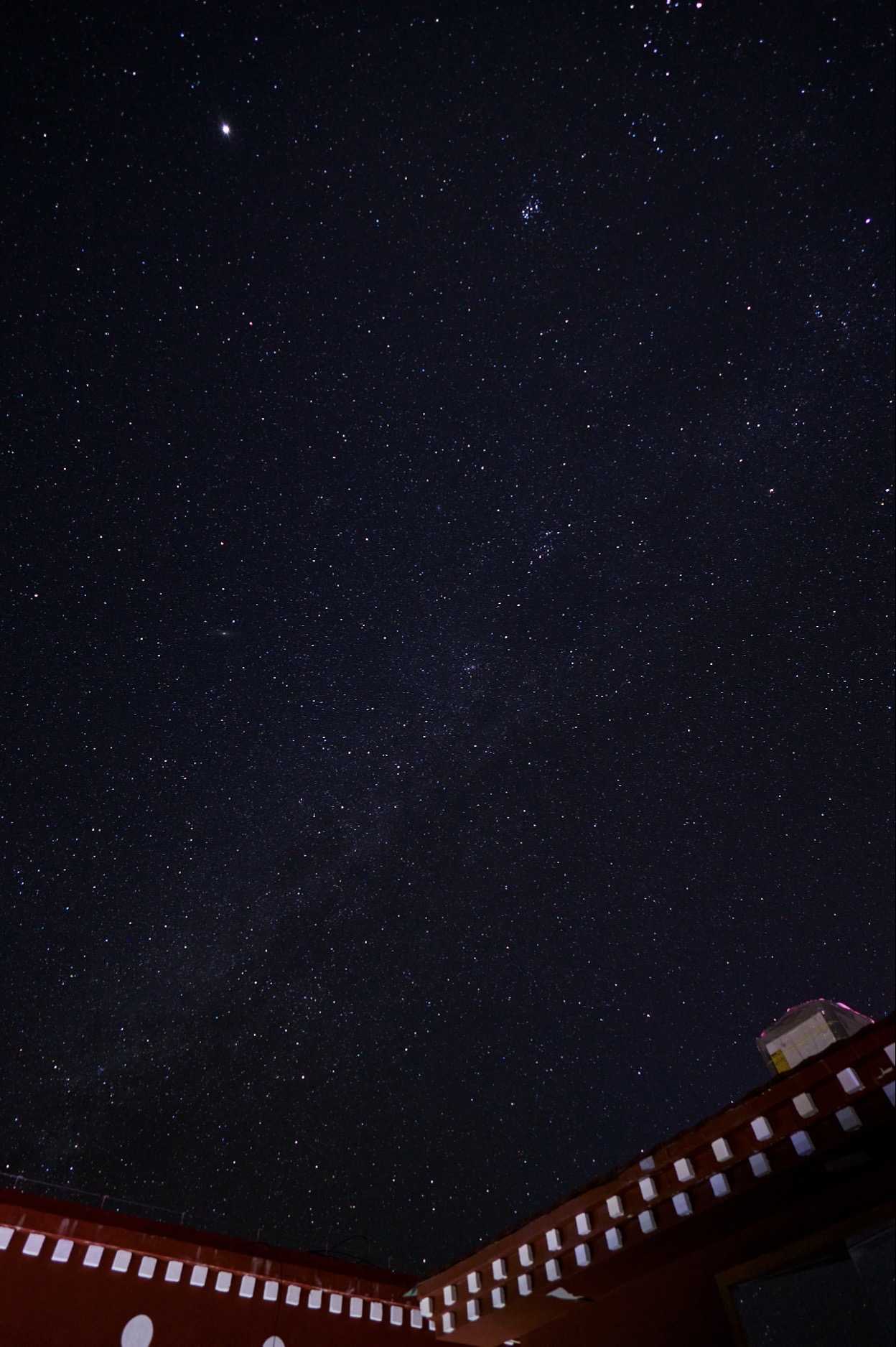
By evening, we arrived at the Feilai Temple observation platform. In the fading sunset glow, Meili Snow Mountain stood majestically in the distance. Anticipation was written on everyone's face—would we witness the legendary "Golden Mountain at Sunrise" tomorrow?
That night, we enjoyed a Tibetan hotpot. The steaming broth, paired with fresh yak meat and vegetables, gave us all the "fuel" we needed for the four-day trek ahead.
Day 3: Golden Mountain at Sunrise—Stumbling Into Luck
The Golden Miracle
Early in the morning, before my alarm even went off, sounds of commotion drifted in from outside. I yanked open the curtains—Meili Snow Mountain stood imposingly in the morning light, the sky slowly turning pale.

I quickly washed up, threw on my clothes, and "sprinted" to the observation deck. It was already packed with people. I found a corner, phone in hand, waiting for that sacred moment.
When the first ray of sunlight hit Kawagebo Peak, the entire platform erupted. At 6,740 meters, Kawagebo is Yunnan's highest peak—and an "untouched virgin peak" that no human has ever conquered. Sunlight cascaded down like a golden waterfall, dyeing the entire summit in gold.
Beside me, a man excitedly broadcasted on his phone: "Seeing the golden mountain at sunrise brings luck for a whole year; seeing the sacred golden mountain brings luck for a lifetime!"
At that moment, I believed it.
The Road into the Village: From Xidang to Yubeng
After witnessing the golden mountain, we hurried to Xidang Village and began our first day of trekking.
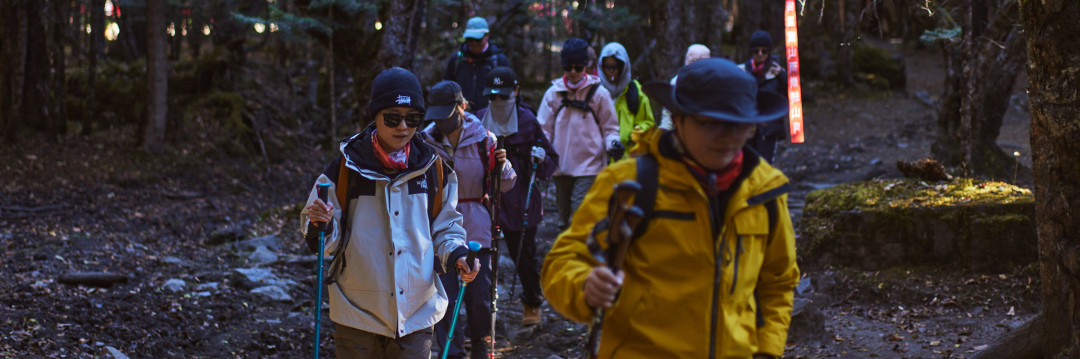
The route into the village was about 16 kilometers total—the first half a continuous uphill climb (about 8 km), followed by a downhill stretch (another 8 km). The uphill tested your lungs; the downhill tested your knees and toes.
What made it even more maddening was that vehicles now use this road, but it hasn't been fully paved. When pickup trucks and off-road vehicles passed, they kicked up clouds of dust. We had to wear buffs and masks, but every time a car went by, we'd still end up coughing from the grit.
Along the way, there were several supply stations selling fried rice, instant noodles, butter tea, yak milk, and highland barley cakes. Each station offered free hot water refills—water with the faint scent of firewood that felt more precious than anything when you were exhausted.
When we finally saw the sign for "Nanzheng First Pass," I knew the long uphill was over. But the downhill was still painful—toes jammed against the front of my boots, knees aching, every step a test of physical limits.
Yet, when you looked up and saw the endless snow-capped mountains, the forest blending dark green with withered yellow, and the tiny village hidden deep in the valley, you felt that all the pain was worth it.
This is Yubeng—body in hell, eyes in heaven.
Day 4: Ice Lake—Beauty Always Follows Despair
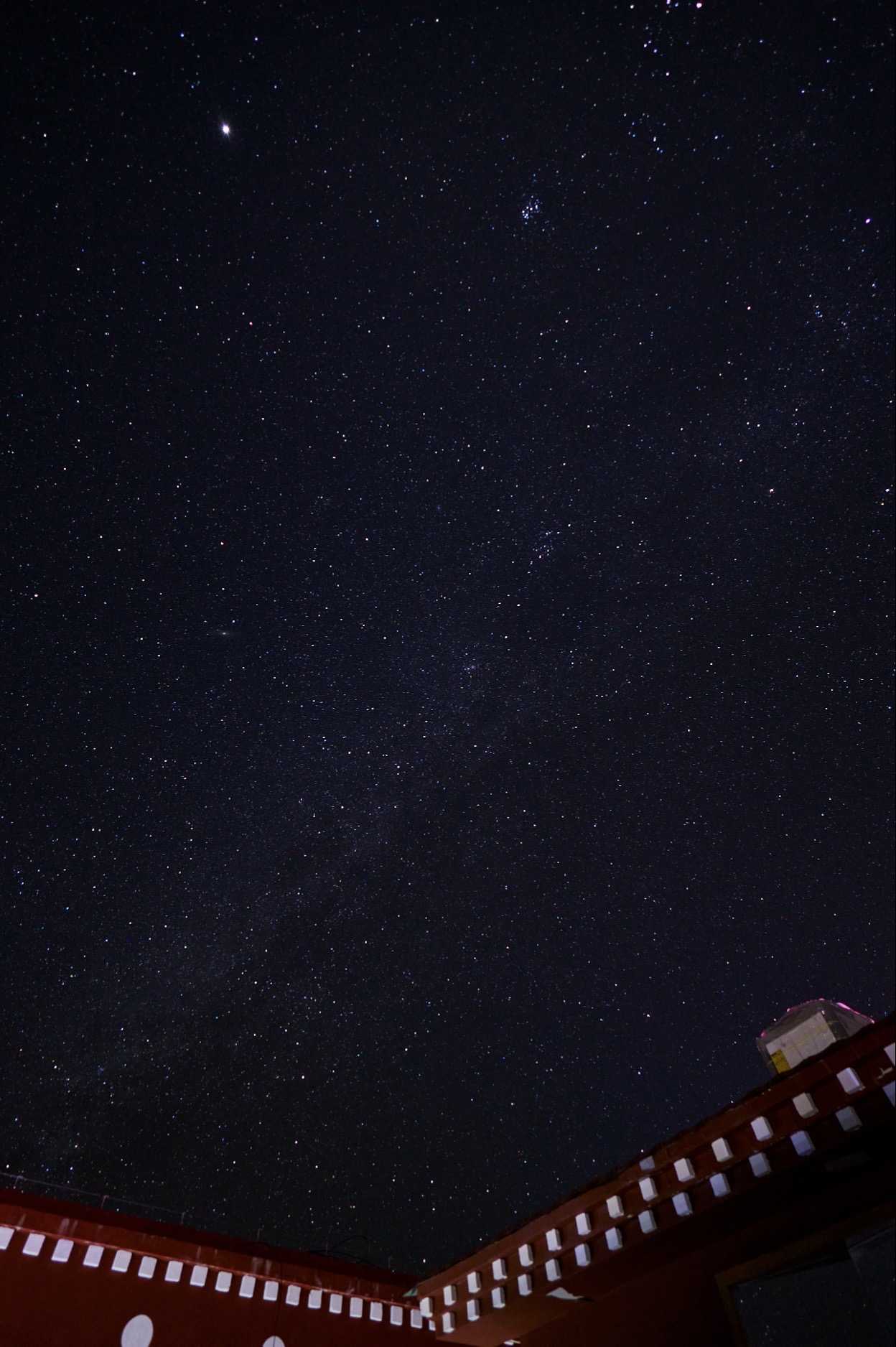
From Lower Yubeng to Upper Yubeng
On day four, we tackled the toughest route: the Ice Lake Trail. It was about 14 kilometers round trip, taking roughly 10 hours.
From Lower Yubeng Village to Upper Yubeng Village, a trekking novice like me opted to take a ride (60 yuan per person). But there were also incredibly strong members in our group who walked the entire way.
In the village, time seemed to slow down. Morning didn't wake you with an alarm clock, but with the sound of cowbells and horse hooves outside your window. Pulling back the curtains, we were greeted with good weather again—we saw the golden mountain at sunrise once more.
The Road to Ice Lake: Forests, Pastures, and the Slope of Despair
The Ice Lake route offered a rich variety of experiences. It started with a gentle forest path, sunlight filtering through the layers of leaves, creating beautiful dappled light. But soon, the incline grew steeper, and fallen leaves and glacial meltwater made the ground slippery.
When we reached Xiaonong Pasture, we stopped for lunch—instant noodles, fried rice, and butter tea. After a hearty meal, we pressed on toward Ice Lake.
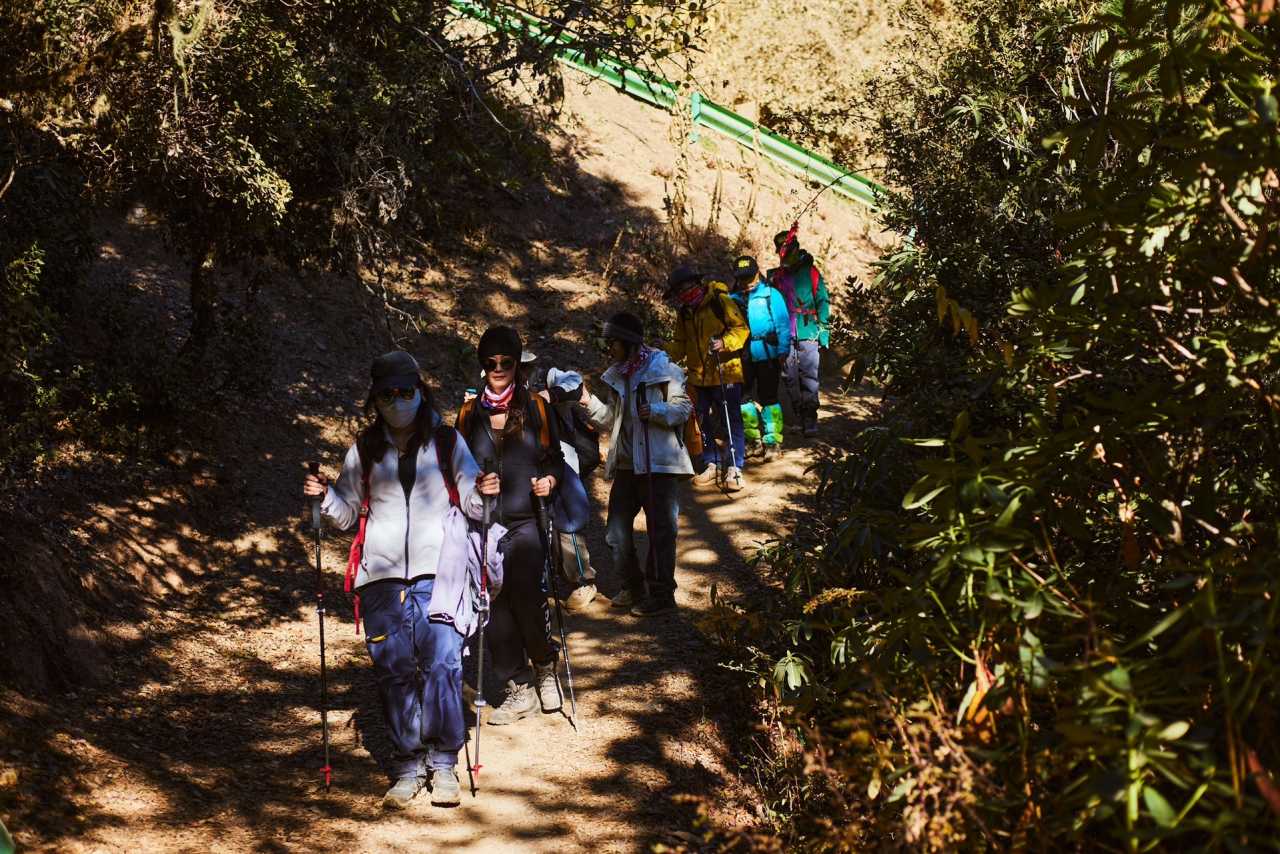
The last 3 kilometers were known as the "Slope of Despair." It was all uphill, every step a battle against your own willpower. But when you finally reached the top and saw Jiangjun Peak standing unobstructed and the deep green Ice Lake below, everything felt worth it.
Ice Lake is a sacred lake formed by melted snow from the Meili Snow Mountain glaciers. In Tibetan, it's called "Naiqin Lacuo," meaning "the life lake of Kawagebo." The wind at the summit was fierce, so we quickly put on our jackets and hats, took photos by the lake, and soaked in the view.
At 2:30 p.m., we began our descent. While going downhill wasn't as tiring, it was trickier—the leaf-covered dirt paths, soaked by glacial meltwater, made it easy to slip.
By 5:30 p.m., we arrived safely back at Upper Yubeng Village. Exhausted, we took a ride back to the village, quickly washed our soaked clothes, and enjoyed a hearty dinner with our companions.
Day 5: Divine Waterfall—The Essential Pilgrimage
A Spiritual Cleansing
On day five, we chose to visit the Divine Waterfall. The route was about 12 kilometers round trip, taking roughly 5–6 hours.
Starting from Lower Yubeng, the path was mostly paved concrete, much easier than the previous days' trails. But the steps were uneven—some too high, some too wide—making our thighs burn.
Along the way, we saw countless prayer flags. Our guide explained that Tibetans believe: "Where the prayer flags are, the gods are present. Every time the wind blows the flags, it's like reciting a prayer, sending a plea to the gods."
The Divine Waterfall is a cascade that plunges down from Meili Snow Mountain. Since it was the dry season, the water flow was modest, resembling two white silk scarves dancing in the air. Following tradition, we circled the waterfall three times clockwise, offering blessings for ourselves, family, and friends.
An Unexpected Surprise: Rainbow-Colored Clouds
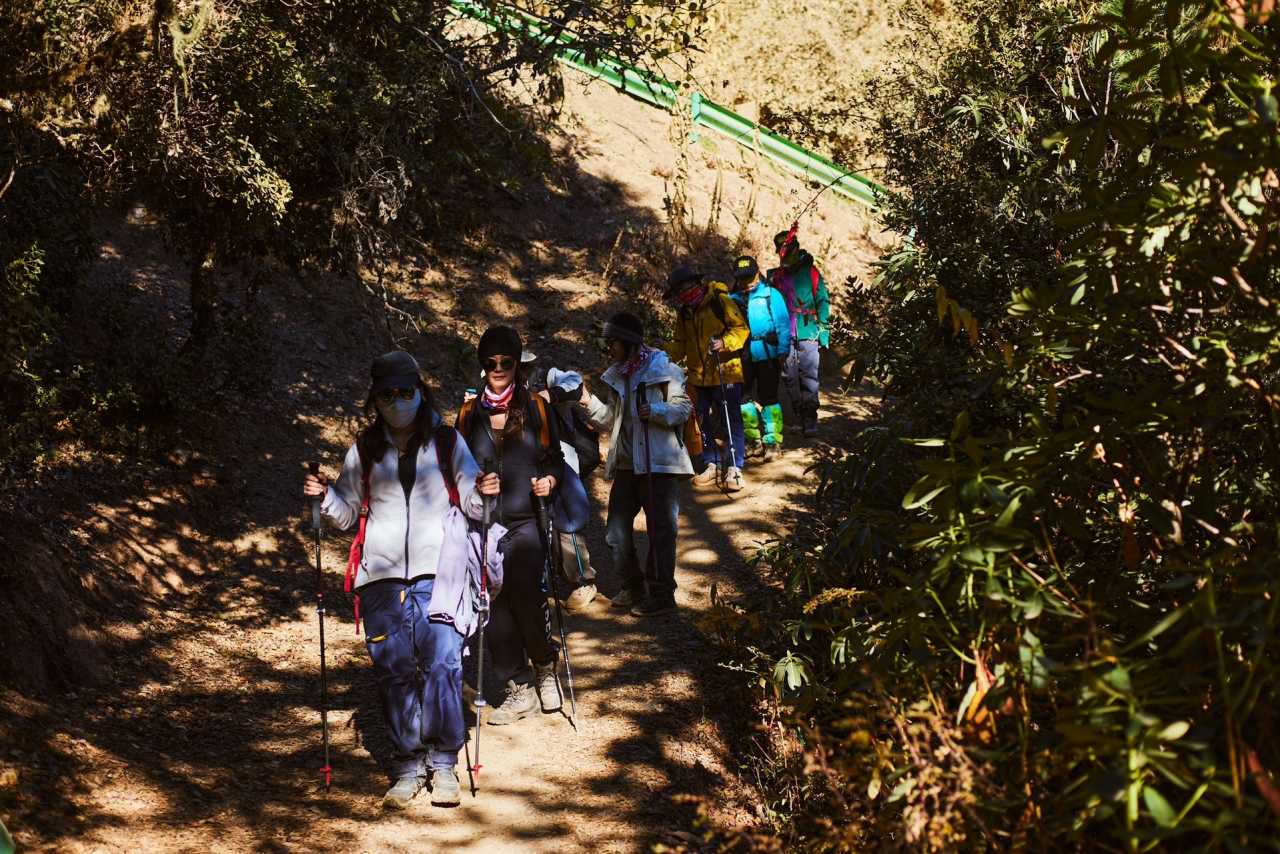
Back in the village, we sat in the sun, petting cats, and enjoying afternoon tea. Looking up casually, we spotted rainbow-colored clouds in the sky.
For a moment, we were all speechless with joy. Perhaps this was Yubeng's gift to us—after pushing our bodies to their limits, it rewarded us with the most beautiful scenery.
Day 6: Leaving the Village—From Nong Grand Canyon to Shangri-La
The Final Trek
On day six, we left the village. The route went from Lower Yubeng to Nong Village, about 12 kilometers, taking roughly 6 hours.
Although the exit route was all downhill, it was still a long distance with some steep sections. We put on our knee braces and set off at 9 a.m. Despite the fatigue, everyone was in high spirits—because this meant we had completed our trekking journey.
Around 1 p.m., we arrived at the Nong parking lot. The drive back to Shangri-La took about 3.5 hours.
Farewell Dinner and Square Dancing
Back in Shangri-La, our group enjoyed a lavish Tibetan meal. After dinner, we headed to the old town to watch the local square dancing. Interestingly, several of our group members joined in, dancing alongside the locals.
Happy times are always short-lived. Our seven-day journey was coming to an end. We waved goodbye, promising to meet again somewhere out there in the world.
Epilogue: What Yubeng Taught Me
The Yubeng trek was both a physical ordeal and a spiritual pilgrimage.
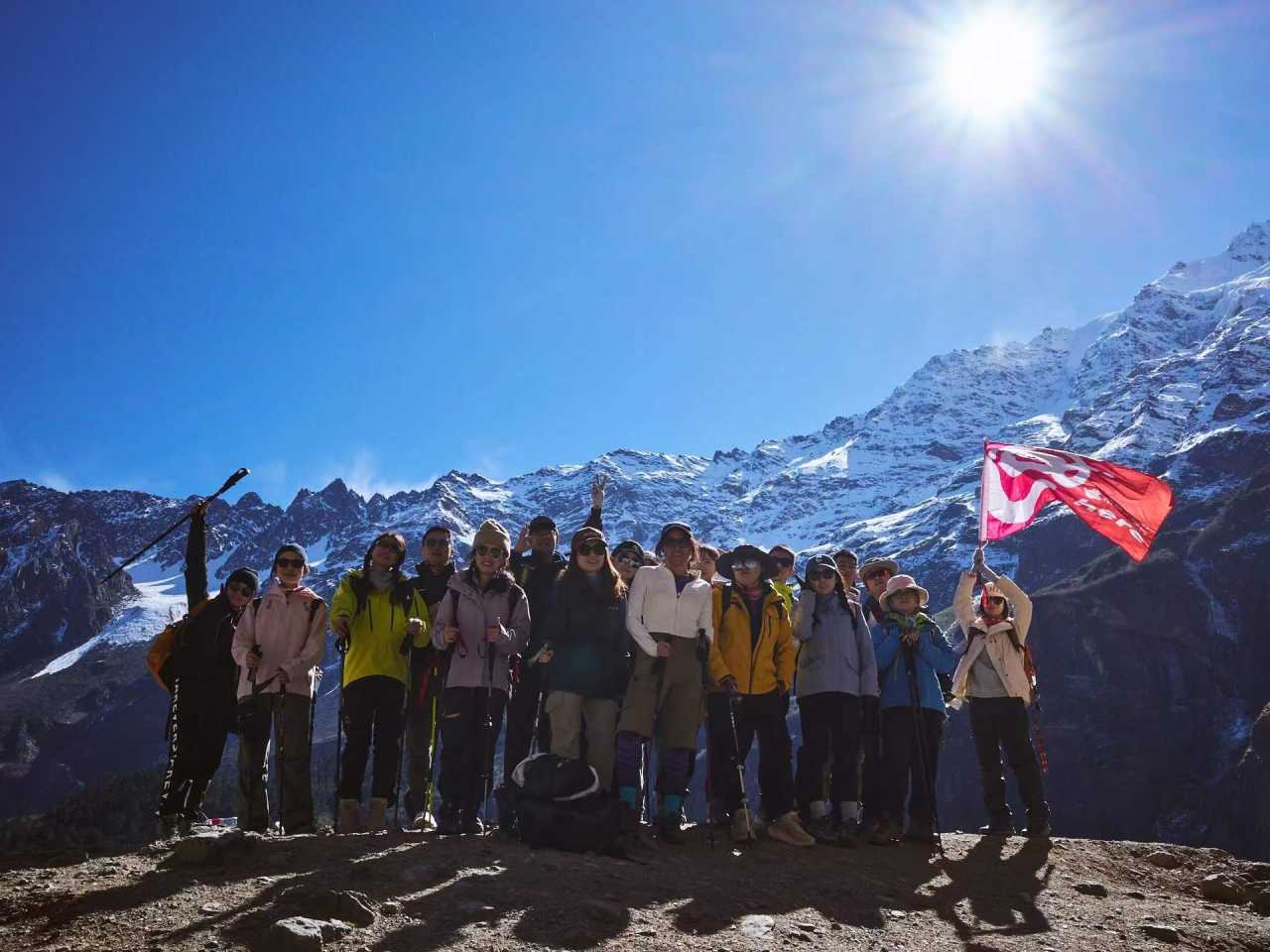
It taught me: - Freedom isn't doing whatever you want—it's having the ability to choose to do hard things. - Beautiful sights are never handed to you easily; they hide at the end of every "Slope of Despair." - The power of a team is far greater than you imagine. Whether it was our guide Kang Jiu's attentive care, photographer Yakun's hard work capturing our moments, or the mutual encouragement among travel companions—all of it made this journey warmer. - Learn to slow down. At high altitudes, slowing down helps you go farther; in life, slowing down helps you see more clearly.
Finally, if you ask me whether Yubeng is worth visiting:
My answer is: Go once, and you'll regret it once; don't go, and you'll regret it for a lifetime.
Practical Tips: For Those About to Set Off
- Best Season: Autumn and winter (October to March). The weather is clear, and your chances of seeing the golden mountain at sunrise are high.
- Getting There: Fly into Shangri-La Diqing Airport (limited flights), or fly to Lijiang and take a bus or high-speed train to Shangri-La.
- Accommodation:
- At Feilai Temple: Meili Yiju Hotel—pull back the curtains and you'll see Meili Snow Mountain.
- In Yubeng Village: Muchen Mountain Lodge—equipped with underfloor heating, radiators, and electric blankets, plus adorable cats.
- Trekking Gear: Hiking boots, trekking socks, trekking poles, buff/head scarf, thermos, cash, knee braces.
- Important Notes:
- Altitude Sickness: On your first day, avoid showering or washing your hair. Stay warm and don't catch a cold.
- Signal Issues: Phone reception is poor in the mountains—always carry cash.
- Time Management: It's better to start early than to find yourself still on the trail after dark.
- Respect Local Culture: Don't take photos inside temples. Remove sunglasses and hats. Maintain silence and reverence.
May you find your own "heaven" and "hell" in Yubeng.
You should also read:
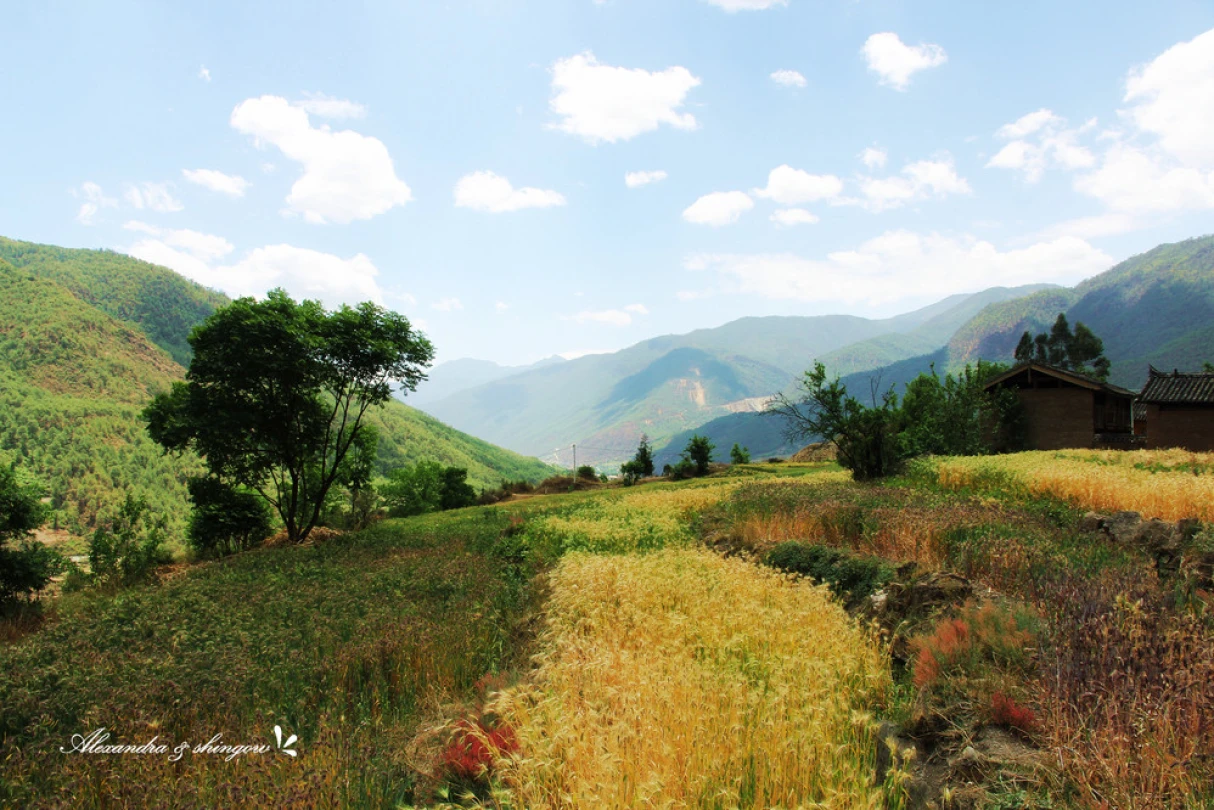
Hiking Tiger Leaping Gorge: A Visual Feast of Yunnan, Measured in Footsteps
Hiking Tiger Leaping Gorge: A Visual Feast of Yunnan, Measured in Footsteps A Spontaneous Adventure Some trips are planned. Others are written in the stars. When I stood at the Lijiang bus station, watching the last ticket to Lugu Lake sell out before my eyes,…
Continue reading...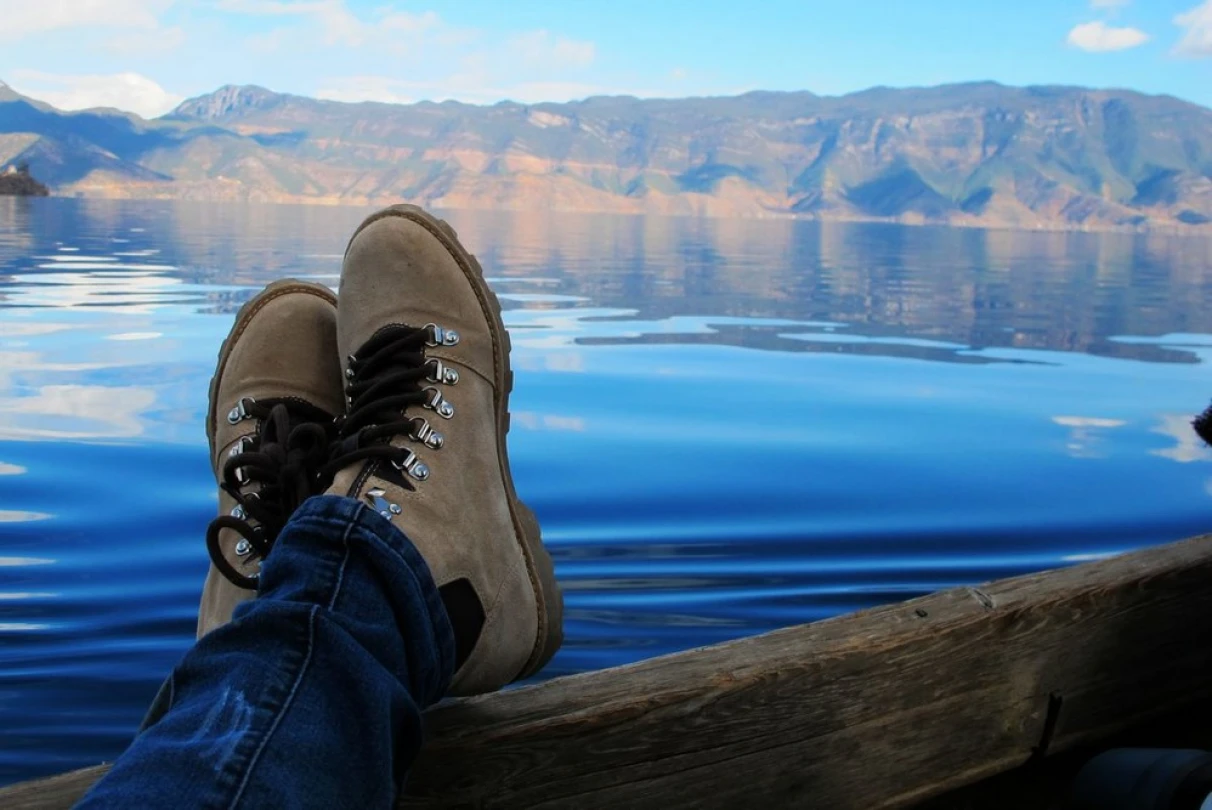
Slow Sounds, Gentle Steps: My Wandering Journey Through Lijiang
Slow Sounds, Gentle Steps: My Wandering Journey Through Lijiang Prologue: A Spontaneous "Red-Eye" Escape Some journeys begin just like Lijiang itself—with a touch of spontaneity and a hint of laziness. Late one Sunday night, I was scrolling through my phone while lying in bed when…
Continue reading...
A 9-Day Yunnan Journey: From Lijiang to Dali to Tengchong – A Trip Toward Self-Reconciliation
A 9-Day Yunnan Journey: From Lijiang to Dali to Tengchong – A Trip Toward Self-Reconciliation Some say travel is simply going from a place you're tired of to a place other people are tired of. It stings to hear, but it's painfully true. Yet there's…
Continue reading...