Yunnan 7-Day Hidden Path: An Alternative Guide to Classic Spots Without the Crowds
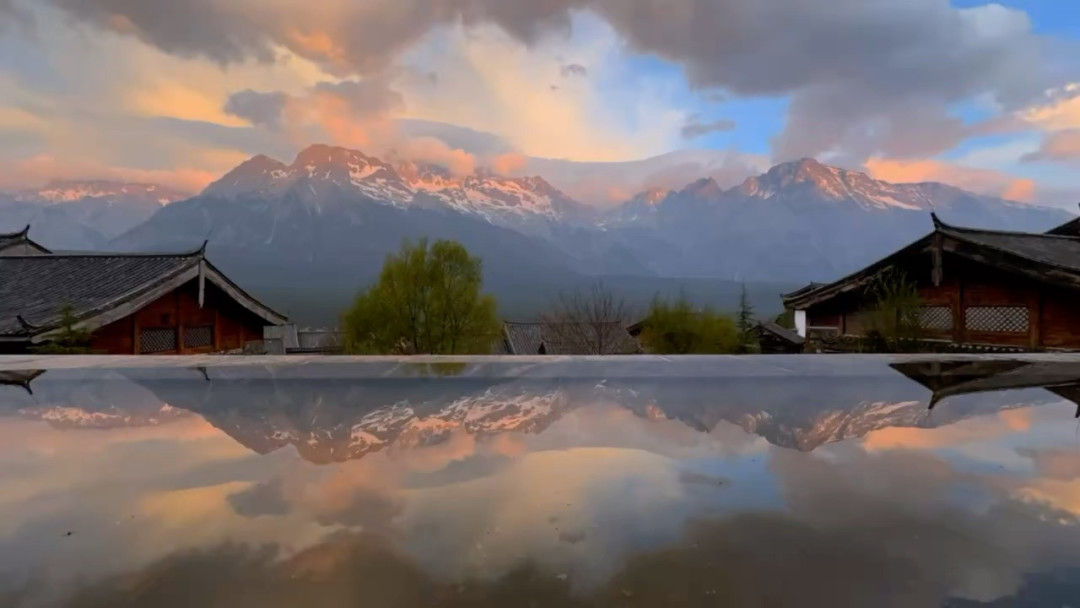
Yunnan 7-Day Hidden Path: An Alternative Guide to Classic Spots Without the Crowds
A year later, I set foot on Yunnan's soil again. This time, I chose the classic route of Lijiang—Lugu Lake—Shangri-La, but experienced it in a "counter-intuitive" way. Over seven days—two in Lijiang, two in Lugu Lake, one in Deqin's Feilai Temple area, and two in Shangri-La—it looked packed on paper, but in reality, it was a slow, soul-healing retreat.
Before we start, let me pour some cold water: those viral influencer guides? Take them with a grain of salt. My travel companion—a seasoned player who calls herself my "old bestie"—lugged a 20-kilogram suitcase, and more than half of it was completely useless. Don't take the plateau weather forecast too seriously either. The day we visited Potatso National Park, the forecast said sleet, but the sun blazed down and had us sweating.
The true essence of travel is to lower your expectations and feel with your body. Every journey is an art of regret, and the best scenery is always at the next stop. Especially when it comes to seeing the golden sunrise on snow-capped peaks or climbing to the 4,680-meter platform on Jade Dragon Snow Mountain—it all depends on timing, luck, and frankly, your "karma."
Transportation Guide: Every Penny Spent Wisely, from Flights to Private Cars
Getting There and Around: How to Cleverly Connect Yunnan
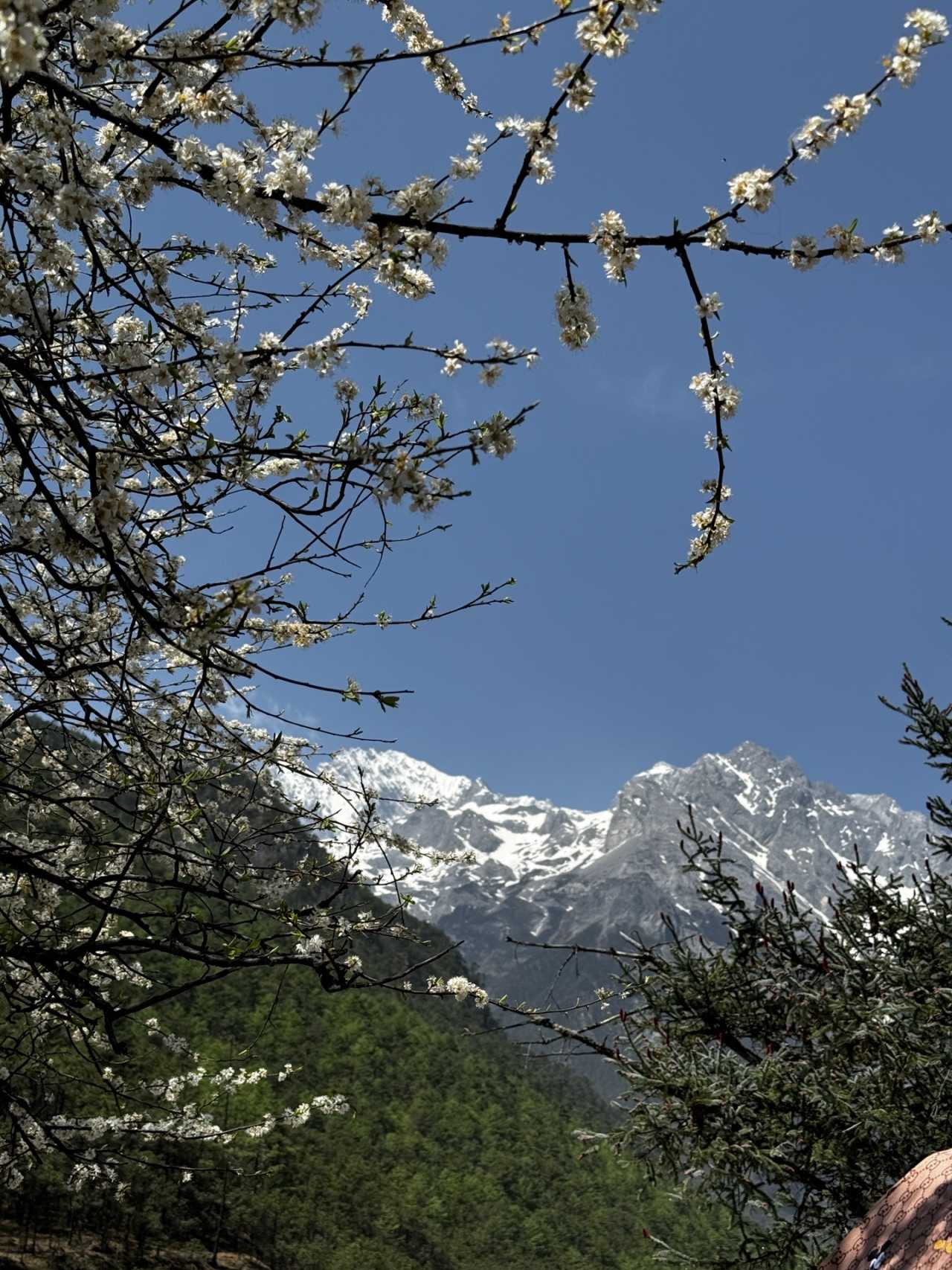
From Shanghai to Lijiang, the flight cost 1,029 yuan per person. I recommend China Eastern's early morning flight from Hongqiao at 7:35 AM, or Spring Airlines or Juneyao from Pudong. Special note: Spring Airlines departs from Pudong T2, and the check-in area is at M, far from the A zone where the metro drops you off. Arrive at least 90 minutes early. No free water on board—either bring your own or spend 40 yuan on a meal. Plus, there's a 45-minute sales pitch. Want to rest? Good luck.
If you don't want to backtrack, fly to Kunming, stay one night, then fly to Lugu Lake (2 nights) → Lijiang (2 nights) → Feilai Temple (1 night) → Shangri-La (1 night). This saves you the hassle of doubling back.
Private Cars and High-Speed Rail: Flexible Combinations
From Lijiang to Lugu Lake is 180 kilometers of winding mountain roads—at least 3.5 hours. We opted for a private car for the entire trip, 5 days at 3,600 yuan total (for two people), or 1,800 yuan per person. From Lijiang to Shangri-La, we took the high-speed train C119, just 56 yuan per person. From Shangri-La to Feilai Temple, we also used a private car.
Other transport: Lijiang Airport to hotel, 51 yuan per person; Dukezong Ancient Town to Songtsam Linka Hotel, 19 yuan per person; Jade Lake Village sightseeing car, 30 yuan per person. Total transport cost: about 4,053 yuan per person.
Surprises on the Road: Highway Coffee
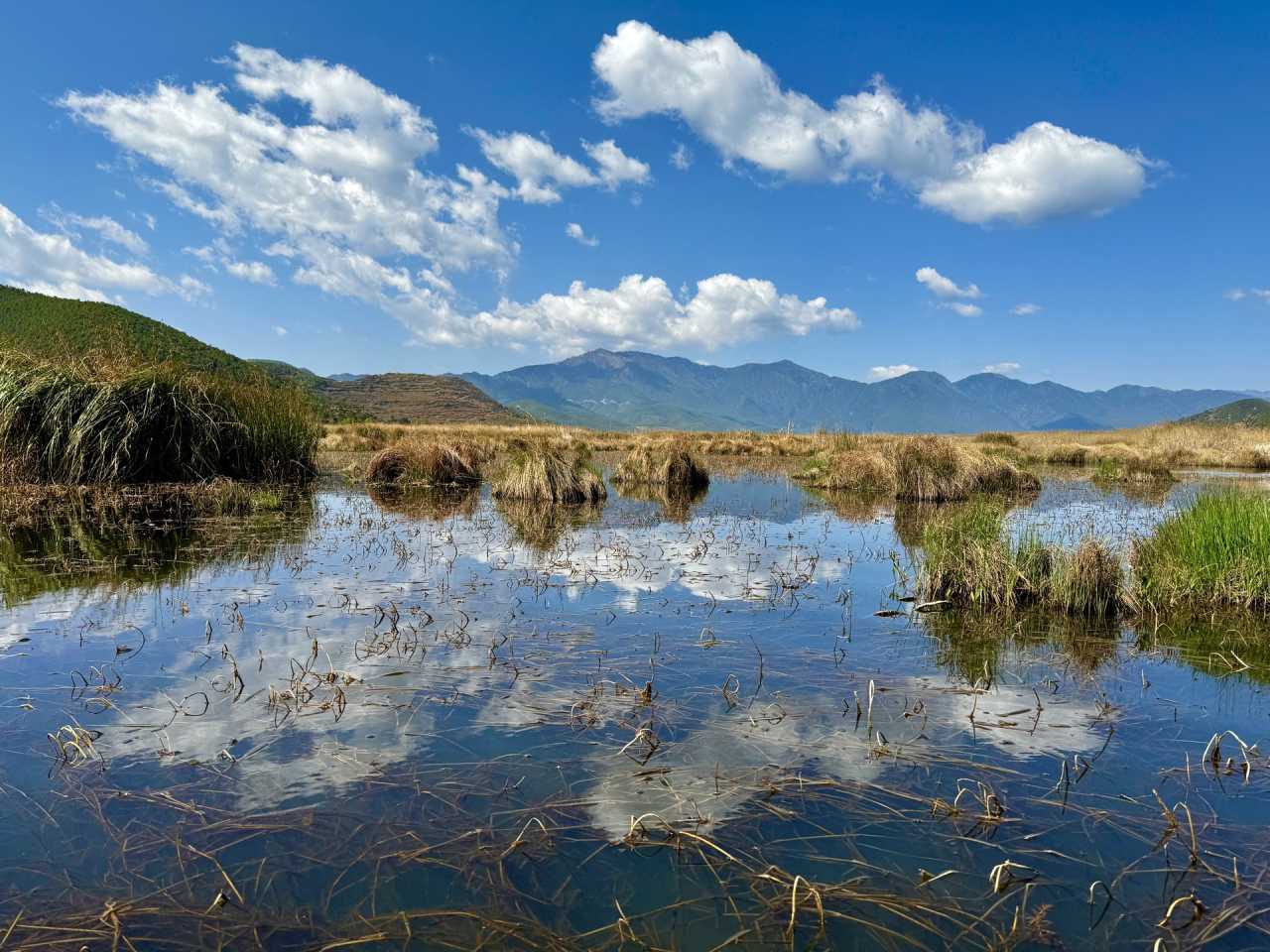
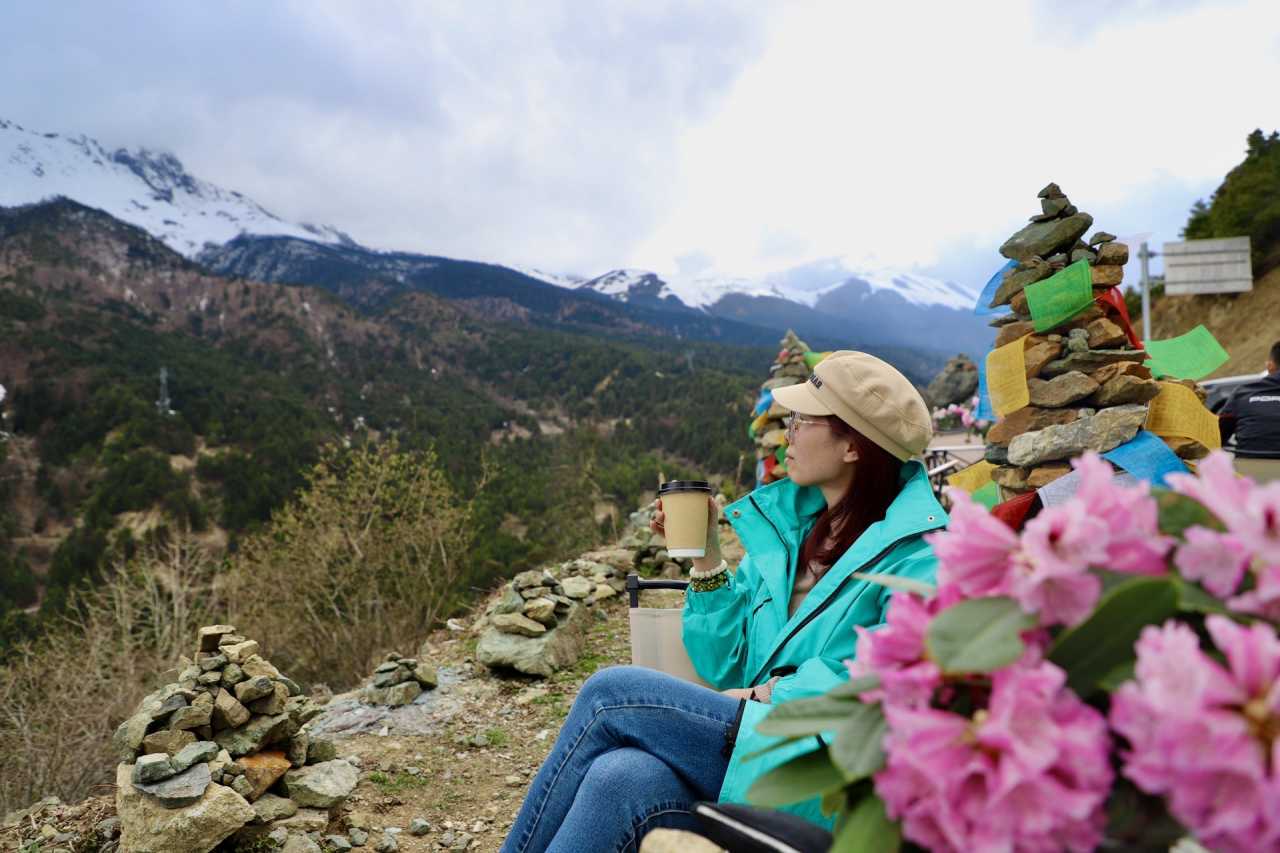
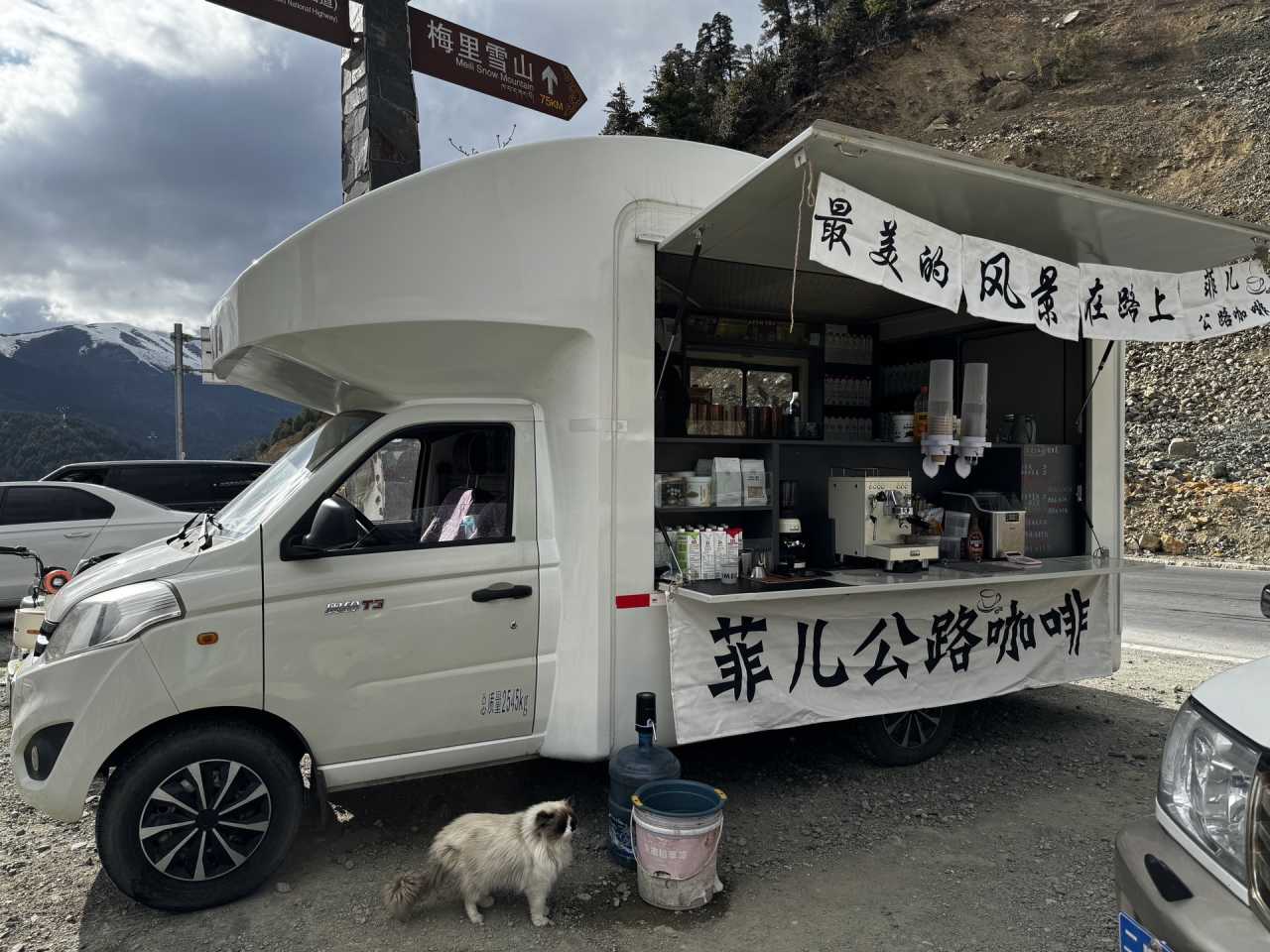
On the way from Shangri-La to Feilai Temple, at least eight highway coffee shops have popped up this year. If coffee doesn't trigger altitude sickness for you, pull over, sit in a camping chair, sip your brew, and stare at the snow mountains. The beans are decent quality, and on a clear day, it's so relaxing you'll feel like you're in a painting.
Ticket Guide: What's Worth Buying and What You Can Skip
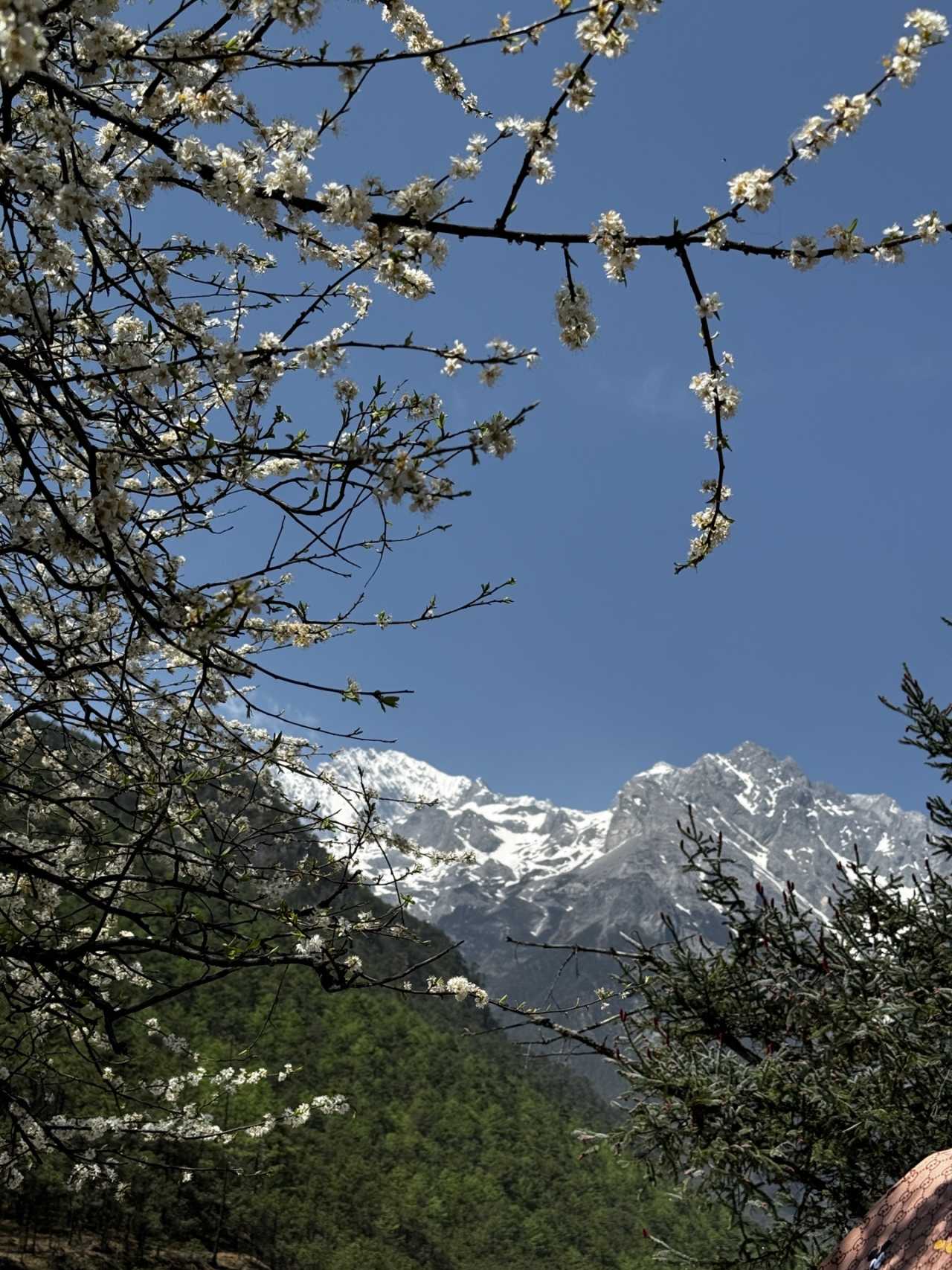
Jade Dragon Snow Mountain (498 yuan/person for a guaranteed ticket)
Entry fee: 100 yuan/person. Big cable car (Glacier Park, 4,680 meters): 140 yuan. Medium cable car (Yak Meadow): 65 yuan. Small cable car (Spruce Meadow): 60 yuan. Electric cart: 20 yuan one-way. Key point: Big cable car tickets are snapped up on the "Lijiang Tourism Group" mini-program—released at 8 PM the night before, 1,000 tickets in 18 time slots, extremely competitive. There are 10,000 tickets daily, with 8,000 held by travel agencies. I recommend buying a guaranteed ticket (498 yuan), which includes entry fee, big cable car, Impression Lijiang show, yak hotpot group meal, oxygen canister, and down jacket. The downside: you have to follow a tour group, so less freedom.
Tickets for the medium and small cable cars can be bought same-day for afternoon slots. Electric cart tickets are available on-site.
Lugu Lake (70 yuan/person)
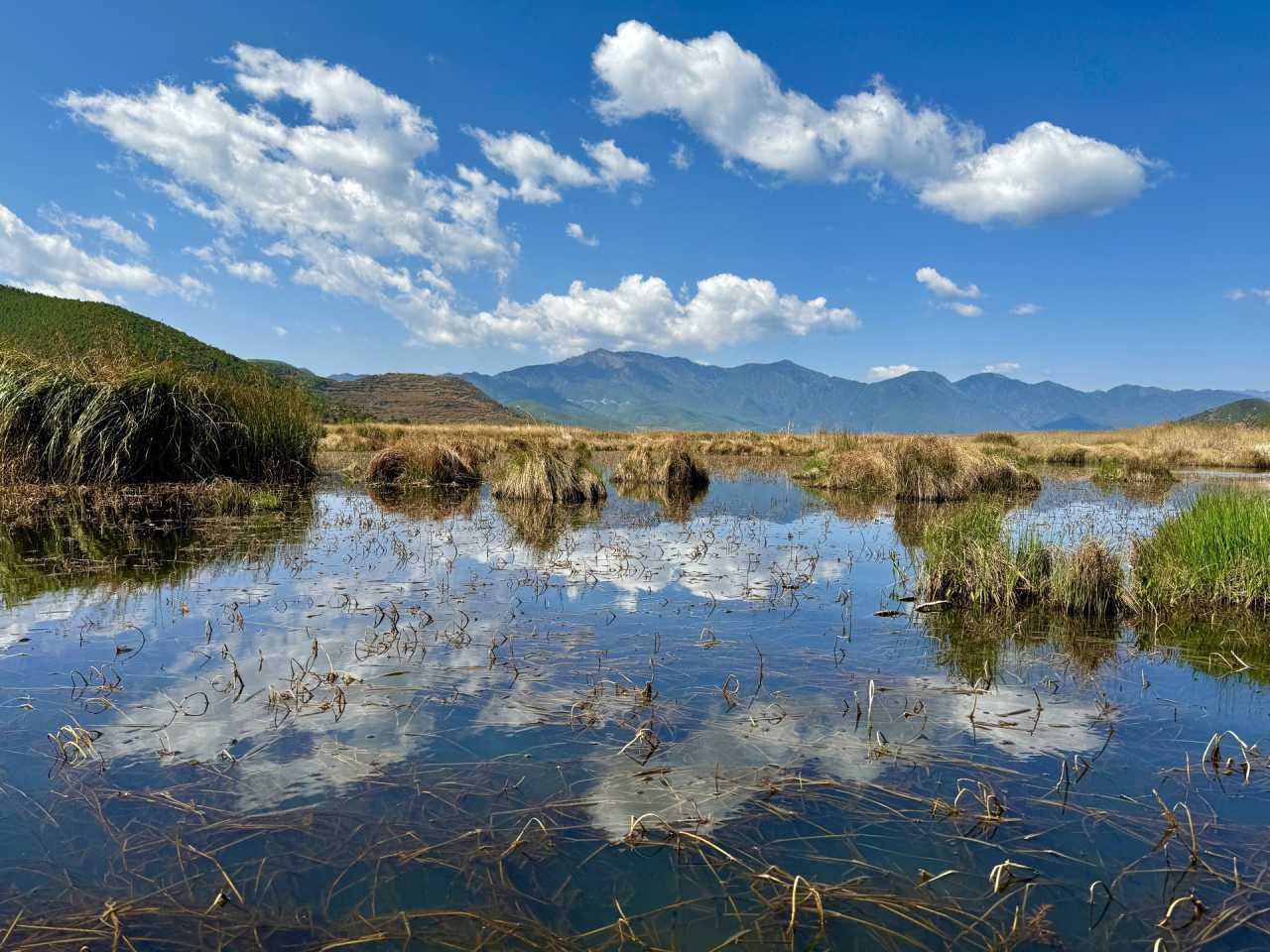
Buy on-site. Our private car driver acted as a guide, so we only bought tickets for two.
Potatso National Park (138 yuan/person)
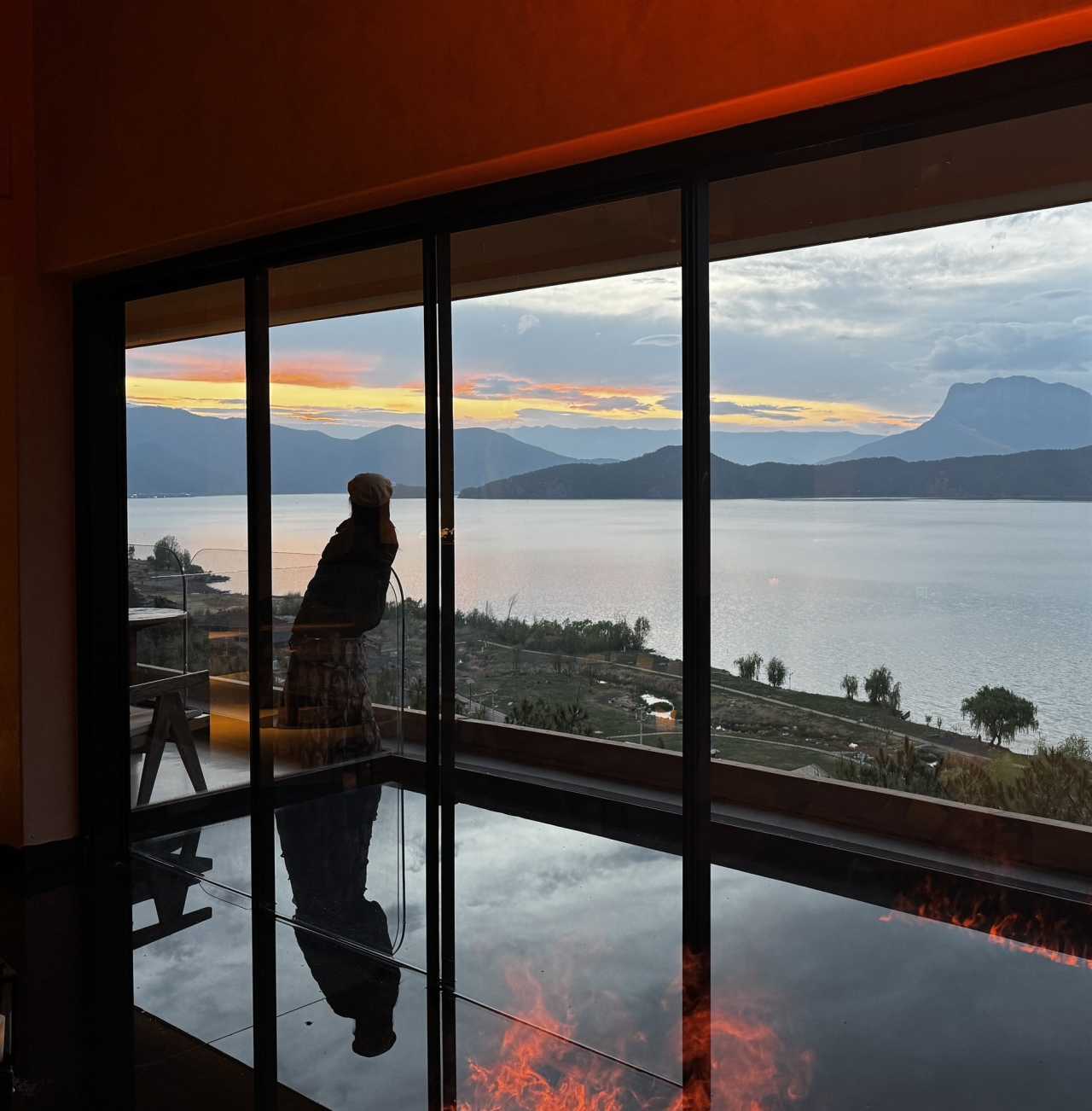
Entry: 68 yuan + bus: 70 yuan—mandatory. Boat: 65 yuan/person—skip it. Walking lets you appreciate the scenery much more.
Songzanlin Monastery (90 yuan/person)
Includes entry, bus, and guided tour. If you're staying at a hotel inside the scenic area, the ticket might be included. Without it, it's 62 yuan/person, and you can skip the bus. There's a side gate open at the parking lot where many photo-shooters sneak in.
Others

Rock's Former Residence: 25 yuan/person. Pig-trough boat on the "Walking Marriage" Bridge: 160 yuan for two.
Total ticket cost: 498 + 60 + 60 + 70 + 138 + 65 + 25 + 80 = 996 yuan/person.
Accommodation Recommendations: From Budget Hotels to Snow Mountain Lodges, Every Night Is a View
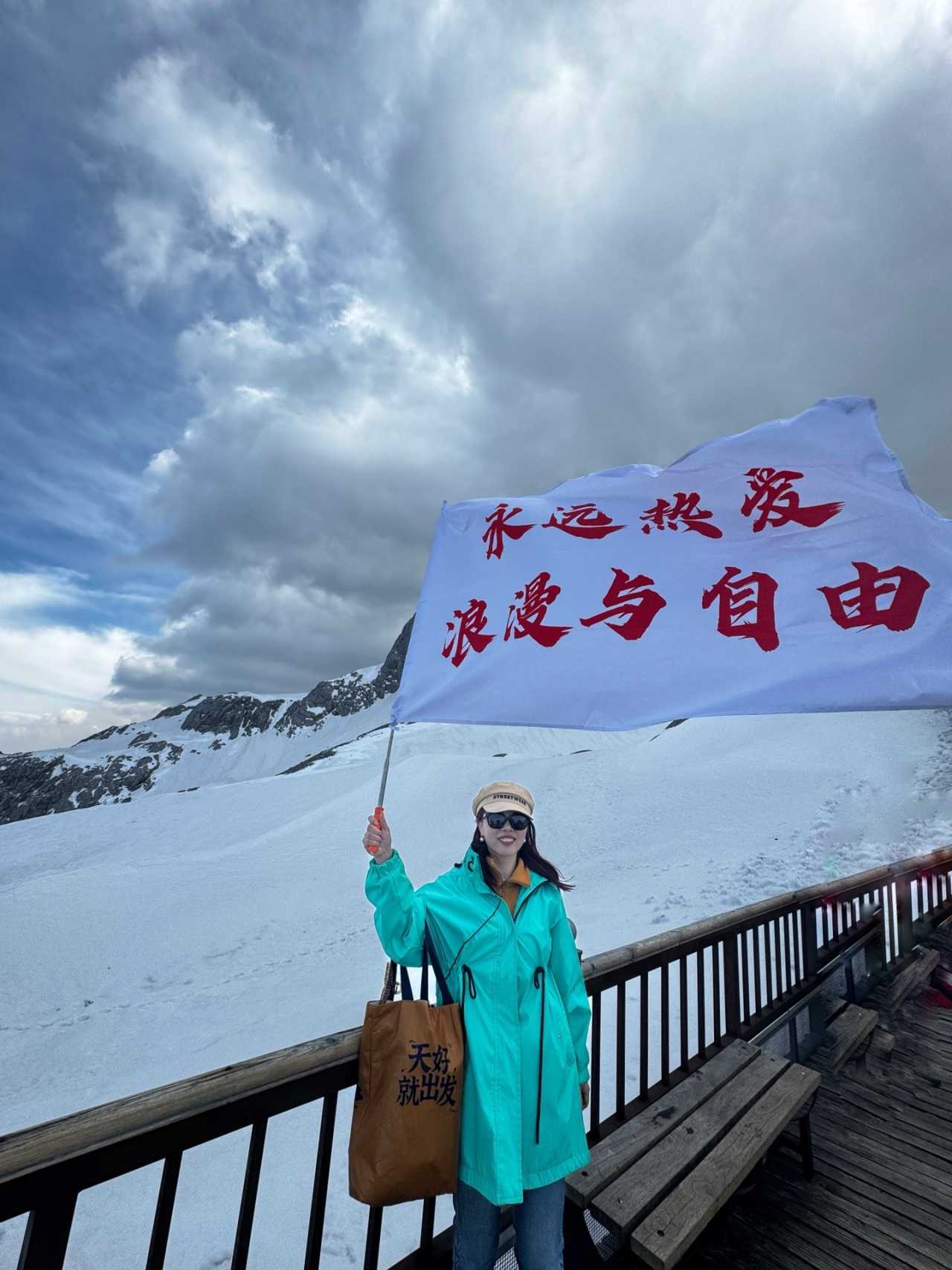
My "old bestie" handled the lodging, with the principle of "don't move luggage if you don't have to," prioritizing unique and luxury options. Tip: Follow hotel official accounts; prices are better during live-stream sales.
Night 1: Lijiang Atour Hotel (near the Ancient Town)
Don't stay inside the ancient town. The cobblestone streets are incredibly slippery, and dragging luggage is a nightmare. My bestie's 20-kg suitcase nearly drove her crazy.
Night 2: Jinmao Puxu Snow Mountain Hotel (inside Jade Dragon Snow Mountain Scenic Area)
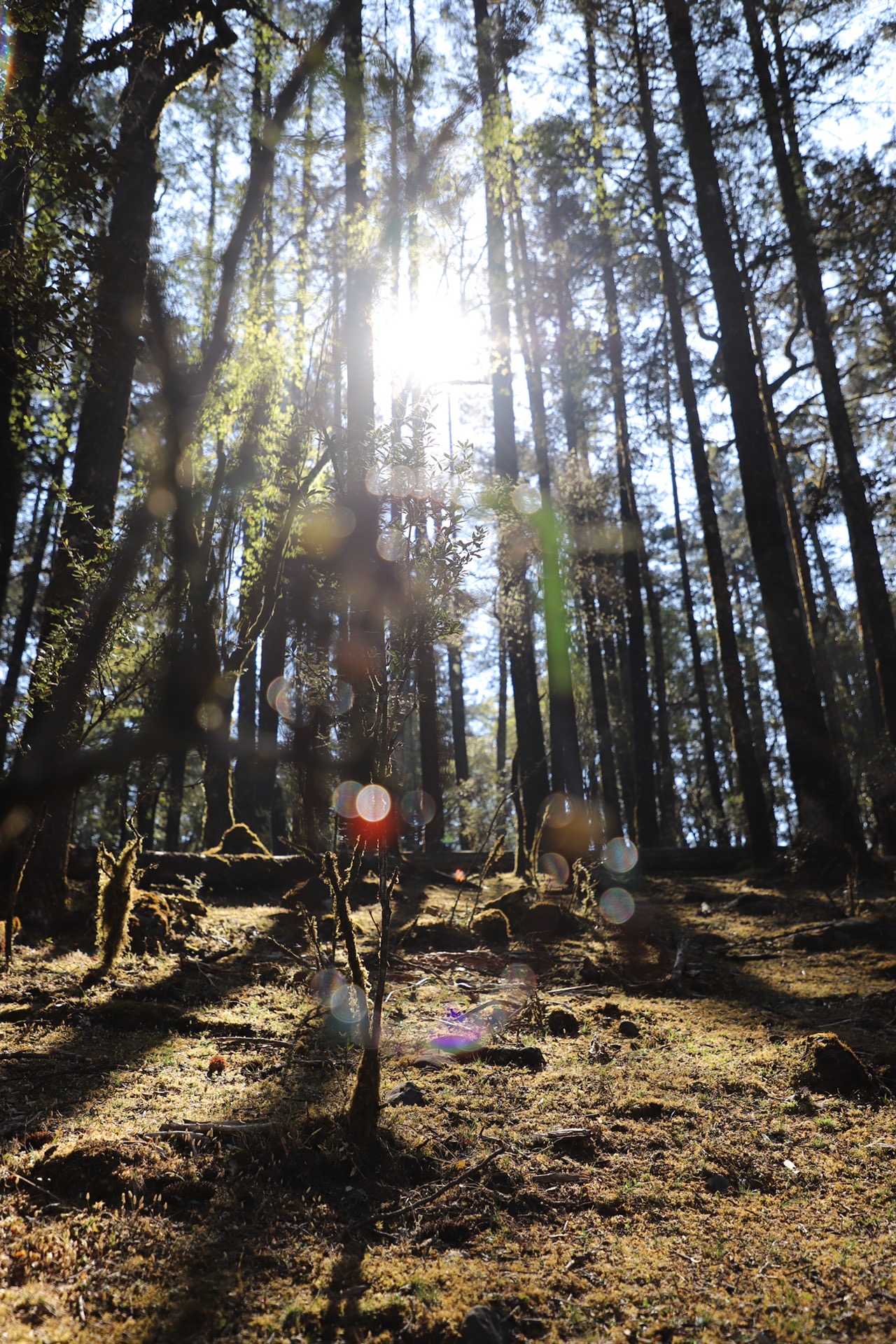
Staying here waives the entry fee. The hotel live-streams the golden sunrise on Jade Dragon Snow Mountain every morning. Occasionally, there are boss live-streams offering 3,588 yuan for two nights. Note: The rooms are well-sealed; remember to turn on the oxygen machine and ventilate, or you risk altitude sickness—my bestie got hit here.
Nights 3 & 4: Qieman · Rushadow Banshan Hotel (Lugu Lake)
The top-tier hotel at Lugu Lake, with lake-view rooms and excellent service. The restaurant recommended by the owner was much better than the one suggested by the butler.
Night 5: Feilai Temple Snow Mountain Wake Up Hotel
We got upgraded to the 4th floor. There were fireworks at night. The rooftop view isn't as good as the "Paradise Hotel," and we missed the golden sunrise, which was a bit disappointing. The view from the bed also isn't as impressive as Paradise—compare videos before booking.
Nights 6 & 7: Songtsam Linka Hotel (Shangri-La)
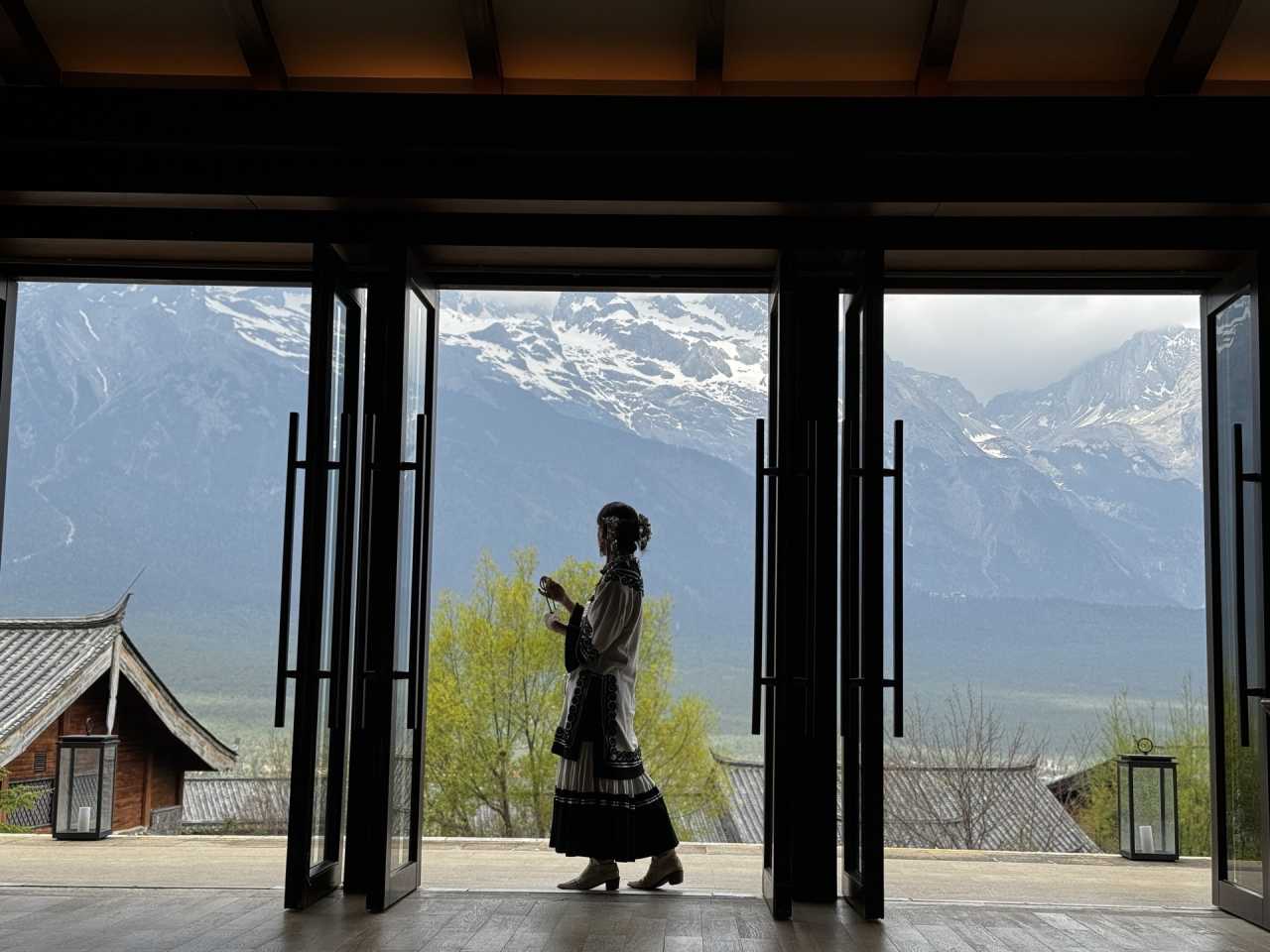
Within walking distance to Songzanlin Monastery; comes with two free tickets. You can also visit the half-mountain Songtsam Linka for free (there's an Arc'teryx concept store, but they don't even sell jackets—only hiking gear rentals). Highly recommend: Songtsam's barley cookies and buckwheat cookies. They feel a bit dry in Shangri-La but are perfect when you bring them back to the Jiangsu-Zhejiang region.
Altitude Sickness: 6 Life-Saving Tips
Altitude reference data: - Lijiang Ancient Town: 2,500 meters - Jade Dragon Snow Mountain, Blue Moon Valley: 3,000 meters - Jinmao Hotel: 3,100 meters - Spruce Meadow: 3,200 meters - Yak Meadow: 3,800 meters - Glacier Park: 4,506 meters (boardwalk up to 4,680) - Lugu Lake: 2,700 meters - Napahai: 3,300 meters - Dukezong Ancient Town: 3,300 meters - Songzanlin Monastery: 3,300 meters - Potatso National Park: 3,500 meters - Baima Snow Mountain Pass: 4,200 meters
- Ascend gradually: Acclimate at 3,000+ meters for a few hours before heading to 4,680. Don't rush straight to the top.
- Eat well and sleep well: Hunger and lack of sleep make altitude sickness worse. Load up on local yak meat and barley cakes to keep your energy up. On Jade Dragon Snow Mountain day, my Huawei watch showed I burned 1,000 calories—equivalent to hiking 15 kilometers.
- Stay warm: A cold body is more prone to altitude sickness. Last year during the Yubeng trek, switching to a thin hat gave me a headache.
- No alcohol, be cautious with coffee: Avoid both for the first two days. I'm a coffee addict—four cups a day, no fear—but that's me.
- Don't rely on oxygen cans: The idea that you must start inhaling oxygen on the big cable car is nonsense. I carried hot water and dried fruit. When I felt off, a sip of hot water or some dried fruit helped more than oxygen. Two girls using oxygen felt much better after eating some dried fruit.
- Seek help immediately if severe: Altitude sickness can be fatal, especially with a high fever.
Full 7-Day Itinerary
Day 1: Lijiang Ancient Town—"Since We're Here"
After 15 years, the ancient town hasn't changed much, just more flowers. The waterwheel is still there, the bars are still there—just more photo shoots and even slicker cobblestones. My bestie's sandals endured an unfair amount of stubbornness here.
For dinner, we chose the "Qianxue Tower" scenic restaurant by the waterwheel. The food was average, but the view was stunning. We ordered: 炝拌水性杨花 (a cold dish of water flowers with chili oil—refreshing a taste memory from over a decade ago), 野生菌炒雪山鱼 (wild mushroom stir-fried with snow mountain fish—a flavor I'd never had), potato dumplings, and barley cakes. The morel mushroom and chicken soup was just okay. After dinner, we grabbed coffee at "Since We're Here" and bought some dried fruit for the next day's supplies—dried mango, dried ugly apples, and dried roselle flowers, all tangy and sweet.
Day 2: Jade Dragon Snow Mountain—Spruce Meadow Is More Beautiful Than You Can Imagine
Jade Dragon Snow Mountain is the closest permanently snow-capped mountain range to the equator in the Northern Hemisphere. Its 13 peaks run north to south, with the main peak at 5,596 meters, considered a sacred mountain by the Naxi people. April is cable car maintenance season: Yak Meadow on April 15-17, Glacier Park on April 20, and Spruce Meadow on April 27.
Recommended route: Spruce Meadow → Blue Moon Valley → Impression Lijiang (optional) → Glacier Park → Yak Meadow. All cable cars include bus transport from the visitor center. Tickets can be used 30 minutes early or 30 minutes late.
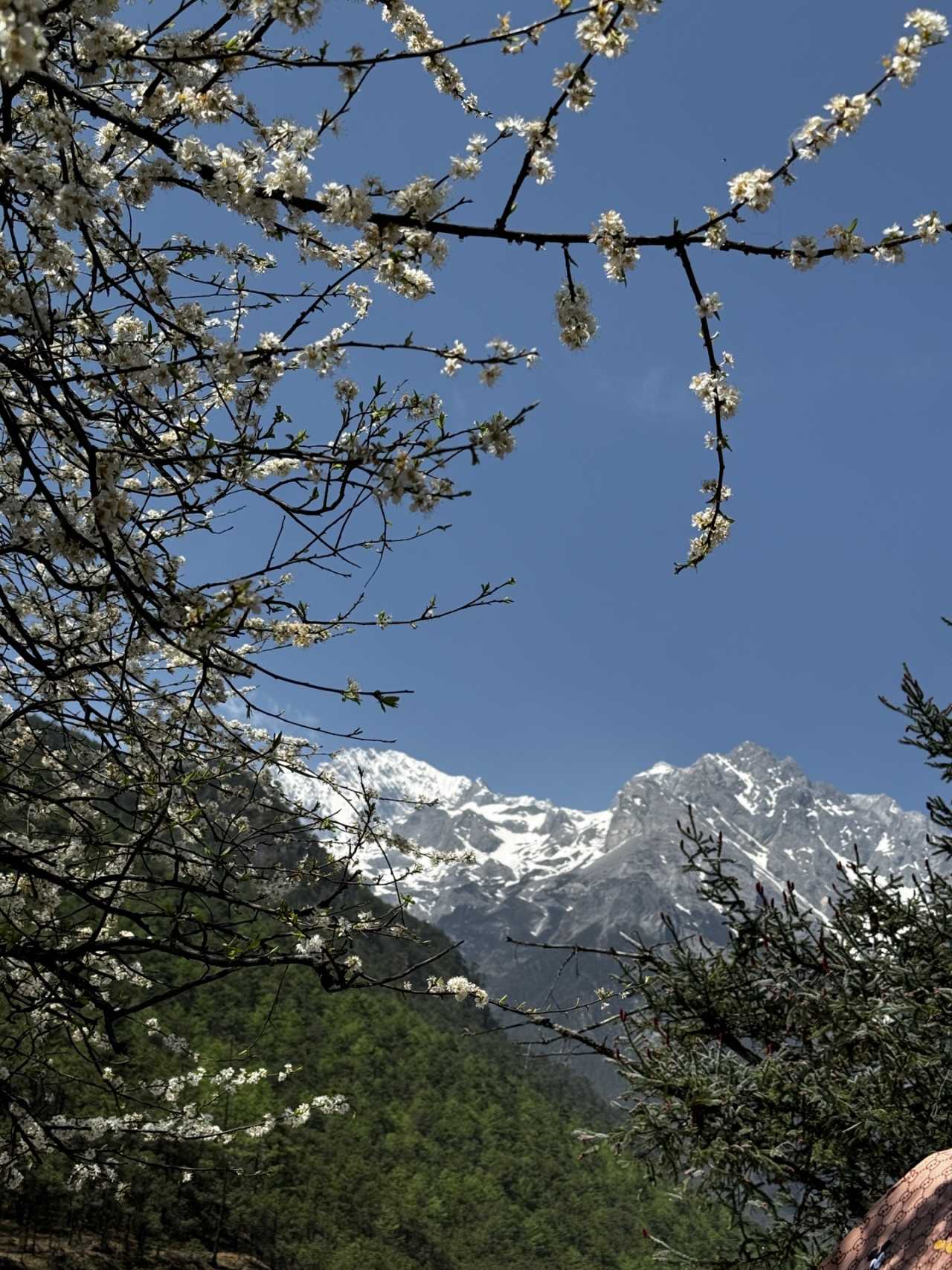
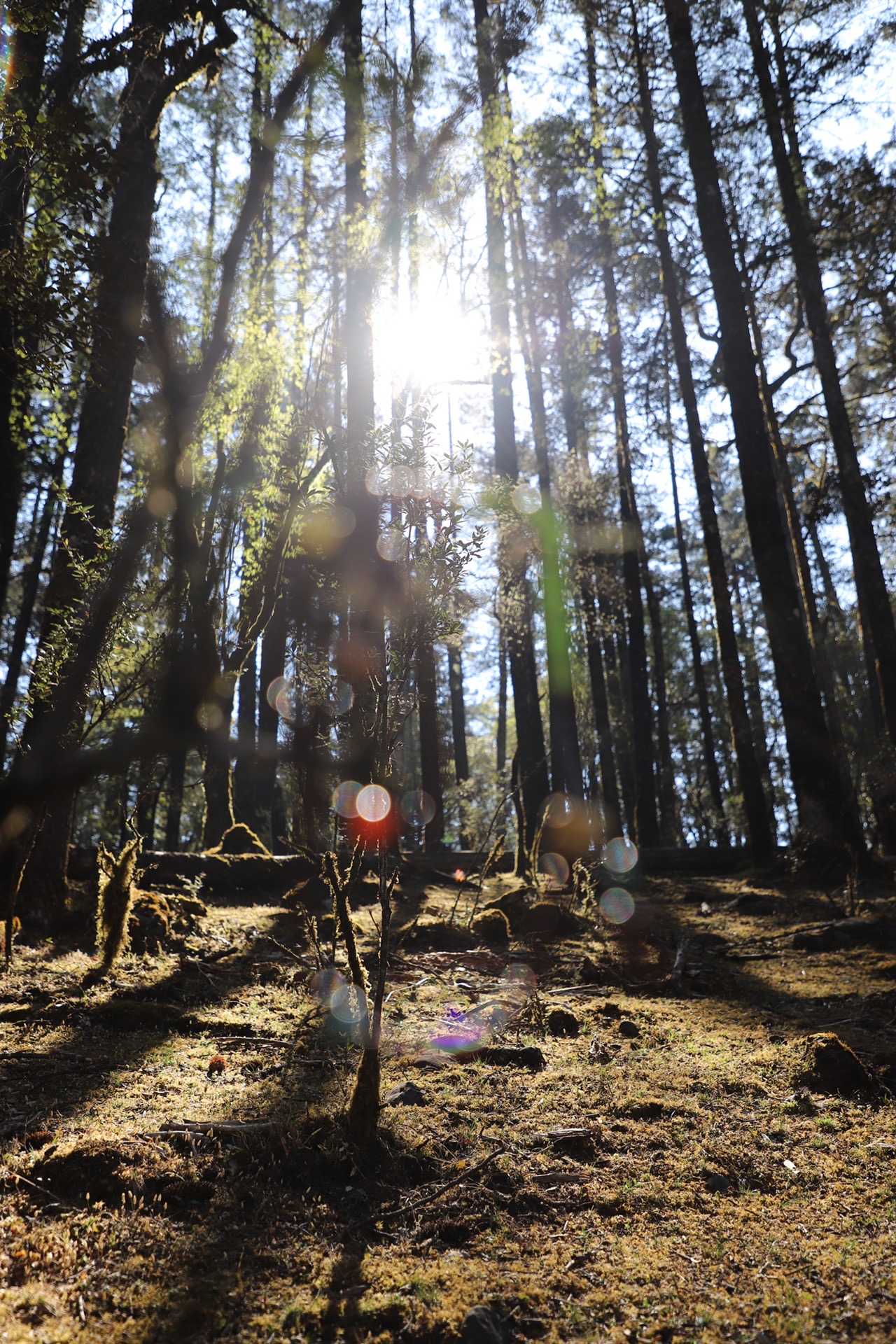
At Spruce Meadow, don't just take photos by the railing—the forest is the most beautiful part. The light around 8-9 AM is perfect for photography. We bought the full sightseeing car package (including Spruce Meadow round trip and Blue Moon Valley). If you're fit, you can skip it—the walk is less than 10 minutes.
Blue Moon Valley is a man-made attraction, but it looks better in person than in photos. The harsh light after 11 AM isn't great for photos, so just enjoy the walk.
Our big cable car ticket was for 3:30-4:00 PM, so we started queuing at 2:20 PM. Rent a down jacket after passing the ticket check. On April 16, a fleece plus a shell jacket was enough. My bestie wore a shirt and a wool shawl—she was freezing.
When climbing the 4,680-meter boardwalk, go slow and follow your own pace. Queuing for the photo at the stone marker takes at least half an hour—it's really not necessary. The views from the top and from the cable car are both stunning: rhododendrons in full bloom at the start, snowy fir forests in the middle, and black earth with white snow at the summit.
That night we stayed at Jinmao Hotel and had chicken hotpot at the Snow View Restaurant (588 yuan for two), facing the snow mountain—though it was too dark to see clearly. Breakfast was excellent—eating rice noodles while looking at the snow mountain.
Lesson learned: The room was too stuffy. My bestie had altitude sickness in the middle of the night—vomiting and diarrhea—and still went out to photograph the stars. She later said she wanted to go back to Zhejiang.
Day 3: Jade Lake Village → Lugu Lake—From Snow Mountain to the Kingdom of Women
My bestie's stamina was incredible. She photographed the stars at 3 AM, then dragged me out at 6:30 AM to shoot the golden sunrise on the snow mountain. A hotel staffer was live-streaming; his account had been banned for 24 hours the day before because the camera didn't move, so today he was desperately trying to get us in the frame.
Jade Lake Village, originally called "Wuluken" in Naxi, means "village at the foot of the snow mountain." It became famous because American explorer Joseph Rock lived here for 27 years. His former residence costs 25 yuan per person—a small courtyard. Go if you're interested in him. Rock was sent by the U.S. Department of Agriculture to find chestnut trees resistant to blight, but he became obsessed with Naxi culture, compiling the "Naxi-English Dictionary" and "The Ancient Na-khi Kingdom of Southwest China." "Shangri-La" was inspired by his work.
The Pushi Snow Mountain Roof Coffee opens at 10:30 AM—very influencer-style. We rushed through our coffee, and my bestie went for a photo shoot (complimentary from the hotel: 5 photos per room, but the trick is you'll definitely pay extra for retouching).
On the way to Lugu Lake, we passed the Eighteen Bends of the Jinsha River and bought cherries and mulberries—25 yuan per basket. The mulberries were long and sweet, the cherries tart. We arrived at Lugu Lake just in time for sunset and evening glow.
Lugu Lake entry: 70 yuan, bought on-site. The Qieman Hotel had excellent service—complimentary afternoon tea upon check-in and free pick-up within 5 kilometers. Local specialties include stone-pot fish and wood-fired chicken. We chose a restaurant where the owner responded to negative reviews—the food was great. The potato steamed rice (洋芋焖饭) was amazing—40 yuan for a huge portion.
Day 4: Lake Loop and Doing Nothing—Pick the Less Crowded Spots
We set out at 10 AM. The driver said a Mosuo family visit costs 20 yuan per person, but it's all assembly-line stuff. The Mosuo people have become Han-ized; monogamy is the norm, and "walking marriage" is history. If you want to learn about Mosuo culture, the Mosuo Museum is more reliable.
Lugu Lake is one of Yunnan's four major lakes and China's third deepest freshwater lake (after Tianchi and Fuxian Lake). In the Mosuo language, it means "lake in the mountain valley." We chose three stops: Walking Marriage Bridge (reed marshes + pig-trough boat), Goddess Bay (beautifully layered water), and Lige Village (afternoon tea and coffee).
The cable car to Gemu Goddess Mountain is still the old-fashioned type—we skipped it.
Final Thoughts: Travel Is the Art of Regret
On this Yunnan trip, we didn't see the golden sunrise on Meili Snow Mountain, and we didn't ride the Yak Meadow cable car. But the forest at Spruce Meadow, the sunset at Lugu Lake, and the coffee at Baima Snow Mountain Pass all became unique memories.
Three core tips: 1. Read fewer guides, feel more—your body will tell you what's right. 2. Lower your expectations, go with the flow—the best scenery often comes unplanned. 3. Respect the plateau, take it step by step—altitude isn't meant to be conquered, it's meant to be experienced.
The best journey is always the next one. Great scenery requires good karma. And good karma often hides in those unexpected moments.
You should also read:
Escaping Nanning, Falling Under Lijiang's Spell: Our Four-Person, Ten-Day Yunnan Dream
Escaping Nanning, Falling Under Lijiang's Spell: Our Four-Person, Ten-Day Yunnan Dream Before We Set Off: No Pain, No Obsession Have you ever had that impulse—suddenly tired of the office fluorescent lights, the crush of the subway, the endless parade of identical takeout boxes, and just…
Continue reading...
Solo in Yunnan: A Wanderer’s Guide to the Land of Eternal Spring
Solo in Yunnan: A Wanderer’s Guide to the Land of Eternal Spring There’s something magical about traveling alone. No compromises, no schedules to keep, no one to please but yourself. I’ve been on the road for nearly three months now, and not once have I…
Continue reading...
Into the Hidden Valley: A Solo Journey Through the Mysterious Dulong River
Into the Hidden Valley: A Solo Journey Through the Mysterious Dulong River Deep in the northwestern corner of Yunnan Province, tucked away from the modern world, lies a place that feels like a secret whispered among mountains. The Dulong River Valley is not just a…
Continue reading...