Yunnan: A Thirty-Day Dream Encounter Amidst the Autumn Splendor
Yunnan: A Thirty-Day Dream Encounter Amidst the Autumn Splendor
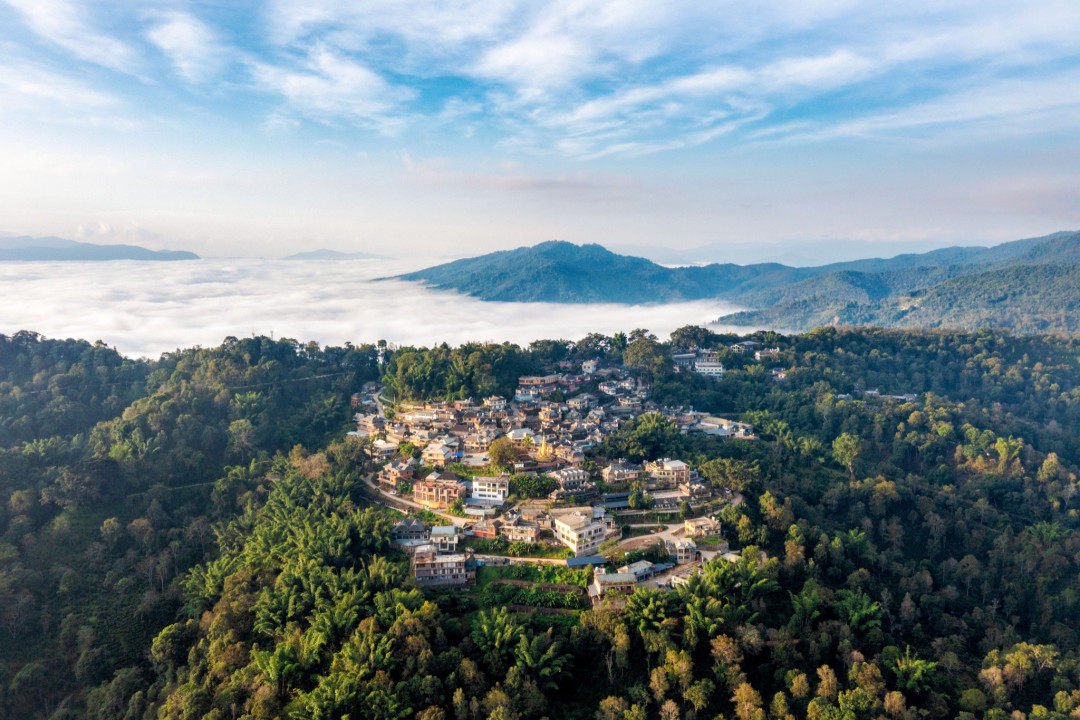
While autumn winds begin to sweep fallen leaves across northern China, Yunnan quietly unfurls a canvas of intense colors. There is no single version of autumn here—it can be the sapphire blue of Fuxian Lake, the fiery red of Dongchuan's Red Land, the golden maple leaves of Xiaocaoba, or the silver glow of Meili Snow Mountain at sunrise. In November 2021, my friend and I spent 30 days driving around Yunnan, capturing the most moving details of autumn through our wheels and lenses. The trip cost around 20,000 RMB. We set out from Kunming, originally planning a clockwise route across the province. But an unexpected rainy season forced us to switch to a counterclockwise direction—a detour that brought us even more surprises.
If you long for a deep autumn journey, this travelogue might just be the starting point for your next adventure.
Why November? — The Right Way to Experience Autumn in Yunnan
Yunnan, located in southwestern China, is dominated by subtropical and tropical monsoon climates, while the northwestern part features a plateau mountain climate. The Tropic of Cancer runs across the south, and the terrain slopes from northwest to southeast. Mountains cover 88.64% of the province, with six major river systems (the Yangtze, Pearl, Yuan, Lancang, Nujiang, and Daying Rivers) flowing through. Known as the "Kingdom of Plants and Animals" and the "Kingdom of Nonferrous Metals," it is also one of the important birthplaces of human civilization.
Originally, we planned to depart in July or August, but the frequent rainfall during the rainy season would severely affect our photography. So we postponed the trip to November—the season when Yunnan's autumn colors are at their most brilliant. However, plans rarely survive reality: when we arrived in Qujing, weather maps showed that eastern Yunnan would be overcast for two weeks. We made an immediate decision to head west, changing our route from clockwise to counterclockwise. This choice allowed us to avoid the gloom and stumble upon the most beautiful light and shadows.
Fuxian Lake: A Vast Sapphire, Red Sand Beaches, and an Underwater Lost City
First Stop: Yuxi
Fuxian Lake is China's largest high-altitude deep-water lake by storage capacity and the second deepest freshwater lake. Shaped like a gourd running north-south, its water volume is immense, ranking third in Yunnan after Dianchi Lake and Erhai Lake. The water is so clear that you can see the bottom, earning it the ancient name "Vast Sapphire." Today, strong ecological protection keeps this lake as pristine as a blue ocean.
On my second visit to Fuxian Lake, I still have a special fondness for Luchong Bijiashan. The Luchong scenic area, backed by Qilin Mountain and flanked by Jianshan and Bijiashan, is a national 4A-level attraction. The ancient trees here are astonishing: a thousand-year-old fragrant tree in Biyan Park once served as a filming location for the 1980s TV drama The Wasted Years; and a banyan tree from the Song Dynasty, located north of Dadong, is 770 years old. Climbing Bijiashan at dawn to watch the sunrise, or experiencing the traditional method of fishing with water wheels, are both must-do activities.
The Truth About the Pink Sand Beach: At Hongshanzui, there is a beach covering about 300-400 square meters with reddish soil. On a sunny day, aerial shots do show a red hue, but it's far from the dreamy "pink" that some imagine. Still, as the saying goes, "since you're here anyway," checking it out for yourself is part of the fun.
Fuxian Lake also holds the legend of an underwater city. Some diving enthusiasts have discovered large-scale artificial structures on the lakebed, astonishing in their scale. Does this ancient city really exist? Why did it sink to the bottom? The answers remain to be explored.
Dongchuan Red Land: A Fiery Poem on the Earth's Palette
On our way from Kunming to Qujing and Zhaotong, we made a detour to Dongchuan. This red soil, formed by high temperatures and abundant rainfall, is rich in iron and aluminum, low in organic matter, and highly acidic. Covering an area of nearly 100 kilometers, it is the most concentrated and typical red land on the Yunnan plateau. Blue skies, white clouds, and shifting light create a magnificent landscape.
September to December is the best season to see the Red Land. While red soil is common across southern China, Dongchuan's Red Land rivals that of Rio de Janeiro in Brazil—and is perhaps even more spectacular. The mountain roads are winding and steep, but once you arrive, you'll find that the vastness of this land exceeds all expectations.
Zhanyi Haifeng Wetland: "Yunnan's Little Guilin" Hidden in a Village
Located in the western part of Zhanyi District, Qujing City, Haifeng Wetland is a provincial nature reserve and the "lowest latitude, highest altitude" inland wetland in Yunnan. Centered around Lanshipo Haizi, along with Gan Haizi and Bei Haizi, it spans 14 square kilometers, with marshes and lake wetlands covering 10,860 mu (about 724 hectares). It is known as the "Ninety-Nine Mountains, Ninety-Nine Peaks" and "Yunnan's Little Guilin."
This place is deeply hidden—we twisted and turned along country roads, at times doubting our GPS. But once we arrived, we understood what "nature's masterwork" truly means. The reserve is home to 169 bird species, including national first-class protected animals like the black stork and black-necked crane; 25 mammal species, 15 amphibian species, and 17 reptile species. In terms of flora, there are national second-class protected plants such as Douglas fir, fan fern, and water cabbage. Mountains, water, forests, rocks, caves, pools, and grasslands blend together, forming a classic karst wetland landscape.
Zhaotong: The "Key to Southern Yunnan" and the "Narrowest County" Hidden in the Mountains
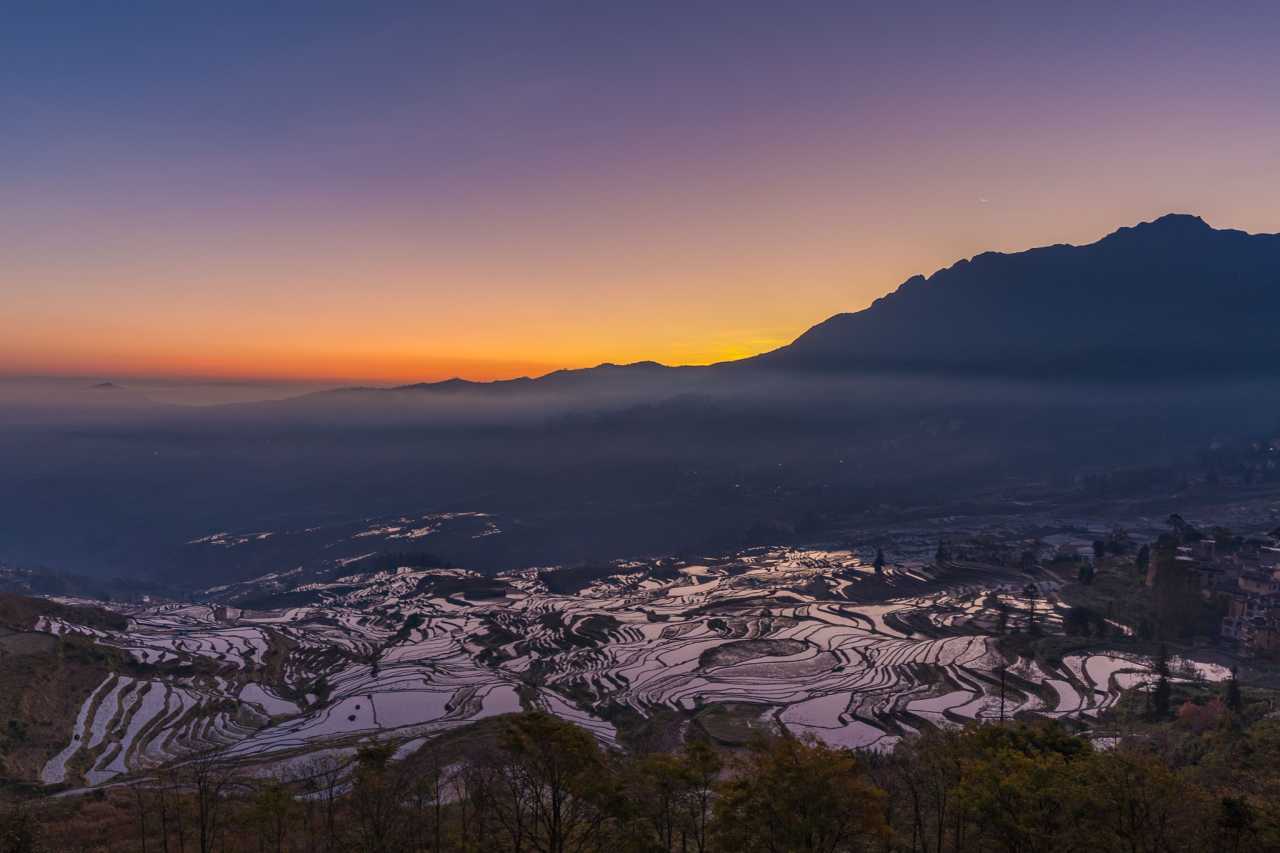
Zhaotong is one of the least prominent tourist destinations in Yunnan, bordering Sichuan and tucked deep within the mountains. But it holds many treasures.
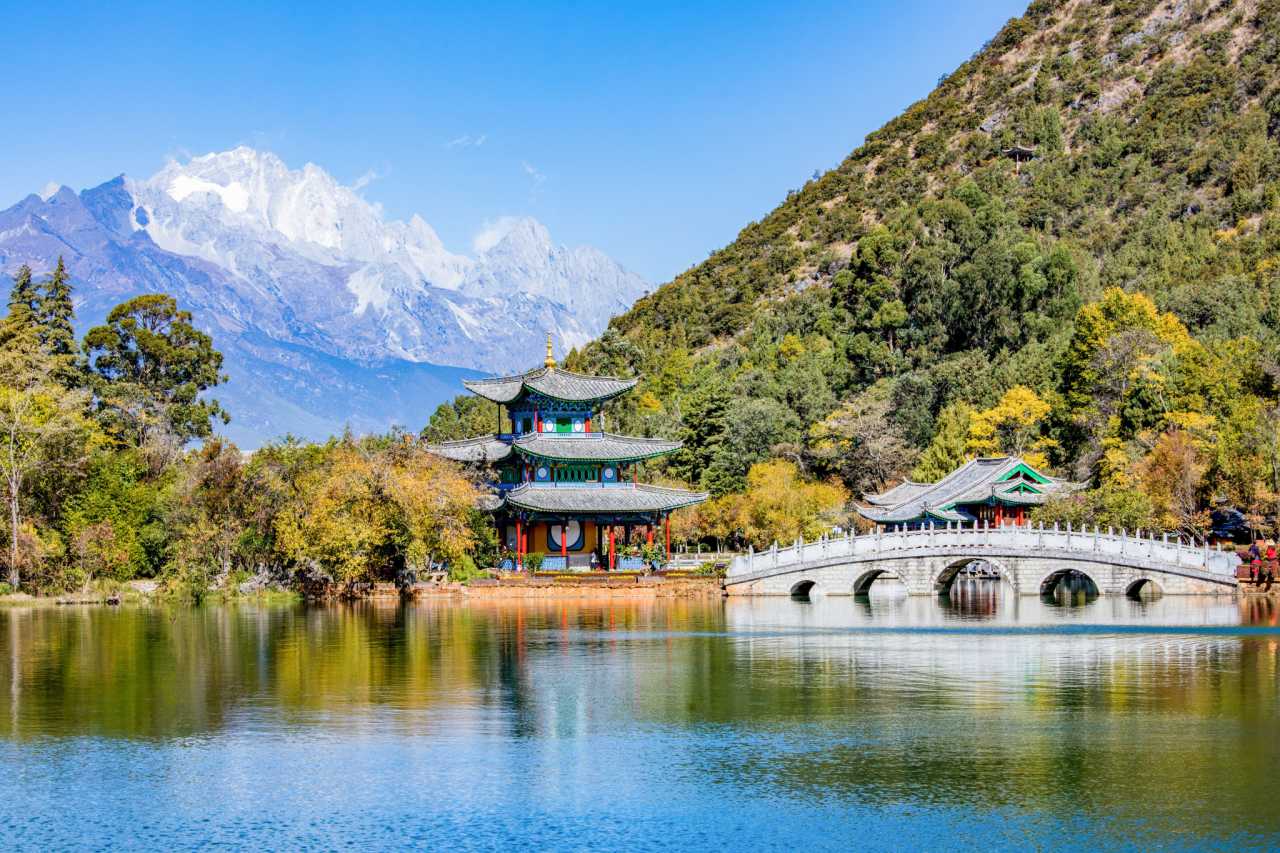
The Four Seasons of Xiaocaoba: Located within the Wumeng Mountain National Ecological Reserve, Xiaocaoba is known as a "lung-cleansing paradise" and a "land of sleep." In November, autumn is in full swing, with maple forests ablaze in color. However, we experienced both autumn and winter in a single day—one moment we were surrounded by vibrant maple leaves, the next, light snow began to fall, and rime ice turned the world into a fairy tale. Waterfalls still roared, creating a flowing painting.
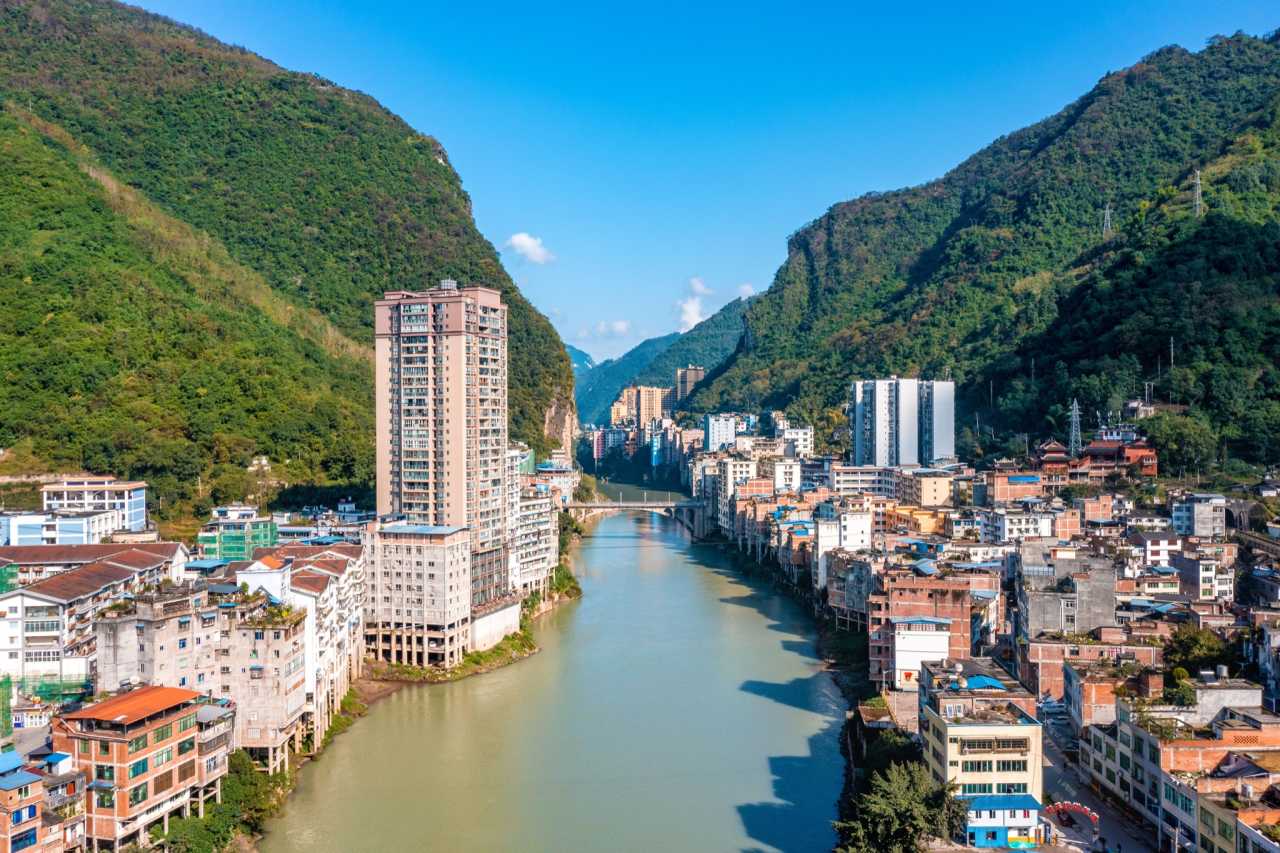
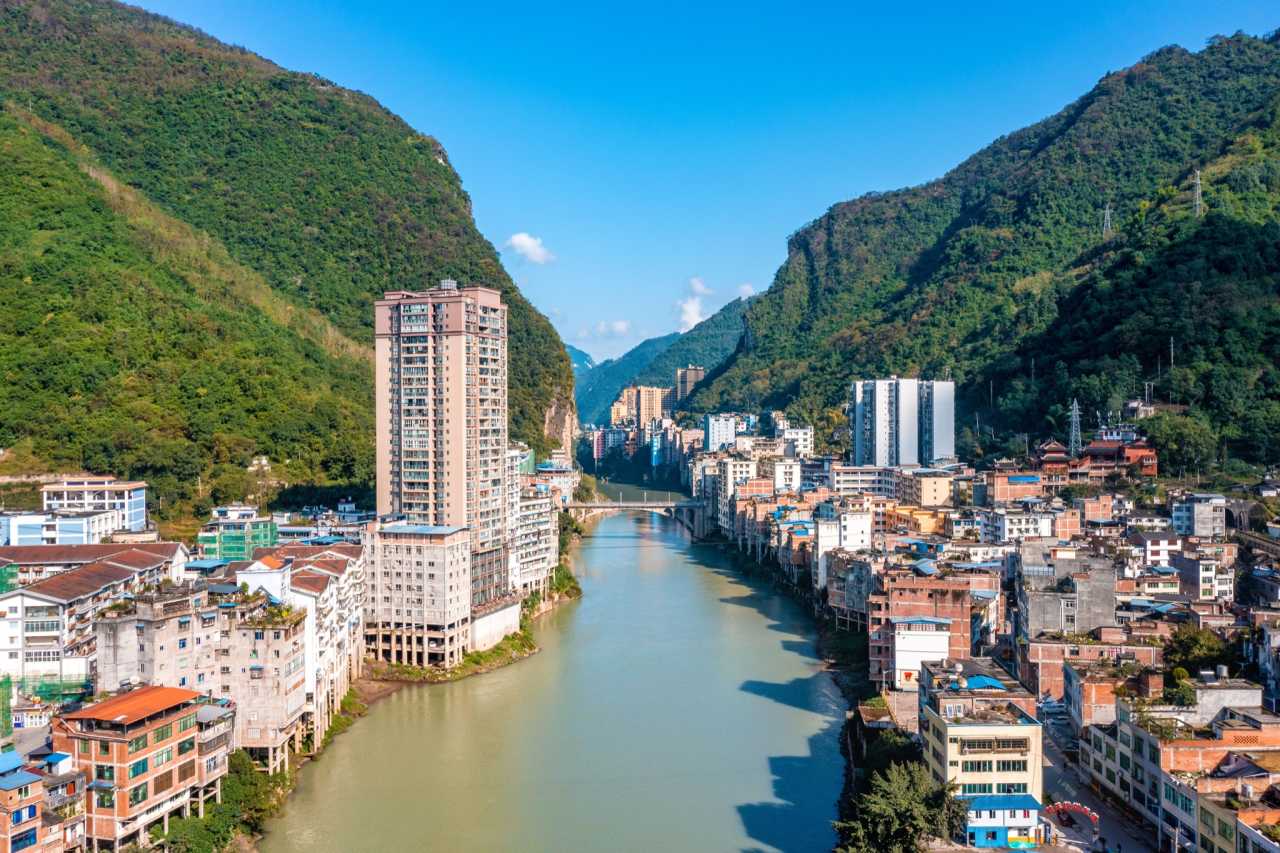
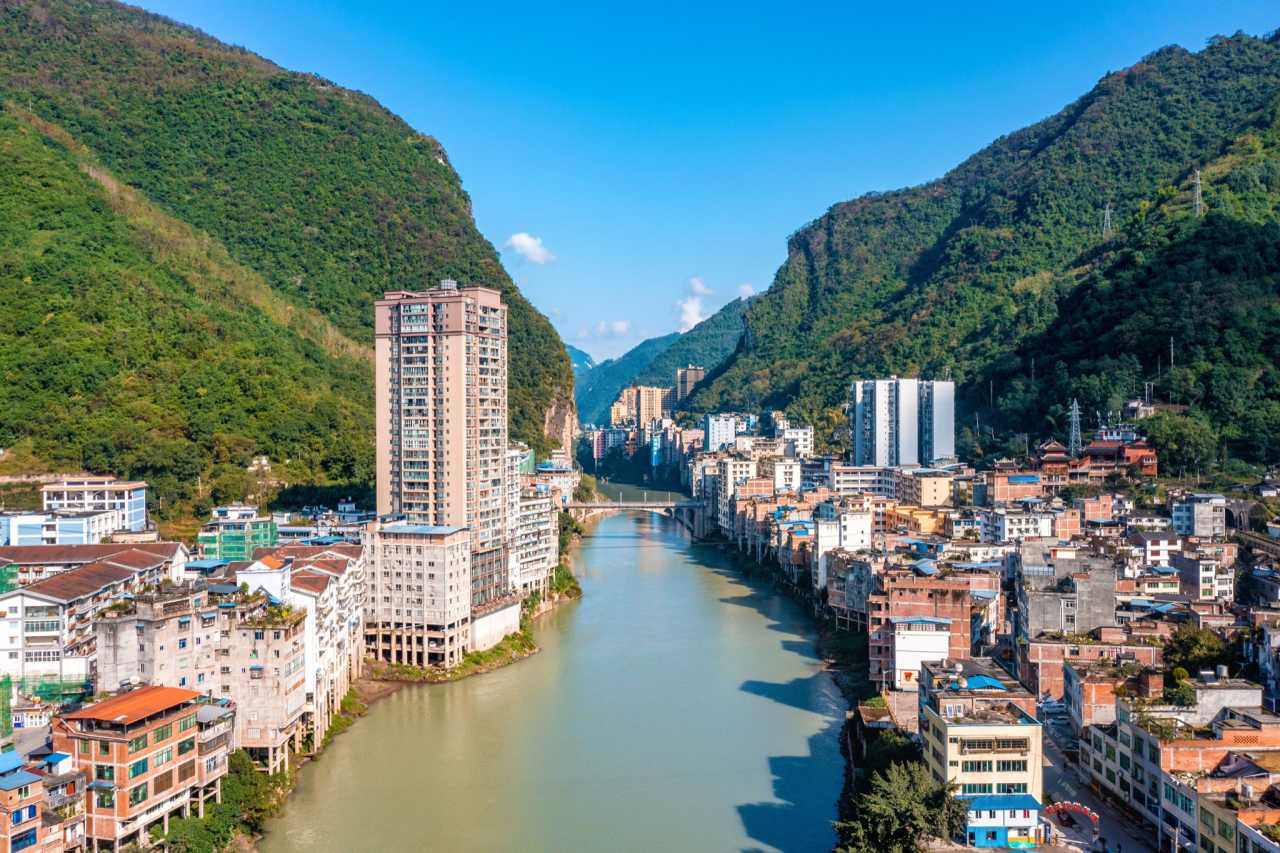
Yanjin County: China's Narrowest County: The entire county sits in a gorge, with the narrowest point less than 30 meters wide and the widest only 300 meters. Cliffs line both sides of the river, and houses are built into the mountainside, all reinforced concrete stilt houses. From above, the whole county looks like a straight line. Historically, it was a key route from the Central Plains into Yunnan, named for its salt production and ferry crossing. Dousha Pass, 22 kilometers from the county, is a steep and dangerous gorge, historically the first major barrier controlling Yunnan and Sichuan, earning the description "one man can hold the pass against ten thousand."
Jinsha River and Dashanbao: The Jinsha River flows through Sichuan, Tibet, and Yunnan. The Zhaotong section is the lower reaches, with a road running along the river and Sichuan on the opposite bank. Dashanbao is a wintering ground for black-necked cranes, often called "panda birds." These cranes arrive from the Qinghai-Tibet Plateau on the ninth day of the ninth lunar month and leave the following March. November is the off-season at Dashanbao. We arrived before dawn, only to find the staff still asleep and had to honk our horn to "wake them up." But it was all worth it—cloud seas rolled through the valleys, and the sunrise at 3,500 meters above sea level felt like a scene from another world.
Dali: Wind, Flowers, Snow, and Moonlight—More Than One Kind of Romance
Due to the weather, we arrived in Dali earlier than planned. This city always offers something new with each visit.
Erhai Lake and Red-Billed Gulls: Cycling around Erhai Lake used to be a classic experience, but now "sports car tours" around the lake have become trendy. The artistic vibe of Shuanglang attracts countless young people, with mid-to-high-end guesthouses lining the area. Red-billed gulls are the winter spirits of Erhai, their figures dotting the lake's surface. In recent years, Dali's environmental management of Erhai has been highly effective, and the lake remains a brilliant blue.
Chongsheng Temple and the Three Pagodas: Jin Yong, the famous martial arts novelist, once said, "I wrote about Dali without ever having been there—perhaps I was a Dali native in a past life." The Three Pagodas of Chongsheng Temple are located 1.5 kilometers northwest of Dali Old Town, facing Cangshan Mountain to the west and Erhai Lake to the east. The main pagoda, Qianxun Pagoda, stands 69.13 meters tall and was built during the Nanzhao Kingdom period of the Tang Dynasty. It combines three functions in one structure and represents the pinnacle of architectural art.
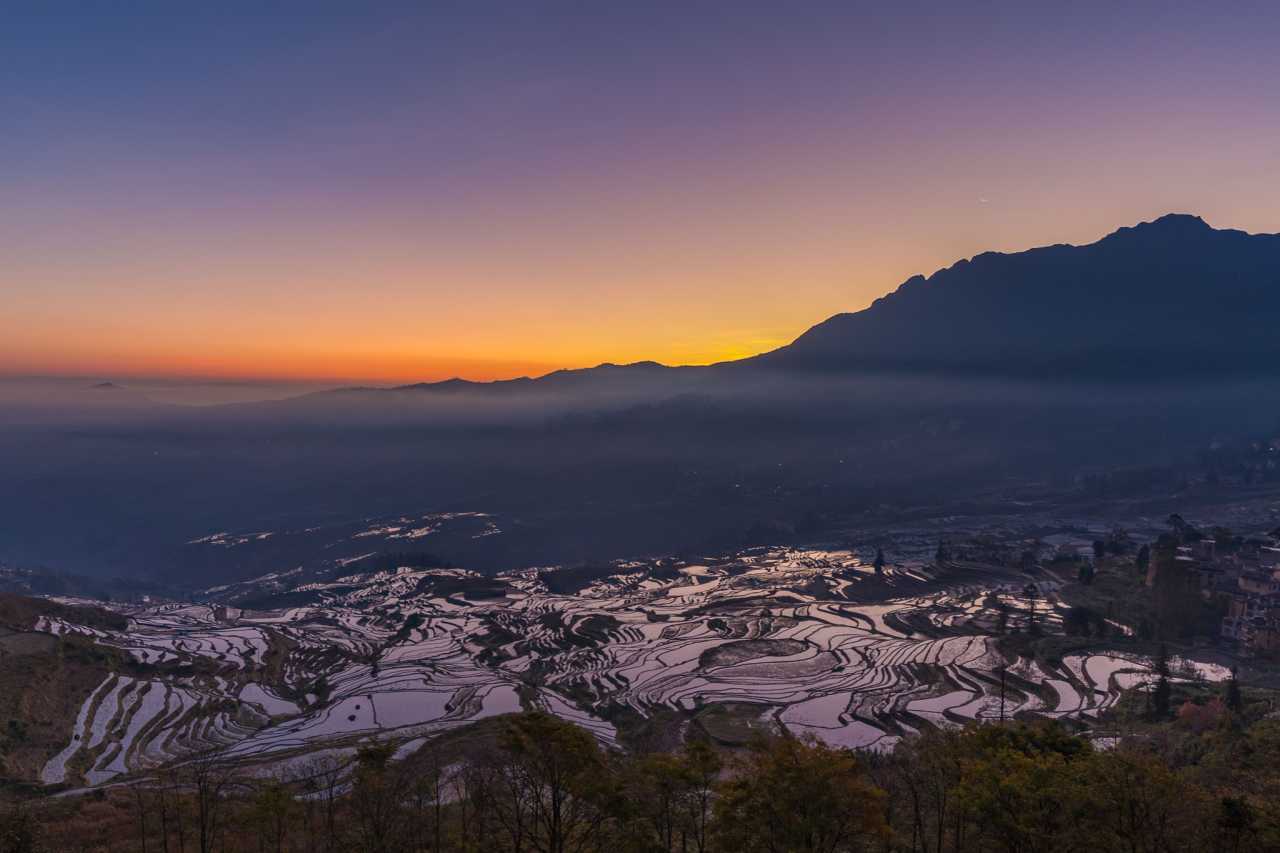
Xizhou Ancient Town: Some say, "There is a kind of romance called Dali, and a kind of healing called Xizhou." Located 18 kilometers from Dali Old Town, Xizhou was a military stronghold during the Nanzhao period. White ethnic architecture, with its "three courtyards and one screen wall, four courtyards and five skylights," is everywhere. The rapeseed flowers in spring, the green rice paddies in summer, and the golden waves of rice in autumn—when the wind blows, they look like ocean swells. The tranquility of Xizhou is a balm for fast-paced modern life.
Shuanglang and Weishan: Shuanglang is known as "the best town for views of Cangshan and Erhai." The glass castle Qinglu on Yuji Peninsula is its iconic structure. Meanwhile, Weishan Ancient Town, the ancient capital of the Nanzhao Kingdom, is low-key and quiet, preserving a Ming-Qing-era grid layout that resembles a giant seal.
Shaxi Ancient Town: About 90 kilometers in a straight line from Dali, the mountain roads take two hours. This thousand-year-old town was once a market town on the Ancient Tea Horse Road. Red sandstone streets, century-old trees, an ancient stage, and Yujin Bridge all bear the marks of time. The hoofprints on the cobblestones of Sifang Street, the ancient trees, and the small stage seem to echo with the applause of caravan drivers. Shaxi's quiet stands in stark contrast to Dali's bustle.
Yunlong's Natural Tai Chi Diagram and Nuodeng Ancient Town: The Bijiang River forms a massive "S" curve north of Yunlong County. From above, it looks like a natural Tai Chi diagram, changing with the seasons. Nuodeng Ancient Town lies behind this Tai Chi diagram, famous for its ham, featured in the documentary A Bite of China. The town clings to the mountainside, with most houses being Ming-Qing-era courtyard homes. This village, once a hub for the salt trade, was a major economic center in western Yunnan.
Lijiang and Shigu: The Magnificence of the First Bend of the Yangtze River
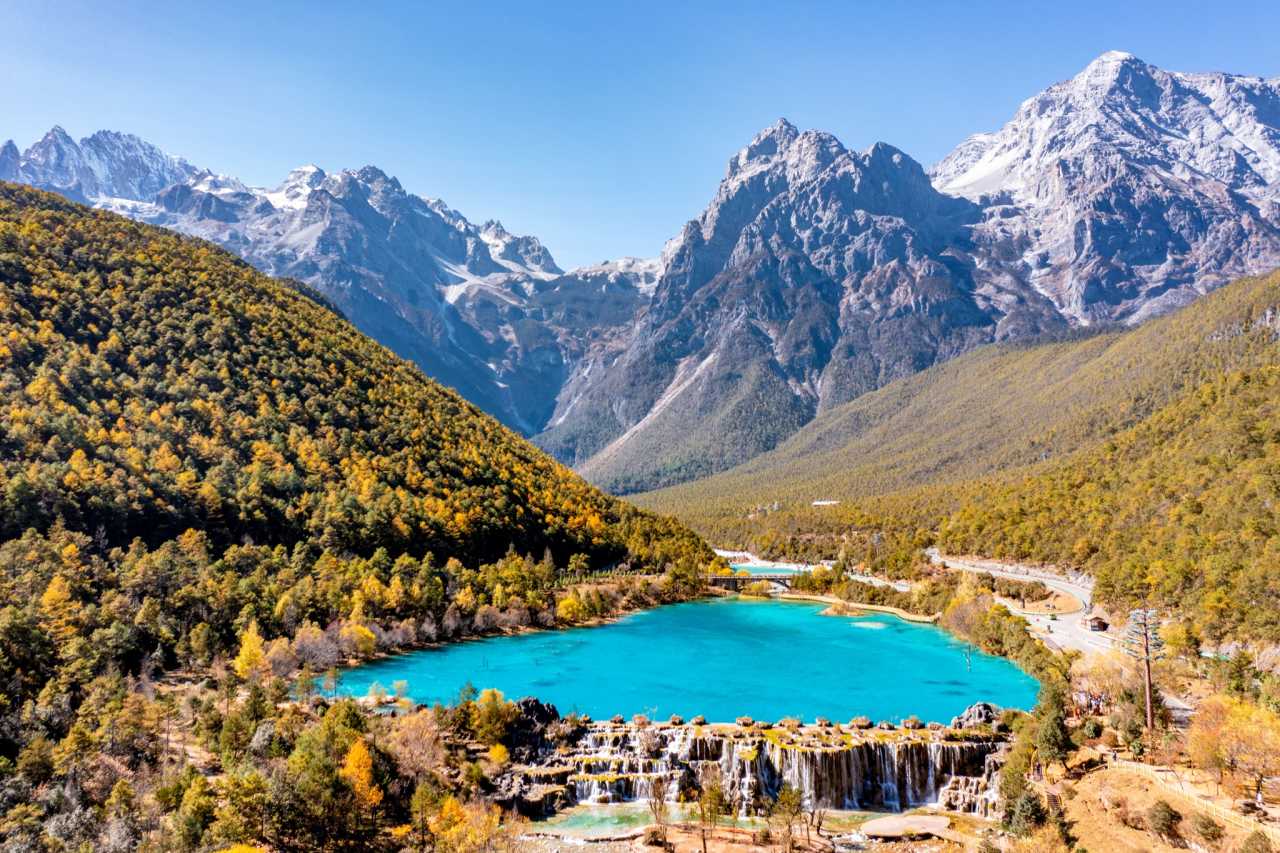
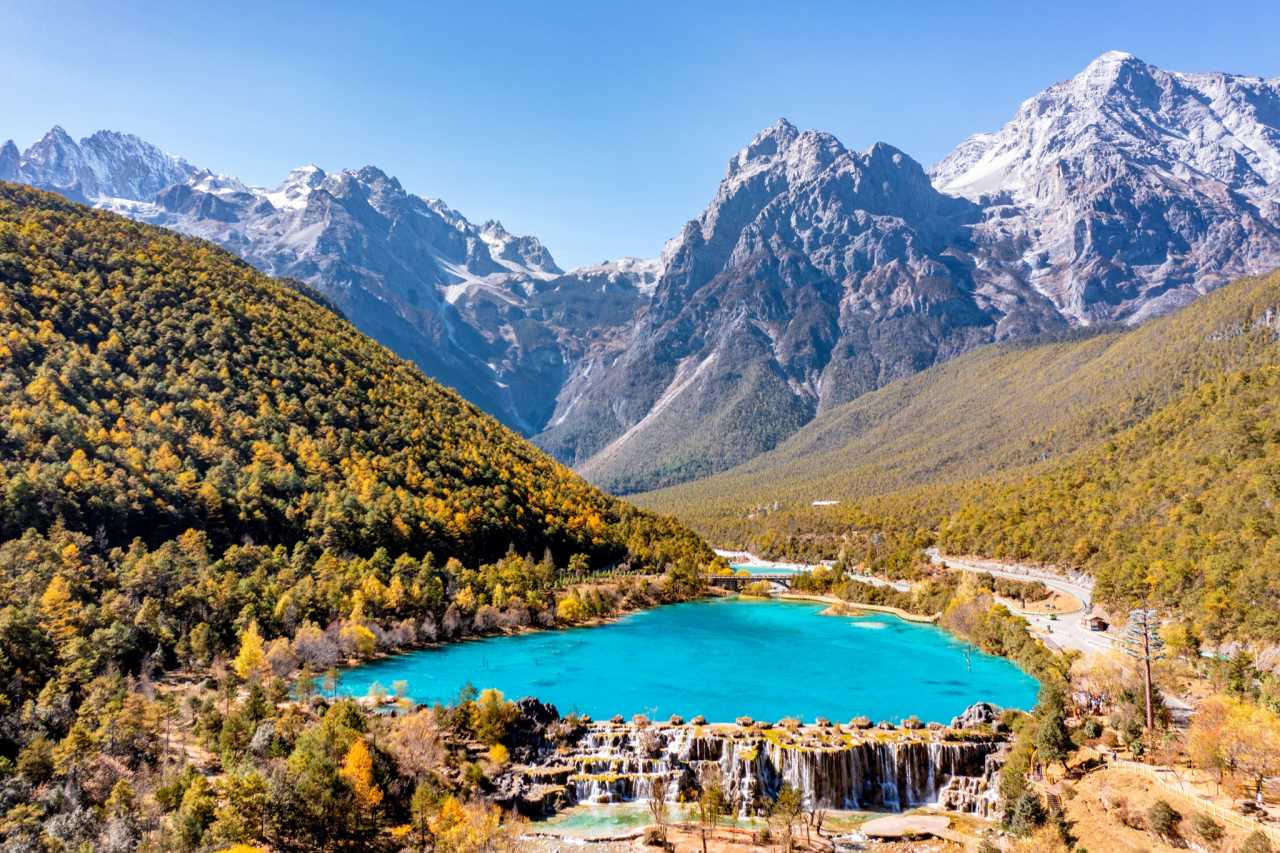
Starting from Jianchuan County in Dali, we arrived at Shigu Town in Yulong County, Lijiang. Named after a white marble drum-shaped stone tablet, Shigu has been a strategic military site throughout history. During his southern campaign, Zhuge Liang erected a stone drum here. Shigu Town lies at the famous First Bend of the Yangtze River—where the Jinsha River, rushing south from the Qinghai-Tibet Plateau, is forced by mountain cliffs to make a sharp turn east, creating the world-renowned "Three Parallel Rivers" phenomenon.
Conclusion: Yunnan's Autumn—A Feast That Never Ends
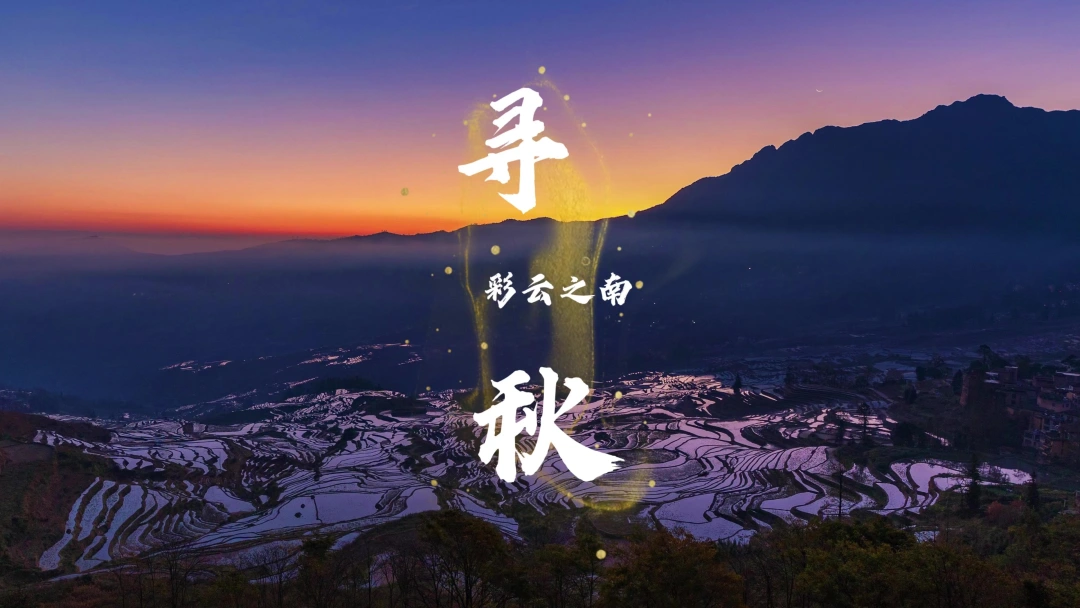
30 days, over 6,000 kilometers. From the sapphire blue of Fuxian Lake to the fiery red of Dongchuan, from the golden maple leaves of Xiaocaoba to the silver glow of Meili Snow Mountain, from the quiet of Shaxi to the artistic charm of Shuanglang—Yunnan's autumn is not a single color but a symphony composed by mountains, lakes, ancient towns, and human culture.
Practical Tips for Travelers: - Best Time: November is the most brilliant season for autumn colors in Yunnan, but be aware of rainy weather in the east. It's wise to adjust your route flexibly. - Transportation: Self-driving is the best option, but mountain roads require careful driving. - Budget: For 30 days, the per-person cost is about 20,000 RMB, including fuel, accommodation, meals, and entrance fees. - Gear: The plateau region has large temperature variations, so pack warm clothing. Photography enthusiasts should bring a tripod and a wide-angle lens. - Off-the-Beaten-Path Recommendations: Xiaocaoba, Yanjin County, Shaxi Ancient Town, and Nuodeng Ancient Town are less crowded and offer stunning scenery worth exploring in depth.
Yunnan's autumn is not just found in the scenic spots—it's on the road. Every turn might reveal an unexpected view. If you, too, long for a deep autumn journey, then set out—Yunnan is waiting for you.
You should also read:
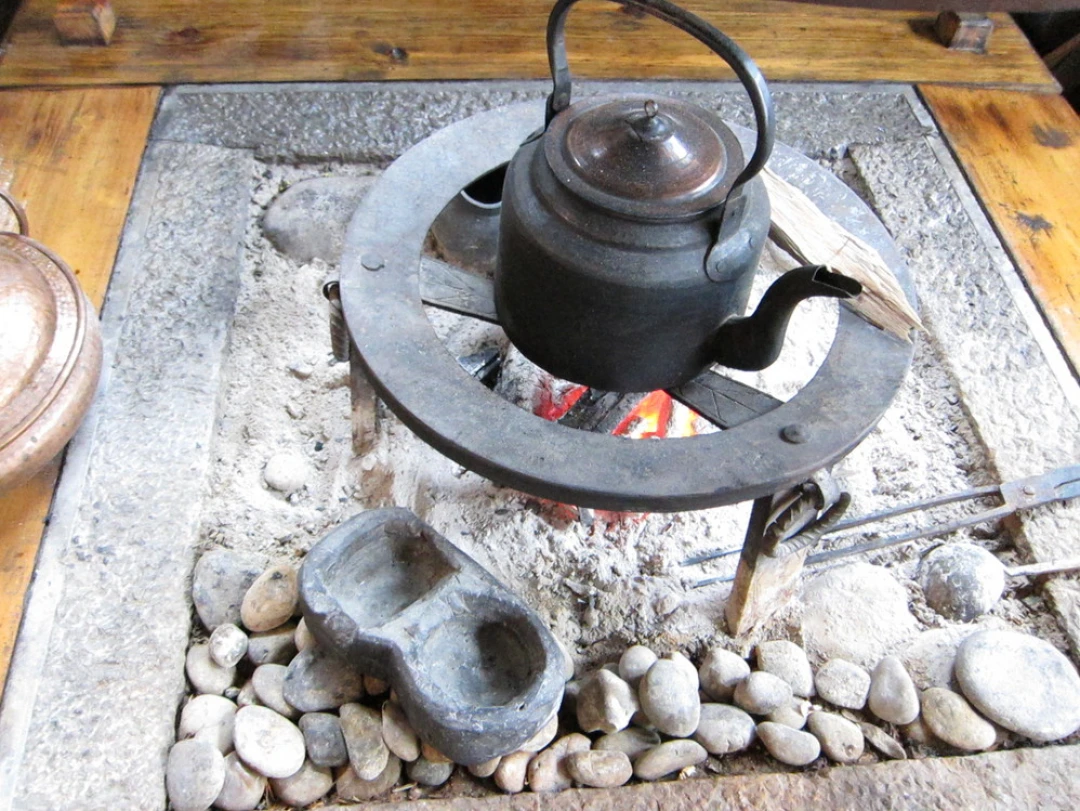
Dreaming of Lijiang, Dreaming of Shangri-La: A Journey That Lets Your Soul Breathe Deeply
Dreaming of Lijiang, Dreaming of Shangri-La: A Journey That Lets Your Soul Breathe Deeply Life is like a long trek. We're always rushing through the concrete jungle, searching for a glimmer of light in the monotony of our days. Then one autumn, I heard the…
Continue reading...
Escaping Nanning, Falling Under Lijiang's Spell: Our Four-Person, Ten-Day Yunnan Dream
Escaping Nanning, Falling Under Lijiang's Spell: Our Four-Person, Ten-Day Yunnan Dream Before We Set Off: No Pain, No Obsession Have you ever had that impulse—suddenly tired of the office fluorescent lights, the crush of the subway, the endless parade of identical takeout boxes, and just…
Continue reading...
Solo in Yunnan: A Wanderer’s Guide to the Land of Eternal Spring
Solo in Yunnan: A Wanderer’s Guide to the Land of Eternal Spring There’s something magical about traveling alone. No compromises, no schedules to keep, no one to please but yourself. I’ve been on the road for nearly three months now, and not once have I…
Continue reading...