Yunnan | After Half a Month of Slow Living in Dali, I Finally Understood What Life Is Really About
Yunnan | After Half a Month of Slow Living in Dali, I Finally Understood What Life Is Really About
You don’t always have to climb higher. Sometimes, you can just wander in every direction.
Preface: When "Softness" Becomes a City’s Soul
If I had to pick one word to sum up Yunnan, it would be "softness." Over the past two or three years, I’ve traveled to many places in the province—Kunming, Lijiang, Jianshui, Mangshi, Tengchong, and now Dali. Without exception, every single city has given me a bone-deep sense of comfort.
When people think of Dali, the phrase "poetry and the distant horizon" instinctively comes to mind. To be honest, this was my third time setting foot on this land. On my personal travel ranking, Dali has always held the top spot for "China’s most laid-back city." In today’s lingo, it’s truly "chill."
This time, I purposely set aside a full two weeks. Because Dali’s charm isn’t something a hurried sightseer can grasp—you have to soak it up at a slow pace to truly unlock the city the right way.
Unlike my previous trips, I didn’t circle Erhai Lake again, and I even skipped the most popular and commercialized Dali Old Town. Instead, I devoted all my time to three ancient towns around Dali: Shaxi, Xizhou, and Weishan.
Shaxi: The Last Living Market on the Ancient Tea Horse Road
First Glimpse: A Time-Forgotten Place
When I arrived in Shaxi, my first thought was that time here seemed to move half a beat slower than the outside world.
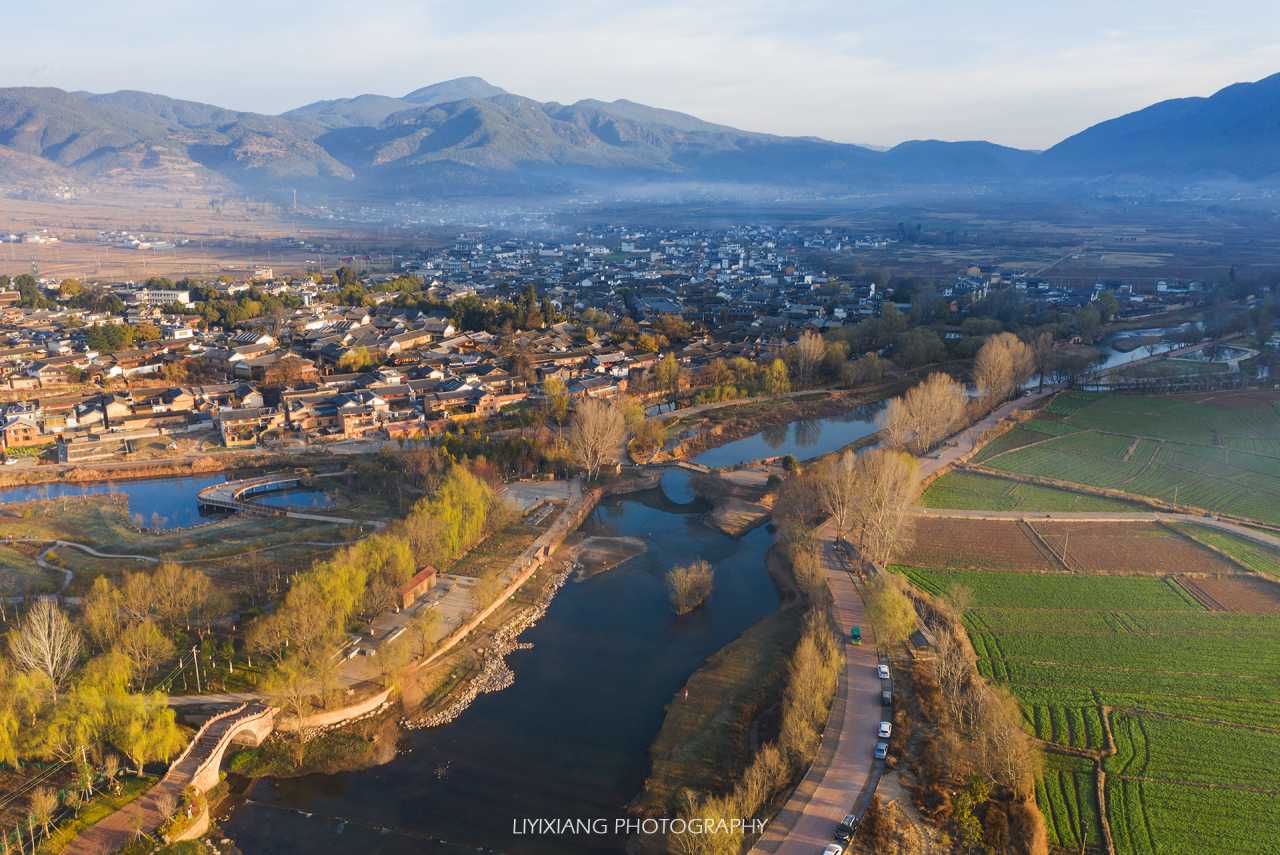
Shaxi Ancient Town lies about 80 kilometers north of Dali Old Town, administratively under Jianchuan County in Dali Prefecture. I got off the bus at the Shaxi visitor center, and just a short walk away was Sideng Street. The moment my feet hit the ground, an ancient, earthy atmosphere washed over me.
This is a town perched on the Yunnan-Tibet Ancient Tea Horse Road. Sideng Street was once a stopover and transit point for horse caravans. Surrounded by mountains on all sides, the Heihui River—a tributary of the Lancang River—flows through the valley from north to south. Shaxi isn’t big; it takes only about ten minutes to walk from one end to the other. Strictly speaking, there are only a handful of sights, mostly clustered around Sifang Street. If you’re just snapping photos and checking boxes, half a day is enough.
But this place is clearly better suited for sitting still and letting your mind wander. Crisscrossing stone paths, scattered old houses, and several ancient trees over 500 years old—every detail silently tells the story of a dusty, weathered past.
Yujin Bridge: A Bridge That Witnessed Rise and Fall
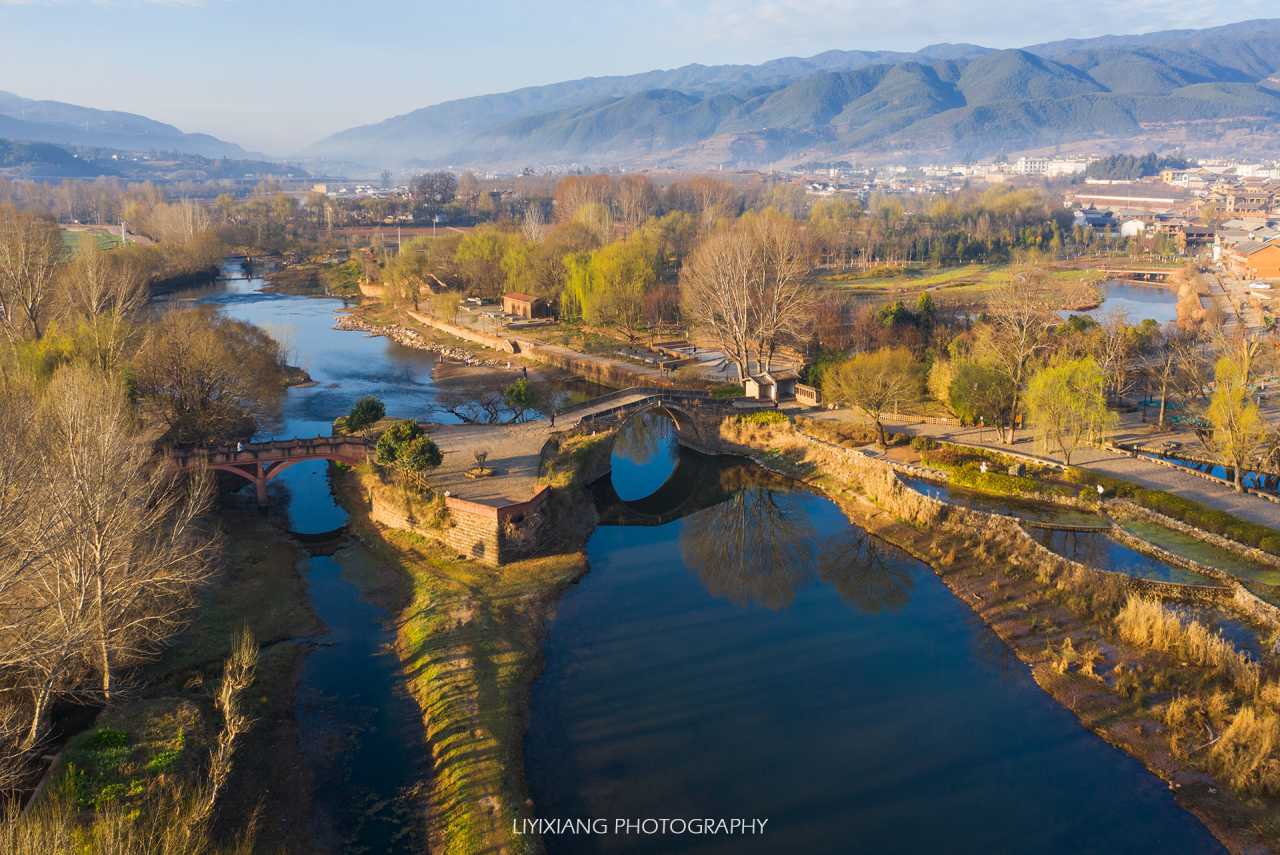
Next to the ancient town lies the Heihui River. Walk along the riverbank under towering trees for a few dozen meters, and an old single-arch stone bridge comes into view—this is Yujin Bridge.
The name "Yujin" comes from a couplet inscribed on the bridge during the Qianlong era of the Qing Dynasty by Shi Lifei: "Stone can form a bridge; from now on, no need to sing of crossing without a ferry; the ford is truly jade; only here do you know the source of the water." Although Shi Lifei was only a seventh-rank county magistrate, he was a literary giant. His compilation Dianxi (A Record of Yunnan) is considered an encyclopedia of the province.
Yujin Bridge was originally a chain bridge. The Qing Dynasty scenic spot "Iron Chain Locking the River" in Shaxi’s four famous views referred to this very spot. During the Xianfeng era, the Hui rebellion led by Du Wenxiu swept through western Yunnan, and the bridge’s iron chains were taken down and melted into weapons. The semicircular single-arch stone bridge we see today was built in the early 20th century. It took a full fourteen years from fundraising to completion.
Climbing the steps to the bridge deck, I looked out at the endless trees and rolling mountains against a backdrop of blue sky and white clouds—like a long scroll painting slowly unfurling. A gentle breeze skimmed the water’s surface, rippling it into layers. Standing in such a peaceful, beautiful scene, my mood lifted with it.
On today’s Yujin Bridge, you can still occasionally hear the crisp sound of hooves and bells. But these horses are no longer the transport of the Tea Horse Road—their only job now is to give tourists a riding experience.
Sifang Street: From a Caravan’s Never-Sleeping City to a New Cultural Landmark
Passing through the East Gate, you arrive at the heart of Shaxi Ancient Town: Sifang Street.

For centuries before the Republic of China era, Shaxi’s Sideng Street was a vital hub for goods along the Tea Horse Road, especially well salt. Horse caravans from north and south streamed through Sifang Street without end, and the market even ran day and night, earning it the nickname "the never-sleeping city of the caravan." A Qing Dynasty text from the Qianlong era, Diannan Xinyu (New Tales of Southern Yunnan), recorded the night market’s bustle: "At sunset and dusk, villagers swarm like ants, holding pine torches… many sit on the ground drinking in groups, singing and dancing in competition."
Today, such lively markets are held every Friday, but to protect the ancient buildings, the market has been moved from Sifang Street to another part of town.
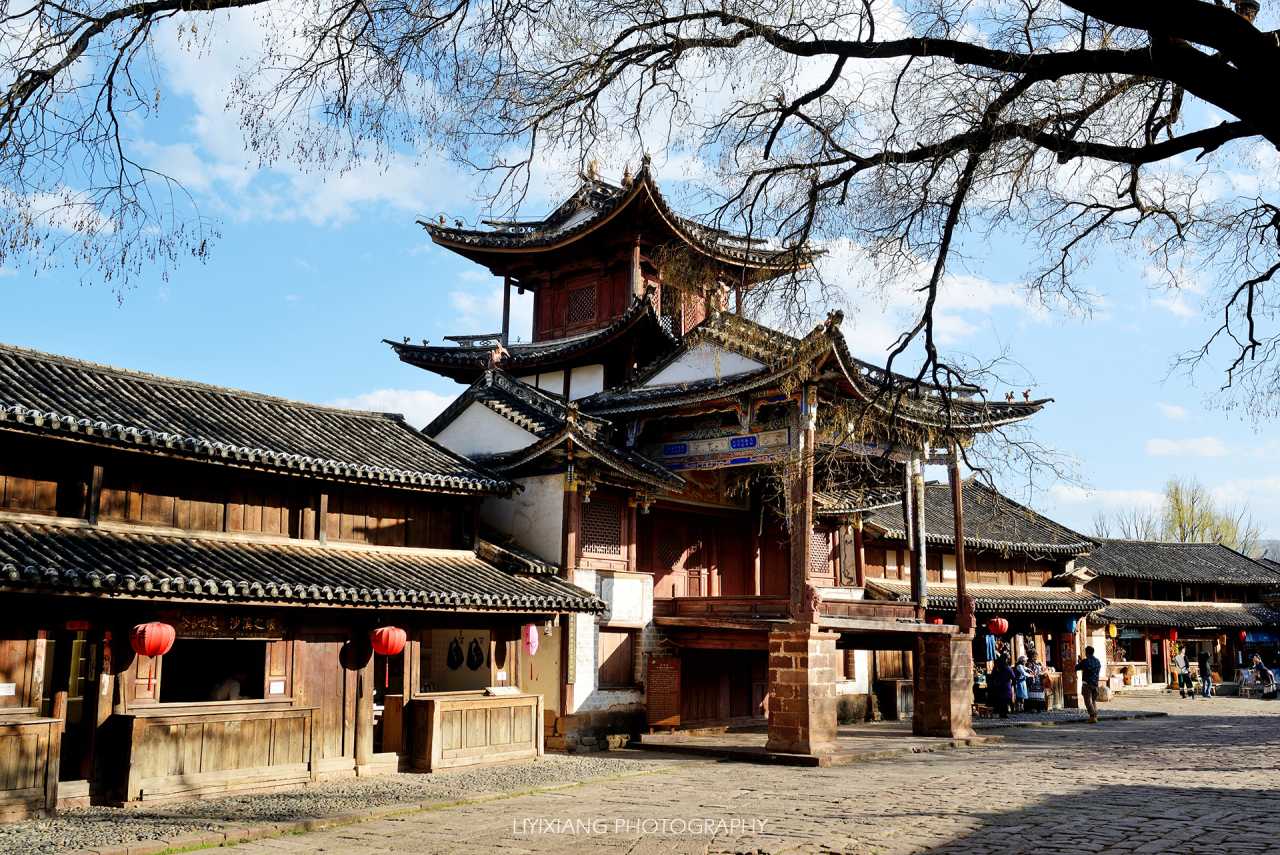
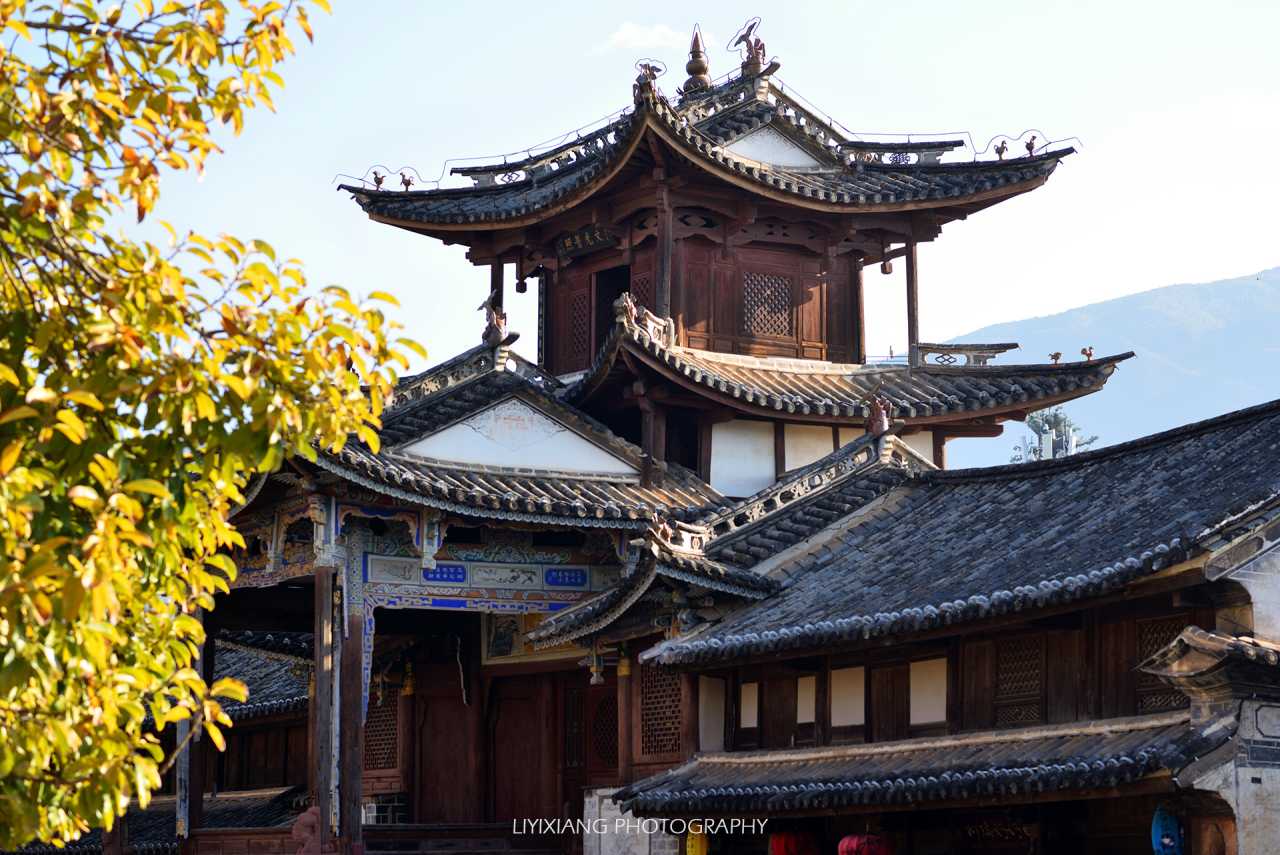
The ancient stage at Sifang Street is one of Shaxi’s most important structures—it faces the main gate of Xingjiao Temple because, in olden times, performances were offered to the gods and Buddhas. Built during the Jiaqing era of the Qing Dynasty and restored in the sixth year of the Guangxu reign (1880), the stage is a three-story, fourteen-eave, flying-corner structure in the xieshan (hip-and-gable) style. Its bold shape resembles a phoenix spreading its wings to take flight.
In 2013, the ancient stage of Shaxi’s Sifang Street appeared on the cover of Lonely Planet: Yunnan, introducing the name Shaxi to many for the first time.
Xingjiao Temple: A Hidden Treasure of Ming Dynasty Murals
On the west side of Sifang Street stands Xingjiao Temple, facing the ancient stage. Built in the thirteenth year of the Yongle reign of the Ming Dynasty (1415), it is over 600 years old.
What makes Xingjiao Temple special is that it is the only surviving Ming Dynasty Azhali Buddhist temple of the Bai ethnic group in China. "Azhali" is a Sanskrit transliteration meaning "teacher." This Buddhist school was introduced to Dali, Yunnan, during the Tang Dynasty, blending Han Chinese Buddhism, Tibetan Buddhism, Esoteric Buddhism, and folk religion—truly a "local Buddhism" of Yunnan.
Beyond the architecture itself, the temple’s main hall is most remarkable for its Ming Dynasty murals under the eaves on all four walls. There are sixteen murals in total, painted in the fifteenth year of the Yongle reign (1417) by Zhang Bao, a Bai painter from Jianchuan. The style is consistent with the Zhang Shengwen Scroll now housed in the Taipei Palace Museum, with faint echoes of Tang and Song dynasty traditions.
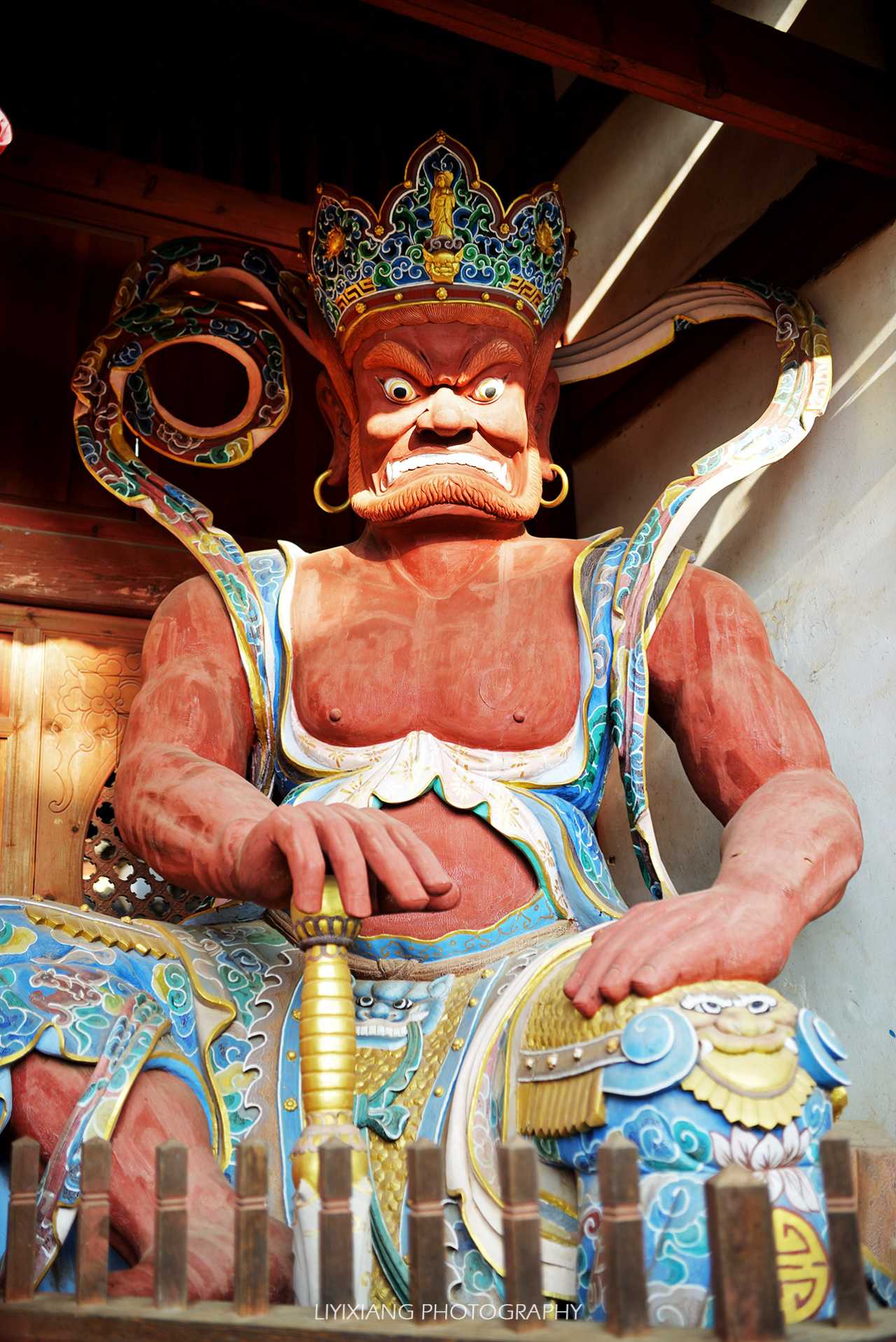
The most notable piece is the Namo Subduing Demons Shakyamuni Assembly above the central door of the main hall—the best-preserved mural in Xingjiao Temple. The painting is crowded with figures, each with distinct expressions: the solemnity of the Buddha, the majesty of the heavenly kings, the arrogance of the demons—all vividly brought to life.
Ouyang Courtyard: A "Five-Star Inn" on the Tea Horse Road
In Sanjia Alley on the north side of Sifang Street lies Ouyang Courtyard. This best-preserved horse inn in Shaxi was once hailed as the "five-star inn" on the Yunnan-Tibet Tea Horse Road.
Built in the late Qing and early Republic periods, Ouyang Courtyard consists of two traditional Bai-style "three-bay, one-screen-wall" compounds connected to a stable. Entering the courtyard, the wood and brick carvings on the first and second gates are exquisitely ornate. The walls of the passage between the two gates are painted with poems and pictures on the theme of farming and studying.
The original owner of Ouyang Courtyard was not a native of Shaxi. The Ouyang family’s ancestors came from Ji’an in Jiangxi Province and served as officials in Jianchuan, Yunnan, during the Ming Dynasty. Later, one branch moved to Shaxi, producing a man named Ouyang Jinghe. Starting as a groom, he gradually became the wealthiest "horse leader" (caravan chief) in Shaxi and funded the construction of this courtyard.
More than a decade later, the old horse leader died, and his son Ouyang Shu took over the family business. In 1947, Ouyang Shu was killed by bandits while transporting goods. His wife, Zhao, bravely stepped up to lead the caravan. This "female horse leader" lived until 2005, passing away at the age of ninety-four, never remarrying.
In 2019, the government acquired the courtyard from Ouyang’s descendants. During restoration, the original lattice doors, shrines, furniture, and other objects were kept exactly as they were—these weathered old items seem to stand as silent witnesses to the history of the horse caravans.
The Market: A Thousand Years of Living Fire
It would be a shame to visit Shaxi without experiencing a local market. In Dali, almost every town has its own market, but Shaxi’s Friday market is the most authentic.
This distinctly local market can be seen as a continuation of the Tea Horse Road’s trade culture—the ancient barter system has transformed into a weekly "market day." On market days, people from surrounding villages set out early. Along the nearly two-kilometer-long market, vendors from different areas display a dazzling array of goods, from fresh fruits and vegetables to handmade crafts—everything you can imagine.
Xizhou: A Century of Merchant Legacies Amid Wind and Wheat Waves
If Shaxi is ancient, then Xizhou is poetic.
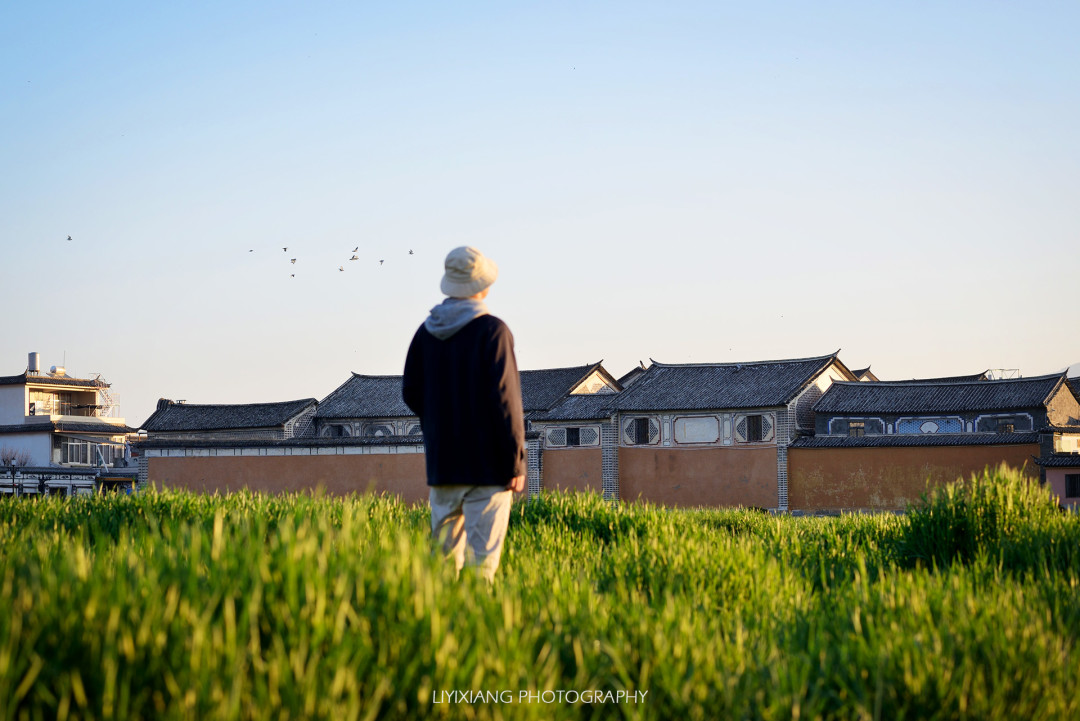
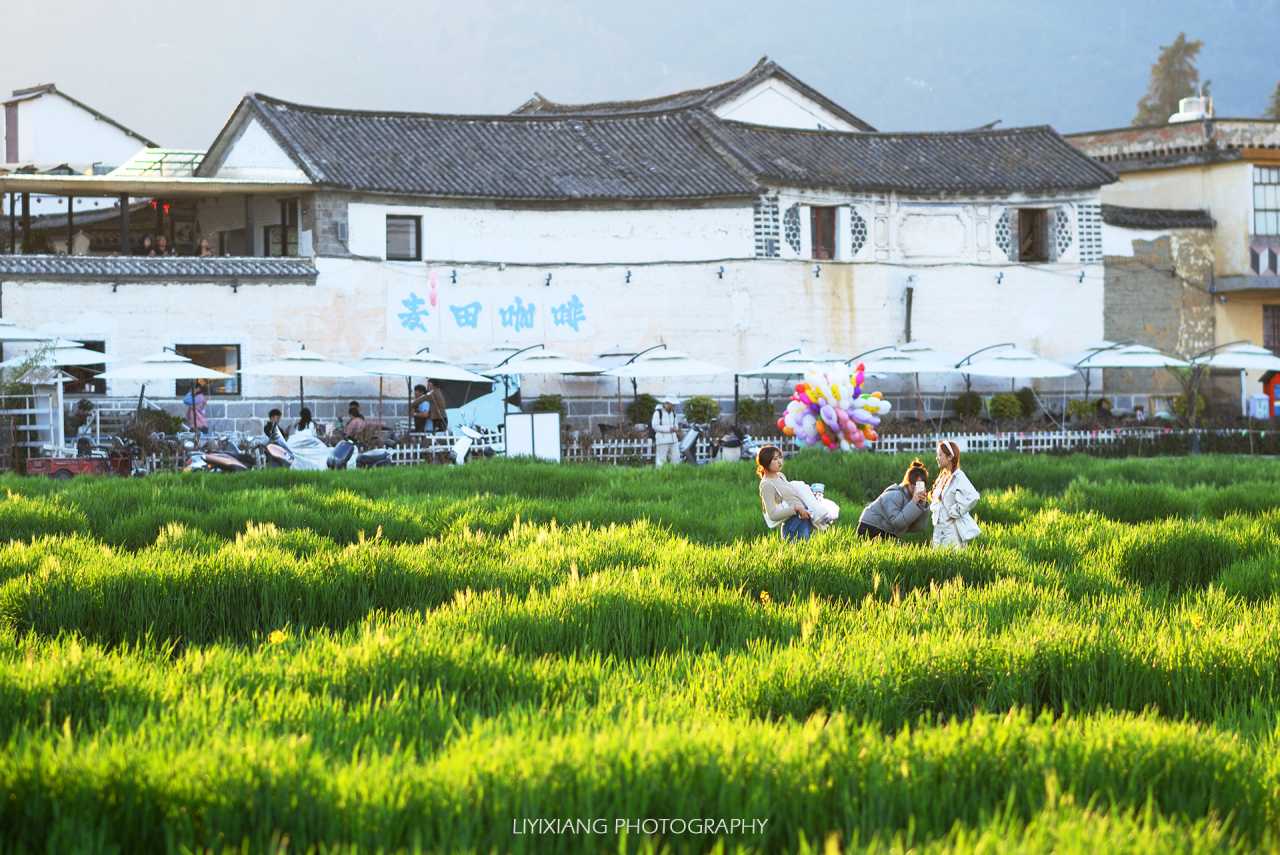
In the early morning, soft sunlight spills over the green fields, gilding the wheat seedlings in gold. A light breeze brushes through, sending ripples across the wheat—evoking scenes from a Hayao Miyazaki animation.
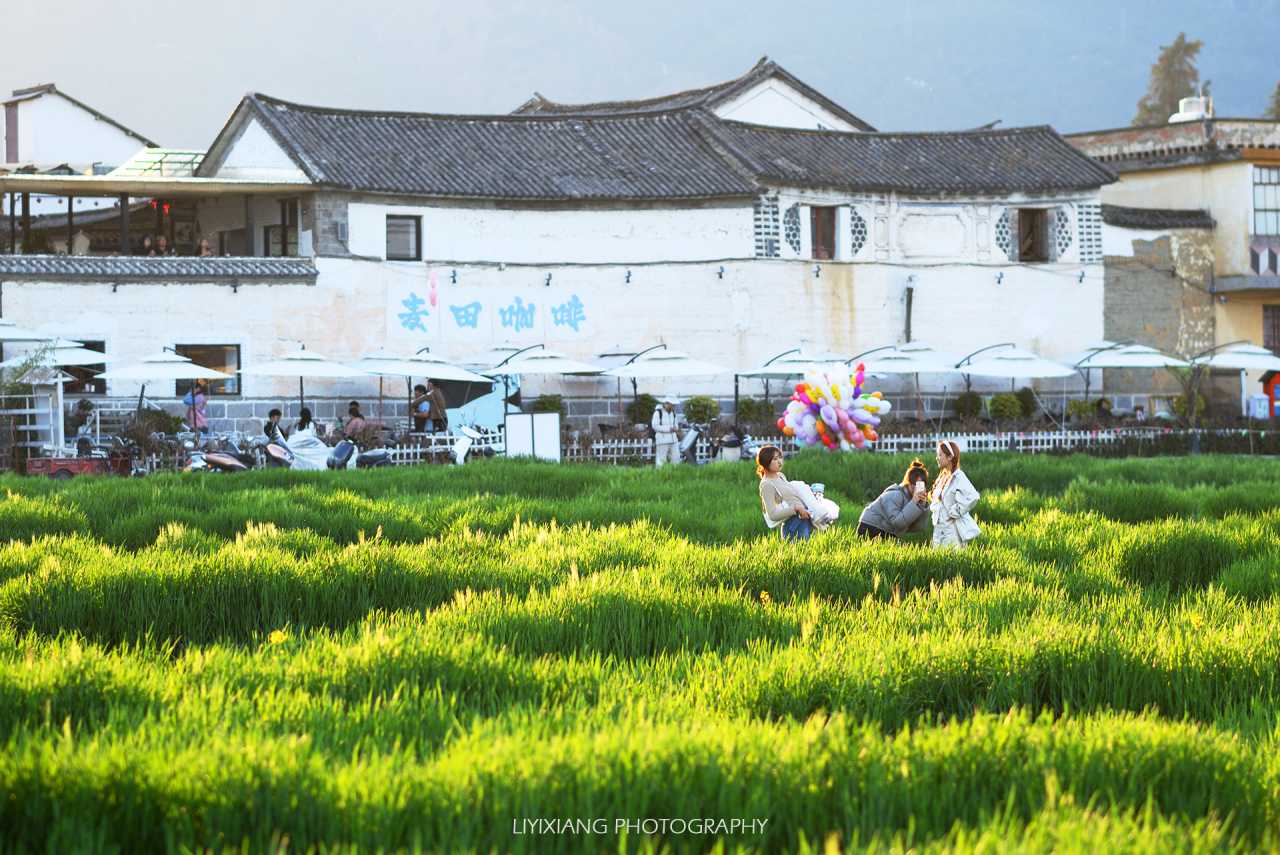
The giant banyan tree at the entrance of Xianglong Village in Xizhou became famous after the TV drama Meet Yourself aired—one of its scenes was filmed under this tree, turning it into "the tree where Xu Hongdou shed tears."
But few people know about Xizhou’s deep history. In fact, Xizhou is more like a living museum. It was once the center of the Nanzhao Kingdom and produced wealthy merchants who made a name far and wide.
Walking into Xizhou, the town isn’t large—it takes only about ten minutes to cross from north to south or east to west. But as you stroll, you’ll find old houses everywhere, exuding an air of timeless grandeur. Going deeper into Xizhou feels like stepping into a historical scroll. Even today, you can still find traces of the old trading firms from the "Four Great Families," "Eight Middle Families," and "Twelve Small Families" of the Xizhou merchant guild.
Among all the waterfront towns and spots in Dali, Haishé Park, three kilometers northeast of Xizhou, is the quietest and least crowded. Here, you can escape the bustle of the ancient town and enjoy a peaceful stretch of coastline all to yourself.
Weishan: Slow Living in the Heart of the Nanzhao Kingdom
I spent the rest of my time in Weishan, the birthplace of the Nanzhao Kingdom.
In the past, Weishan was considered a remote corner of Yunnan. Although it was an important town on the Tea Horse Road, the high mountains and difficult roads made travel in and out challenging. As a result, it has always maintained a calm and tranquil atmosphere.
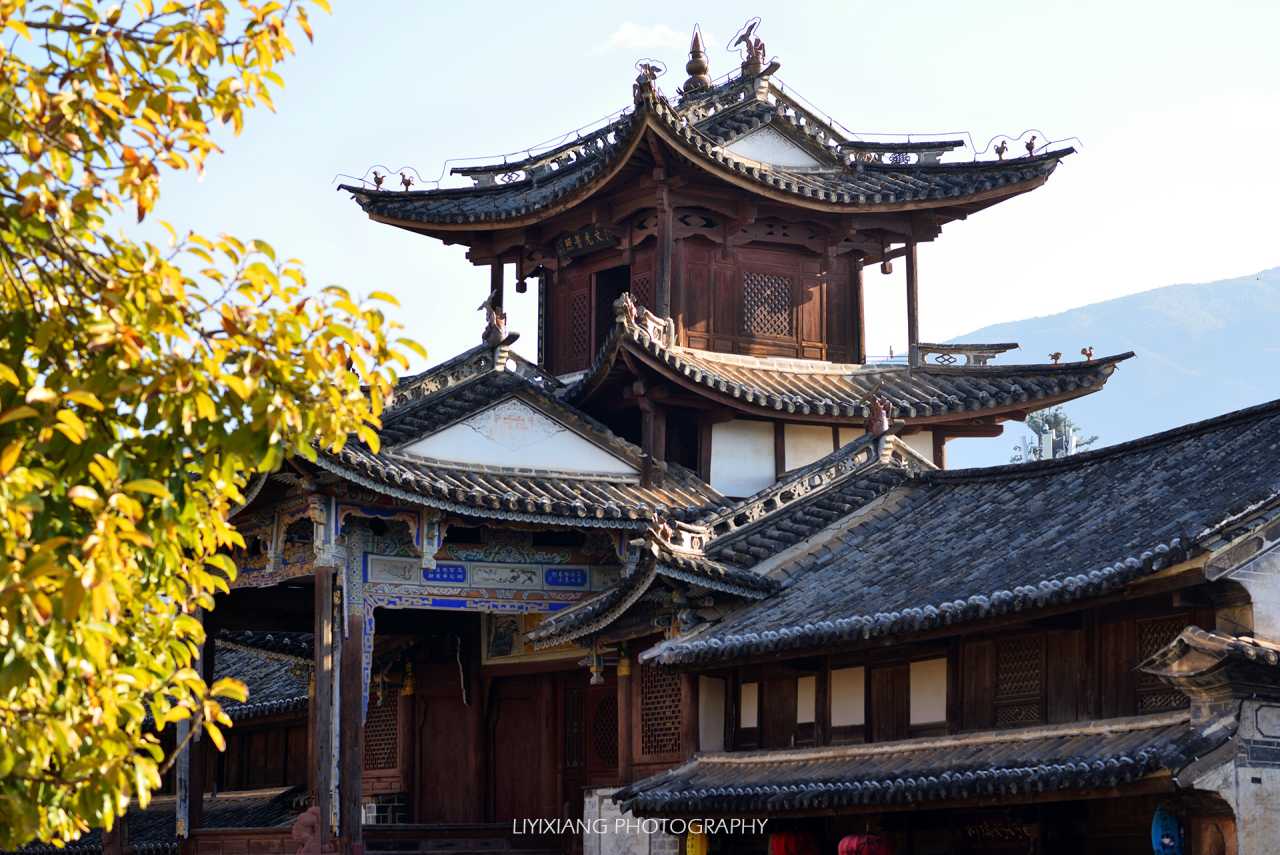
Walking into Weishan Old Town, you feel it’s a real, living ancient city. Its everyday street scenes are both lazy and warm. Most of the houses retain Ming and Qing dynasty styles. The Sun Palace in the Nanzhao Museum, though built in the early Ming, carries echoes of Song dynasty architecture, with flying eaves that give it a lively, soaring look, like a giant roc spreading its wings.
Wenhua Academy in the northeast corner of the old town is also a place steeped in the historical memory of this "land of literature." The main hall of the Jade Emperor Pavilion is the largest and best-preserved Qing dynasty building in Weishan County.
Compared to Dali Old Town, Weishan has far fewer tour groups and a much stronger traditional atmosphere. Even when independent travelers arrive, they don’t disturb the locals’ daily rhythm.
When traveling to Weishan, eating is a major part of the experience. The abundance of food here is astonishing. Weishan shares the title of "China’s Famous Snack Town" with Shaxian—and it’s no empty boast! No matter where you’re from, you’ll find something to suit your taste, delicious and satisfying.
Food: The Flavors of Dali on Your Tongue
While savoring Dali’s slow pace, I didn’t forget to taste its authentic local cuisine.
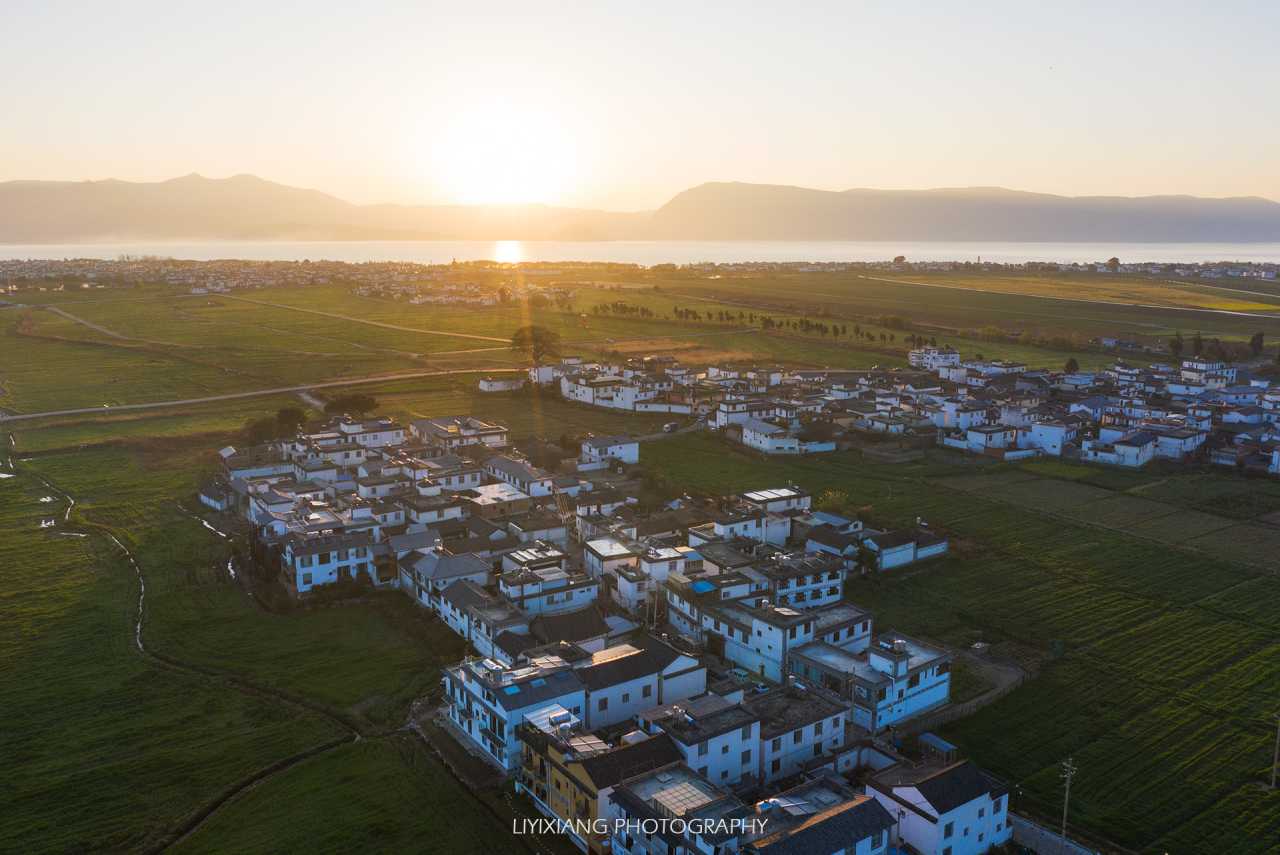
The relatively high altitude gives Dali unique ingredients, and the region’s ethnic diversity is reflected in its dishes. Whether in Shaxi, Xizhou, or Weishan, restaurants mostly serve local food, along with some halal eateries or Western-style places. Most are affordable and generous with portions.
Weishan deserves special mention. Its snacks are incredibly varied—you can find different treats from morning to night. Morning ersi (rice noodles), midday cold chicken rice noodles, evening roasted pork—each dish leaves a lasting impression.
Conclusion: The True Face of Life
Two weeks—not long, not short. But it was enough for me to understand one thing: Dali’s charm isn’t about how many sights you see, but how you spend each day.
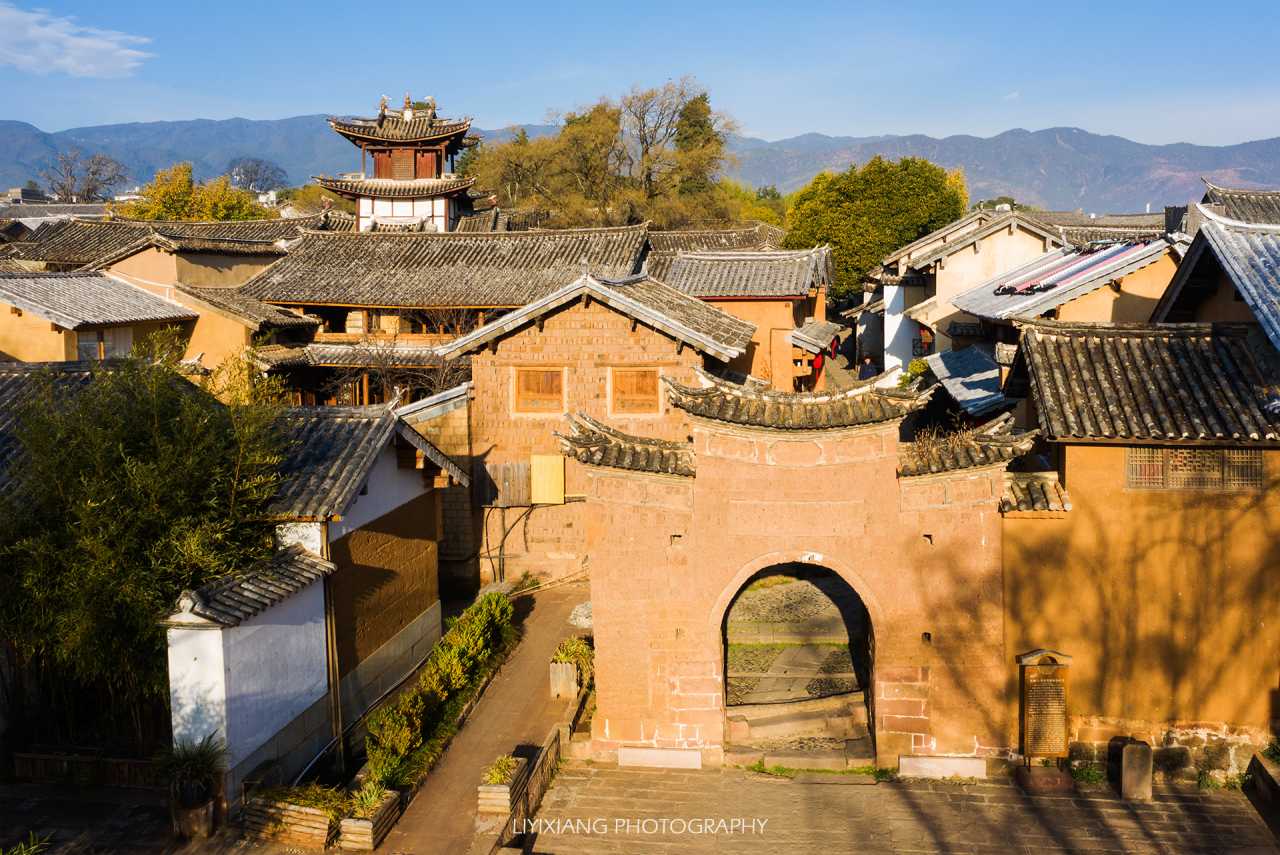
In Shaxi, I learned to sit and stare under the ancient stage for an entire afternoon. In Xizhou, I discovered the healing power of rippling wheat fields. In Weishan, I experienced what true slow living really means.
These ancient towns lack the noise and bustle of Dali Old Town, but they have a more authentic sense of life. They are like a mirror, reflecting what life is really about—no need to rush, no need to worry, no need to miss the scenery along the way just to get somewhere.
If you’re also looking for a sense of ease, come visit these places. Put down your phone, let go of your plans, and let time slow down. You’ll find that life can be so simple, so beautiful.
You don’t always have to climb higher. Sometimes, you can just wander in every direction. And Dali is exactly that place—where you’re willing to stop, slow down, and be still.
You should also read:
Escaping Nanning, Falling Under Lijiang's Spell: Our Four-Person, Ten-Day Yunnan Dream
Escaping Nanning, Falling Under Lijiang's Spell: Our Four-Person, Ten-Day Yunnan Dream Before We Set Off: No Pain, No Obsession Have you ever had that impulse—suddenly tired of the office fluorescent lights, the crush of the subway, the endless parade of identical takeout boxes, and just…
Continue reading...
Solo in Yunnan: A Wanderer’s Guide to the Land of Eternal Spring
Solo in Yunnan: A Wanderer’s Guide to the Land of Eternal Spring There’s something magical about traveling alone. No compromises, no schedules to keep, no one to please but yourself. I’ve been on the road for nearly three months now, and not once have I…
Continue reading...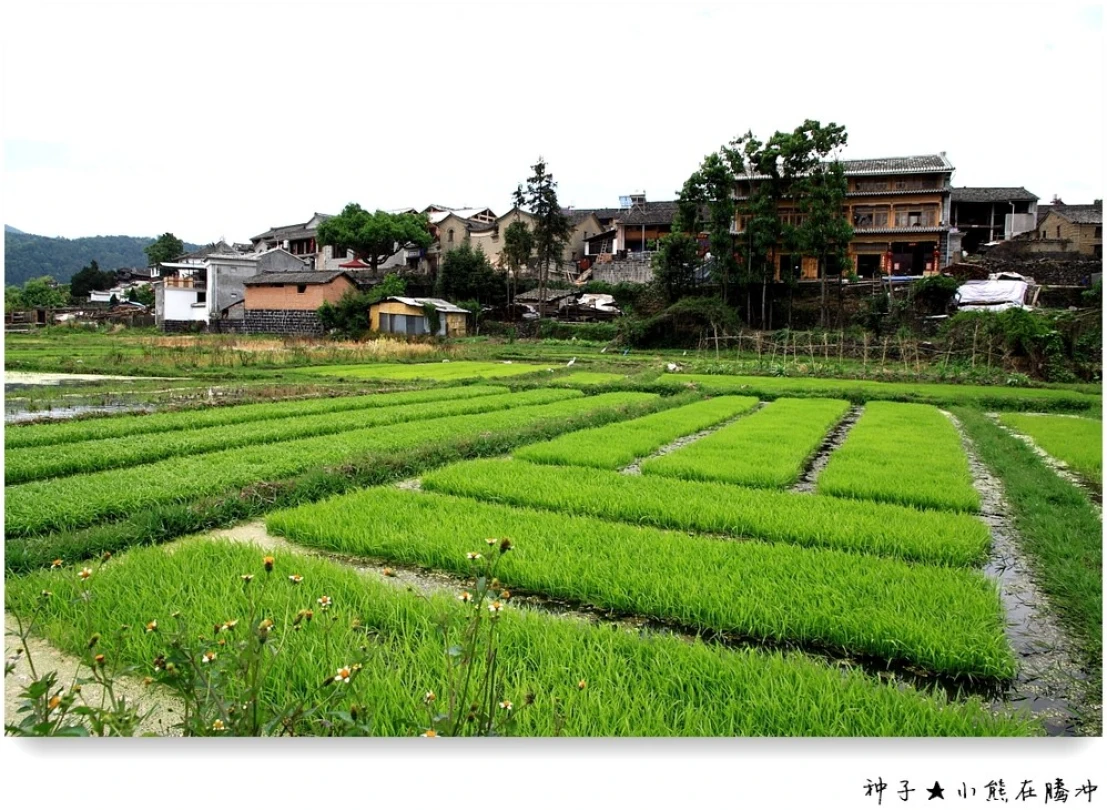
Tengchong·Heshun: Finding Life as It Should Be in a Border Town Where Time Stands Still
Tengchong·Heshun: Finding Life as It Should Be in a Border Town Where Time Stands Still The long journey of over twenty days was over. On my first day back at the office, I was still in a daze. My fingers couldn't find the keys on…
Continue reading...