Yunnan by Wheels: A Family's Self-Driving Photography Journey
Yunnan by Wheels: A Family's Self-Driving Photography Journey
Prologue: Why Yunnan?
Some places, you visit once and it's a trip. You visit many times, and it becomes part of your life.

For me, Yunnan is exactly that kind of place. Starting from Guangzhou, I've driven across this land of colorful clouds multiple times. The first time, I went alone, carrying a camera and curiosity. Later, I brought my girlfriend. Then my girlfriend became my wife. Then a child safety seat appeared in the back, and I could see our daughter's sleeping face in the rearview mirror.
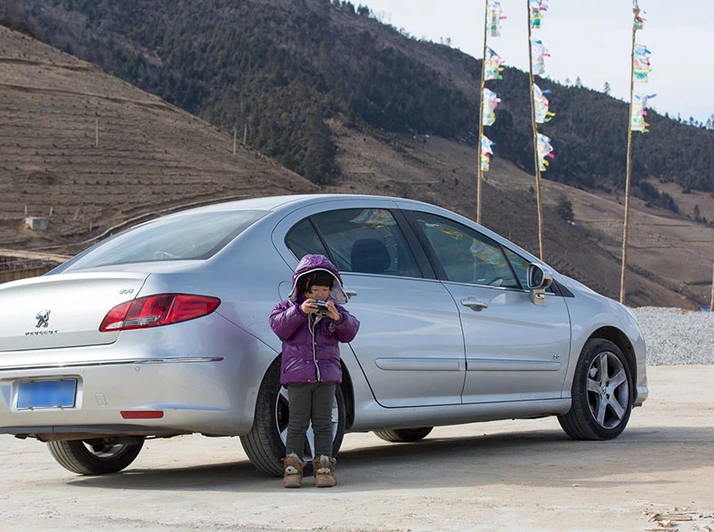
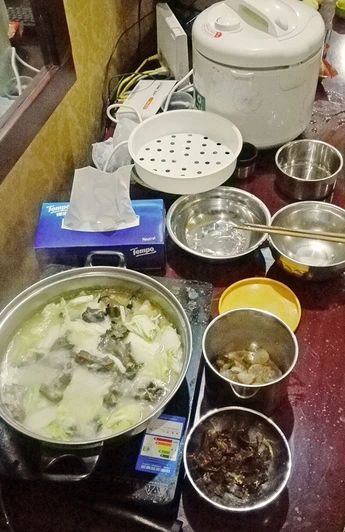
Over the years, the three of us—one car, one driver (yes, that's me)—have traced winding paths across Yunnan's mountains and lakes. During the 2015 National Day holiday, we set off again. This time, we packed an induction cooker and a rice cooker. Not out of fussiness, but because four years earlier, we'd gotten food poisoning in Shangri-La and spent three days on IV drips. That experience made us extra cautious about eating at high altitudes. With our four-year-old daughter along, we decided: we'd cook all our own meals.
Six thousand-plus kilometers, over ten days. From Dali to Meili Snow Mountain, from Lugu Lake to Luoping's flower fields, and on to Dongchuan's Red Land. In this article, I want to share with you the worthwhile photo spots, the breathtaking scenery, and a few reflections from an ordinary family on the road.
Route & Preparation: A Driver's Self-Discipline
Overall Route Overview
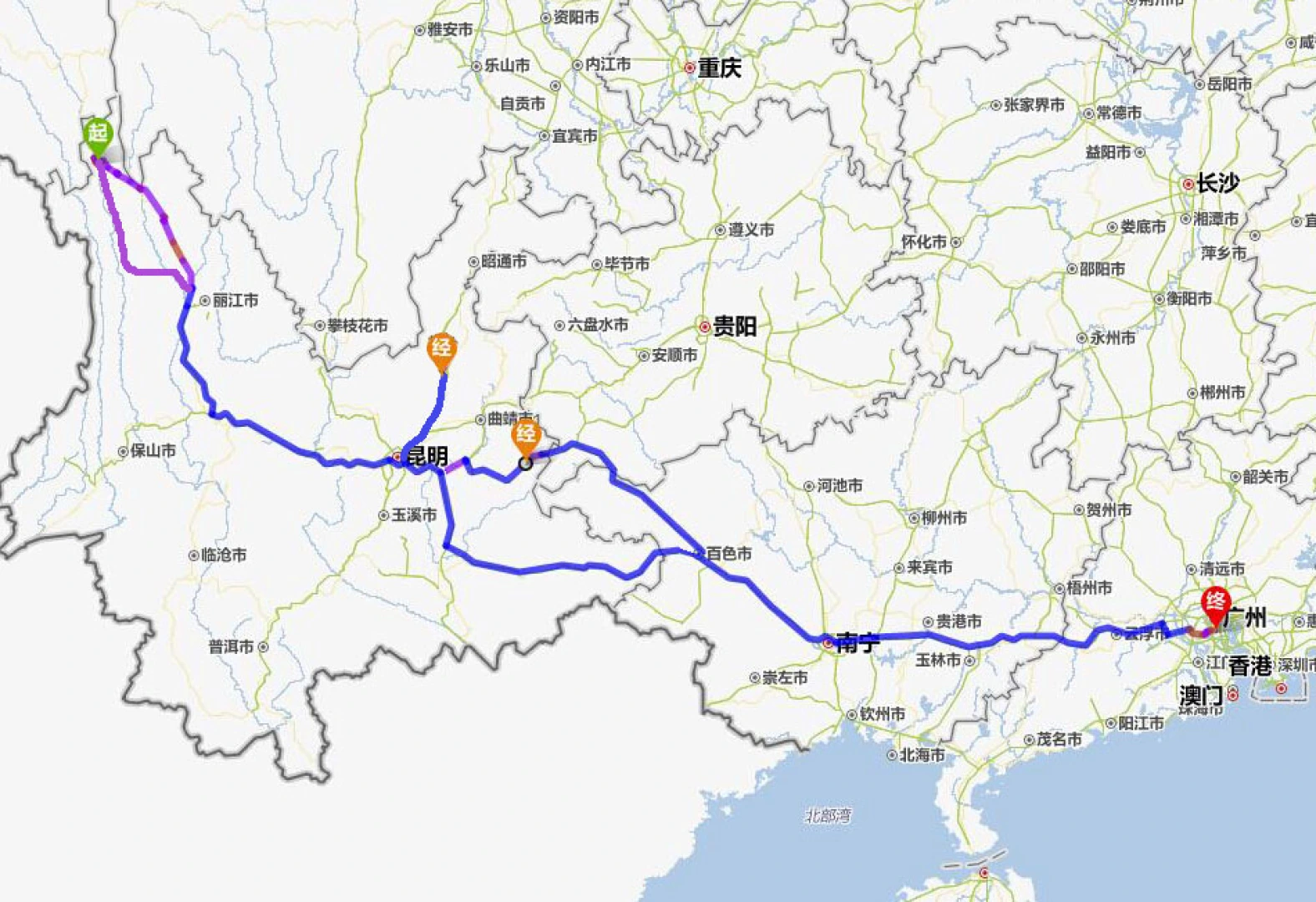
The entire journey was about six thousand kilometers, and I drove every kilometer myself. Before leaving, I planned the route three times: Dali → Lijiang → Shangri-La → Meili Snow Mountain → Lugu Lake → Luoping → Red Land. Sounds simple, but if you know Yunnan's roads, you know the challenge.
Meili Snow Mountain Loop: Two Routes, Two Experiences
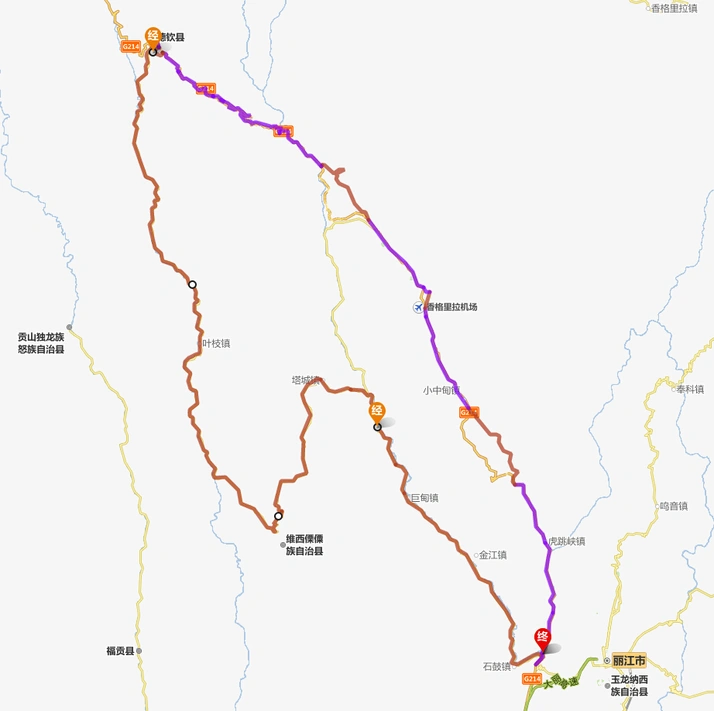
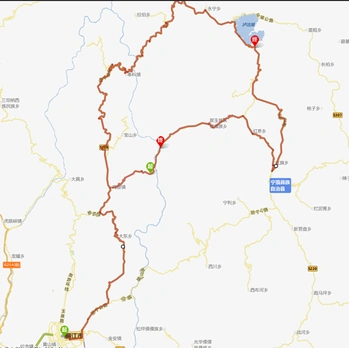
On the way there, I took Provincial Road S214, crossing Baima Snow Mountain. The old section of this road is a bit dangerous—sharp turns and steep slopes—but the scenery is spectacular. For the return trip, I took the Dewei Line then the Xiangwei Line. The Dewei Line has excellent road conditions, running along the Lancang River valley with picturesque views. But once we hit the Xiangwei Line along the Jinsha River, the road surface started to "play tricks"—bumpy enough to make you question your life choices.
Lugu Lake Loop: Wrong Turns Can Be Scenic Too
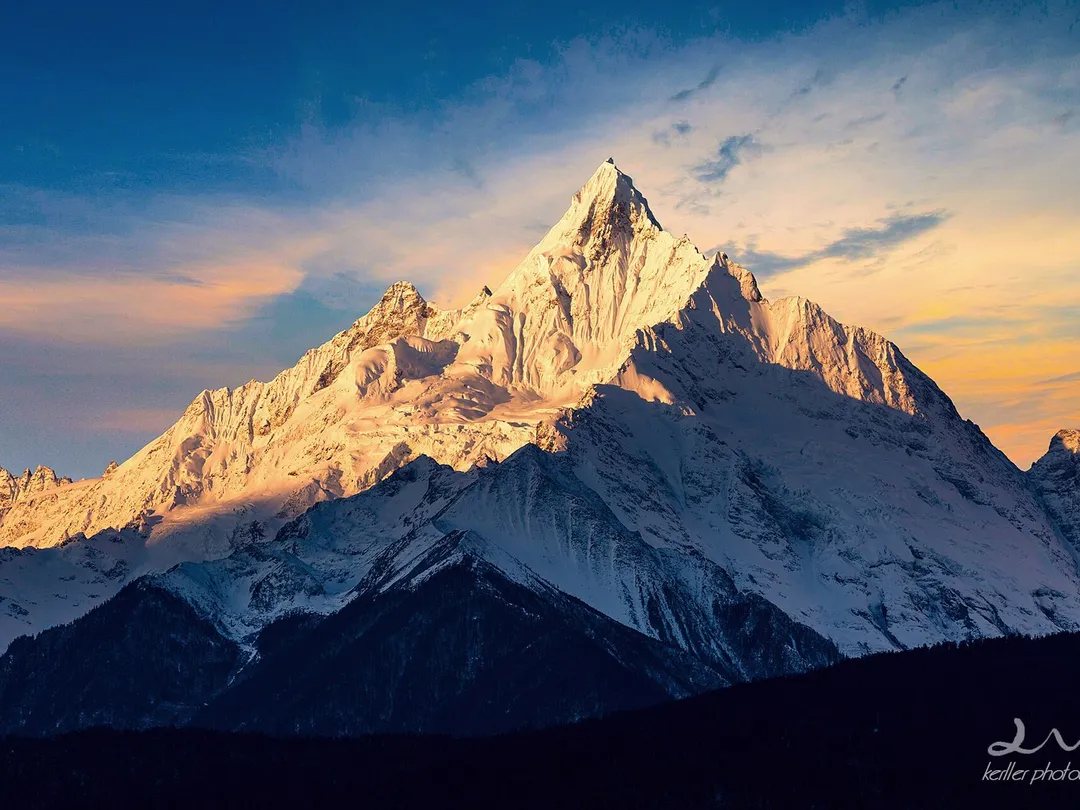
Heading to Lugu Lake, I made a mistake. The navigation system led me onto the road through Labai Township, adding dozens of extra kilometers and costing me several hours. On the evening of New Year's Eve, I was driving alone on a mountain at 3,600 meters elevation, with no one around—only the distant snow-capped mountains glowing gold in the sunset.
On the return trip, I learned my lesson. I took the route through Ninglang, past Hongqiao, and via the Ahai Power Station. It was still a long drive, but at least I knew what to expect.
Red Land Loop: A "Surprise" on the Winding Mountain Road
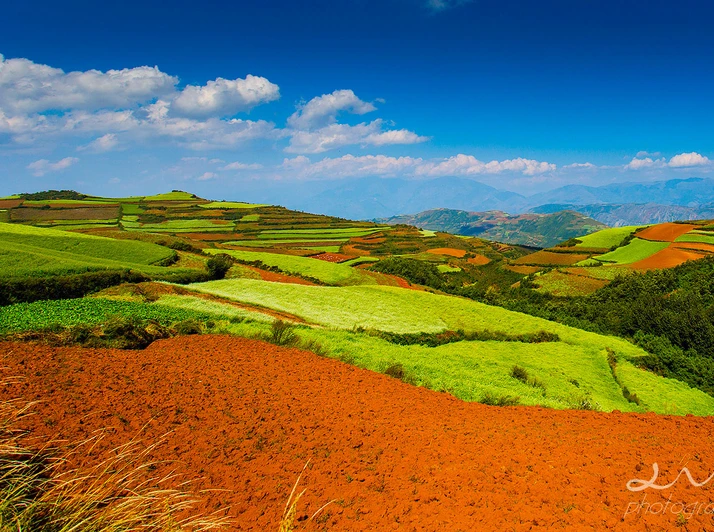
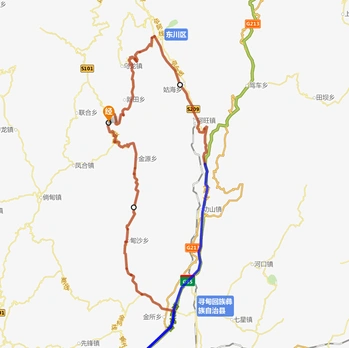
Heading to the Red Land, I followed most people by taking the expressway through Dongchuan, which was a big detour. For the return, I tried to take a shortcut through Jinyuan Township. The winding mountain road left me dizzy. Later I heard there's a Provincial Road S101 that goes directly to Kunming with much better conditions—unfortunately, I found out too late.
First Stop: Dali—Slow Time by Erhai Lake
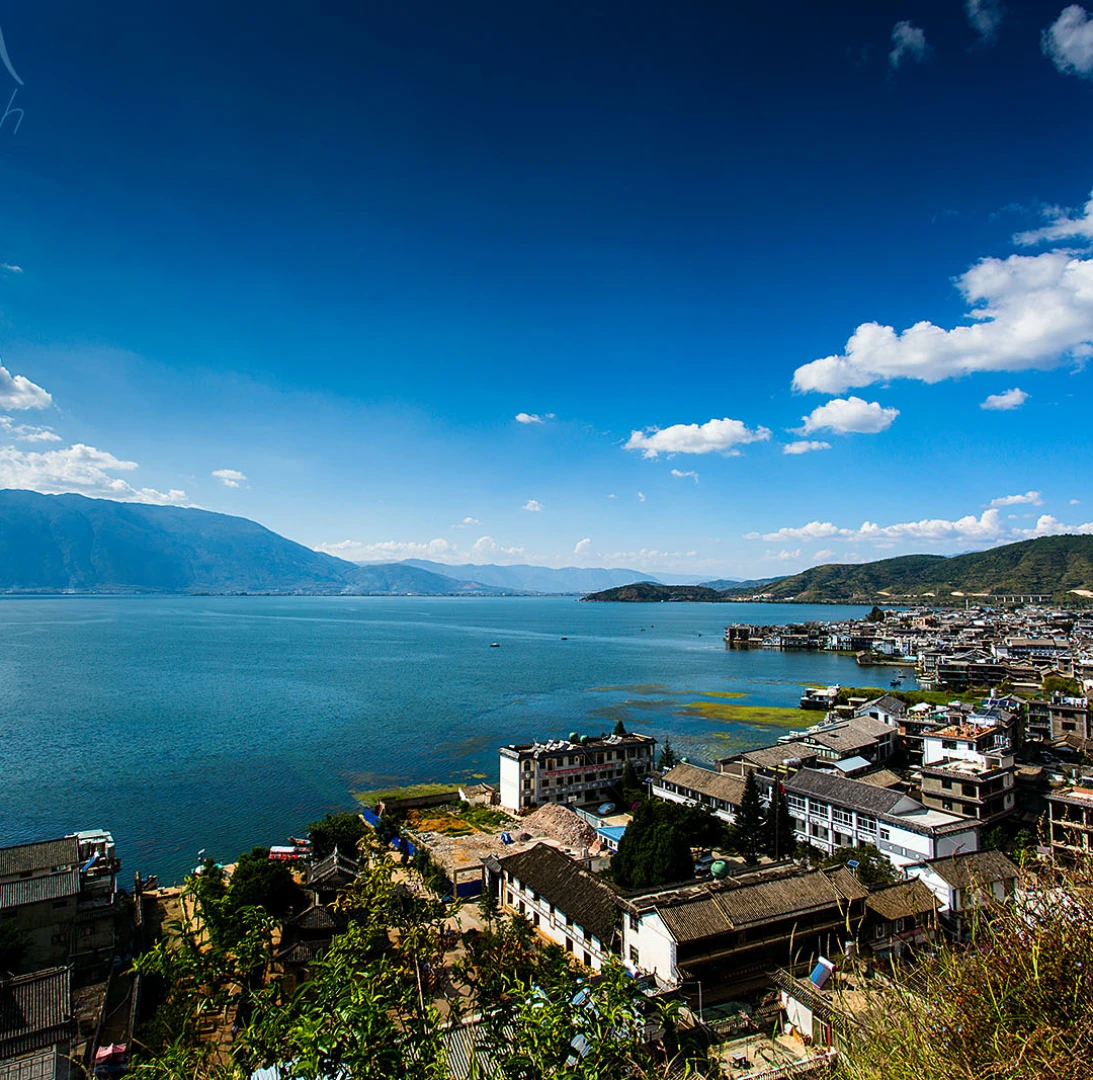
Dali is my "regular stop" on Yunnan trips. During the 2015 National Day holiday, we stayed in Shuanglang. My wife and daughter lived there for half a month, opening the window every morning to Erhai Lake—an unbeatable sea-view room for just 100 yuan a day. I had to go back to work, so I drove alone to Guangzhou in one day, also helping a couple who'd been living there for a year bring their luggage back.
The sunset over Erhai Lake—how can I describe it? Words fail. Unfortunately, there weren't many clouds during the Chinese New Year period, but the sunrise was equally stunning. Occasionally, we even caught the rare sight of "sunlight striking the golden mountain."
Photography Tip: The best times to shoot by Erhai Lake are early morning and evening, when the light is soft and colors are richly layered. If clouds appear, don't rush to pack up your camera—the beams of light breaking through cloud gaps often create the most moving images.
Second Stop: Lijiang—Familiar Place, Fresh Perspective
I've been to Lijiang so many times, and each visit brings new changes. This time, instead of joining the crowds, I sought out quiet corners.
Jade Dragon Snow Mountain at sunrise—the best shooting spot is on the rooftop of a guesthouse in the old town, or on the dam at Qingshui Reservoir. In the early morning light, the mountain shifts from pale pink to golden, like a watercolor painting slowly unfolding.
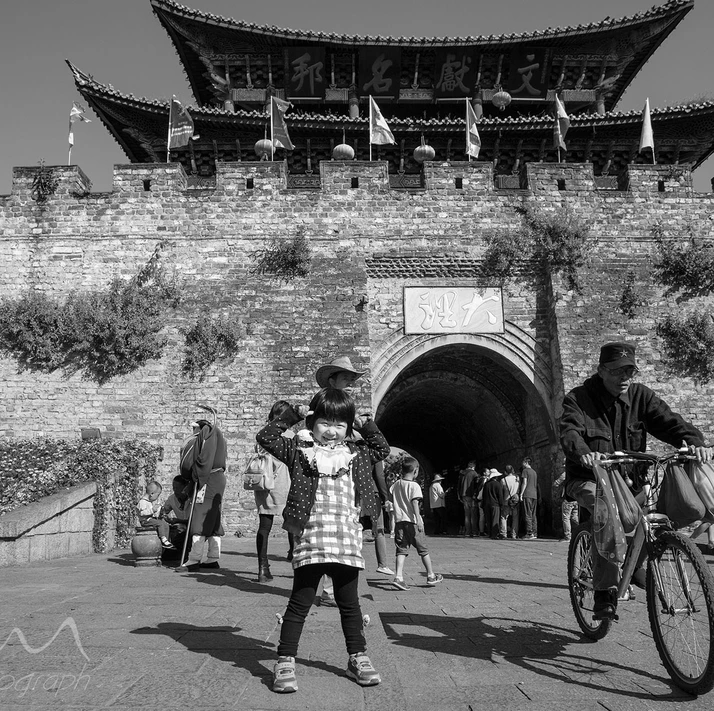
Black Dragon Pool is the classic spot for capturing Jade Dragon Snow Mountain's reflection, but it's too crowded. I prefer the early morning at Shuhe Ancient Town, where the stone streets are nearly empty of tourists, and locals wash vegetables and chat by the river.
At Baisha Ancient Town, elderly women gathered to play cards, sunlight falling on their graying hair. In that moment, I felt this was the real Lijiang.
My daughter became my best model. She stood in front of the ancient town, amid flower fields, at the foot of snow-capped mountains—her childhood, frozen in time across every corner of Yunnan.
Third Stop: Shangri-La—Light and Shadow on the Plateau
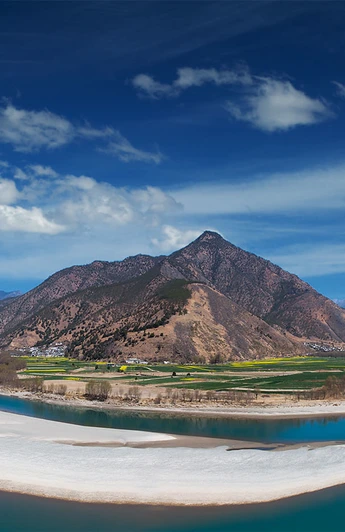
First Bend of the Yangtze River: Climb the Mountain
To capture the First Bend of the Yangtze River, you have to climb the mountain. The exact location is near a guesthouse called "First Bend Viewpoint Inn" at the bend itself—they've opened a trail up the mountain and charge 10 yuan. It's money well spent. Standing high above, the Jinsha River draws a nearly perfect Ω shape, so magnificent it leaves you speechless.
Tiger Leaping Gorge: Feeling Small
At the entrance to Tiger Leaping Gorge's river surface, the water rushes with thunderous roar. On the mid-gorge viewing platform, standing on massive boulders, you feel incredibly small. I stitched together three photos to barely capture that sense of awe.
Songzanlin Monastery: A Misty Sanctuary
The morning mist at Songzanlin Monastery produced one of my most satisfying photos from this trip. The shooting spot is on a hillside outside Shangri-La on the road toward Meili. Using a telephoto lens, the monastery appears and disappears in the mist like a celestial realm. The prerequisites: good morning light, fog, and at least a 200mm telephoto lens.
Fourth Stop: Meili Snow Mountain—Three Encounters, Two Golden Sunrises
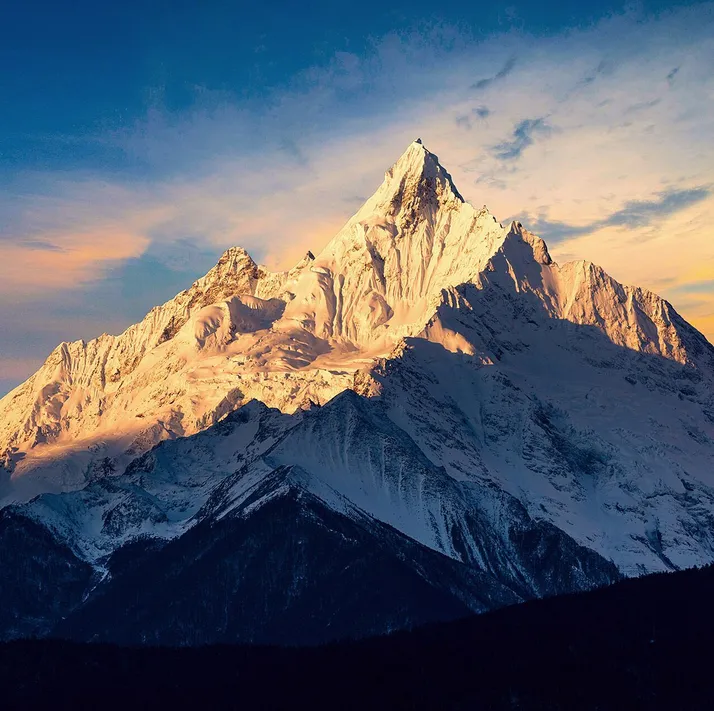
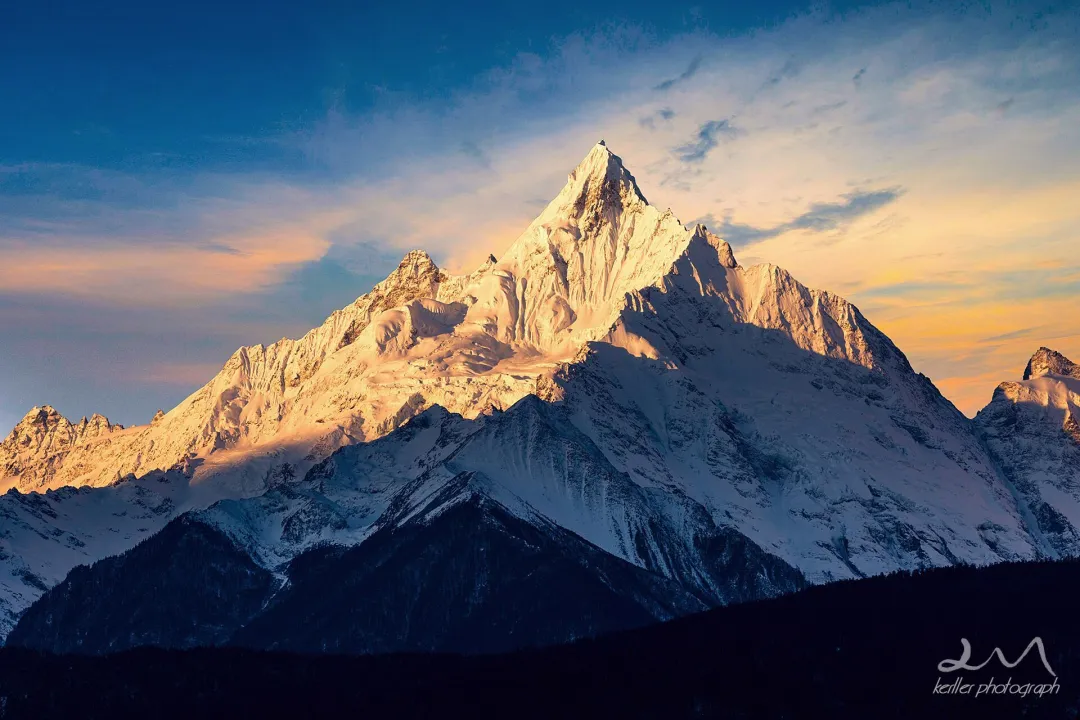
I've visited Meili Snow Mountain three times and seen the "golden sunrise" twice. Honestly, even I find this luck hard to believe.
The Jinsha River Big Bend—I used three vertical shots stitched together to fit both the sky and the river bend into the frame.
Crossing Baima Snow Mountain, the world outside the window was covered in ice and snow. In the footage from my dashcam, you could see black ice on the road. I slowed down, inching forward.
At Feilai Temple in the early morning, it was minus ten-something degrees Celsius. I got up at 5 a.m. to shoot star trails. The camera was exposed to the freezing wind for half an hour, and ice formed on the body. It was my first time shooting star trails—I was all thumbs—but the moment I saw the photos, it was all worth it.
Nowadays, Feilai Temple suffers from too much light pollution. I found an excellent shooting spot—at a turn on the road downhill, there's an unfinished viewing platform. I climbed over the wall, and the surroundings were pitch black, perfect for shooting stars and the golden sunrise over the snow mountain. No one competing for the spot; you can shoot however you want.
At Mingyong Glacier, looking up, the peak seemed to float in the sky. That pure blue made you afraid to speak too loudly.
Fifth Stop: Lugu Lake—A Turquoise Heart
The harder the road to Lugu Lake, the more rewarding the sight when you arrive.
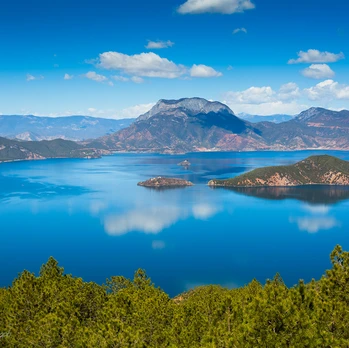
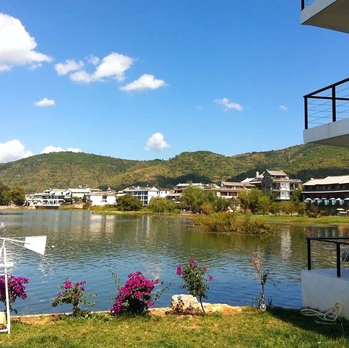
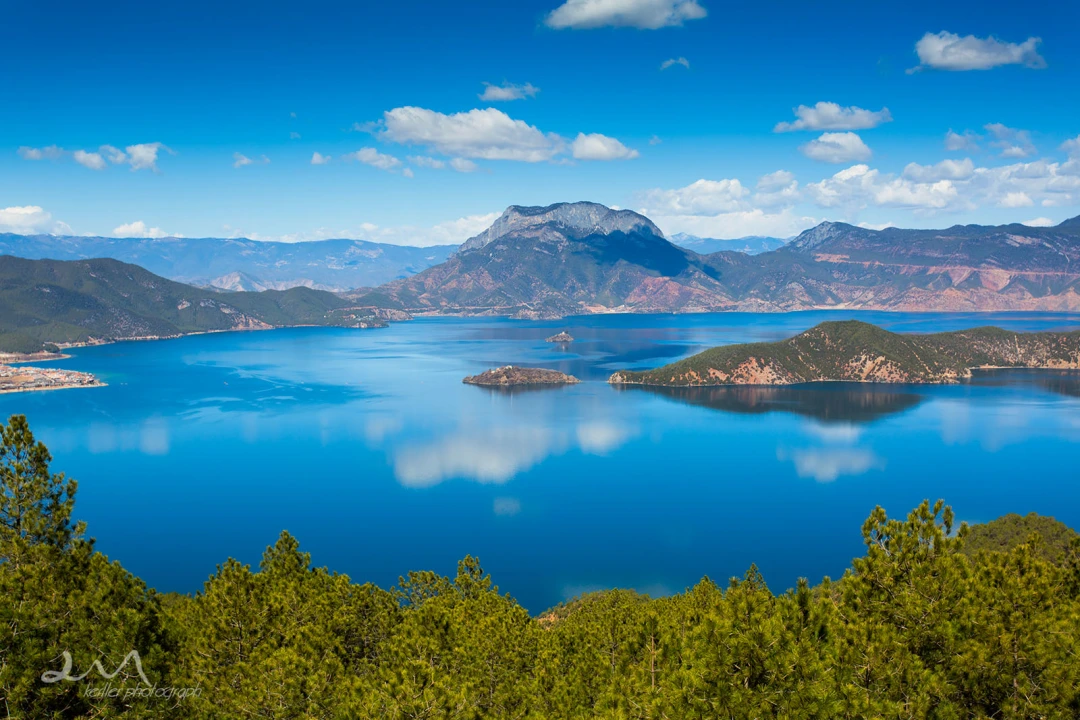
The turquoise-blue lake lay like a giant sapphire embedded among the mountains. We stayed in Lige Village, within walking distance of the Lige Peninsula viewing platform, perfect for both sunrise and sunset.
Lige at Sunset: The sun hid behind clouds all afternoon. Just as I was about to give up, the clouds suddenly tore open. Golden light spilled over Lige Peninsula. I pressed the shutter, then waited until the lights came on and the stars appeared.
Lugu Lake at Dawn: The lake surface was as smooth as a mirror, reflecting the colors of the sky. At the viewing platform on the Ninglu Highway, I stitched together six photos to capture Lugu Lake's panorama.
Sixth Stop: Luoping—Spring in a Sea of Rapeseed Flowers
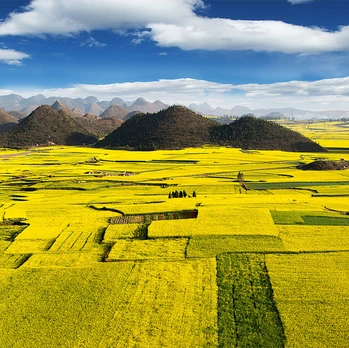
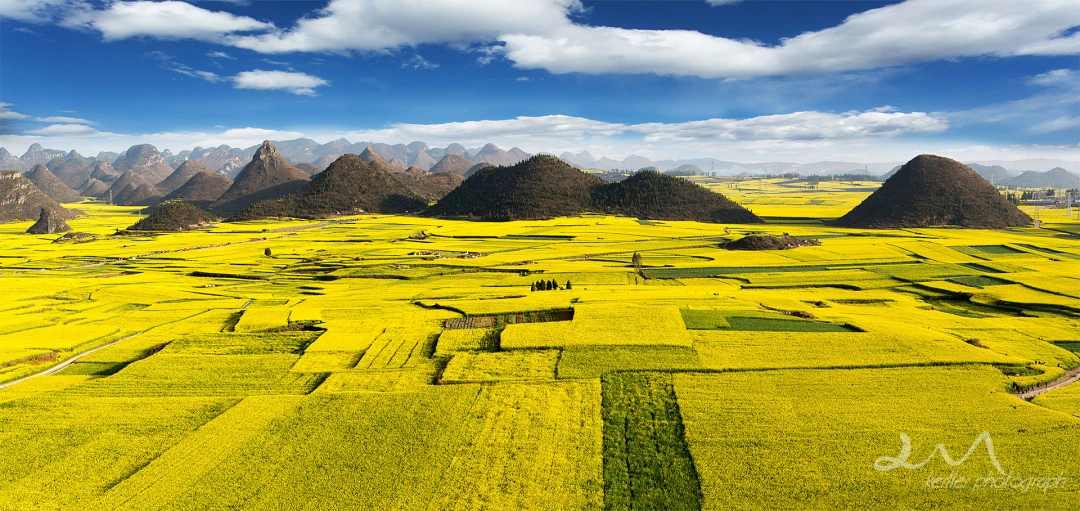
During the Chinese New Year period, Luoping's rapeseed flowers were in full bloom. The viewing platform at Jinji Village is a great spot for sunrise photos—before 7 a.m., they charge 20 yuan; after 7 a.m., it drops to 10 yuan. If you want a panoramic shot, there's a nameless hill by the roadside. Climb up, and the view opens wide.
Luosi Field—I arrived a bit early; the rapeseed flowers hadn't fully bloomed yet, but the layered effect was already visible. My daughter walked along the path through the flower fields, her tiny figure swallowed by waves of golden yellow.
The Jiulong Waterfall is most spectacular during the rainy season. When I visited during National Day, the water volume wasn't large, but a quick shot through the guardrail still had its charm.
Seventh Stop: The Red Land—Nature's Palette
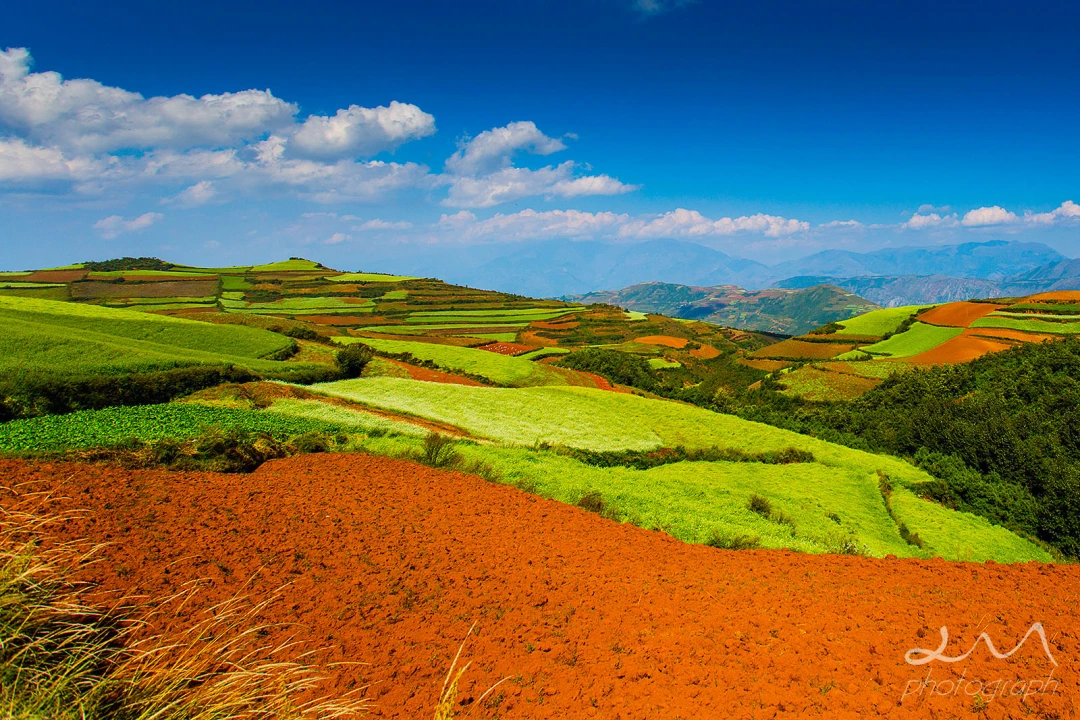
I visited the Red Land during National Day, and the colors were truly top-notch. At Damakan's sunrise, wind and clouds shifted, light and shadow flowed across the red earth like a living oil painting.
The Thousand-Year-Old Sacred Tree stood alone in the fields, having witnessed countless sunrises and sunsets.
Time was limited, and I couldn't visit a few places. But the regrets left behind are precisely the reasons to come again next time.
Epilogue: On the Road Is the Best Time
Six thousand-plus kilometers, over ten days, a family of three, one car. We traveled through Yunnan's mountains and lakes, cooked under the stars, ran through flower fields, and made wishes at the foot of snow-capped peaks.
Someone asked me why I always drive to Yunnan. The answer, I think, is simple: because every time I go, I see different scenery and meet a different version of myself.
If you're also planning a self-driving trip to Yunnan, here are a few tips:
- Check road conditions in advance—Yunnan's roads change quickly, and navigation isn't always reliable
- Be careful with food at high altitudes—water doesn't boil properly, and you can easily get an upset stomach. Cooking your own meals is a good option
- Scout photo spots ahead of time—the best vantage points are often not inside scenic areas but along the road
- Bring patience—traffic jams, wrong turns, sudden weather changes—they're all part of the journey
Finally, bring the ones you love and hit the road. Because the most beautiful scenery is always on the way.
All photos in this article are 1600 pixels wide. Click for larger view. Equipment: 450D, 5D3.
You should also read:

God’s Abandoned Palette: A Self-Drive Journey Through Yunnan’s Dongchuan Red Land
God’s Abandoned Palette: A Self-Drive Journey Through Yunnan’s Dongchuan Red Land Travel has never been about reaching some distant geographic coordinate. It’s about encountering, along the way, the version of yourself buried beneath the rubble of daily routine. During this May Day holiday, I finally…
Continue reading...
Cloud Travelogue · Dali of Wind, Flowers, Snow, and Moon: A Three-Day, Two-Night Journey of a Free Spirit
Cloud Travelogue · Dali of Wind, Flowers, Snow, and Moon: A Three-Day, Two-Night Journey of a Free Spirit I am a cultured female foodie with a touch of rogue charm. I slung on my backpack, took my lover's hand, and set off on a spontaneous…
Continue reading...
The Meaning of Travel – A Tengchong Story: A Journey of the Heart and Personal Growth
The Meaning of Travel – A Tengchong Story: A Journey of the Heart and Personal Growth Setting Out, Only to Return a Better Self Some say travel is nothing more than leaving a place you're tired of, only to go to a place where others…
Continue reading...