Yunnan Couples' 7-Day Independent Travel (Part 2): Lugu Lake Deep Dive — Accommodation, Carpooling, and Lake Circuit Fully Explained
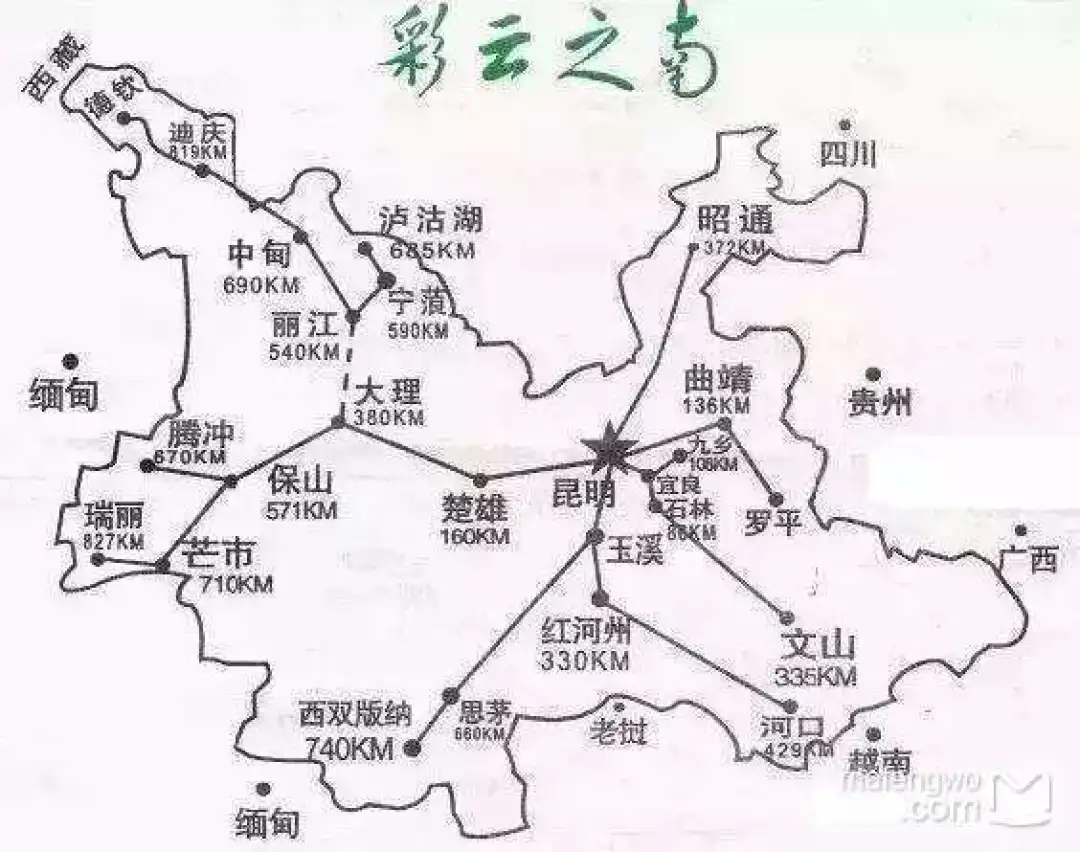
Yunnan Couples' 7-Day Independent Travel (Part 2): Lugu Lake Deep Dive — Accommodation, Carpooling, and Lake Circuit Fully Explained
Foreword: Why Lugu Lake Deserves Its Own Chapter
If Lijiang is Yunnan's front door and Jade Dragon Snow Mountain is its backbone, then Lugu Lake is the gentlest eye in this land. It hasn't been hyped by hipsters like Dali, nor labeled as the "last pure land" like Shangri-La. It simply lies quietly in a crack of the Hengduan Mountains, waiting for a clear day to reflect the blue sky and white clouds perfectly on its surface.
In July 2019, my partner and I embarked on this journey. In the previous article, we covered Lijiang and Jade Dragon Snow Mountain. In this one, I want to break down every ounce of Lugu Lake's tenderness and share it with you.
1. First Encounter with Lugu Lake: A Trip That Depends on the Weather

Locals say Lugu Lake is the source of Shangri-La — and they're not wrong. When you look down from a high vantage point, the water flowing through the endless peaks and fissures of the Hengduan Mountains is so clear it can reflect the shape of every cloud. On sunny days, the lake is a giant mirror, with white flowers of 水性杨花 (water-blooming flowers, a type of aquatic plant) floating on the surface like stars fallen to earth.
But Lugu Lake's beauty is entirely at the mercy of the weather. We arrived in July, right in the rainy season, and it was overcast the whole time. Although we didn't see the legendary "mirror of the sky," the hazy, ink-wash painting-like beauty was a pleasant surprise in its own right.
2. How to Get There? A Comparison of Three Options
The distance from Lijiang to Lugu Lake is not short — about 4 to 5 hours by car. There are three main options:
1. By Plane
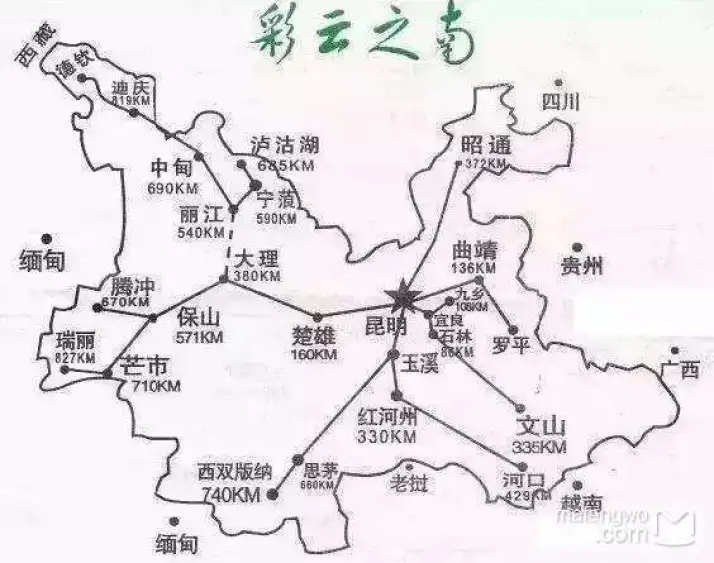 There's a small airport near Lugu Lake with direct flights from Kunming. The advantage is time-saving and less hassle, but tickets are expensive and flights are limited.
2. By Bus
This is the most common choice. Book tickets in advance on Fliggy or Mafengwo for about 40 to 50 RMB per person. The bus driver will contact you beforehand to confirm the pickup point within Lijiang Old Town. Note: The bus only stops at 大落水 (Daluoshui) and 里格村 (Lige Village). If you're staying in the Sichuan side (such as 达祖村 (Dazu Village) or 小落水 (Xiaoluoshui)), you'll need to transfer to an unlicensed taxi.
3. Hotel Private Car
Some guesthouses near Lugu Lake offer private car services for about 200 RMB per person, dropping you right at the hotel door. We chose this on the way back — convenient but pricier.
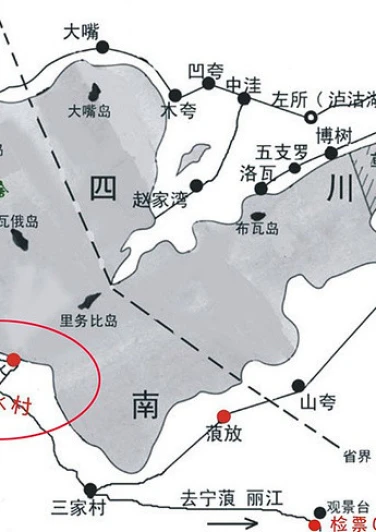
Practical Tip: Whichever option you pick, contact your guesthouse owner in advance. On the bus, we met four girls and carpooled with them to Xiaoluoshui, saving some money. If you're staying on the Sichuan side, get off at Lige Island — it's closer.
3. Where to Stay? A Map to Understand Lugu Lake Accommodation
The accommodation around Lugu Lake is a bit complicated, mainly divided into the Yunnan and Sichuan sides. It took me ages to figure it out, so here's the summary:
Yunnan Side (Accessible by Bus)
 - 大落水 (Daluoshui): The earliest developed area, with the most hotels, ranging from budget to high-end. Convenient transportation but noisy. Good for those on a tight budget or first-time visitors. - 里格半岛 (Lige Peninsula): A hub for trendy guesthouses, built right by the water with stunning views, perfect for photo ops. Prices are higher, but the experience is top-notch.
Sichuan Side (Requires a Transfer)
- 女神湾 (Goddess Bay), 达祖村 (Dazu Village), 小落水 (Xiaoluoshui): These three spots offer great value for lake-view rooms, fewer people, and quiet surroundings. Dining options are more limited, but they're ideal for couples seeking peace.
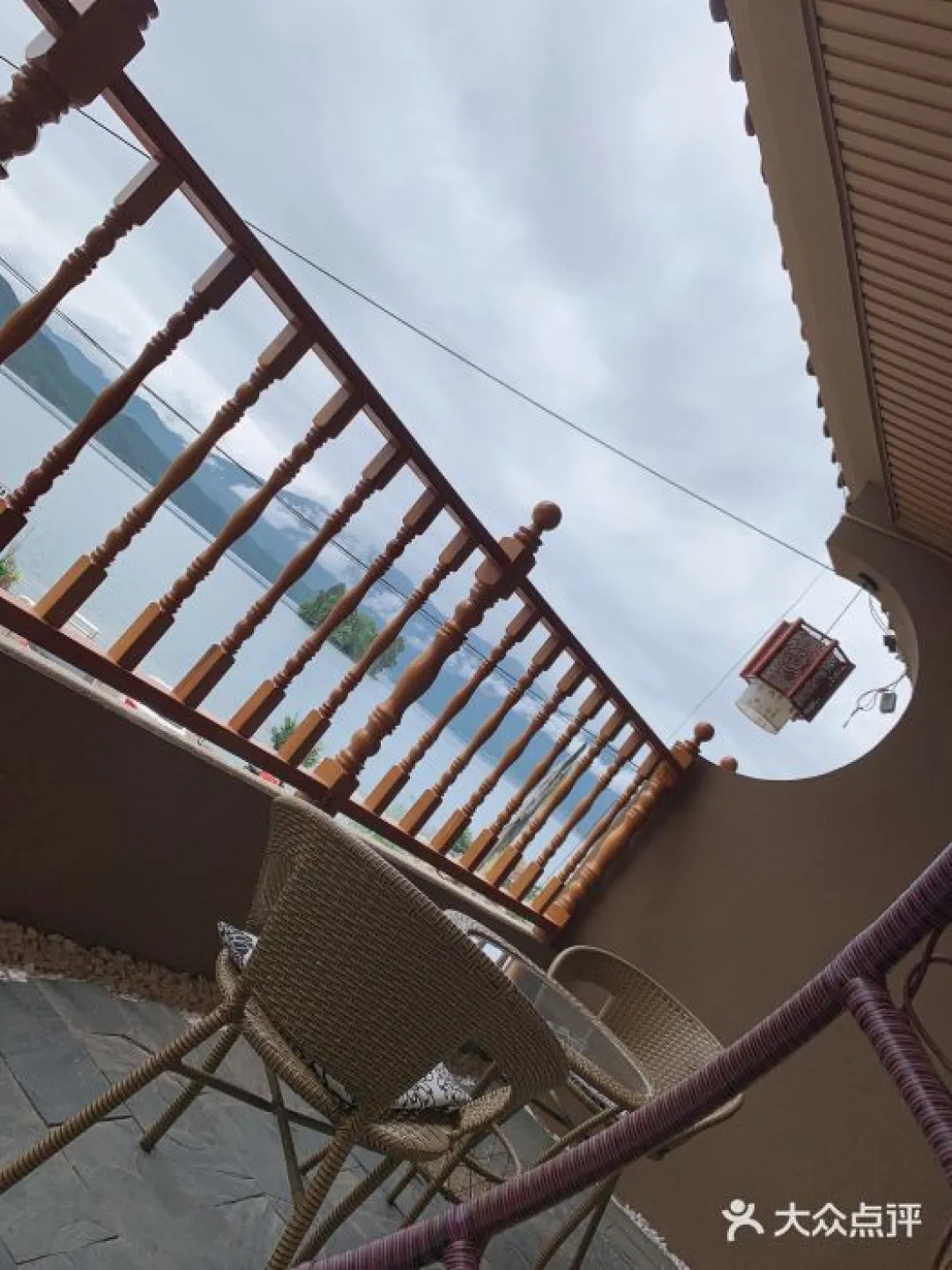
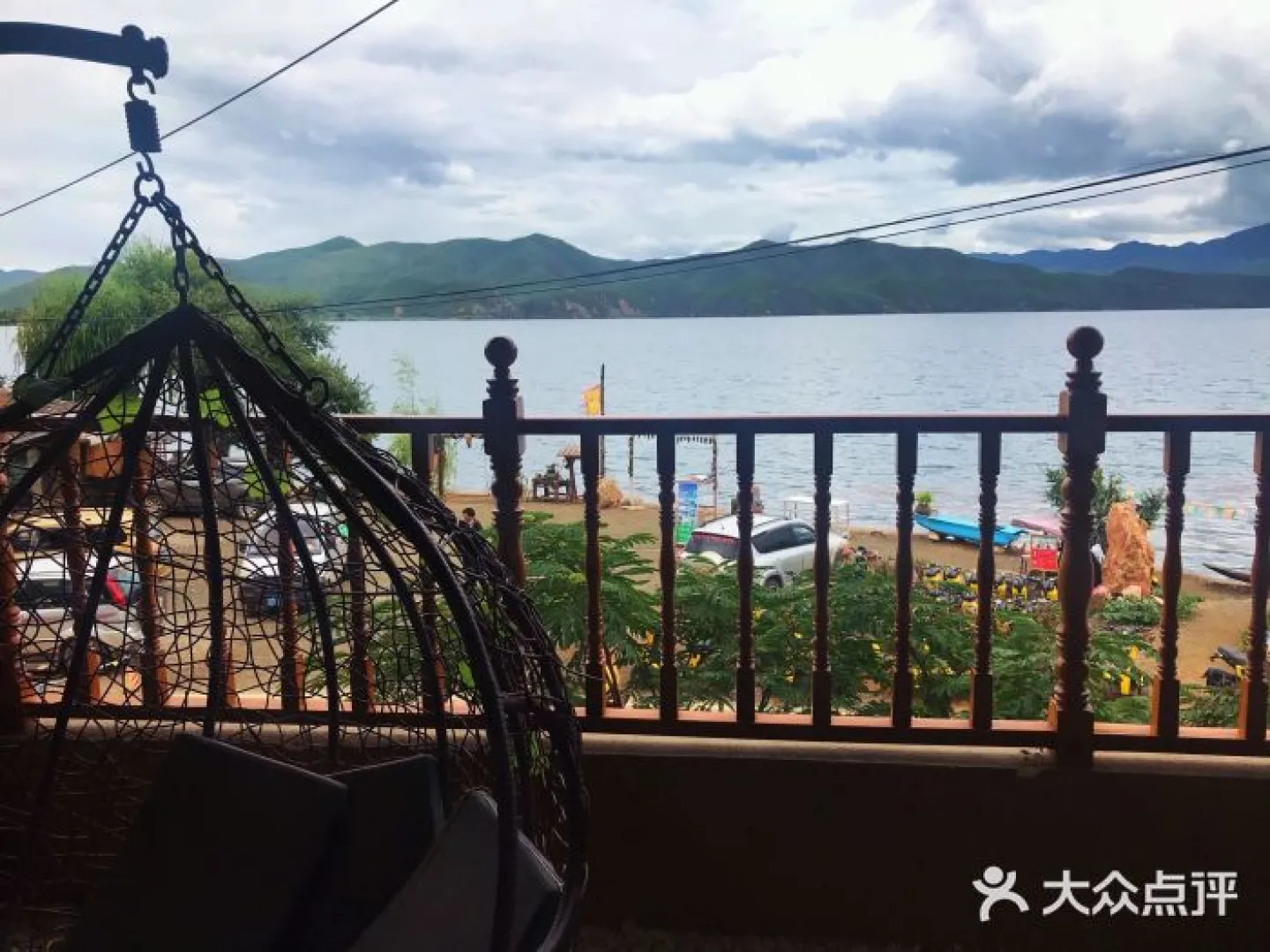
We chose a lakefront room in Dazu Village. During the day, we could lounge in a hammock, gaze at the lake, and chat. At night, there were skewers from a grill downstairs, and taking a stroll felt almost empty of people — a tranquility no trendy guesthouse can match.
Strong Recommendation: If you can, get a lakefront room! Waking up to the sight of the lake instantly lifts your mood. That's the essence of travel.
4. Day 3: Lijiang to Lugu Lake — The Thrill of the Winding Mountain Roads
We set off from Lijiang at 8 a.m., the bus winding through mountain roads. Along the way, we passed the Jinsha River, with a viewpoint called "山路十八弯" (Eighteen Bends of the Mountain Road) — the bus stops for photos. But the real thrill comes later: the car climbs from the mountain top down to the river, experiencing the true eighteen bends. Seeing the scattered villages on the mountainside, you realize how important it is to have roads connecting every village.
We arrived at the Lugu Lake entrance around noon and had to buy tickets. Student discounts are available, so bring your student ID. Just inside the entrance, there's a viewing platform where many people rush to take photos — don't! There are plenty more opportunities later, and after a morning on the bus, your makeup won't be at its best. Just photograph the scenery first.
The bus stopped at Daluoshui. We got off, found a restaurant, and the owner helped us arrange a car to carpool with four girls to Dazu Village.
Tip: You can contact your guesthouse owner in advance. When you're about an hour from Lugu Lake, ask them to drive to Daluoshui to pick you up. If you're staying on the Sichuan side, getting off at Lige Island is closer.
5. Day 3 Afternoon: Lige Peninsula and Xiaoluoshui
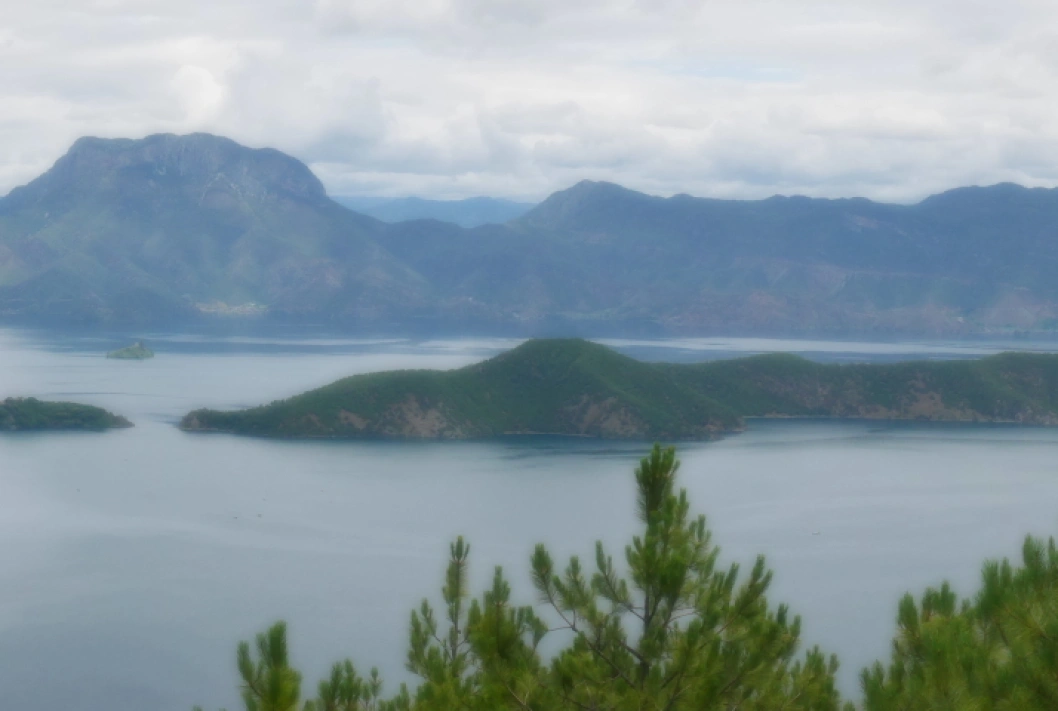
落姆女神山 (Luomu Goddess Mountain) — Didn't Make It
We originally planned to visit Luomu Goddess Mountain on the first day — the highest peak of Lugu Lake, with a cable car (reportedly a suspended one). On clear days, the sunset reflected on the lake during the descent is breathtaking. But we hit rainy weather, and the guesthouse owner said, "It's freezing, don't go," so we gave up. If you have the chance, definitely go!
里格半岛 (Lige Peninsula)
The guesthouse owner was very kind and took us to Lige Peninsula in the afternoon. The viewing platform offers a panoramic view of Lugu Lake, and the gentle breeze is incredibly relaxing. How to know you've arrived? If you suddenly see a bunch of buses parked, that's it!

There's a small path from Lige Peninsula down to the lakeshore. Most people only take photos on the upper platform, but the lakeside is the most beautiful spot! Even on an overcast day, the fresh beauty is calming.
Selfie Tip: I bought a selfie stick that can stand on its own. I placed it on a white table by the lake and used my phone to remote-shoot. No need to bother anyone, and you can take as many photos as you want — perfect for couples!
小落水 (Xiaoluoshui)
On the way back to Dazu Village, we passed a small hilltop with a Tibetan Buddhist temple. Monks were chanting, so we didn't dare take photos and disturb them. There's also a memorial hall for 杨二车娜姆 (Yang Erche Namu), but we arrived too late to go in.
Evening: Walking Is the Real Activity
After dinner, we strolled clockwise along the lakeshore, found a hanging chair, and sat down to watch the sunset (though there was no sun). With a gentle breeze on our faces and some chat, for a couple like us, always busy with daily life, this was incredibly precious.
6. Day 4: Lake Circuit — The Soul of Lugu Lake
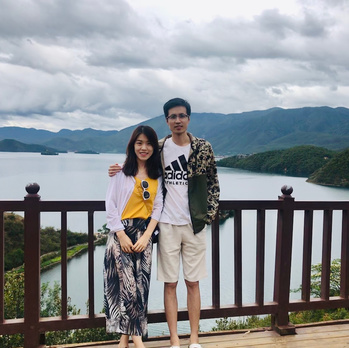
The lake circuit is a standard activity at Lugu Lake, but choosing the right method is key.
Comparison of Lake Circuit Methods
- Self-Driving: Not recommended! The roads around Lugu Lake have mountains on one side and the lake on the other, with many curves and narrow paths. During the rainy season, there's a risk of landslides. We saw landslide traces on the road.
- Private Car: Most recommended. The guesthouse front desk can arrange it, prices are reasonable, and the drivers know the terrain and entertainment options well.
- Tour Group: I don't do tour groups, but I'll share my mom's experience later.
- Cycling: Cycling is now banned on the Yunnan side of Lugu Lake. On the Sichuan side, you might still rent motorcycles, but safety first — not advised.
Classic Spots at a Glance
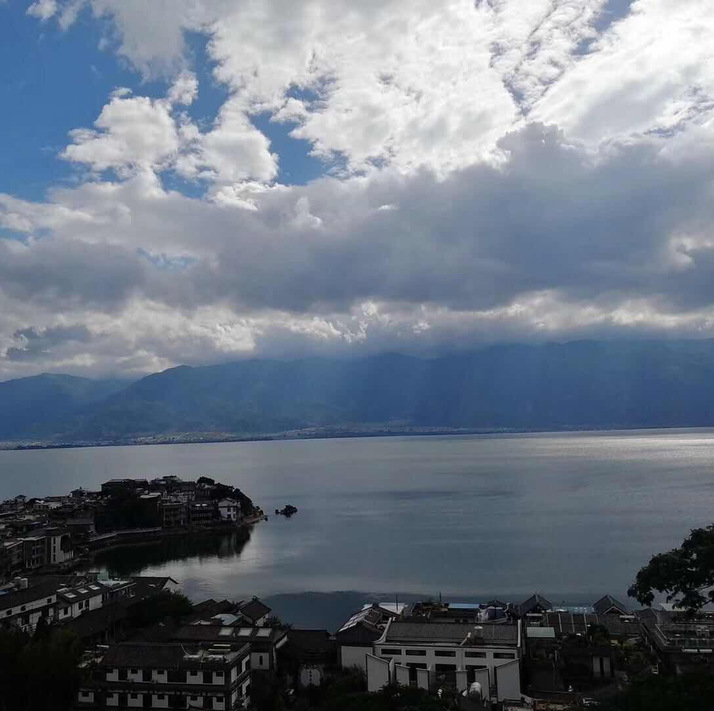
- 赵家湾 (Zhao Family Bay) / 女神湾 (Goddess Bay): A recessed part of the lake. You need to climb a small hill, great for photos.
- 草海 (Grass Sea): You can go boating to see the water-blooming flowers.
- 走婚桥 (Walking Marriage Bridge): A must-visit landmark, extremely crowded.
- 里格半岛 (Lige Peninsula): Already covered above.
- 小落水 (Xiaoluoshui): Home to the "Couple Trees."
- 亲爱的客栈 (Dear Inn): Famous from a TV show. You need to take a boat to the island, with an additional fee.
Lake Circuit in Practice
Boating in the Grass Sea: We chose to go boating in the Grass Sea, sharing a boat with a few girls. The roots of the water-blooming flowers grow underwater, while the flowers float on the surface — stunning! The boating trip lasted nearly 2 hours, and at the center of the lake, you could go to the bow for photos. Even without sunshine, the photos were still great.
Walking Marriage Bridge: It was packed with people, but once you go deeper into the Grass Sea, you can see a different kind of beauty.
Goddess Bay: We went counterclockwise to Goddess Bay and climbed high for a view. Below, there were small riverside barbecue stalls, with grilled water-blooming flowers as a signature dish. Though just street food, the taste was amazing! We also saw many photo props used by influencers — the so-called "mirror of the sky" is actually just a mirror with no attendant; you pick it up and take photos yourself.
Couple Trees: Near Xiaoluoshui, there's a row of identical trees, but they weren't very lush anymore. Because of the rain, we quickly snapped a photo and left.
7. Day 5: Return Trip and Food
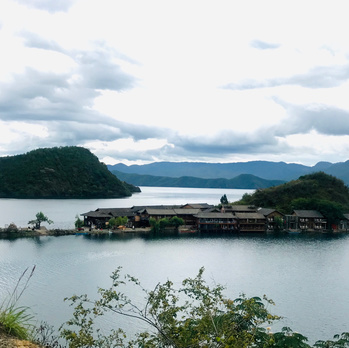
For the return trip, we chose a private car. The guesthouse owner arranged an SUV for 200 RMB per person. If you're staying in Daluoshui or Lige Peninsula, you can take the bus, which is much cheaper.
Must-Try Foods in Lugu Lake
- 鱼味餐厅 (Fish Flavor Restaurant): Paper-wrapped fish from Lugu Lake, generous portions and tender flavor.
- 野生菌蒸汽石锅鱼 (Wild Mushroom Steam Stone Pot Fish): The private car driver took us to a place with a discount — 6 people, only 30 RMB per person! In Beijing, that would cost at least 200 RMB per person.
- 走地鸡 (Free-Range Chicken): A farmhouse restaurant recommended by the guesthouse owner. Big pot with cornbread and chicken soup — so fragrant you'd want to lick the pot clean.
8. Should You Join a Tour Group? Advice from Someone Who's Been There

The bus guide will recommend joining a tour group, but I advise against it. My mom joined one with her coworkers, and she told me the itinerary: bus → lake circuit (a quick glance) → boating (to Dear Inn, with an extra fee) → Mosuo family meal (reportedly not good) → museum → bonfire party. Even a two-day tour is rushed like this, so a one-day tour is even worse.
Traveling is about relaxation. Isn't sitting by the lake, feeling the breeze, much better? Don't turn yourself into a market-goer.
Conclusion: The Regrets and Beauty of Lugu Lake
When we left, it was still overcast. We didn't see the mirror of the sky, the sunset over Goddess Mountain, or take proper photos under the Couple Trees. But those regrets have become reasons to go back. The tranquility of Lugu Lake, the clarity of the water, the evening breeze, the roadside barbecues — these are the true essence of travel.
Next stop, see you in Dali.
(This article is original content, with core information based on real travel experiences, deeply rewritten and reorganized.)
You should also read:

Cloud Travelogue · Dali of Wind, Flowers, Snow, and Moon: A Three-Day, Two-Night Journey of a Free Spirit
Cloud Travelogue · Dali of Wind, Flowers, Snow, and Moon: A Three-Day, Two-Night Journey of a Free Spirit I am a cultured female foodie with a touch of rogue charm. I slung on my backpack, took my lover's hand, and set off on a spontaneous…
Continue reading...
The Meaning of Travel – A Tengchong Story: A Journey of the Heart and Personal Growth
The Meaning of Travel – A Tengchong Story: A Journey of the Heart and Personal Growth Setting Out, Only to Return a Better Self Some say travel is nothing more than leaving a place you're tired of, only to go to a place where others…
Continue reading...
A Spiritual Journey to Lugu Lake in Lijiang: Experiencing the Legend of the Kingdom of Women! (Reproduction and Hotlinking Prohibited)
A Spiritual Journey to Lugu Lake in Lijiang: Experiencing the Legend of the Kingdom of Women! (Reproduction and Hotlinking Prohibited) Off-road自驾, food, hotel and民宿 reviews, Featured Traveler, Tank 300 owner, 200,000 km of self-driving experience. WeChat: y01294987 Ninglang Yi Autonomous County 2010.11.08 · 7 days…
Continue reading...