Yunnan Is Beautiful, But I Won't Be Coming Back
Yunnan Is Beautiful, But I Won't Be Coming Back
A Journey Between Expectation and Reality
In 2020, I seriously considered using my annual leave for Yunnan for the first time. Back then, both Guangzhou and Yunnan were under COVID lockdowns simultaneously, so I ended up flying to Sanya instead. That island didn't disappoint me—it became the domestic destination I most wanted to revisit. In 2023, while planning our wedding and engagement photos, a friend's sample photos from Sanya's Bó Jué (a popular photography studio) caught my eye. But the Dali samples the客服 (customer service) sent me completely changed my plans—Sanya's ocean views were beautiful but monotonous; Dali had mountains, water, and forests, while Lijiang, aside from Jade Dragon Snow Mountain, seemed hard-pressed to offer a second stunning backdrop. So I decided to set our wedding photo shoot in Dali and turn it into a Kunming-Dali-Lijiang trip.
Traveling from a small fourth-tier city in Northeast China to Yunnan was a test of both stamina and budget. Round-trip flights for two people alone ate up a third of our total travel expenses. We chose Kunming as our arrival and departure point because it was the most economical transit option. Combining the Qingming Festival holiday with annual leave, we pieced together ten days and planned the following itinerary:
- Day 1: Liaoning → Kunming
- Day 2: Kunming → Dali (choose wedding dress, explore the old town)
- Day 3: Wedding photo shoot
- Day 4: Xizhou Ancient Town → photo selection → Lijiang
- Day 5: Jade Dragon Snow Mountain → Lijiang Old Town
- Day 6-7: Lugu Lake two-day trip
- Day 8: Shuhe Ancient Town → Baisha Ancient Town → Kunming
- Day 9: Dianchi Lake → Provincial Museum → Guandu Ancient Town → Dounan Flower Market → Kunming Old Street
- Day 10: Kunming → Liaoning
The final itinerary had some changes, but we roughly followed this plan. And along the way, what I gained wasn't just wedding photos—it was a complicated feeling about Yunnan: it's beautiful, but I probably won't come back.
Pre-Trip Preparation: The Details You Must Know

Essential Packing List
Beyond the usual luggage, make sure to bring these items:
- Sunscreen: Use both physical and chemical protection. Hats, sun-protective clothing, sunglasses, and sunscreen are non-negotiable. Don't think you're immune just because you don't tan easily—the UV rays at high altitudes are a "hidden killer." My boyfriend and I spent two hours in the old town during peak sun, and his scalp was red by the time we got back. Luckily, it wasn't sunburned.
- Pashmina Shawl: In Yunnan, on average, one out of every two women is wearing a pashmina. You can buy one locally, but if you want to bring it home, make sure you leave space in your luggage—they take up a lot of room. A basic thin one costs 25-30 RMB, and one with pom-poms is 60 RMB. If the price is higher, haggle or find another shop. Prices vary wildly between different ancient towns.
- Clothing: Traveling in early April, pack clothes for all four seasons—t-shirts, skirts, leggings, hoodies, light jackets, down jackets. You never know how many seasons you'll experience in a single day.
Weather and What to Wear
Checking the weather is maddening. In early March, I checked the 15-day forecast: sunny, partly cloudy, overcast, rain. In mid-March, I checked again: sunny, partly cloudy, overcast, rain. At the end of March: sunny, partly cloudy, overcast, rain. No matter when you check, it's always "sunny to partly cloudy for a few days, then rain starts." Some bloggers on Xiaohongshu (Little Red Book) post daily weather updates and outfit suggestions—worth checking.
Yunnan's clouds have a peculiar trait: one single cloud counts as "partly cloudy." On my first afternoon there, it rained briefly but stopped quickly. So, always carry an umbrella.
Accommodation: Where to Stay?
Kunming
Pick anywhere—everything works. Good transportation, plenty of hotels.
Dali
Where you stay depends on your itinerary. Since our wedding photo shoot included a hotel, I didn't have to choose separately. Popular areas:
- Old Towns: Dali Ancient Town, Xizhou Ancient Town, Shuanglang Ancient Town. Lively, bustling, lots of food and drink. Shuanglang has sea-view rooms.
- Villages: Caicun Village, Wenbi Village. Great for sunrise and sunset views, quiet with fewer people.
- City Center: Xiaguan District, near Erhai Park. Easy to get taxis, farther from scenic spots, more shopping malls.
Lijiang
Almost everyone stays near the ancient towns. Lijiang has three ancient towns, each with pros and cons:
- Inside the Old Town: Convenient for exploring, with views from your window. Downside: the cobblestone paths are hard to navigate, and even if the老板 (owner) helps with luggage, they usually just guide you and carry small suitcases. Most guesthouses are wooden structures—poor soundproofing, possible bugs, renovated old buildings. Make sure to confirm the exact location of your guesthouse (my guesthouse in Shuhe had three locations; I chose it for the south gate, but my room was at the north gate), whether they help with luggage, and if they have independent air conditioning.
- Outside the Old Town: Usually hotels, no ancient town views, but you can catch a taxi right downstairs without navigating cobblestone paths.
Comparison of the three ancient towns: - Lijiang Ancient Town (Dayan Ancient Town): The largest, most crowded, and most commercialized. Plenty of food, drink, and entertainment, plus cultural exhibits. Both inside and outside are lively. About a 15-minute drive from the train station. - Shuhe Ancient Town: Fewer people, more greenery. I didn't like it on the first day, but after exploring and taking photos on the second day, I found it charming. About a 30-40 minute drive from the train station. - Baisha Ancient Town: Closest to the snow mountain, smallest, about an hour from the station. Famous for its "Mantou Poet" (a local vendor) and cafés with snow mountain views.
Transportation: The Ordeal from Northeast China to Yunnan
Flights
 Kunming is the best transit city: plenty of flights, a large airport, convenient transportation, and low altitude. Dali's airport is windy, leading to frequent delays or cancellations. Lijiang's airport sits at nearly 3,000 meters above sea level, so people with weaker constitutions may experience altitude sickness.
Trains
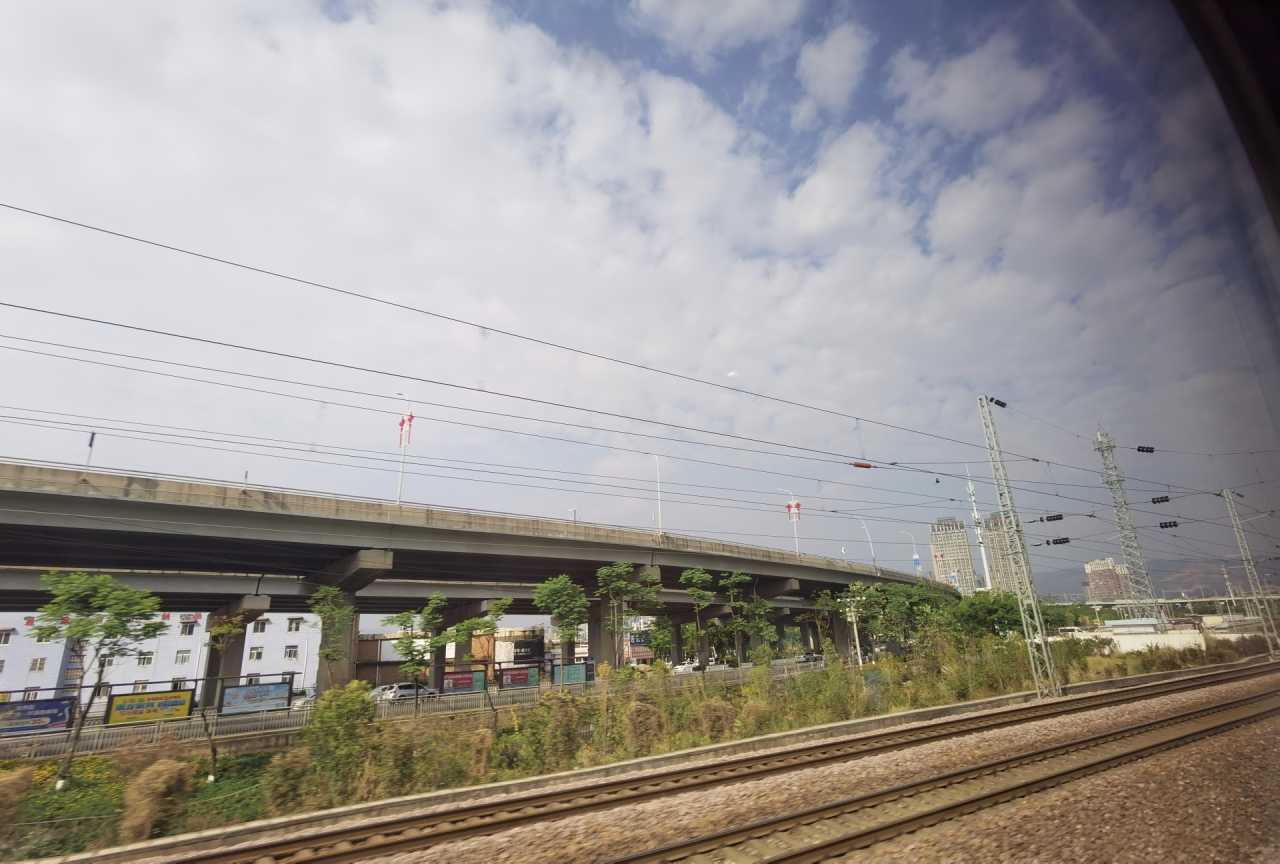
There are many trains between Kunming, Dali, and Lijiang—basically one every 10 minutes from Kunming to Dali. The Lijiang section has many tunnels, causing frequent ear pressure and no phone signal.
Private Cars
Many people carpool or rent cars; time and cost are similar. Dali and Lijiang have no subways, so you'll need a taxi upon arrival. When we got to Lijiang, Didi (ride-hailing app) showed over 30 people in the queue. We waited half an hour with no pickup and eventually carpooled to the old town.
Day 1: First Impressions of Kunming
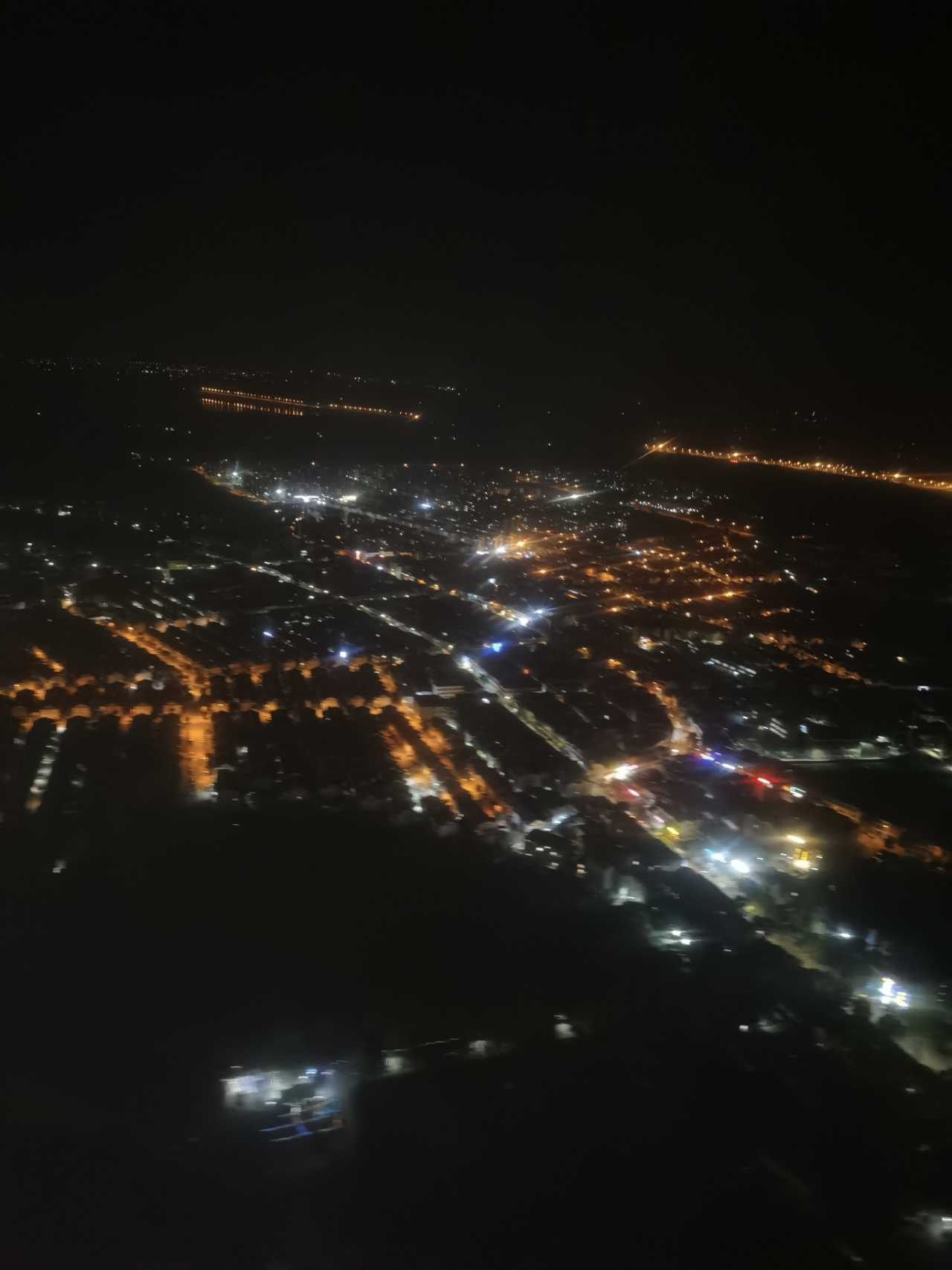
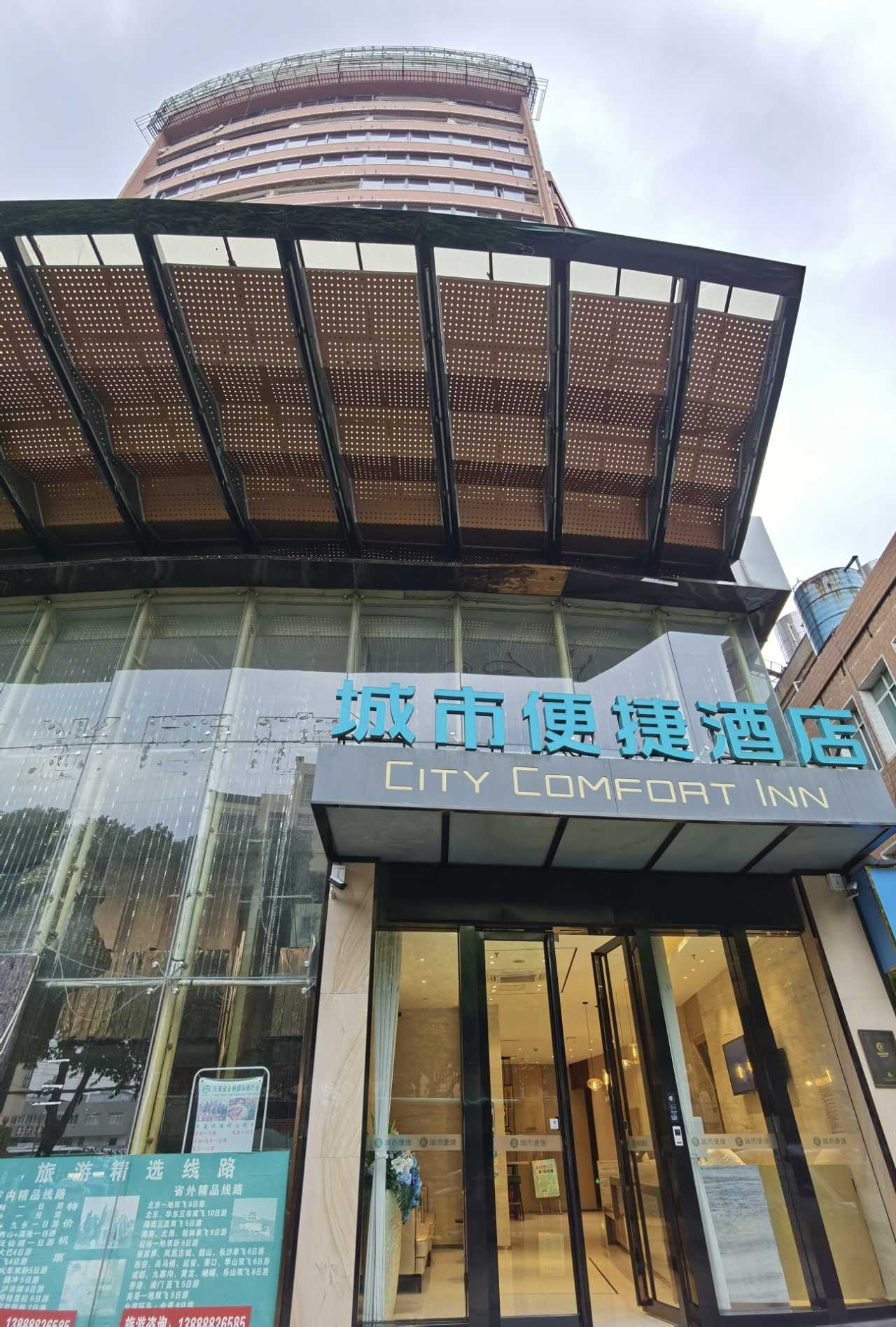
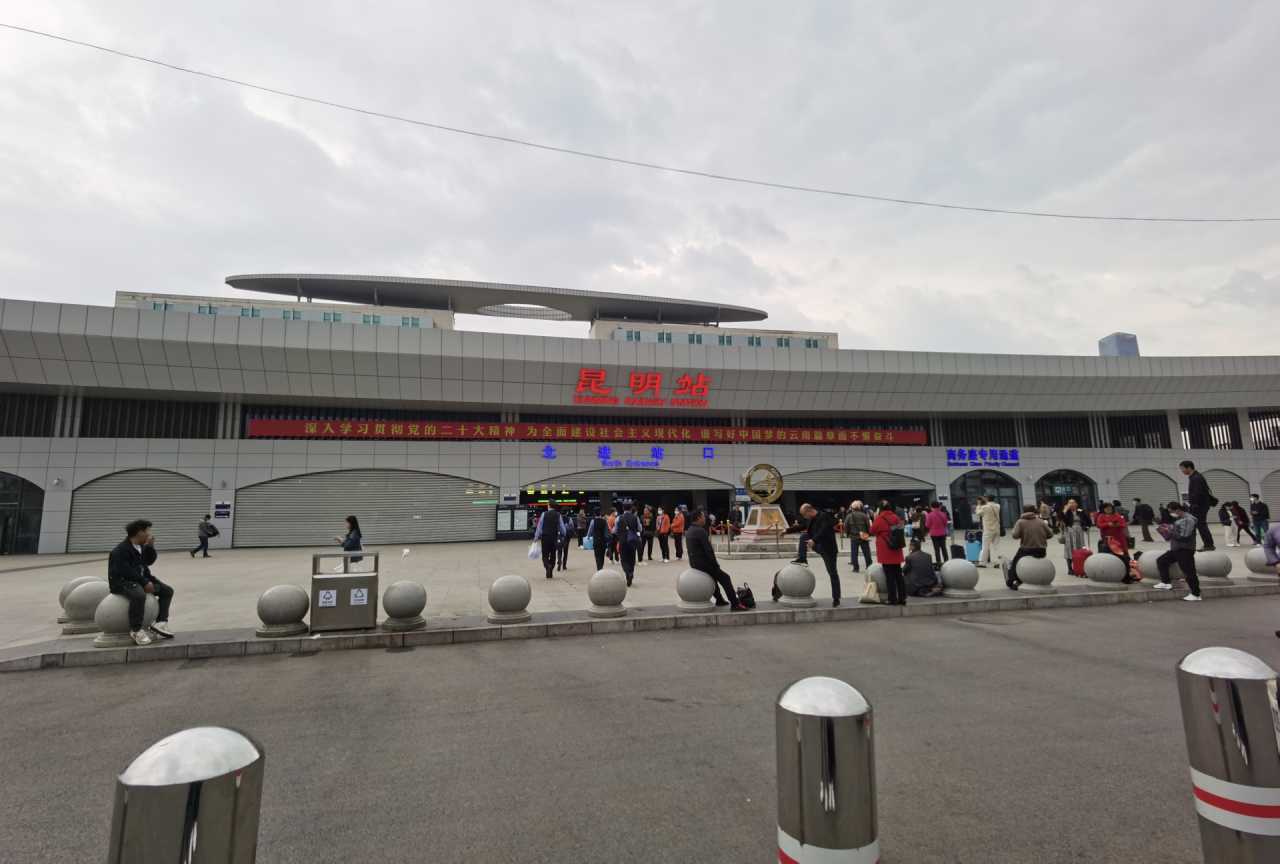
We arrived in Kunming at 10:15 PM and found an airport bus to the train station, so we decided to stay near Kunming Station. The plane landed early at 9:50 PM. Passing the information desk, a staff member said the airport bus was 25 RMB per person, departing on the hour, or we could take a private car for 77 RMB for two. We checked the map and realized we could still catch the subway, so we grabbed our bags and ran. But Line 2 had already stopped running, so we took a taxi from Tangzi Alley to the hotel. The hotel was booked with a Dongcheng membership—decent location, room, and breakfast.
Day 2: Dali's "Welcome"
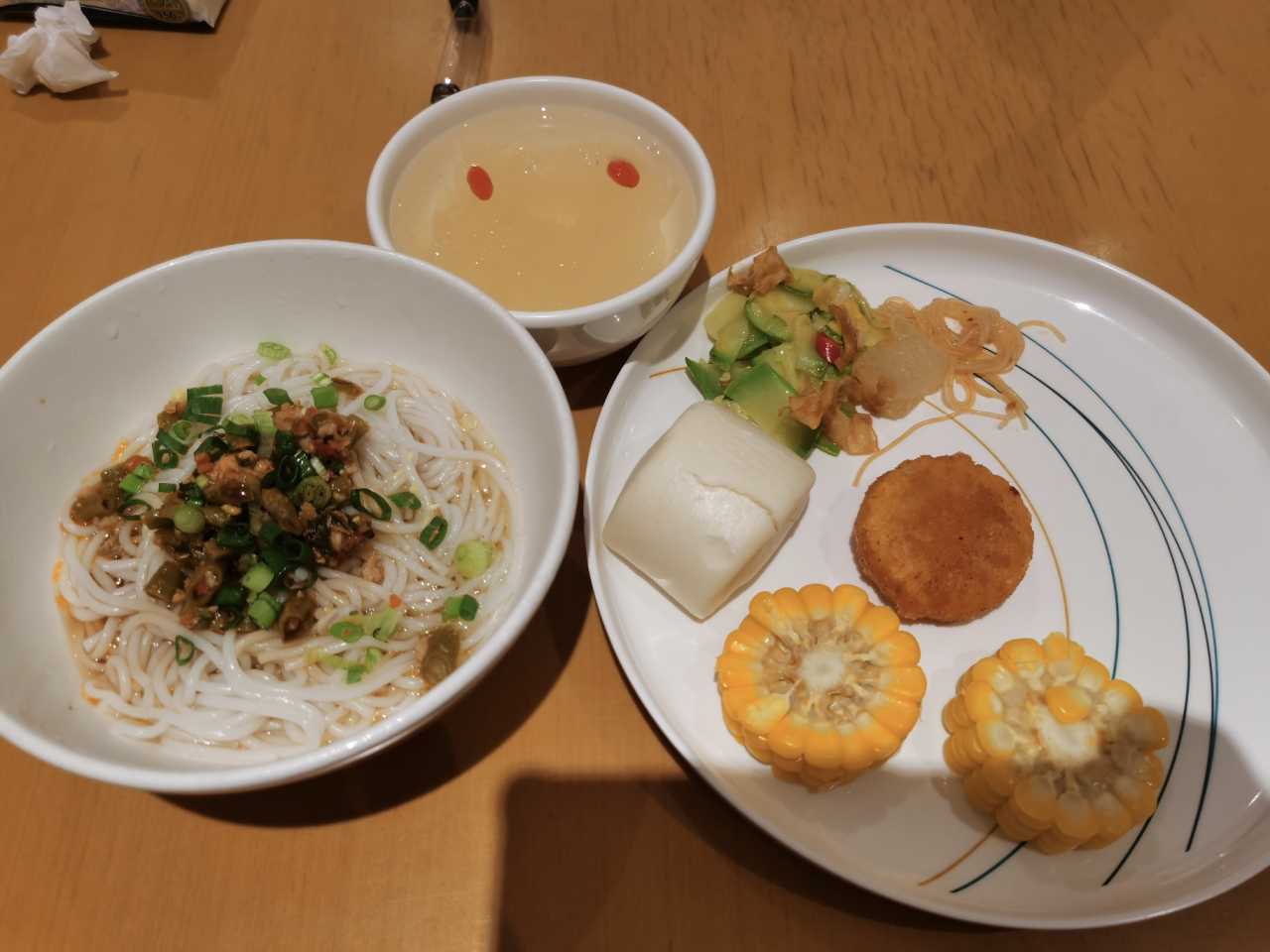
We had breakfast at the hotel and tried Yunnan rice noodles for the first time—so bland it had no flavor (I later learned you need to pile on the toppings).
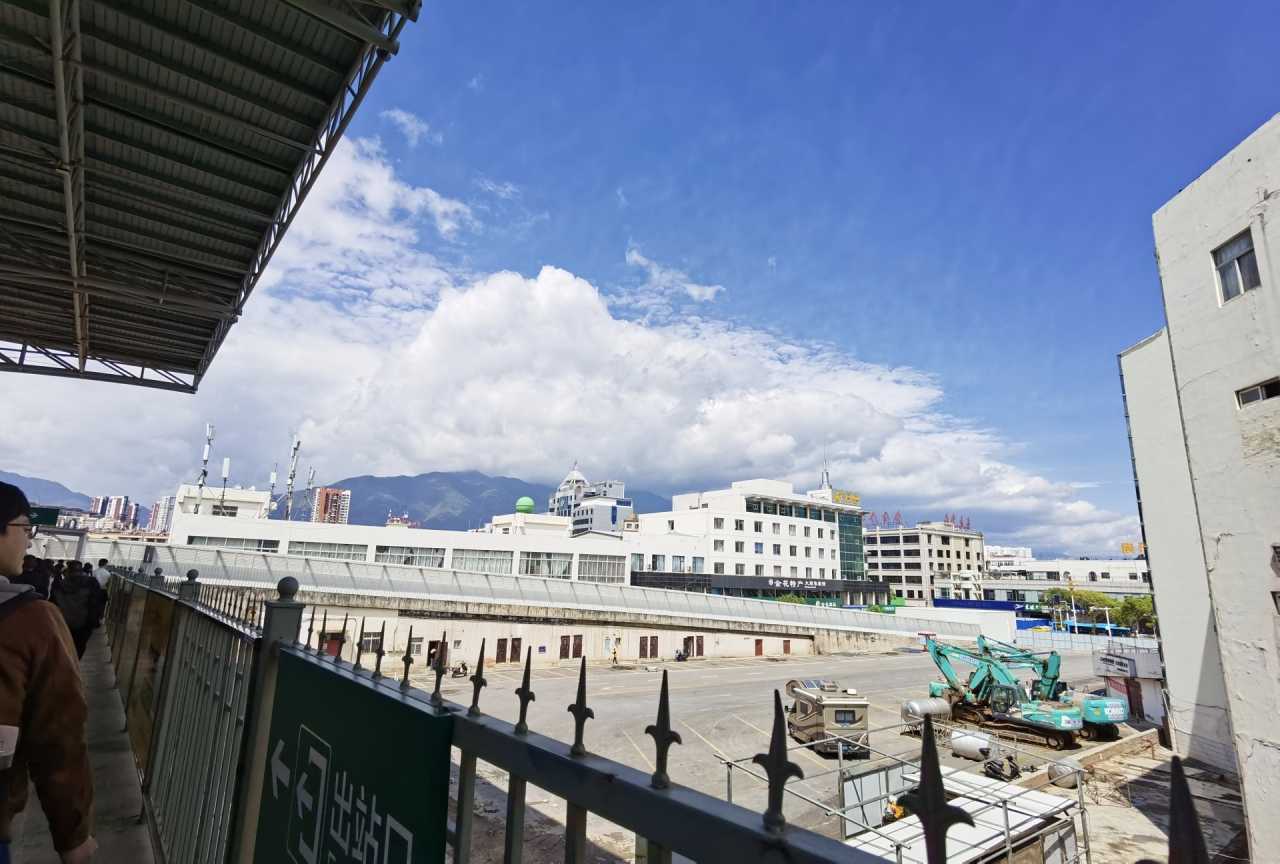
We took the high-speed train to Dali, a 2-hour ride. The first three days revolved around the wedding photo shoot, leaving little time for sightseeing. Day one was for choosing dresses at the photography studio. Dali Station was under renovation, making the exit experience terrible: taxis blocked the road, and Didi took forever. While waiting, we even got a sun shower.
The hotel was provided by Bó Jué—nice location and environment, but the road out front was under construction. What was originally a six-lane two-way road had been reduced to a single lane one-way. Navigation didn't show it, so many drivers got lost or had to detour. After changing clothes, we headed to the studio. Dressed for midday warmth in stockings and a pashmina, I didn't bring extra layers—Dali at night taught me a lesson.
The studio was near Erhai Park, right across from Erhai Lake with beautiful views. But at 2 PM, it started raining heavily and didn't let up for a long time. By 5 PM, when we finished the fitting, the sky cleared and Erhai sparkled. We decided to visit Dali Ancient Town—a 40 RMB, 40-minute taxi ride. The weather shifted from clear to rainy along the way, and by the time we arrived, it was pouring. Thinking, "We're here anyway," we set out to find food.
Entering through the south gate, we walked the entire stretch with no restaurants until we reached the center, where we found a food court. Rice noodles at 25 RMB were acceptable, but iron-plate tofu and potatoes also at 25 RMB felt like a rip-off. We bought rice noodles and a fried pancake. Maybe it was hunger, but the rice noodles were delicious.
After the rain stopped, the clouds were stunning, enhanced by mist. We tried Yangji grilled milk fan and grilled rice cake. The milk fan became my favorite—a whole sheet of dairy product grilled over fire, coated with sauce, and rolled up. It tasted like a mix of cheese, cream, and milk. The rice cake was a rice dough patty topped with crushed peanuts and sauce—not my thing. Over this Yunnan trip, I ate seven or eight milk fans.
The bars started getting lively, and more people appeared. We exited through the north gate and took bus Route 8 back to the hotel. Outside the old town, it was desolate—no people, no cars. The bus stopped right across from our hotel. Exhausted, we went straight to bed.
Day 3: The "Fire and Ice" of Wedding Photos
We woke up at 6 AM, left at 7, and got a taxi surprisingly easily. By 7:30, we were at the studio for makeup, starting a full day of shooting.
The first stop was a forest-style shoot. We drove far along the eastern shore of Erhai to a distant forest. A lawn in front, bordering woods, with Erhai behind and Cangshan in the distance. The clouds had layers, outlining distance and height, light and shadow. Even though the first set is usually the easiest to mess up, we got many photos that turned out better than expected.
At noon, we ate boxed lunches at a designated spot—20 RMB each, two meats and two veggies, and surprisingly good.
The second stop was a seaside shoot. It was overcast, making the photos a bit dark, but the sun peeked through occasionally, and we rushed to capture the glimmering water. We were lightly dressed the whole time—summer when the sun was out, down jacket when it disappeared.
The third stop was Lanchuan Town, on a hilltop with strong winds. Once up there, I never warmed up again. The clouds thickened, and while posing with alpacas, it even drizzled. But here, I saw my favorite phenomenon: the Tyndall effect (rays of light piercing through clouds).
The fourth stop was Xingsheng Bridge, in the center of Xiaguan District. Traffic was terrible—we hit rush hour. Erhai Park was full of locals, lively and bustling. The scene: square dancers in front, fireworks sellers to the right, a row of brides-to-be in little black dresses, with photographers shouting directions from across the street. Zero romance or immersion.
In Dali, darkness falls in an instant. One moment we were shooting the sunset glow, the next we were lighting sparklers.
The fifth stop was an indoor studio shoot. We arrived at 8:30 PM. All the brides and grooms were waiting in line, changing outfits, everyone exhausted. The final wedding dress turned out unexpectedly beautiful—simple and elegant, flattering and foolproof.
Day 4: The Fresh Charm of Xizhou Ancient Town
Exhausted from the previous day, we slept in and made it to breakfast just 10 minutes before they cleared the buffet. Watching how others ate, I piled on the toppings—this time, the rice noodles were amazing.
To enjoy Xizhou properly in the morning, we moved the photo selection to 4 PM. Xizhou was far—first a taxi to the bus station, then a minibus. The weather was clear, so I wore the flower crown from the day before, going for a fresh, pastoral look.
Xizhou Ancient Town features Bai ethnic architecture and is beautiful. At noon, there weren't many people, but it got busier as we went deeper. Horse-drawn carriages were available. We found Shihuaji, a famous flower pastry shop in Xizhou—10 RMB for three, freshly baked, soft, sweet, and not cloying. The corner building had crowds queuing for photos. Further in were the wheat fields, still green this season, with plenty of people taking pictures. My straw hat and flower crown fit right in.
By afternoon, it was hot, so I bought a drink—tasteless and bad. I spotted another grilled milk fan stall—only 5 RMB each this time. Xizhou had milk fan vendors everywhere, every few steps, with the老板 (owner) sitting by their stall, some using rose sauce, others brown sugar. I bought a Xizhou baba cake, a sweet version—like a sugar-filled leavened flatbread. Too full to eat it, I carried it all the way back before digging in.
By 2 PM, it was time to head back for photo selection. The return transport was confusing: the bus dropped us off and said to catch a ride from across the street by hailing any bus with "Xiaguan" on it. This novel method was new to me. We retraced our steps, asked where to board on the opposite side, and found there was no fixed stop. We randomly flagged down a minibus going from Lijiang to Xiaguan. We'd left plenty of time for waiting, but the ride came quickly, and soon we were back at Bó Jué.
On the taxi ride, we passed Xingsheng Bridge again. The weather was much better than the day before—Erhai was much brighter. We spent a long time taking photos by the lake. After selecting photos, we considered using flash delivery to send our luggage from the hotel to the studio, but it cost 40 RMB. With time to spare, we decided to pick it up ourselves.
On the train from Dali to Lijiang, we could barely use our phones. Every few minutes, we entered another tunnel, spending the whole ride underground. Ear pressure kept building up, uncomfortable, and there was no signal. We hadn't eaten properly in days—just snacks and street food—and I felt terrible on the train. But once we got off, all the discomfort faded.
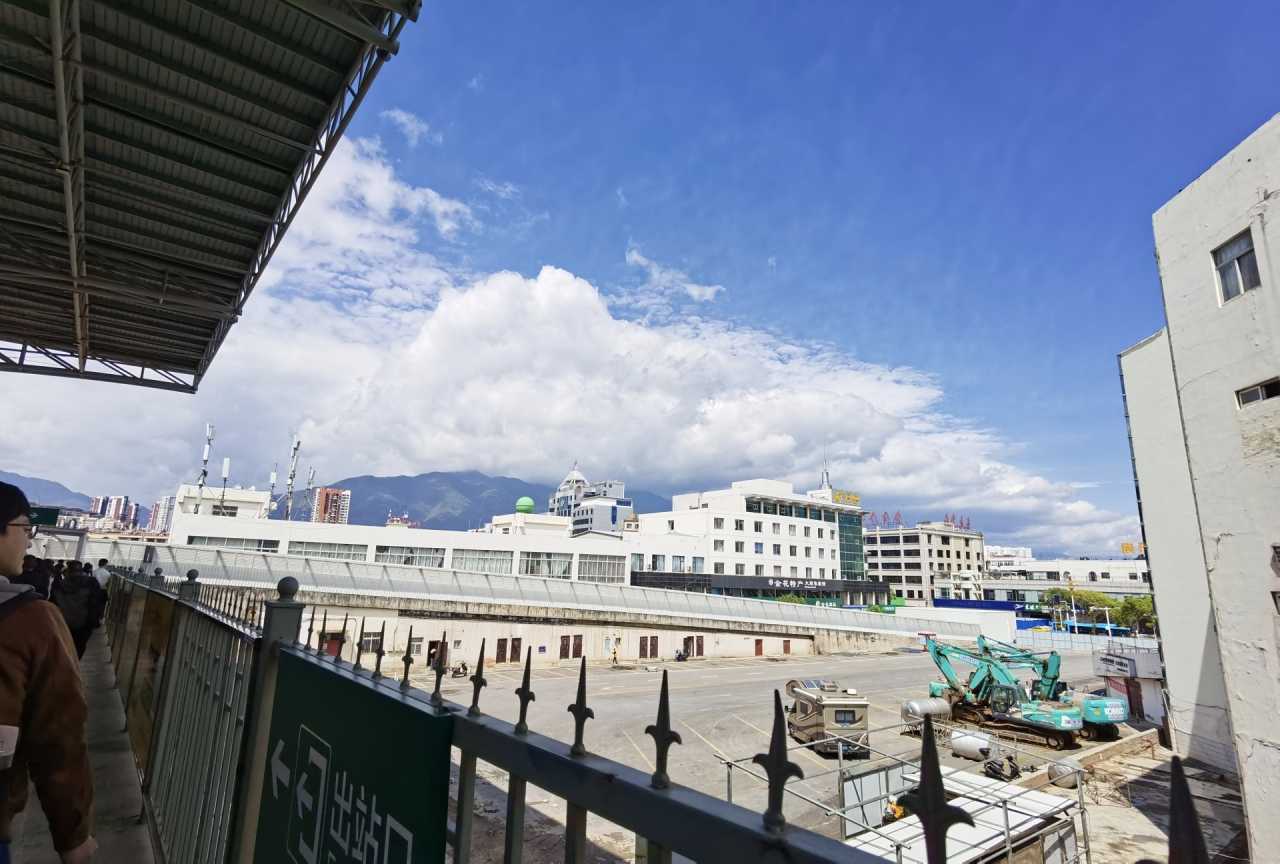
The biggest sensation upon arrival was the dryness. I like dry weather, but my boyfriend's nose started acting up, and over the next few days, he often had nosebleeds. Lijiang Station was huge, with no escalators at the exit. We walked a long way to find an exit with an elevator, only to realize it was just a crowd-control tactic—walking farther didn't guarantee an elevator. We cursed a lot.
Outside, there were many drivers soliciting rides, with police keeping order but not allowing loitering. Didi showed over 30 people in the queue—the number moved fast but stopped moving when there were three people left. The crowd waiting for rides gradually thinned, and the unlicensed taxis drove off. We eventually took an unlicensed car that hadn't filled all its seats to the old town.
Lijiang Old Town is huge—the largest ancient town I've ever visited. It has many gates, and accommodation choices are complicated. We stayed near the south gate. The old town at night was quiet yet lit up, feeling both bustling and serene. The guesthouse老板 (owner) came out to help with luggage. I'd chosen a room with a bathtub, located at the far end of the rooftop—carrying our bags up to the third floor was exhausting. The guesthouse had a courtyard for relaxing, but we had to leave at 6 AM the next day for Jade Dragon Snow Mountain, so we didn't have time to enjoy it. We went to bed early.
Day 5: Jade Dragon Snow Mountain and Blue Moon Valley's "Altitude Experience"
Jade Dragon Snow Mountain is Lijiang's most famous attraction, less than an hour from the city. The scenic area has three cable cars: large, medium, and small. The large cable car goes to the Glacier Park observation deck at 4,680 meters—the top choice. The medium cable car goes to Yak Meadow, and the small one to Spruce Meadow, where many people take wedding photos.
After researching independent travel, I found many pitfalls: 1. Capacity Limits: The large cable car only serves 10,000 people daily, with 9,000 tickets held by travel agencies. Individual travelers need to grab tickets on the official mini-program at 8 PM the night before—they sell out in one to two minutes. 2. Poor Management: You pay an entrance fee (scenic area ticket) at the gate. There are free shuttle buses and a paid Blue Moon Valley sightseeing car (50 RMB per person, only three stops, not worth it—just walk along the river, it's only about 2 kilometers total).
Afraid we couldn't get tickets, we joined a tour group. After careful research, we chose a well-reviewed small group of 8 (which later proved to be not good at all).
The driver was very slow, repeatedly emphasizing we needed to wait at 6 AM. We were there on time, and a 8-seat van picked us up, then went to collect other guests. One couple didn't answer their phone and were never reached—we ended up as a group of 5. The driver first took us to a rental and oxygen sales center, where staff tried to convince us our oxygen wasn't enough. We'd bought two canisters at the guesthouse the day before, ignored the sales pitch, and headed out.
We passed Dongba Valley and Ganhaizi, catching a brief glimpse of the "golden mountain" sunrise. Our cable car tickets were for just after 7 AM, and we needed to be inside by 8. We rushed to the shuttle bus to the cable car station, 8 people per car, a 15-minute ride to 4,506 meters. We needed to start using oxygen in the car to prevent altitude sickness. For a while afterward, the sound of pressurized canisters filled the air.
At the 4,506-meter observation deck, the sun was out, but clouds shrouded the distant peaks. Cool, crisp air filled our nostrils. Ahead, tourists in red down jackets formed a human red dragon. After a short rest, we headed toward 4,680 meters. Every 10-15 steps, we stopped to rest and use oxygen, with heart rates bouncing between 90 and 130. Walking too much caused brief dizziness. Soon, small pellet-like snowflakes started falling—round like rice grains, not melting in my hand. The higher we went, the heavier it got, until we couldn't see the peaks or the cable car—we were enveloped in clouds.
Passing a rest area, I wanted to buy a grilled sausage—12 RMB each—but they weren't available because it was too high for the grill to cook properly. Giving up on food, we pushed on. Asking passersby how much further, they all said "almost there," but the last few dozen steps were excruciating. The stairs to the summit had no resting area—over 30 steps in one go, holding my breath on the edge of oxygen deprivation, I made it to the top.
The summit platform wasn't large. On all sides were signs reading "4,680 meters," with a monument in the center, each side crowded with people queuing for photos. There was even a guy who took off his jacket in freezing temperatures for a picture. You're not supposed to stay at 4,680 meters for more than 20 minutes. The descent was much easier. One canister of oxygen per person is enough for a normal person. We had bought extra, so I kept using it just to finish it. Back at the sausage stand, we caught a fresh batch and had one. Near the cable car, we met a girl and sold her our remaining canister. On the way down, I kept using oxygen to empty it—on the cable car, on the shuttle bus. Eventually, I got altitude sickness.
Altitude sickness has many symptoms, most of which resolve quickly, like shortness of breath. But headaches, once they start, are hard to shake. It can hit on the way up or, more commonly, after descending. Changes in altitude are the main trigger. My headache started mildly, but I could still enjoy Blue Moon Valley.
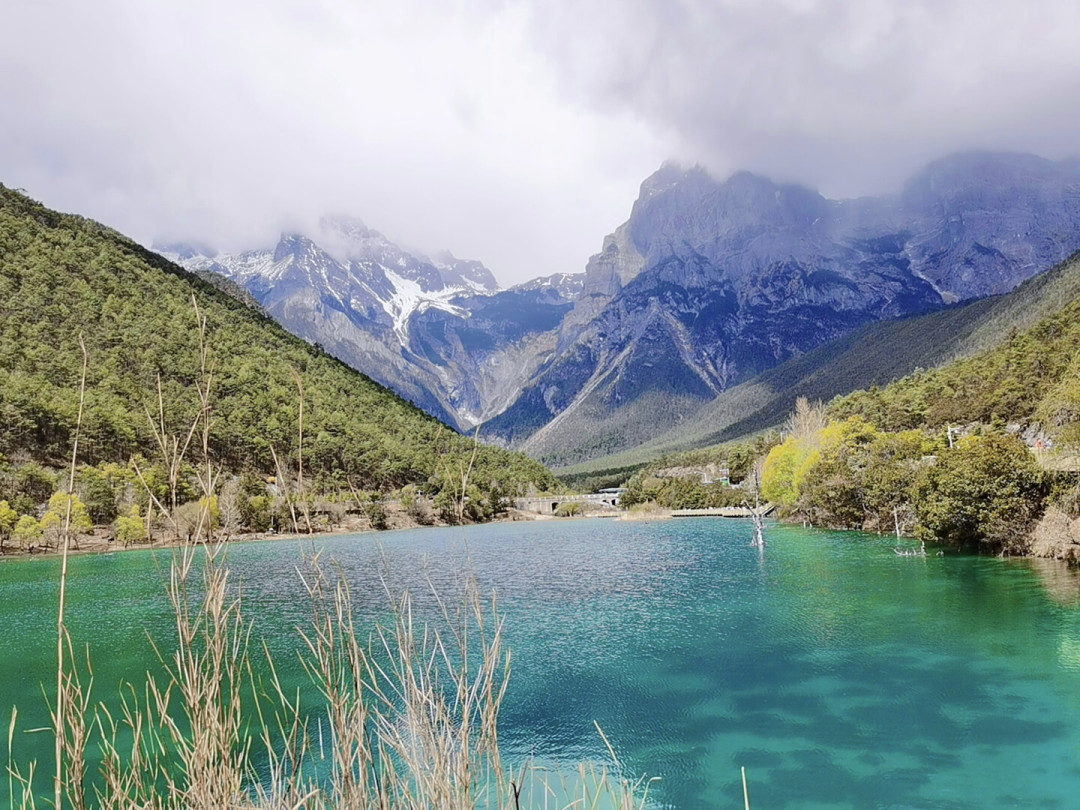
Blue Moon Valley is at the foot of the mountain, near the Spruce Meadow starting point, and one of the most crowded spots. By 11 AM, it was already packed. The starting point recommended an electric cart for 50 RMB per person—many online posts complain about it, and our guesthouse owner advised against it. There are three ways to explore: take the electric cart (three stops, get on and off anytime); walk yourself (a few hundred meters to Blue Moon Valley); or take the scenic area shuttle to the end of Blue Moon Valley and walk back while sightseeing. We chose the third option.
Our driver was waiting. With only 5 people in the group, we had to accommodate others' schedules. One girl had bought the wrong ticket for Spruce Meadow and wanted to go, while another couple had gone down early—they were at Blue Moon Valley over an hour before us. The driver kept催促 (urging) us in the group chat. When we finally reached Blue Moon Valley, he started pushing the electric cart tickets...
Conclusion: Yunnan Is Beautiful, But I Probably Won't Be Coming Back
On this Yunnan trip, I saw the majesty of Cangshan and Erhai, tasted the unique flavor of grilled milk fan, and experienced the awe of Jade Dragon Snow Mountain. But the traffic jams, chaotic scenic area management, high costs, and frequent altitude sickness also left me exhausted.
Yunnan is beautiful—beautiful enough that everyone should visit once. But for me, once is enough. It's not that I don't like it; it's just too much trouble. The struggle of dragging luggage over ancient town cobblestones, the anxiety of queueing for Jade Dragon Snow Mountain tickets, the frustration of being rushed through Blue Moon Valley—all of it made me realize: some sights are worth seeing, and some places are worth visiting, but that's all.
If you ask me whether you should go to Yunnan, I'd say: go, while you're young and have the stamina. But make sure to do your research, bring enough sunscreen, pack oxygen, and adjust your expectations. Because Yunnan's beauty demands your patience and physical strength in exchange.
As for me, on my next vacation, I'll probably choose somewhere easier—like Sanya.
You should also read:
Yunnan Travel Mastery: From Beginner to Pro-Level Player – A Complete Guide
Yunnan Travel Mastery: From Beginner to Pro-Level Player – A Complete Guide "Either travel or read, but your body and soul must be on the road." This quote has been repeated countless times, but very few people truly manage to be "on the road" and…
Continue reading...
Escaping Nanning, Falling Under Lijiang's Spell: Our Four-Person, Ten-Day Yunnan Dream
Escaping Nanning, Falling Under Lijiang's Spell: Our Four-Person, Ten-Day Yunnan Dream Before We Set Off: No Pain, No Obsession Have you ever had that impulse—suddenly tired of the office fluorescent lights, the crush of the subway, the endless parade of identical takeout boxes, and just…
Continue reading...
Solo in Yunnan: A Wanderer’s Guide to the Land of Eternal Spring
Solo in Yunnan: A Wanderer’s Guide to the Land of Eternal Spring There’s something magical about traveling alone. No compromises, no schedules to keep, no one to please but yourself. I’ve been on the road for nearly three months now, and not once have I…
Continue reading...