Yunnan on Wheels: A Complete 20-Day Road Trip Through Northwest Yunnan
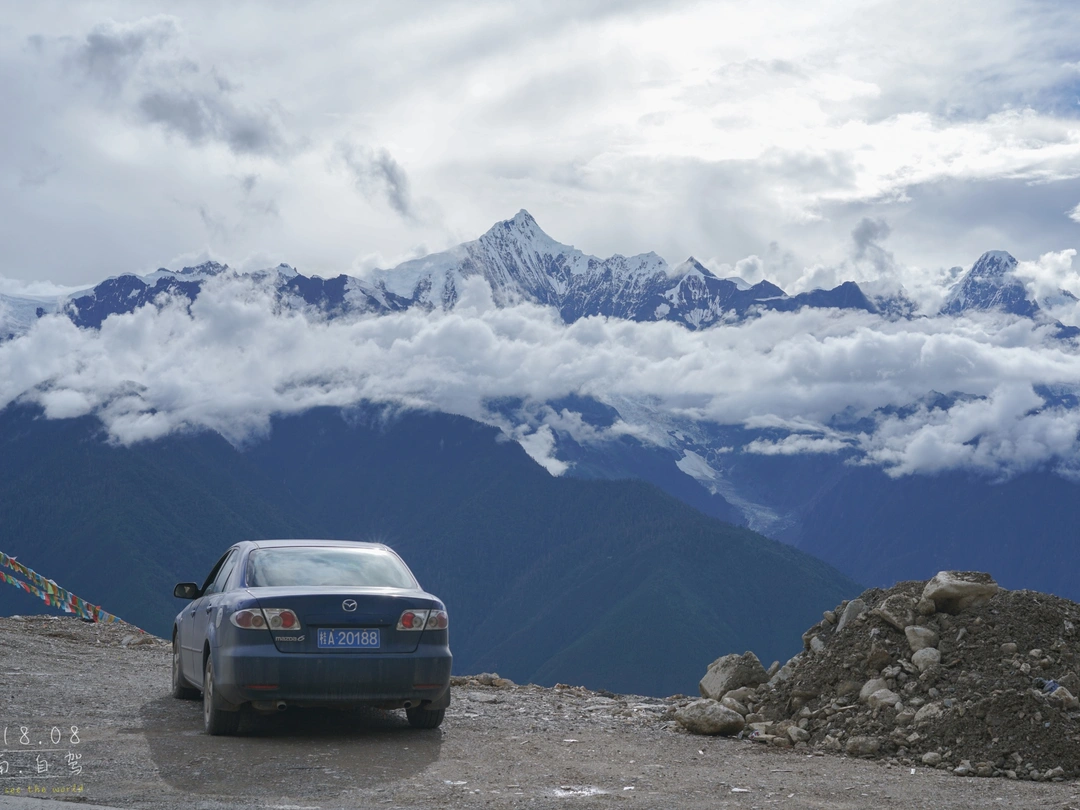
Yunnan on Wheels: A Complete 20-Day Road Trip Through Northwest Yunnan
Departure: Why Yunnan Again?
This was already my third time setting foot in Yunnan. People ask me why I keep going back to Yunnan, and I could rattle off a long list of reasons: it's close by, the scenery is stunning, it's a great escape from the heat, it feels familiar yet foreign... But honestly, the real reason is simpler than that — I didn't want to stay home and tend the fields. I wanted to go to Yunnan.
On August 1, 2018, I set out from Guangxi, driving my little "Six" (a faithful old car), embarking on the first long-distance road trip of my life. There was no detailed itinerary, no meticulous preparation — just a heart longing for freedom and a car loaded with luggage. Twenty days, more than 3,000 kilometers, from Mile to Fuxian Lake, from Dali to Shangri-La, and I even pushed the gas pedal all the way into Tibet.
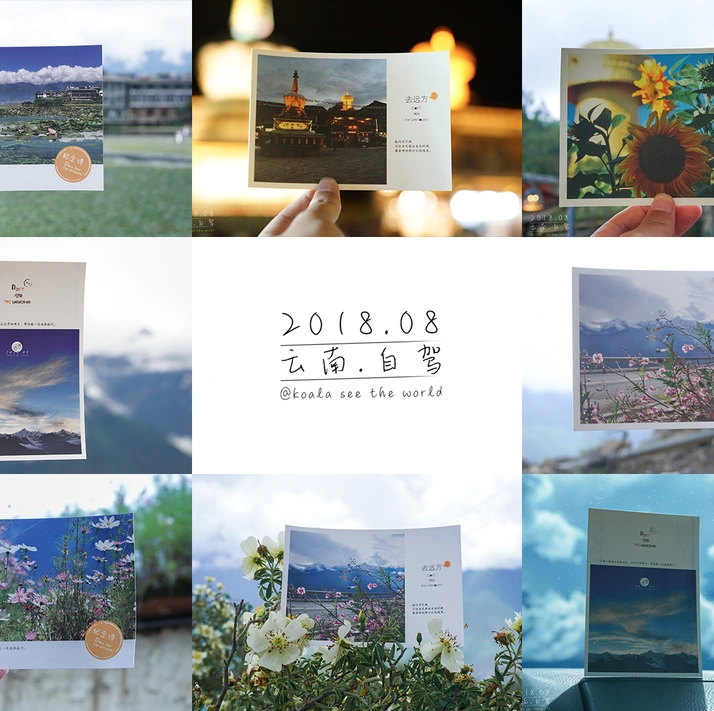
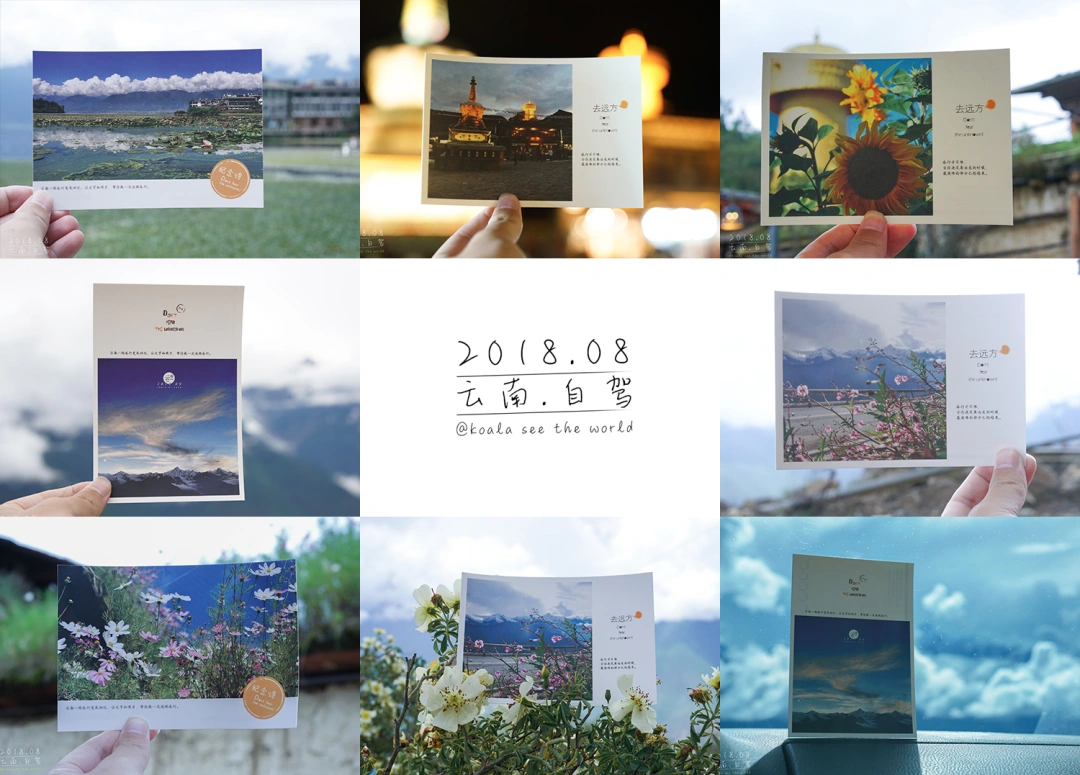
This isn't a guidebook. It's a memory. The set of postcards that Mafengwo gave me five years ago traveled with me, becoming my "check-in props" for this trip. The first person on the internet to do this? Maybe so.
Stop One: Mile — A Place That TikTok Made Famous, Then Forgot

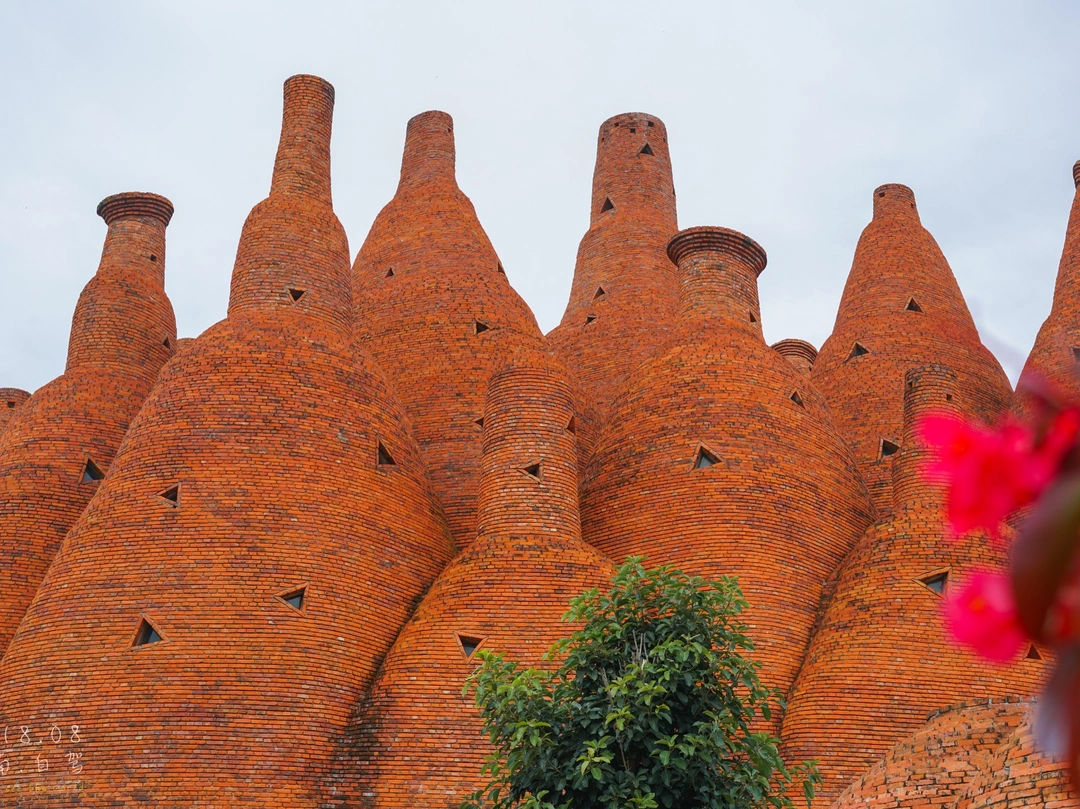
Dongfengyun: The Art of Wine Bottles
I'd barely heard of Mile before this trip. It belongs to the Honghe Hani and Yi Autonomous Prefecture. It had its moment of fame on TikTok, but now seems to have settled back into obscurity.
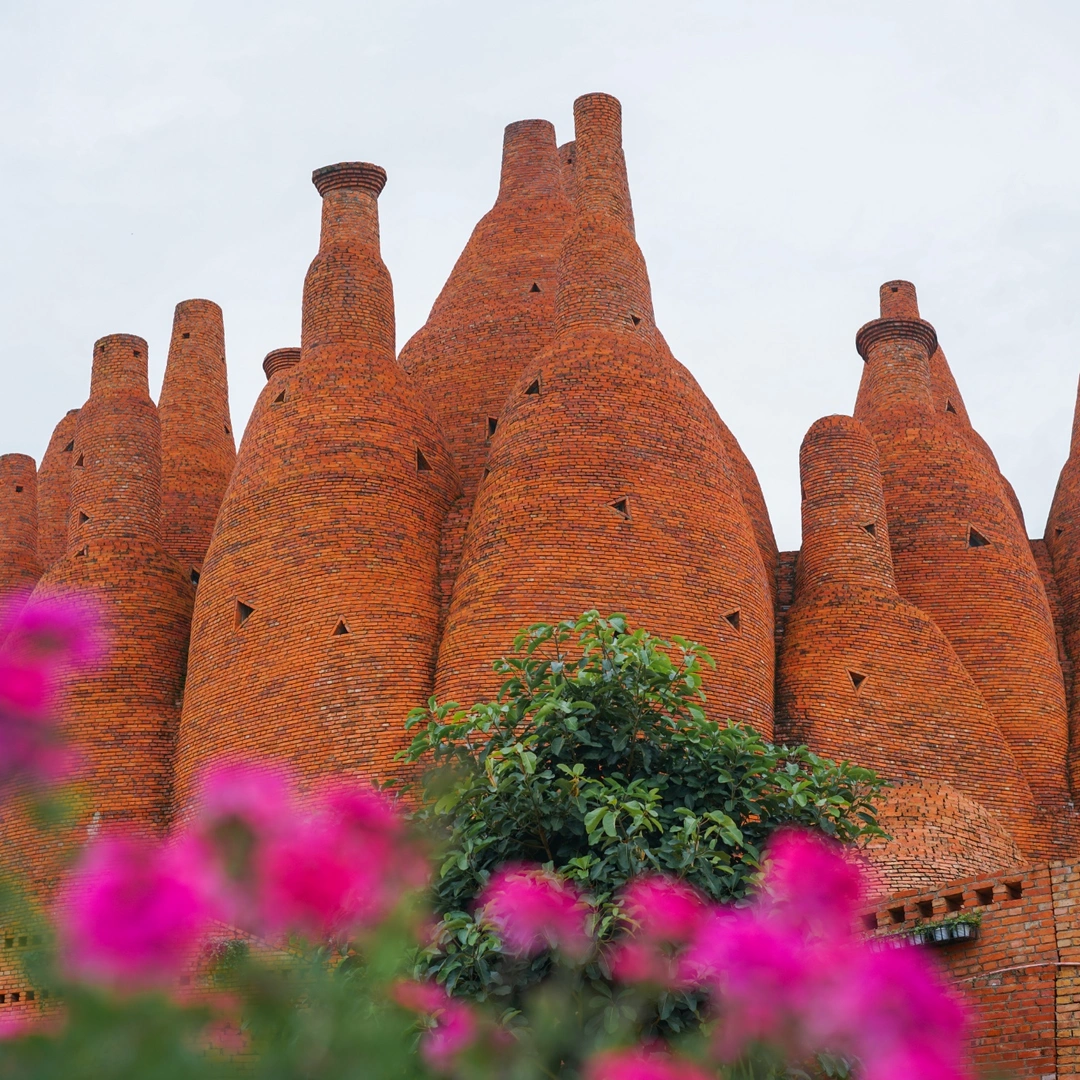
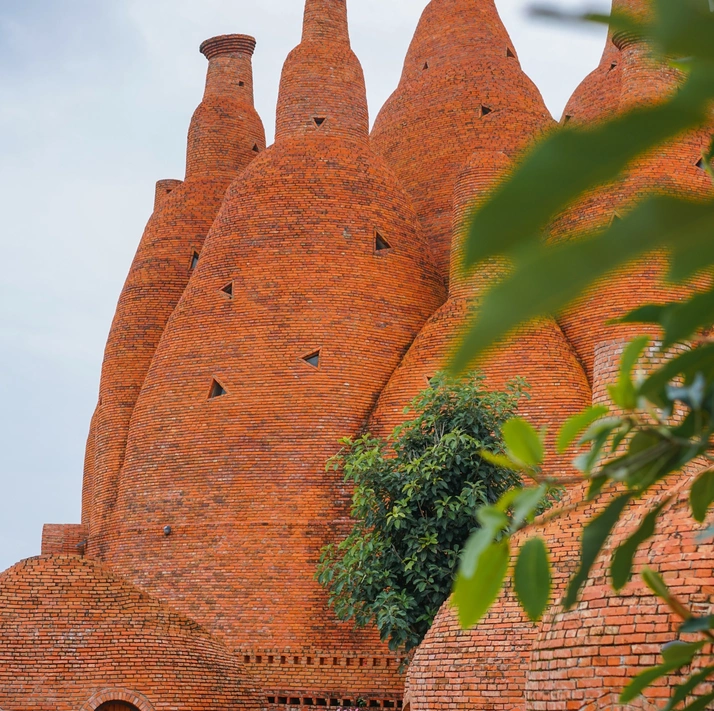
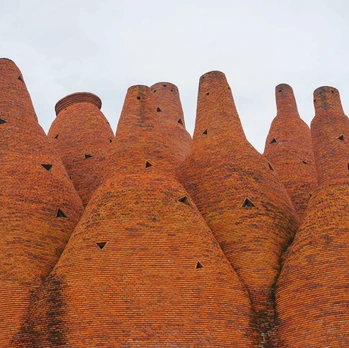
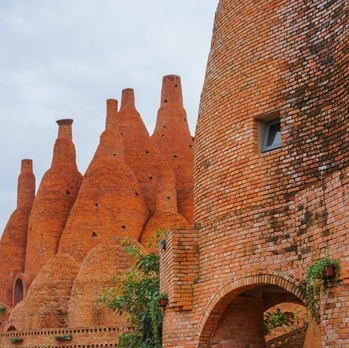
Dongfengyun Scenic Area is free to enter, though the shuttle bus costs money. If you've got decent legs, walking in is perfectly fine — it's not far from the entrance to the main attractions, and there are plenty of small sights along the way. Those oddly shaped buildings look like abstract or impressionist art from a distance, but up close, you realize they're all shaped like wine bottles. The region is known for its wine production, so the concept is actually pretty grounded. To be honest, though, once you see them as bottles, they start to look a bit ugly.
Next door is a winery. The entrance fee is 20 yuan, which includes a 10 yuan shopping voucher. Essentially, it's a tourist-trap shopping stop. If you're not interested in wine, I'd recommend skipping it entirely. Don't waste your money.
Practical Tip: Mile works best as an "appetizer" for your trip. Don't expect too much — just take a look if you're passing through.
Stop Two: Jianshui — The Charms and Disappointments of an Ancient City
The Little Train and the Seventeen-Arch Bridge
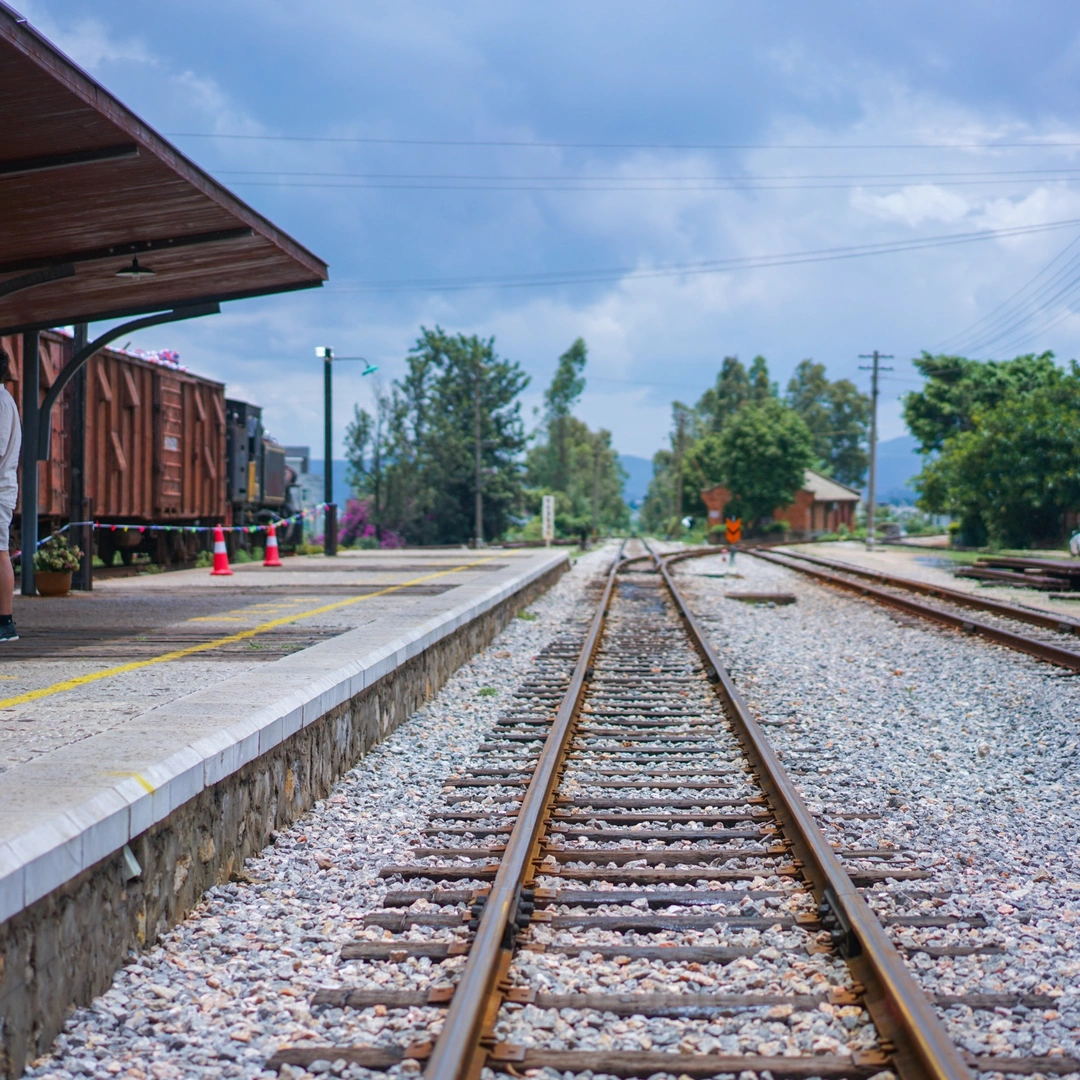
Heading south from Mile to Jianshui, the traffic jam at the highway exit was unforgettable. The Jianshui Little Train was one of my goals for this trip — although I once thought it was a filming location for the movie Youth (芳华), I later found out it wasn't. The retro-style Lin'an Station does have a certain charm, but the newly built ancient city gate entrance next to it creates an awkward clash of styles.
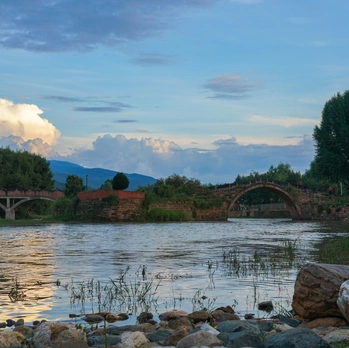
A ticket for the little train costs 100 yuan, and there are only two runs per day. It's so popular that you can't buy a ticket on the day itself — you have to book in advance. The train passes several of Jianshui's notable sights, including the Seventeen-Arch Bridge — which was the main reason I came. Unfortunately, the bridge was under renovation, the river was high and murky, and I was deeply disappointed. That's travel for you — everything is an unknown encounter.
The Zhu Family Garden and Impressions of the Ancient City
Jianshui Ancient City isn't large. Some people call it a "budget version of Dali." The Zhu Family Garden sits in the middle of the old town; a TV show once filmed there, but I didn't go inside. The city gate was also under renovation. It's clear that the local government is trying hard to develop tourism, but the timing just wasn't great.
Jianshui's grilled tofu is a local specialty, but as an outsider, all I can say is — the flavor defies description.
Stop Three: Fuxian Lake — A Misty Wonderland
The Terrible Road and the Surprise on the East Route
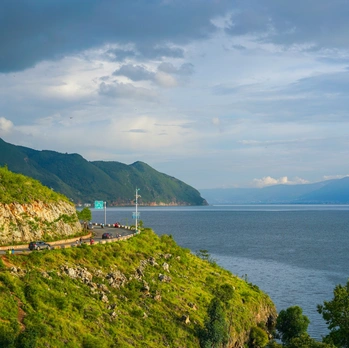
From Jianshui to Fuxian Lake, I chose the eastern route. The road conditions were awful — muddy stretches, potholes everywhere, and I scraped the undercarriage once. But the moment I arrived, all the frustration melted away.
The name "Fuxian Lake" itself carries an otherworldly quality. And on a rainy day, the lake lives up to its name — shrouded in mist, like a fairyland. The lake is vast, almost like a sea, peaceful enough to make your heart ache. By the time I reached the area near Fuxian Lake Park at noon, the weather had cleared up, and I even caught the local Torch Festival, with its lively and joyful atmosphere.
Comparative Reflection: Fuxian Lake is too "ethereal," while Erhai feels more grounded. Both have their own beauty, but Fuxian Lake is the one I can't stop thinking about.
Stop Four: Dali — A Familiar Taste
The Ancient City and the Torch Festival
After half a day's drive from Kunming to Dali, I arrived in the afternoon. Back in this place again — I don't know what magic it holds, but I just love it. The same familiar taste, the same familiar feeling.
I happened to arrive during the Torch Festival, and the ancient city was buzzing with activity. But since I didn't know about the festival, accommodation was tight and prices were sky-high. I chose to stay back in Xiaguan — and ended up missing the whole celebration. "Blue thin, mushroom" (a Chinese internet meme for feeling sad), indeed.
Lessons Learned Around Erhai
The next day, I started circling Erhai Lake, going counterclockwise. Not far in, I saw a row of cars parked by the roadside, so I followed suit. Five minutes later, I came back to a parking ticket. I paid the fine that same day — 50 yuan, no points on my license. A hard lesson learned.
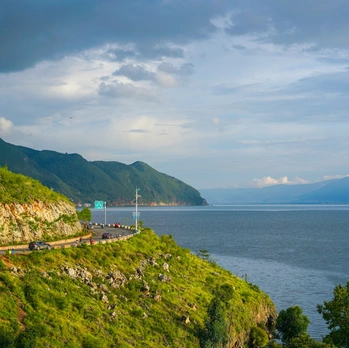
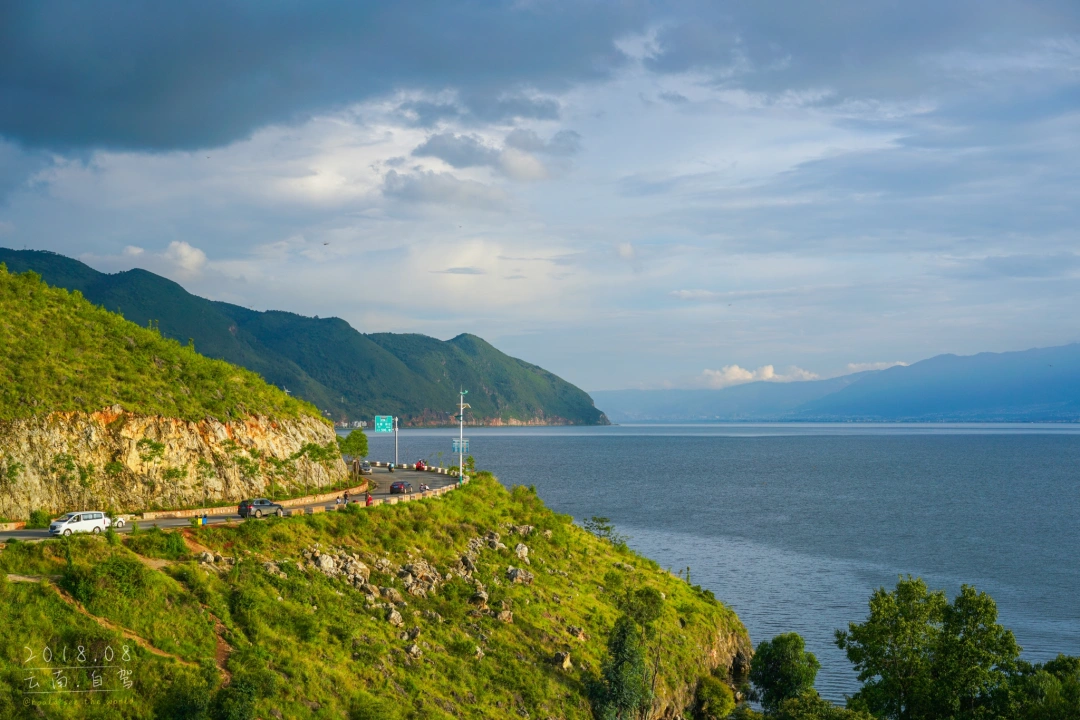
Xiaoputuo, Wase, Shuanglang... each place had its own scenery. At Wase, the sky and water merged into one, and wedding photo spots were everywhere. Rainbows after a summer rain are common at Erhai, and at one particular spot, I think I found the best viewpoint on the entire lake.
A Word of Warning: Shuanglang is insanely crowded, the roads are in terrible condition, parking is ridiculously expensive, and all the lake-view hotels have shut down. Seriously, unless you have to, don't go to Shuanglang!
Haishe Park is near Xizhou. I took a wrong turn down a narrow lane, had to drive in and reverse all the way out, and finally made it after an exhausting struggle. But the view was stunning — I just regretted spending so much time on the road and arriving so late.
Stop Five: Shaxi — Even More Captivating Than Dali
The Authentic Charm of the Ancient Tea-Horse Road
If you like Dali, you might love Shaxi even more. The road from Dali to Shaxi starts on the highway, but after exiting, it's all mountain roads — winding, climbing, and descending.
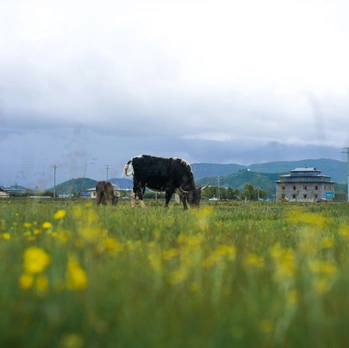
Shaxi Old Town is tiny. The main sights are the ancient stage and Yujin Bridge. I wandered through it several times, and still found myself lost in its rustic, authentic atmosphere. The marks of time are everywhere, as if you've stepped back into the era of the Ancient Tea-Horse Road.
At the market, wild mushrooms were the stars of the show — all kinds of premium varieties on display. Succulents grew naturally on the rooftops and in the corners of walls; I almost dug a few up to take home. There were many foreigners in Shaxi, but not many tourists overall. The streets were peaceful and quiet.
Special Recommendation: The pears in Shaxi are incredibly sweet. Before leaving, I bought some fruit at the market. An old lady said they were "crabapple fruits" — pretty to look at, but not very tasty.
Stop Six: Lijiang — The Overcrowded Internet-Famous City
A Fleeting Glance
The drive from Shaxi was hit by heavy rain all the way, and I arrived in Lijiang just in time for dinner. A meal of preserved pork ribs (腊排骨) was a must, and then I explored the old town after eating.
Lijiang doesn't lack for anything except empty space. There are tourists everywhere. The sea of people was almost suffocating. The internet-famous streets, Sifang Street... every corner was packed. With peak summer season driving up accommodation prices, I decided to visit Shuhe Ancient Town the next day and then head straight for Shangri-La.
Shuhe Ancient Town
I took a casual stroll through Shuhe in the rain. Not much had changed since my last visit. Naxi elders were dancing at the main gate, which reminded me of Xijiang Qianhu Miao Village. I got in without paying, but a friend who went a few days later was stopped and charged an entrance fee — it seems the policy changes constantly.
Stop Seven: Shangri-La — The Start of the Highland Journey
The Changes in Dukezong Ancient Town
Driving all the way from Lijiang to Shangri-La, I truly felt the sense of being "on the road." Tibetan-style buildings gradually appeared, and everything began to feel different.
I arrived in Shangri-La before dark, and a bowl of yak meat hotpot (牦牛火锅) brought me back to life. As I wandered through Dukezong Ancient Town, I pulled out the postcard from five years ago and took a photo at the same spot. In those five years, a massive fire had consumed much of Dukezong. Aside from this spot, the rest of the old town was no longer what it used to be — a sobering thought.
The Leisurely Napa Lake
I circled Napa Lake on a day of steady rain. In this kind of weather, there are only two things worth doing: sleeping in your guesthouse, or coming to Napa Lake to count the yaks, sheep, and horses.
Riding an electric scooter is the best way to circle the lake. The grasslands were dotted with tiny, colorful flowers. Cattle, horses, sheep, and pigs grazed leisurely. With Napa Lake, who needs Pudacuo National Park? Save yourself 200 yuan and spend it on yak meat and Tibetan pork instead.
Practical Tip: Shangri-La is really cold — it feels like jumping from summer straight into winter. Yak meat hotpot is an absolute must-eat.
Stop Eight: Meili Snow Mountain — The Sacred Shrouded in Clouds
Waiting at Feilai Temple
Heading north from Shangri-La toward Meili Snow Mountain, the road conditions on National Highway 214 were decent, but the winding mountain roads, occasional landslides, and falling rocks kept my heart racing. This stretch was both the most scenic and the most dangerous part of the entire trip.
When I arrived at Feilai Temple, the snow mountain was completely hidden by clouds and fog. I stayed at the first guesthouse in town. The owner's attitude was terrible, but the environment was decent — at least, when the clouds cleared.
The Appearance of Kawagebo
The next day, I had planned to visit the Yongming Glacier, but it turned out to be much farther than I'd thought, so I had to give up. Around four or five in the afternoon, the clouds suddenly parted, and Kawagebo Peak revealed itself. Sacred and solemn, it was a sight that demanded silent contemplation.
This was my second time at Meili Snow Mountain. Even though it was shrouded in clouds and there was no "golden sunlight" moment, having watched documentaries about Kawagebo, I felt its majesty and mystery even more deeply. I hope there will be a next time — and that I'll be able to hike the Yubeng Village trail.
Stop Nine: Yanjing, Tibet — An Unexpected Surprise
The Spontaneous Yunnan-Tibet Highway
It was supposed to be the day to head home, but I couldn't shake the thought of going to Yanjing — just 90 kilometers away. As the Mafengwo postcard said: Don't be afraid of the unknown. Let's go!
National Highway 214 descended all the way, with the rushing Lancang River and Tibetan villages lining the route. There was a checkpoint at the entrance to Yanjing, but I passed through without trouble, and I was in Tibet.
The Challenge of Jiajia Noodles
My first meal was Yanjing's famous "jiajia noodles" (加加面) — 25 yuan per person, unlimited refills. The record was 147 bowls, and the place had been featured on A Bite of China. The noodles were delicious, accompanied by cheerful Tibetan music, and the waitresses were practically dancing. "Keep going, keep going — it's free for life!" — if you break the record.
I ate 28 bowls. The guy next to me, a cyclist heading into Tibet, managed 37. He spilled his soup and almost got his pants pulled off — we all had a good laugh.
The Thousand-Year-Old Ancient Salt Fields
I woke up in the morning, opened the window — and it was raining again. The entrance fee was 90 yuan. The ticket seller was a warm, enthusiastic older man who told me to drive carefully. After entering the scenic area, I still had to drive another 5 kilometers. The road was rough, so I parked at the bridge and walked.
The salt fields were a sight to behold — layer upon layer of salt terraces, stunning to see. This was the Upper Yanjing Village, which produces white salt. But in the rainy season, there were no salt harvesters; it felt abandoned. The name "Jiada Village" made me feel like I was walking through scenes from the documentary The Ancient Tea-Horse Road.
A Unique Experience: A local guy took us to a "museum" — which turned out to be his family's old house, converted into a display. Inside were family heirlooms: tools for grinding barley, molds for making flatbreads, ancient chopsticks, the old house itself... In the end, he tried to sell us bags of salt for 10 yuan each. We didn't buy any, but we did buy 10 jin (5 kg) of walnuts. When we weighed them back home, they were only 9 jin — was that our "punishment" for not buying the salt?
Stop Ten: Baishuitai — An Unexpected Night in the Mountains
China's Best Value Scenic Spot
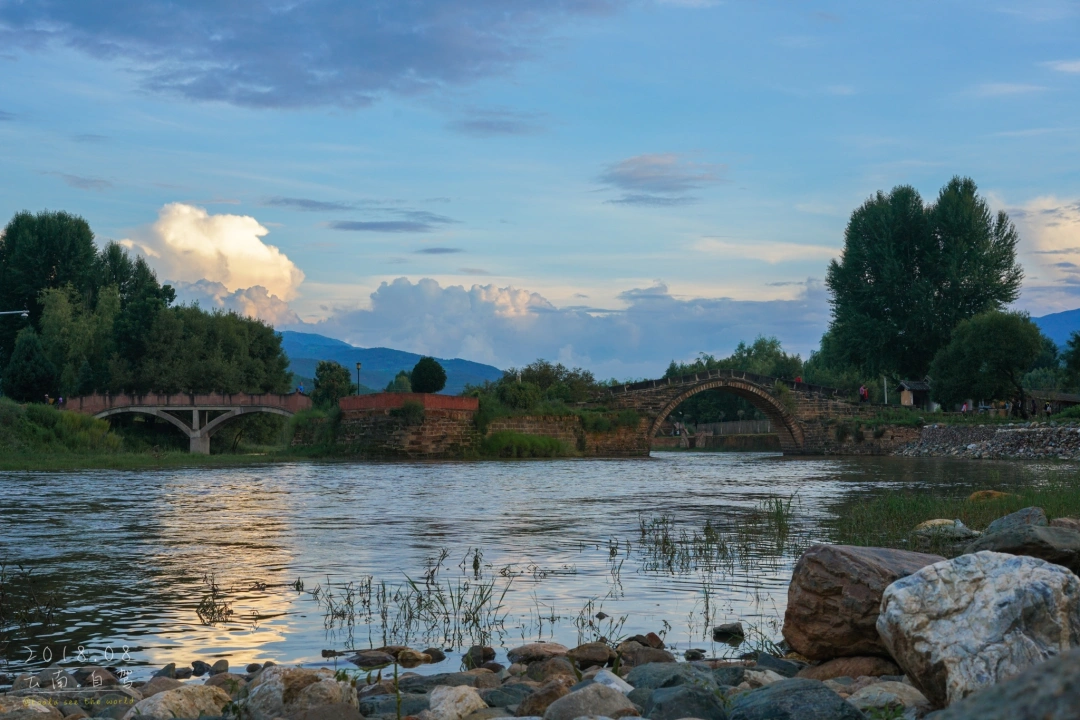
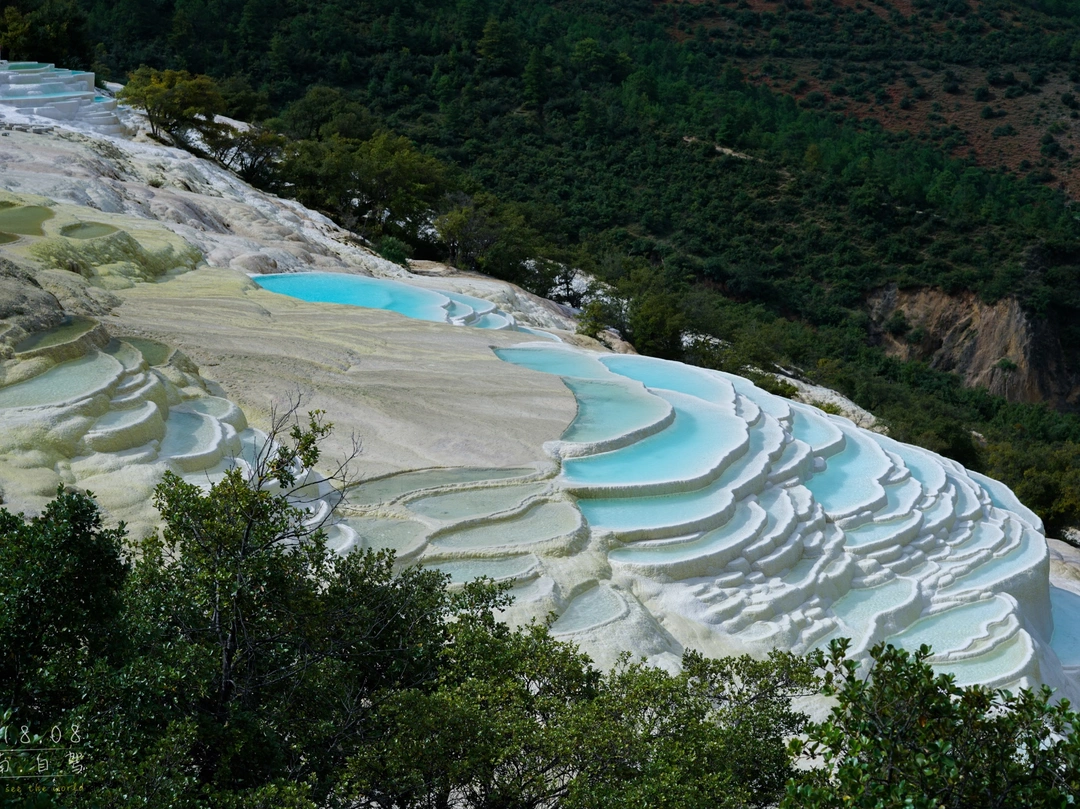
On the way back, I passed through Baishuitai and decided to take a look. The road from Shangri-La to Baishuitai was a dizzying series of mountain switchbacks — I threw up a few times before arriving. The entrance fee was just 30 yuan, and the scenic area wasn't large, but what most people finish in an hour, we stretched into three. For 30 yuan, this is an absolute bargain.
A Night Cut Off from the World
As dusk fell, I worried about the dangerous mountain roads at night, so I decided to stay overnight at Baishuitai. In the middle of the night, the guesthouse lost power. Deep in the mountains, there was no cell signal, no WiFi — it felt completely cut off from civilization. I ended up wandering out to the main road in the middle of the night just to find a signal. It was a memorable experience, to say the least.
Epilogue: Back to Dali
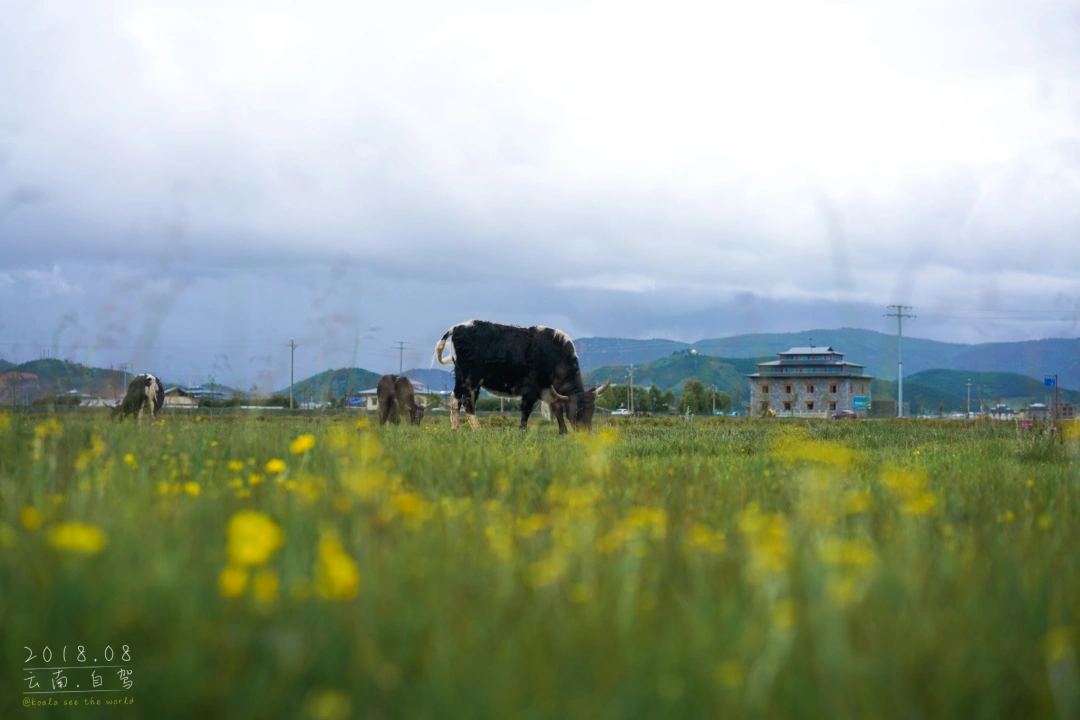
I passed through Tiger Leaping Gorge, but only drove through — I didn't stop to explore. When I finally returned to Dali, all the exhaustion turned into a deep sense of satisfaction.
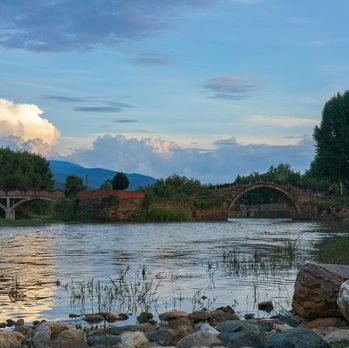
Let me end with that photo from Wase — the mirror of the sky at Erhai Lake.
Final Thoughts: The Meaning of Travel
Travel is just going from a place you're tired of living in, to a place where other people are tired of living, spending your money to make them richer, and then returning, exhausted and empty-pocketed, to your own tired place, to stubbornly keep on living.
That might sting a little, but it's the truth. But so what?
Twenty days on the road, more than 3,000 kilometers. I saw Mile's wine-bottle art, felt the ancient charm of Jianshui, drifted off in the mist of Fuxian Lake, got lost in Dali's Torch Festival, got drunk on Shaxi's rustic beauty, counted yaks and sheep on the highlands of Shangri-La, waited in the clouds at Meili Snow Mountain, and touched history in the salt fields of Yanjing, Tibet.
Practical Summary: - Best Season: August is the rainy season, but it's excellent for escaping the heat - Vehicle Choice: A regular sedan is fine, but watch your undercarriage - Essential Items: Sunscreen, a thick jacket (highland temperature swings are brutal) - Accommodation Booking: Must book ahead during peak season, especially in Dali and Lijiang - Food Recommendations: Yak meat hotpot, jiajia noodles, preserved pork ribs
Final Word: Travel isn't hard. When you decide to set out, the hardest part is already over. Actually, the hardest part is — money. But you can always earn more money. The scenery won't wait for you.
So, just go.
You should also read:
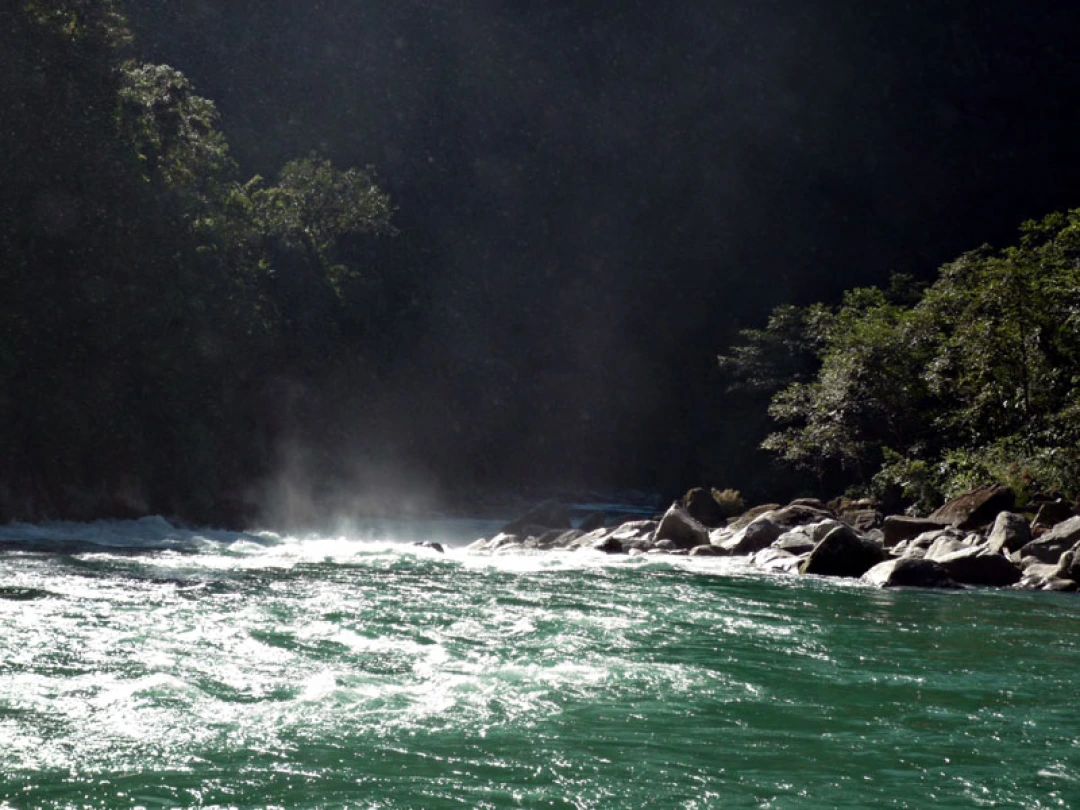
Into the Hidden Valley: A Solo Journey Through the Mysterious Dulong River
Into the Hidden Valley: A Solo Journey Through the Mysterious Dulong River Deep in the northwestern corner of Yunnan Province, tucked away from the modern world, lies a place that feels like a secret whispered among mountains. The Dulong River Valley is not just a…
Continue reading...
God’s Abandoned Palette: A Self-Drive Journey Through Yunnan’s Dongchuan Red Land
God’s Abandoned Palette: A Self-Drive Journey Through Yunnan’s Dongchuan Red Land Travel has never been about reaching some distant geographic coordinate. It’s about encountering, along the way, the version of yourself buried beneath the rubble of daily routine. During this May Day holiday, I finally…
Continue reading...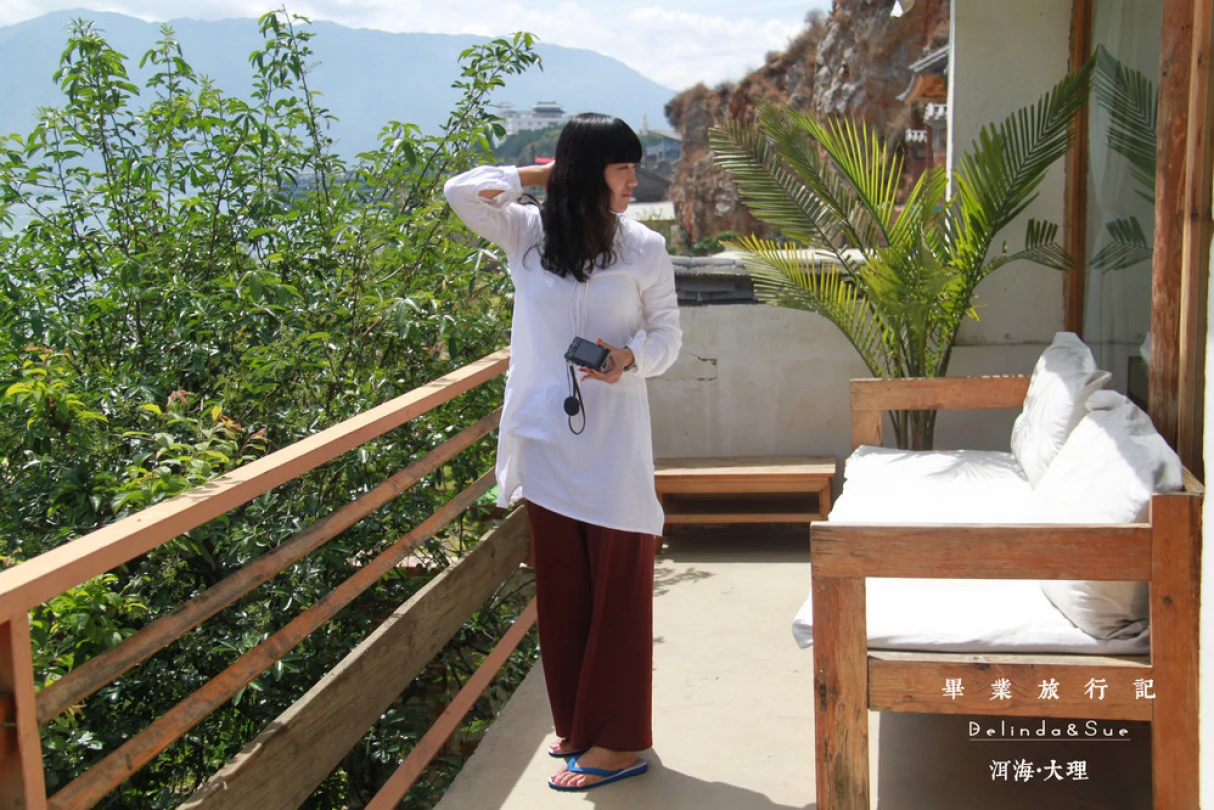
Two Girls' Graduation Trip: Dali and Shuanglang – A Poetic Farewell to Mountains and Sea
Two Girls' Graduation Trip: Dali and Shuanglang – A Poetic Farewell to Mountains and Sea Preface: Catching the Tail of Youth, Heading South During our senior year of college, my roommate and I – two girls studying in Beijing – decided to bid farewell to…
Continue reading...