Yunnan Solo: Finding the Meaning of Travel in Solitude
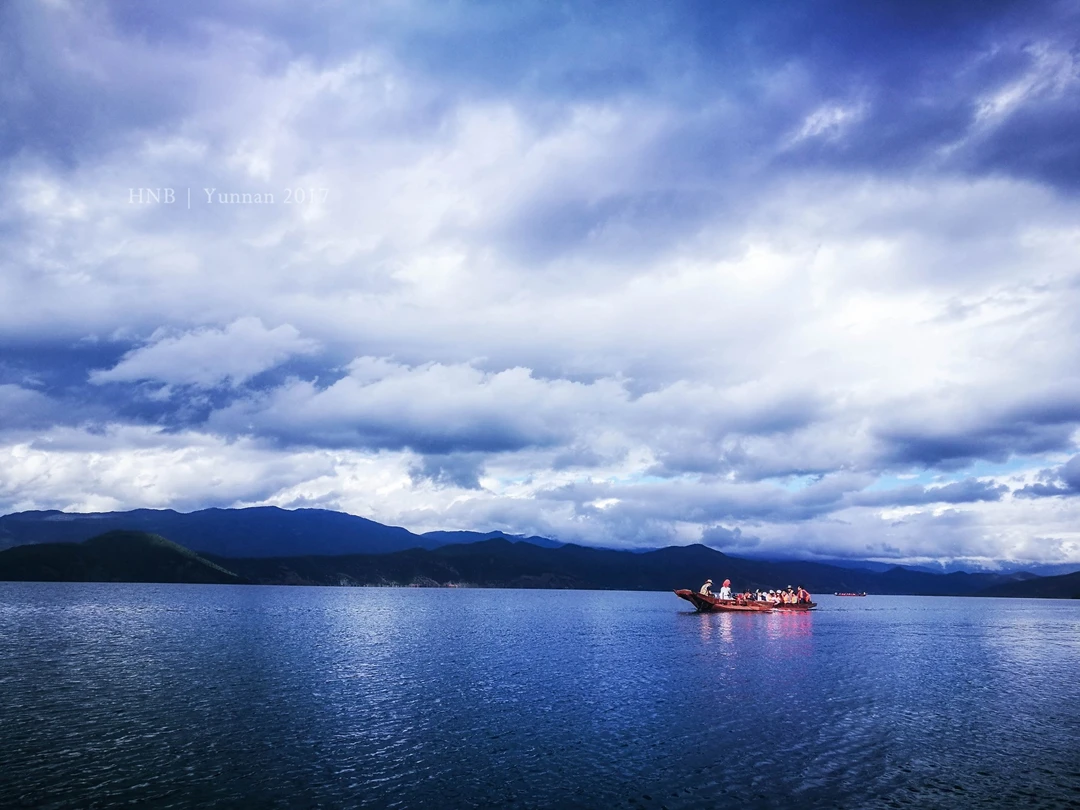
Yunnan Solo: Finding the Meaning of Travel in Solitude
Prologue: When Expectations Meet Reality
It's been over six months since I returned from Yunnan. I've sat down at my keyboard countless times, yet haven't managed to type a single word. It's not that there are no stories to tell—it's that the memories are too complex. There's disappointment, surprise, loneliness, and epiphany. They're like a pot of slowly simmered soup, needing time to develop their true flavor.
When people talk about Yunnan, who doesn't have stars in their eyes? Dali's wind, flowers, snow, and moon; Lijiang's tales of romantic encounters; Shangri-La's earthly paradise; Xishuangbanna's exotic charm... Before I set off, my mind was already filled with these beautiful labels. But when it comes to travel, the higher your expectations, the sharper the letdown.
Some say the paradise described by Joseph Rock was actually referring to Daocheng Yading, and the debate over the true identity of Shangri-La continues to this day. Because Daocheng Yading left such a deep impression on me, my expectations for Shangri-La naturally soared. But whether it was bad weather or the wrong season, when I finally stood on that land, I found it separated from the image in my mind by an unbridgeable gap. Perhaps everyone has their own "Shangri-La" in their heart, and mine had already found its answer.
When it comes to travel, your state of mind always matters more than the scenery. There's an online saying: "Lijiang for one, Dali for two, Xishuangbanna for three." For someone with no chance of a romantic encounter, traveling alone really isn't suited for Yunnan—
No matter how romantic Cangshan Mountain and Erhai Lake are, alone, you're just a solitary figure; No matter how lively Lijiang Ancient Town is, alone, you'll always feel out of place; No matter how warm Xishuangbanna is, alone, it's still dull and uninteresting.
But it was precisely this solo journey that made me rethink the meaning of travel.
Remember that news story from last Mid-Autumn Festival? A meteorite fell in Yunnan! On that first night in Lijiang, an overwhelming sense of loneliness kept me tossing and turning. Through my headphones played several soundtracks from anime films. The moment I saw the meteorite news, the first image that flashed through my mind was Your Name. Meteorite impacts, time travel, parallel worlds... Everything felt so unreal, like a dream.
The disappointment of Shangri-La, the loneliness of Cangshan and Erhai—they pulled me back from my dreamy expectations of Yunnan to reality. I thought this trip would end in regret, but that meteorite news, in a strange way, dragged me back into a dream.
Travel isn't always beautiful. It's the unique moments created by chance that are its most precious gifts.
Pre-Trip Preparation: A Carefully Planned Adventure
Before leaving, I spent a long time researching routes. Yunnan's attractions and routes are simply too numerous—with Kunming as the center, the northwest line has Dali and Lijiang, the west line has Tengchong, the east line has Luoping, the southeast line has Puzhehei, and the south has Yuanyang and Xishuangbanna. With limited time, I had to make choices.
In the end, I chose the most popular route: Kunming—Dali—Lijiang—Xishuangbanna. Tengchong is best in late autumn for ginkgo trees, Luoping in spring for rapeseed flowers, while Yuanyang's rice terraces and Puzhehei are paradises for photography enthusiasts. Those places will have to wait for another visit.

I settled on September 27th to October 11th, 15 days total. Minus travel time to and from, I had 13 days of actual sightseeing. By avoiding the peak around National Day, flight tickets were much cheaper. The plan was as follows:
- Kunming: one day, to meet an old friend and rest up
- Dali: two days, exploring the ancient town and cycling around Erhai Lake
- Xishuangbanna: at least three days, since it's far away
- Lijiang and surrounding areas: the main event, including Jade Dragon Snow Mountain (1 day), Lugu Lake (2 days), and Shangri-La (2 days)
After booking flights and trains, I discovered that flying from Tianjin to Kunming was cheaper than flying direct from Beijing, so I chose to depart from Tianjin. Aside from local transport within the province, everything else was booked in advance—including accommodation, since it was National Day Golden Week.
Having learned my lesson from losing an entire suitcase during a trip to Sichuan, I decided to travel light this time: one backpack plus a chest bag for my wallet, power bank, and other essentials.
Day 0: Departure, Golden Memories Above the Clouds
In the evening, I saw the most breathtaking scene I've ever witnessed from an airplane. The sunset spilled across the clouds, turning the entire sea of clouds into gold and crimson. The plane seemed to float above fluffy cotton candy shimmering with light. Unfortunately, I'd already turned off my phone, so I could only seal that image forever in my memory.
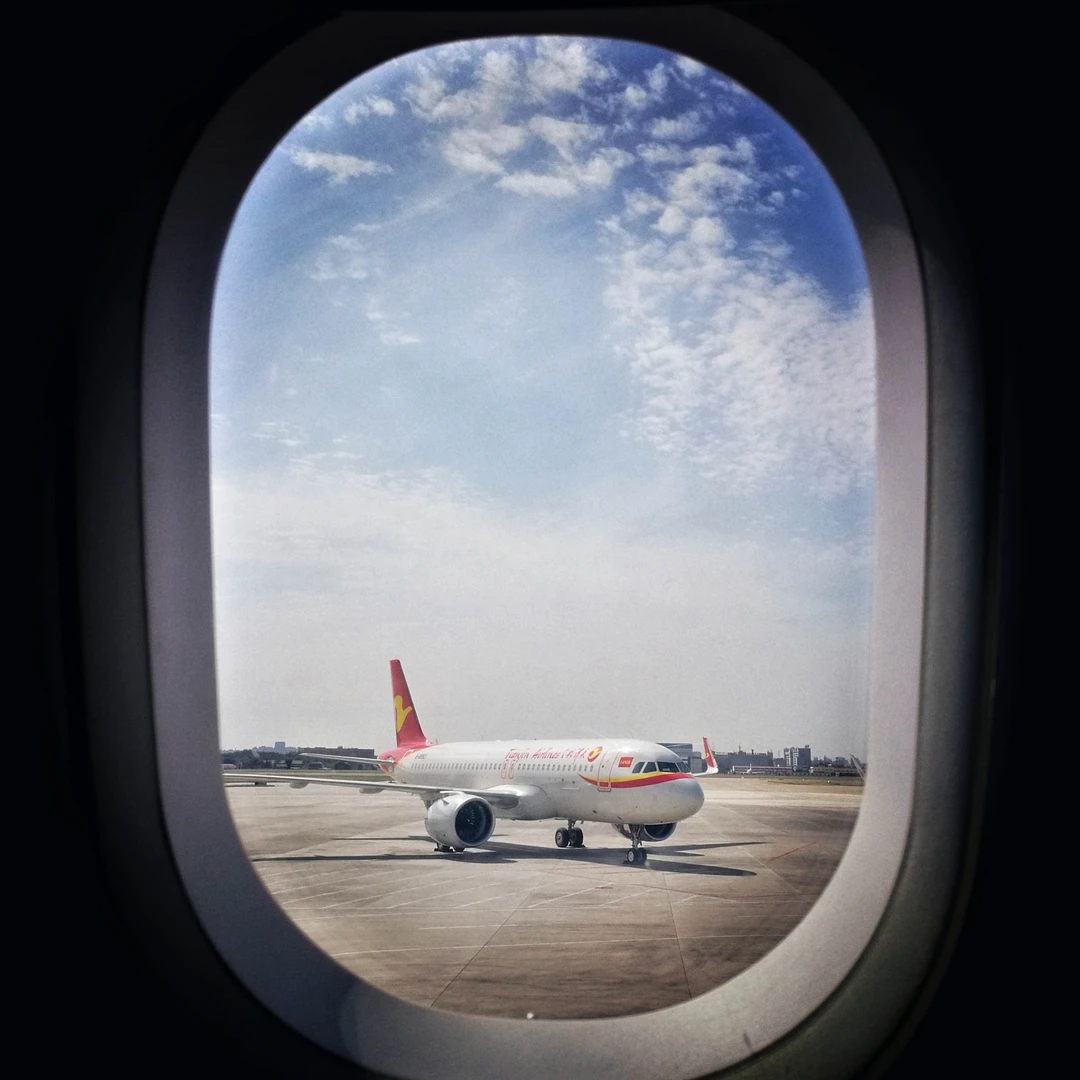
The flight was slightly delayed, and I landed in Kunming past eight in the evening. Kunming's climate lived up to its reputation—the moment I stepped off the plane, I felt the warmth of spring, a gentle breeze brushing against my skin. It was incredibly pleasant.
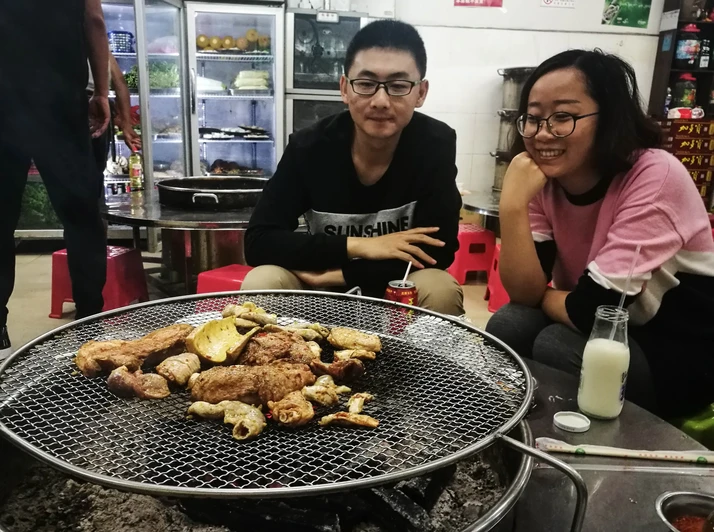
I contacted my college friend Amei. It was our first meeting since graduation, and she was already an expectant mother. The couple wanted to take me for Yunnan cuisine, but it was too late and most restaurants were closed. We ended up at a barbecue place. After all these years of eating barbecue, it was my first time seeing such a large grill, with meat marinated in big chunks. The taste wasn't anything special, but I'm not sure if it was the meat or just adjusting to a new environment—I spent the whole night with an upset stomach. Fortunately, the couple was fine.
The youth hostel I booked was fine otherwise, but the bed was too small—I didn't even know where to put my feet. Feeling miserable, I moved to the living room couch. Combined with my stomach issues, I only managed 2-3 hours of sleep that night. I couldn't take it anymore and asked the owner for two anti-diarrhea pills. They worked, and I was fine by morning.
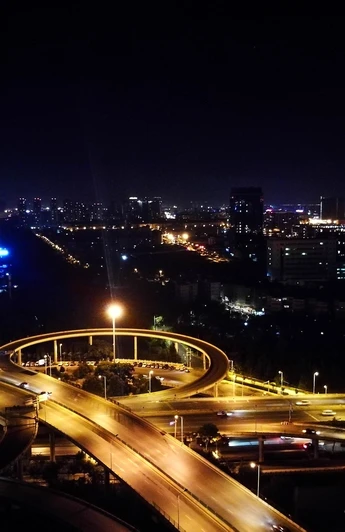
Kunming's night view was unexpectedly beautiful—the towering twin towers, the dazzling overpasses—they brought some comfort to that difficult night.
Day 1: Coconut Rice, the Most Memorable Taste of Yunnan
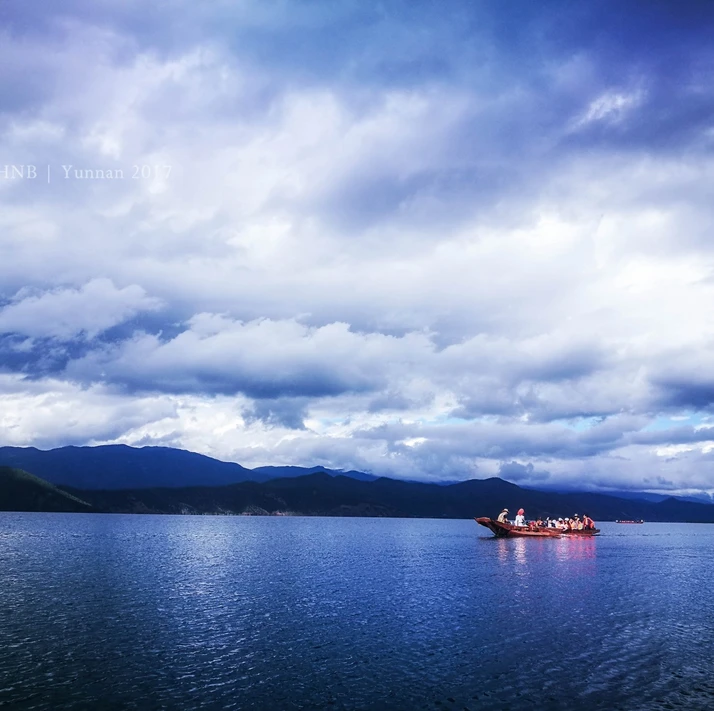
My first stop was exploring the outskirts of Kunming. Looking back, this was a very wise decision. Similar to my Sichuan trip, the first day was always a bit rough—due to a lack of sleep the night before, I felt groggy all day with a splitting headache.
Stone Forest: Childhood Memories Come to Life
I first learned about the Stone Forest because my family used to sell cigarettes when I was a child, and one popular brand was called "Stone Forest." There was a park near my grandmother's house with a lake and artificial rockeries—perhaps they were modeled after the Stone Forest. I used to play there often, so I naturally felt a certain fondness for the real thing.
The Stone Forest formed 270 million years ago and is considered the essence of world karst landforms, hailed as "the number one wonder under heaven." Just inside the entrance, stones rose from the water, looking almost exactly like the rockeries in the park near my grandmother's house. A wave of familiarity washed over me.
Many of the stones in the forest resemble animals—as the guide put it, you don't notice it until they point it out, but once they do, the more you look, the more they look like them. The most amusing was the "Tom and Jerry" rock formation. Can you spot it?
Elderly men and women in the scenic area were dancing ethnic minority-style square dances, which added a unique flavor. Compared to the Large Stone Forest, the Small Stone Forest felt more alive, with mountains, water, and pavilions complementing each other beautifully.
The most striking feature was "Ashima"—in the Yi ethnic group, men are called Ahei Ge (Black Brother) and women are called Ashima. The Stone Forest is Ashima's hometown, and this figure, craning her neck in anticipation of her Ahei Ge, was incredibly lifelike.
Jiuxiang: An Unexpected Surprise
Jiuxiang was the first surprise Yunnan gave me. It's known for its cave formations, and after spending half the day in the sun, the coolness inside the caves was a welcome relief. Illuminated by colorful lights, the entire cave looked dazzling, and standing there felt like stepping into a martial arts world.
The Lion Hall is the largest underground plaza in the world, capable of holding tens of thousands of people. Standing there, I genuinely felt the illusion that "if I cultivated here, I could rule the martial world."
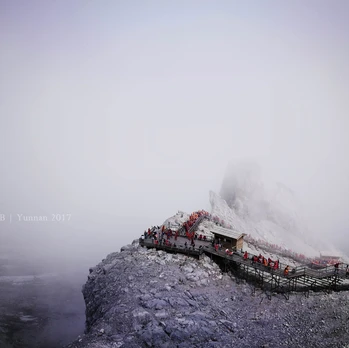
The Goddess Palace is a representative example of classic karst underground scenery, with stalactites that are exquisitely translucent and varied in shape, making you feel like you've entered a fairyland under the colorful lights.
The Male and Female Twin Waterfalls are the most famous attraction in the area, serving as a filming location for Jackie Chan and Kim Hee-sun's movie The Myth. You could hear the thunderous sound of the waterfalls from far away, but it was hard to capture their grandeur on a phone camera. There was a catch here: the scenic area offered free photos, claiming they were complimentary, but if you wanted a clear picture, you had to pay 20 yuan—they gave you a bookmark with a tiny image so small you couldn't even make out the face. I'd never seen that trick before.
The Divine Fields, nature-made rice terraces, are hailed by international cave experts as the best in the world.
Before leaving, I took a close-up of the scenic area entrance. Compared to the Stone Forest, Jiuxiang was far more delightful. The saying "If you haven't visited Jiuxiang, you haven't truly been to Yunnan" might be a bit exaggerated, but Jiuxiang is definitely worth a visit.
A Small Mishap and Some Food
Every trip's first day seems to have its hiccups. Besides the stomach issues and the small bed, the worst part was that my phone wouldn't charge! Before leaving, I thought it was a problem with my power bank, so I borrowed two. But it turned out the data cable was broken. During the day, I borrowed a cable from a fellow traveler to charge up a bit, and in the evening, I went back to the city to buy a new one. It didn't cause too much trouble in the end.
That evening, I took a train to Dali. Near the train station, I found a rice noodle shop. The portion was too small—I barely felt like I'd eaten anything, and I didn't think it tasted any different from the rice noodles in Beijing.
After the noodles, I remembered the restaurant Amei and her husband had wanted to take me to the night before—Old Yunnan Village. The biggest awkwardness of traveling alone is wanting to eat everything but not having enough stomach space. I ordered a serving of coconut rice and a bowl of tofu ball soup. It was my first time eating coconut rice—so fragrant! The rich coconut aroma was enough to make me feel full just from smelling it. I couldn't bear to finish it all and packed the leftovers to take away. Coconut rice became the taste I missed most from my Yunnan trip.
Day 2: First Sight of Dali, and I Fell in Love
I love taking overnight trains in sleeper cars—you don't waste any time during the night. I arrived in Dali at 6:30 in the morning. It had just rained lightly, and the sky was just beginning to lighten, a beautiful ink-blue that looked unreal.
My youth hostel was on Wenxian Road, opposite the south gate of Dali Ancient Town. It was easy to find a shared ride at the train station, and it wasn't expensive. When I got out and looked up—wow, a rainbow! Seeing a rainbow on my first day in Dali felt incredibly lucky.
My first impression of Dali Ancient Town was quite impressive. The hostel was hidden in a small alley, and I searched back and forth for a long time. It had two floors, and you could go up to the rooftop. Even after I arrived at the hostel, the rainbow was still visible.
Strolling Through the Ancient Town
The first day's plan was to explore the ancient town in the morning and cycle along the west coast of Erhai Lake in the afternoon.
Wenxian Road had many small eateries. Ersi (a type of rice noodle) was quite distinctive—smooth and chewy in texture. I asked the owner to heat up the leftover coconut rice from yesterday. They seemed unfamiliar with it too, so I gave them a piece as a thank-you.
Everyone knows that Yunnan's roses can be used in cooking, the most common example being flower cakes. At the small eatery, I saw rose flower wine. Even though I don't usually drink alcohol, I always have to try something I've never seen before. I asked the owner for a small sip. It wasn't as strong as baijiu (Chinese liquor), with a hint of rose fragrance.
The streets in Dali Ancient Town are very orderly, laid out in a grid pattern, heading north from the south gate. During the day, Dali Ancient Town wasn't very lively, and since it was still two days before National Day, I could take my time strolling around. I bought a set of ethnic-style clothes and tried roasted milk fan—make sure to get it freshly made, as the cold ones really affect the taste.
There was actually a market inside the ancient town, which made me very happy! Most of the people buying and selling were locals, and I saw many fruits whose names I didn't know. I bought a sugar apple—it was incredibly sweet and exactly to my taste.
Cycling Around Erhai: Romance and Loneliness, Solo
In the afternoon, I officially began my Erhai Lake cycling plan. After reading many travel guides, I decided not to rent a bicycle due to time constraints and instead rented an electric scooter. The entire loop around Erhai is about 130 kilometers. Some people complete it in one day, but knowing myself—I'd stop constantly to take photos of beautiful scenery—one day wouldn't be enough. So I slowed down my plan: on the first day, I'd spend most of the time on the west coast route: Ancient Town—Three Pagodas—Xizhou Ancient Town—Butterfly Spring (which I ultimately didn't have time for).
At the entrance of the ancient town, I rented an electric scooter that was advertised as being able to travel over 200 kilometers and complete the Erhai loop, for 70 yuan.
I passed by the Three Pagodas, but the 120-yuan entrance fee seemed too steep, so I took a distant look and moved on. Heading north along the West View Road, riding my little scooter with a cool breeze blowing, I felt relaxed and carefree. I found a small path toward the West Coast Road, humming "Walking on the Country Road" along the way—blue sky, white clouds, distant Cangshan Mountain, and lush green plants on both sides of the path. It was joyful and惬意 (carefree and content)!
Ahead, there was a field of golden rice paddies. It was harvest season, and the golden grain along with the villagers working in the fields created the most beautiful rural scenery.
Finally, I saw Erhai Lake! The sky was blue, the water was blue, quiet and dignified. Large patches of clouds were reflected in the water, where sky and water met—water in the sky, sky in the water.
Due to road construction, I kept switching between the West Coast Road and Dali Road, and because of this, I discovered many delightful sights along the small country paths. Although the construction affected the cycling experience, seeing the signs everywhere saying "Protect Erhai Lake at All Costs" made me happy for the lake.
Xizhou and Haishé Park
I rode into Xizhou Town around 5 PM. The ancient town's streets weren't wide, lined with small shops selling goods similar to those in Dali Ancient Town, but indeed a bit cheaper.
Haishé Ecological Park, true to its name, stretches out into Erhai Lake like a tongue. The park seemed somewhat abandoned, with no signs of artificial development, but the view of Erhai was excellent.
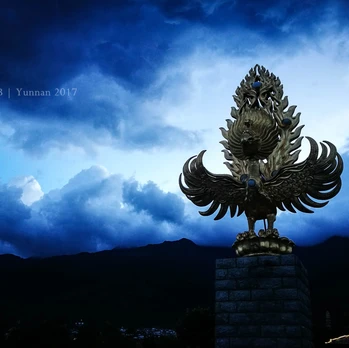
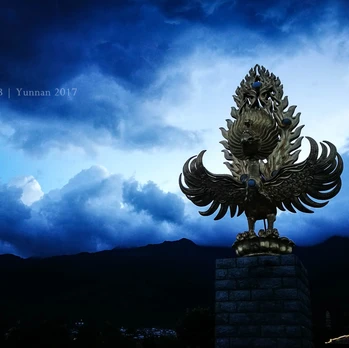
I left Haishé Park after 6 PM and rushed back. During this season, Dali gets a bit chilly at night, and as the scooter picked up speed, the wind carried a chill. Passing the Three Pagodas again, a light rain began to fall. Looking up at the sky, in the dark blue gloom, the Golden Winged Garuda Bird in front of the pagodas looked especially solemn and sacred.
Night Tour of the Ancient Town
Back in Dali Ancient Town, I met up with my friend Julei, who took me to a very small barbecue skewer shop in the ancient town. I've forgotten the taste; all I remember is the spiciness.
After we parted, I wandered around the ancient town alone. The ancient town at night was dignified, with gentle breezes blowing, and the air seemed sweet. Not far from the south gate, there was a "small bar in an old building," surrounded by clothing shops, making it look very inconspicuous. Several groups of listeners sat around outside, drinking and chatting, creating an atmosphere completely different from the lively Foreigner Street. The singer played the guitar and sang folk songs, with a clean, warm voice, accompanied by the gentle breeze. Everything was just right.
I've visited many ancient towns, but Dali Ancient Town felt different. Maybe it was because even at 11 PM, the ancient town was still bustling with people. Maybe it was because Dali's climate was so comfortable. Or maybe it was the warm vocals I accidentally stumbled upon. All these coincidences made me feel a special attachment to Dali Ancient Town.
Goodnight, Dali.
Day 3: Alone, A Solitary Island of Scenery
How could I come to Erhai and not watch the sunrise? I checked the sunrise time in advance, got up early at six-something, and took a taxi straight to Caicun Pier. The main entrance to the pier was closed, so I entered through a small path nearby, which was the viewing spot. When I arrived at 6:30, people were already waiting there—of course, watching the sunrise alone requires some courage.
The sky was already slightly bright, and the lake surface was faintly tinged with red. Early-rising fishermen were casting their nets. The beauty of a sunrise lies in the process—waiting, hoping, and then suddenly feeling a hint of brightness as sunlight breaks through the mountains and clouds, meeting your eyes.
Nanzhao Customs Island: The Vaster the Scenery, the Emptier the Heart
I returned from Caicun Pier and booked a bus from Dali to Shuanglang for around 9 AM. There had been talk that road construction might make Shuanglang inaccessible, but luckily, it was running as usual.
When I arrived in Shuanglang, I rented another electric scooter, the most powerful one available. The ticket for Nanzhao Customs Island was 45 yuan. Some of Shuanglang's classic photo spots were on the island, and the small ferry to the island didn't require a long wait.
Customs Island wasn't large, but there were many paths, making it easy to take the wrong route. Alone, I could only take photos of my shadow. It was my first time seeing such large cacti. At that classic photo spot—there was a line of people waiting behind me.
"Facing the sea, with spring flowers blossoming"—this phrase is better suited for two people sitting together. When I sat down alone, all I could think of was that line from Going to Dali: "The vaster the scenery, the emptier the heart."
In front of the Nanzhao Palace, there was a very large square. If you stood in the middle and clapped, you'd hear a strange sound—like the squeaky shoes I wore as a child. I'm not sure what the principle was.
On my way back from the Nanzhao Palace, I passed by a "cave." Out of curiosity, I walked over to take a look. The closer I got to the entrance, the louder the "buzzing" sound became. I vaguely saw a few bats hovering in mid-air, and I turned around and fled.
From Shuanglang to Xiaoputuo
After leaving Customs Island, I went to explore Shuanglang, but the town was indeed under construction. Only a few shops near Customs Island were still open; the other roads had been torn up, and the shops were closed.
Leaving Shuanglang and heading toward Xiaoputuo, the scenery along the way was the best Erhai had to offer—almost exactly what I had imagined Shangri-La should look like. From Shuanglang to Xiaoputuo, villages were scattered along the way. Romantic Dali, romantic Erhai—every few steps, I'd see a few couples taking wedding photos. The clouds over Erhai seemed to float in the water. Villagers were herding sheep and farming, as if living in a paradise.
Xiaoputuo—you could pay to take a boat to the temple on the island. The island was so small that there was nothing there except the temple. On the shore, there were telescopes you could use by scanning a QR code. You could see the island without going on it, so it was worth a try.
The weather was too hot, and after a day in the sun, I felt like a baked sweet potato. I bought a "Rose Promise" popsicle, which had a rose flavor and was especially delicious.
The bus from Shuanglang to Lijiang departed at 5 PM. Goodbye, Dali! I cracked open a bottle of Wind, Flower, Snow, and Moon beer as a small tribute. I'll miss you.
First Arrival in Lijiang
I arrived in Lijiang close to 9 PM. I took the bus to the area near Lijiang Ancient Town to find my accommodation. Getting off the bus, my first impression of Lijiang wasn't as good as Dali's—the streets were full of restaurants, noisy and chaotic.
My first meal in Lijiang was luosifen (snail rice noodles), which was pretty ironic. But everything happens for a reason. I met two girls who were heading to Dali, plus a Nu ethnic group restaurant owner. We chatted for a while, and it felt pretty good.
The youth hostel was called "Finally Waiting for You." The owner was quite funny, and there were two dogs running around. That evening, I asked about the itinerary for Jade Dragon Snow Mountain. The guide said I didn't need to bring a down jacket because they would provide cold-weather gear. I instantly felt like an idiot—I'd carried it all the way, and they said it wasn't needed.
Day 4: Saluting National Day, Summiting a Snowless Jade Dragon Snow Mountain
My first stop in Lijiang, and also the first day of National Day, I chose Jade Dragon Snow Mountain. Although it's called a snow mountain, it's not the kind with year-round snow. Due to the season, there was no snow to be seen. The mountain's rocks were simply black and white in color, and from a distance, it looked as if there was a layer of snow.
Blue Moon Valley: An Unexpected Surprise
Before going to Jade Dragon Snow Mountain, I had never heard of Blue Moon Valley, so it was a pleasant surprise. It was somewhat similar to Jiuzhaigou, but also different—the water in Blue Moon Valley was even clearer, sparkling and emerald green. I touched the lake water with my hand; it was icy cold, as expected of snow mountain water.
Blue Moon Valley has four larger bodies of water: Jade Liquid Lake, Mirror Pool Lake, Blue Moon Lake, and Listening to Waves Lake, each like sparkling green gems.
Summiting Jade Dragon Snow Mountain
The time spent in Blue Moon Valley was relatively short; most of the time was reserved for the main attraction—Jade Dragon Snow Mountain.
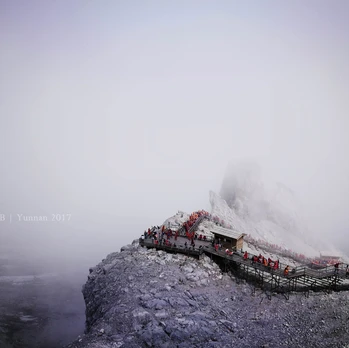
Standing at the foot of the mountain and looking up, I couldn't see anything—thick clouds blocked all view. Taking the cable car from 3,300 meters to 4,300 meters above sea level, the elevation gain was quite rapid, and most people had oxygen canisters. After getting off the cable car, there were still clouds everywhere, with very low visibility, creating a very atmospheric scene.
From 4,300 meters to the observation deck at 4,680 meters, I had to walk on my own. This section of the path was very well-developed, all stairs, and I didn't have any trouble with altitude sickness. Reaching the top was basically effortless.
As I walked up the boardwalk, I suddenly noticed the sky emerging, and the mountain became visible—I had risen above the clouds. Since it was National Day, a red flag was planted at the highest point. Paying tribute to my country in this way had a special meaning.
Coming down from the observation deck, the clouds had drifted away. Riding the cable car down, I could still deeply feel the sensation of being suspended in the clouds.
Night Talk in Lijiang Ancient Town
I returned from Jade Dragon Snow Mountain early enough. I went back to the hostel for a short nap. In the evening, a young guy who was studying in Kunming arrived, enthusiastic and talkative. We agreed to have dinner together, and just as the hostel owner was about to go out, he drove us to a restaurant he thought was good value and authentic—Ama's Preserved Pork Rib Hotpot. It was indeed excellent; a pot of preserved pork ribs cost 48 yuan. Looking at the menu: "Yearning Vegetable"? "Water-borne Flower"? I have no idea who came up with those names, but they were brilliant. Just for the names alone, I had to order them. We each ordered a bottle of beer—Wind, Flower, Snow, and Moon vs. Dali V8.
After dinner, we went to explore Lijiang Ancient Town. Lijiang Ancient Town was huge. Unlike Dali's grid-like layout, Lijiang's streets were mostly intersecting paths. Entering from the south gate, I didn't feel there were many people. The ancient town felt great—old, quiet, and charming. Slowly walking toward the center, it was only near Sifang Street that I began to feel the lively atmosphere.
At my urging, the young guy also bought a set of ethnic clothing. With his already somewhat dark skin and the outfit, he looked like a local. The prices in Lijiang Ancient Town weren't as high as I'd imagined; the asking prices were even lower than in Dali Ancient Town.
During my first visit to the ancient town, two things particularly caught my attention: one was the pyrography near the entrance—burning designs onto tree bark with exquisite craftsmanship, creating images full of charm; the other was a singer-songwriter I encountered near the exit. He wore a baseball cap, black-rimmed glasses, and had a beard—around 40 years old, a dead ringer for a younger Jonathan Lee. His singing style also had a strong Lee flavor, with honest lyrics and a playful take on life. Just like in Dali, the performances that truly touch your heart aren't usually found on bar street, but in a quiet corner you pass by unexpectedly.
I wandered back around 11 PM. The hostel was open-plan, and the second-floor common area was a bit noisy. I put on my headphones, listened to music, and my thoughts wandered. Although this hostel had a great atmosphere, I couldn't sleep well, so I packed my bags and decided not to come back the next day.
Day 5: Shangri-La, The Gap of Expectations
The two-day trip to Shangri-La began with the "First Bend of the Yangtze River." The Yangtze River surges down from the Qinghai-Tibet Plateau, enters Yunnan, and together with the Lancang River and the Nu River, forms the "Three Parallel Rivers." Many people might not be familiar with the Lancang River, but everyone has certainly heard its "foreign name" once it flows out of China...
(At this point, the original text is cut off. Based on the preceding style, it can be inferred that the author would continue recording their experiences and reflections in Shangri-La, as well as the subsequent journey to Xishuangbanna.)
Epilogue: Yunnan Solo, Lonely Yet Complete
Let's return to the question posed at the beginning of this article: Is Yunnan really not suitable for traveling alone?
The answer is: It is suitable, but you need to be prepared—prepared to face loneliness, prepared to accept disappointment, and prepared to welcome those unexpected surprises.
Yunnan solo is lonely. But it's precisely this loneliness that allows you to have no barriers between yourself and the scenery. No one talks in your ear, no one distracts your attention. You can only talk to yourself, talk to the scenery, talk to the world.
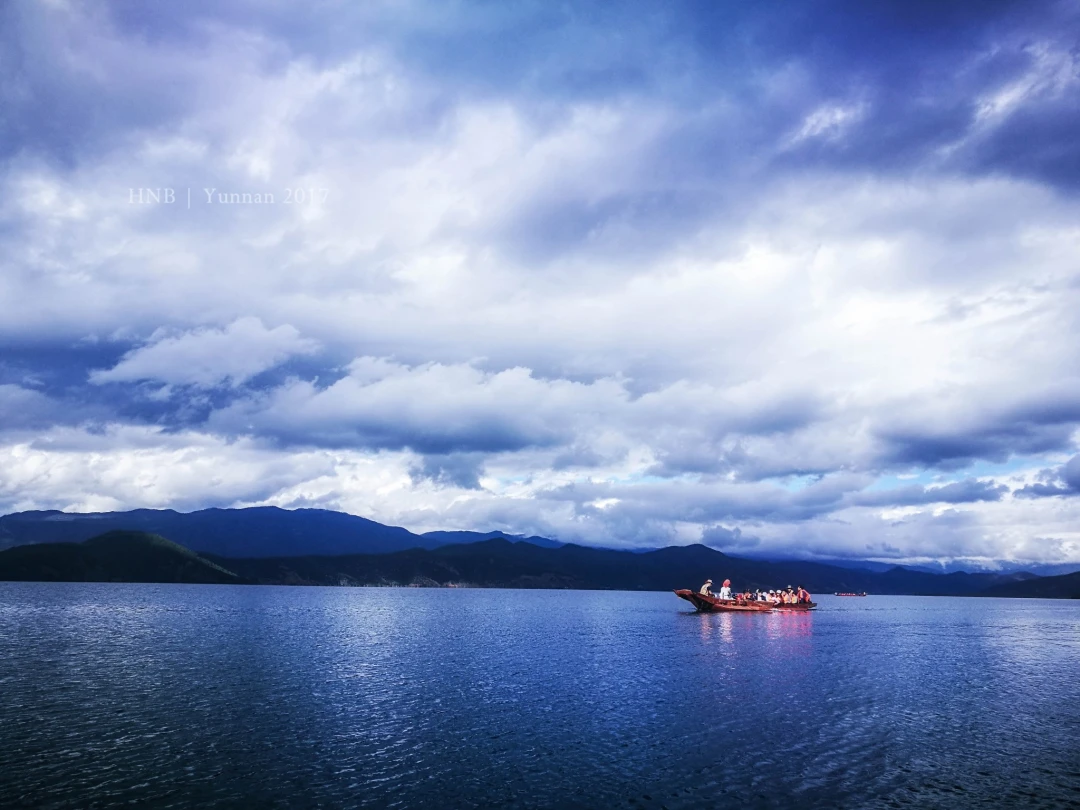
When you stand alone by Erhai Lake, watching the sunrise slowly rise; when you ride your little electric scooter alone, humming on a country path; when you sit alone on Nanzhao Customs Island, feeling that "the vaster the scenery, the emptier the heart"... you'll discover that loneliness can also be a complete experience.
Travel isn't always beautiful. Those unique moments created by chance—whether it's the news of a meteorite falling, the aroma of coconut rice, or that line "the vaster the scenery, the emptier the heart"—are the most precious gifts of travel.
Yunnan solo is lonely. But it's precisely this loneliness that allows you to truly, completely, and deeply experience this land.
Travel isn't always beautiful. Every unique experience created by chance is the greatest meaning of travel.
Practical Tips
Itinerary Overview (15 Days) - Day 0: Tianjin → Kunming - Day 1: Stone Forest → Jiuxiang → Dali (overnight train) - Day 2: Dali Ancient Town → West Coast of Erhai Lake - Day 3: Caicun Sunrise → Shuanglang → Nanzhao Customs Island → Xiaoputuo → Lijiang - Day 4: Jade Dragon Snow Mountain → Blue Moon Valley → Lijiang Ancient Town - Day 5 onwards: Shangri-La → Xishuangbanna (text cut off)
Money-Saving Tips - Avoid the peak around National Day for much cheaper flights - Flying from Tianjin to Kunming is cheaper than direct from Beijing - Overnight sleeper trains save one night's accommodation cost - Rent an electric scooter at the entrance of Dali Ancient Town for the Erhai loop; 70 yuan/day for the most powerful model
Pitfall Avoidance Guide - The "free photo" at Jiuxiang Scenic Area is a trick; you need to pay 20 yuan for a clear picture - Roasted milk fan must be freshly made; cold ones ruin the taste - No need to bring your own cold-weather gear for Jade Dragon Snow Mountain; it's provided - Shuanglang is under construction; confirm road access before going
You should also read:

God’s Abandoned Palette: A Self-Drive Journey Through Yunnan’s Dongchuan Red Land
God’s Abandoned Palette: A Self-Drive Journey Through Yunnan’s Dongchuan Red Land Travel has never been about reaching some distant geographic coordinate. It’s about encountering, along the way, the version of yourself buried beneath the rubble of daily routine. During this May Day holiday, I finally…
Continue reading...
Cloud Travelogue · Dali of Wind, Flowers, Snow, and Moon: A Three-Day, Two-Night Journey of a Free Spirit
Cloud Travelogue · Dali of Wind, Flowers, Snow, and Moon: A Three-Day, Two-Night Journey of a Free Spirit I am a cultured female foodie with a touch of rogue charm. I slung on my backpack, took my lover's hand, and set off on a spontaneous…
Continue reading...
The Meaning of Travel – A Tengchong Story: A Journey of the Heart and Personal Growth
The Meaning of Travel – A Tengchong Story: A Journey of the Heart and Personal Growth Setting Out, Only to Return a Better Self Some say travel is nothing more than leaving a place you're tired of, only to go to a place where others…
Continue reading...