Yunnan, the Inexhaustible Paradise: The Bustle of Mangshi, the Heat of Ruili, and the Leisurely Pace of Tengchong
Yunnan, the Inexhaustible Paradise: The Bustle of Mangshi, the Heat of Ruili, and the Leisurely Pace of Tengchong
A person's life isn't measured by how long they live, but by whether they truly live. This truth is proven again and again on the soil of Yunnan.
During the May Day holiday in 2024, my partner and I once again set foot on this land that has always held my heart. This was my fourth trip to Yunnan, and each time I return, I feel as if I've been recharged with energy. If there's one place I can fall in love with over and over, it's Yunnan—like a generous old friend who, just when you least expect it, hands you a handful of surprises.
This time, our route took us through Mangshi, Ruili, and Tengchong. Three cities, three completely different rhythms: Mangshi kept us busy every second, Ruili was so hot it took your breath away, and Tengchong made us so lazy we forgot about time. If you're also looking for a unique memory in Yunnan, this travelogue might give you some inspiration.
Mangshi: In the "City of Dawn," We Spun Like Tops
Mangshi, known in the Dai language as "Meng Huan," means "City of Dawn." It's the capital of the Dehong Dai and Jingpo Autonomous Prefecture and the only city in China with a single-character name. People online often say "Mangshi isn't busy," but our Mangshi was busier than we could have imagined—in one day, we visited all the main attractions, joined a water-splashing carnival, and clocked nearly 20,000 steps. Lying in bed that night, I felt like the water splashing had happened days ago.
A Night Stroll Through Mangshi: Street Fruit, the City's Gentlest Welcome
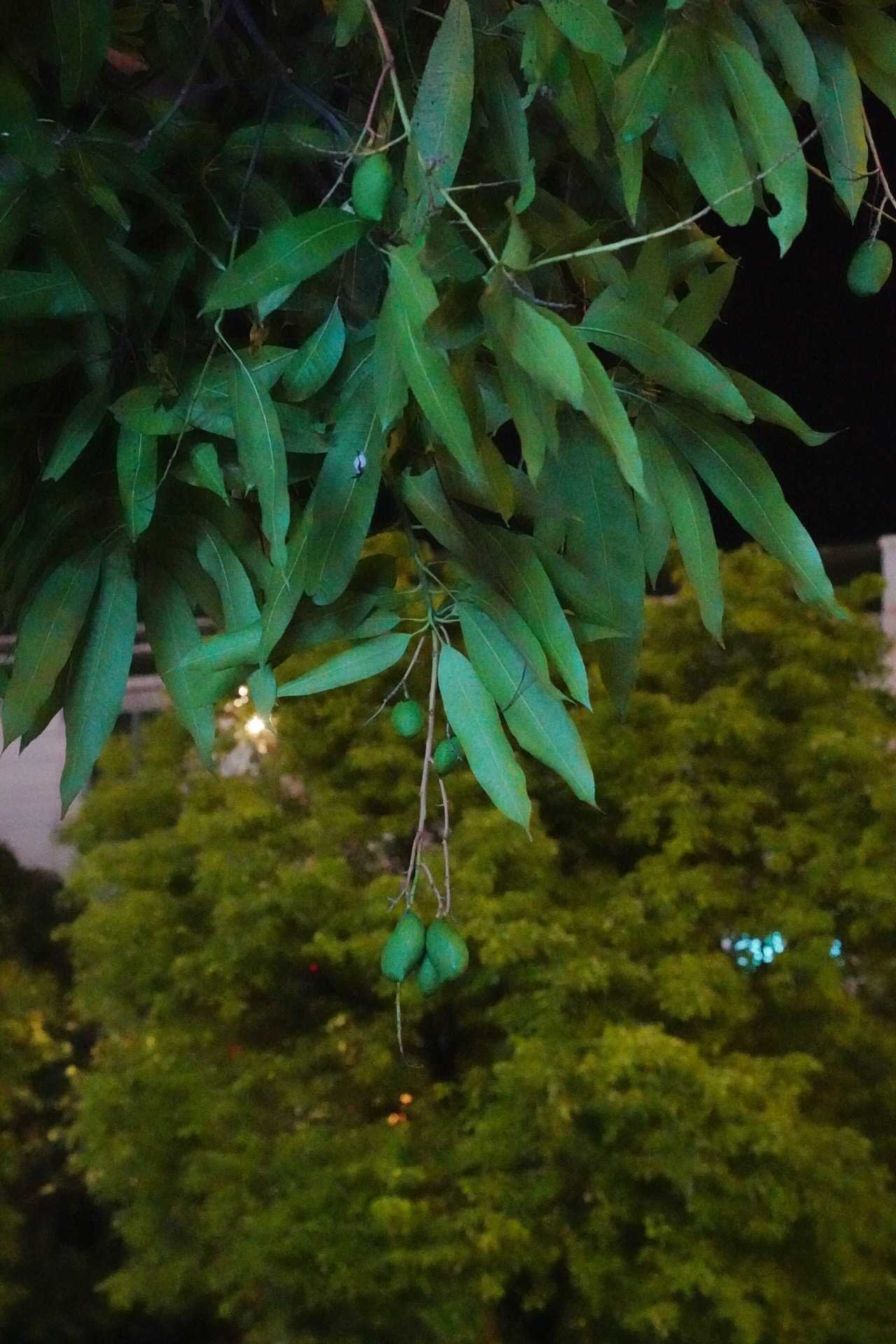
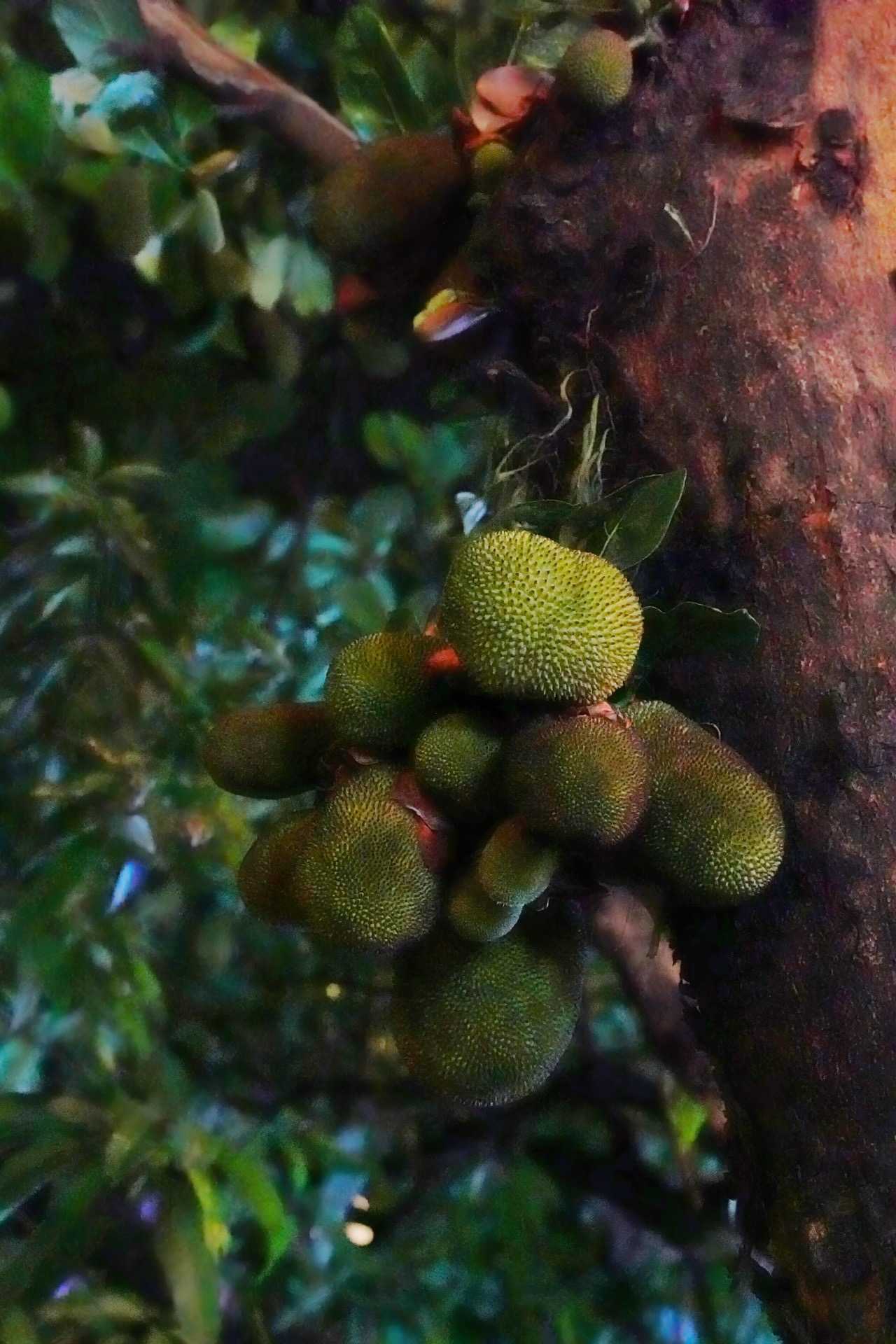
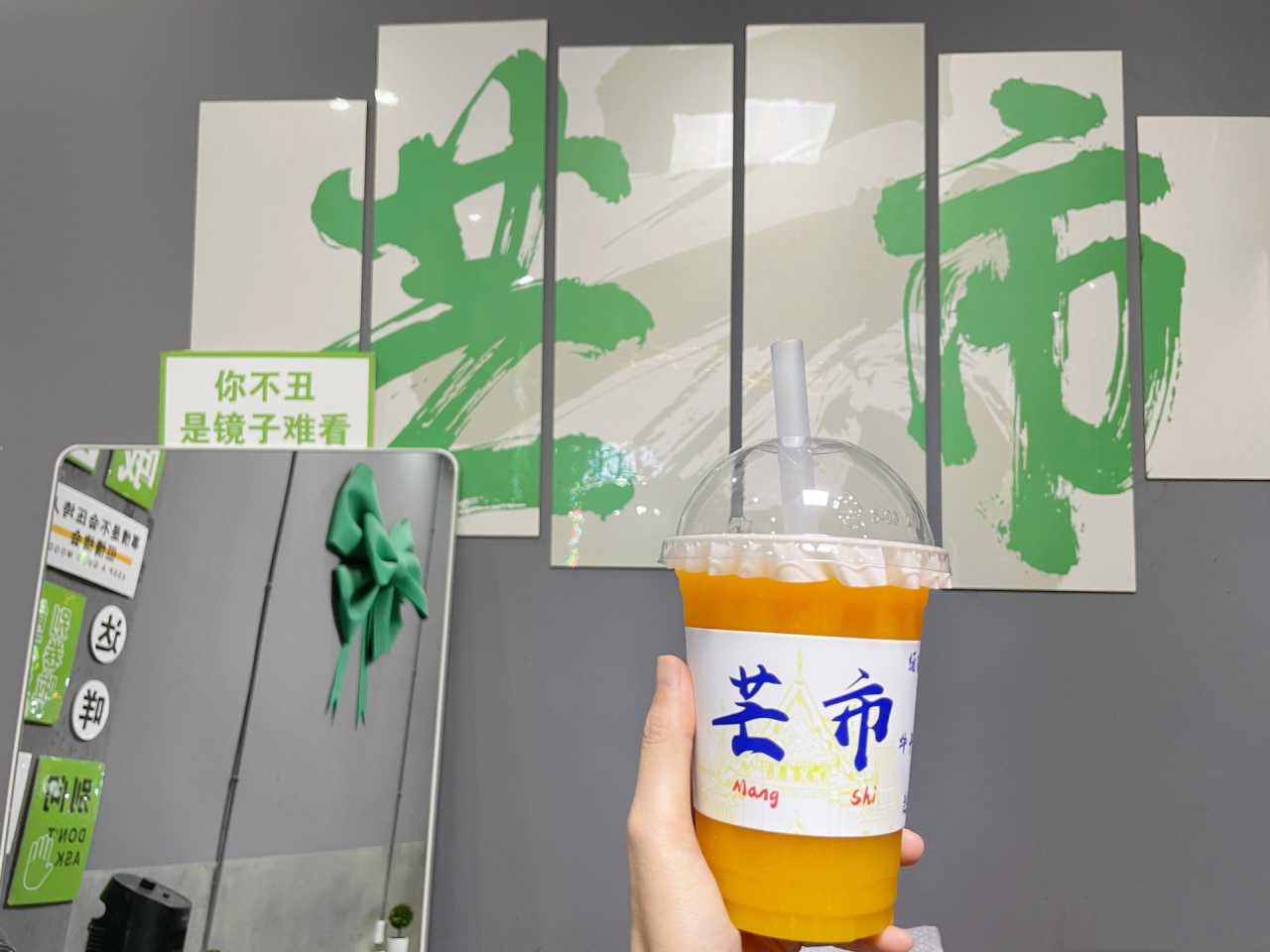
On our first night in Mangshi, we bought a fresh-squeezed orange juice at "Big Mouth Tea" (大口茶). Our stomachs were so full it was uncomfortable, so we decided to walk back to the hotel. On the streets of Mangshi at 10 p.m., there were few pedestrians, with only a few late-night eateries still lit up. Along the way, I saw a couple—the guy jumped up to pull down a low-hanging branch. It turned out the green belts were planted with mango and jackfruit trees. Apparently, when the fruit ripens, city workers harvest it all and distribute it to residents.
As a total mango fanatic, I was insanely jealous. Yunnan's fruit is cheap and delicious—that was the first gift it gave me.
When we reached Mangshi Square, a trade fair was in full swing. On the open ground in front of the stage, there were still traces of water from the afternoon's water-splashing event. Thinking about joining the water festival tomorrow, I couldn't help but feel excited. As we walked out through the "Gate of Peace" (平安门) on the side of the square, I silently wished: may everyone be safe and healthy.
The Tree-Wrapped Pagoda: A Two-Hundred-Year Miracle of Coexistence
The Tree-Wrapped Pagoda, also known as the Iron City Pagoda (铁城佛塔) and called "Guang Mu Jie Lie" in Dai, was built in the 53rd year of the Qianlong reign of the Qing Dynasty (1778). A banyan seed was carried by the wind or a bird into a crack in the pagoda. Over more than a century, the tree's roots gradually grew around and enveloped the structure, creating the wonder of "tree embracing pagoda." Today, the Dai people call it the "Love Tree."
My partner, Brother Chen, initially thought the Tree-Wrapped Pagoda was just a few small pagodas surrounding a big tree. It wasn't until we walked around to the other side and saw the exposed main pagoda that he understood this incredible symbiotic relationship—the roots gripped the main structure like claws, twisting and intertwining like giant pythons. It reminded me of the scenery at Angkor Wat in Cambodia—life relying on life, spanning the distance between Yunnan and Cambodia, colliding in this moment.
There was construction going on around the Tree-Wrapped Pagoda, and dust was flying everywhere. I asked Brother Chen to touch the leaves, and he found they were spotless. This bodhi tree, it's said, has a waxy layer on its leaves that repels dust. Perhaps that's why the Buddha attained enlightenment under a bodhi tree.
菩提街 (Bodhi Street) and 菩提寺 (Bodhi Temple): The Cultural Code Behind the Instagram Hotspot
A five-minute walk from the Tree-Wrapped Pagoda brings you to the Instagram hotspot—Bodhi Street. The tall palm trees lining both sides make it a perfect photo spot. But in my experience, unless you go out early in the morning, it's hard to get a good shot. Traffic here is non-stop, and standing on the roadside to take photos is both unsafe and disruptive. If you really want to shoot, I recommend going to the platform across the street and using a telephoto lens. Actually, Mangshi Avenue and Unity Avenue (团结大街) also have palm trees, so you don't have to fixate on Bodhi Street.
Bodhi Temple (菩提寺) is a representative example of "Han-Dai" architectural style—a fusion of Han Chinese gable-and-hip roofs and Dai stilted houses. This style emerged because of the openness of the Dehong chieftain system. The chieftains had exposure to Western education, learning English and driving cars, and this open-minded attitude influenced their architecture. Bodhi Temple has a history of over three hundred years and gets its name from the bodhi tree in front of it. Photography is not allowed inside, but it's worth a visit—it's not only a treasure of Dai culture but also a testament to Sino-Burmese cultural exchange.
Water-Splashing Event: A Rainy Carnival, Splashing Out Blessings

During the Dai Water-Splashing Festival, it happened to coincide with the Guangxi March 3rd holiday. Videos sent by friends made me eager to join in. I'm grateful that the Mangshi Culture and Tourism Bureau arranged a water-splashing event for the May Day holiday. While it wasn't as grand as the mid-April festivities, it was more than enough for us to have a blast.
We bought some Crocs on the fly and headed to Mangshi Square. The music was blasting, and crowds were gathering. After snapping a couple of photos, I couldn't wait to go back to the hotel and change into shorts. Just as we entered the room, a torrential downpour began. We waited twenty minutes until the rain let up and decided to go for it. Near the square, water guns, buckets, and basins were everywhere. A young woman told us that small buckets were the most useful—and after playing, I couldn't agree more.
We played for nearly two hours, with two heavy rain showers in between. Nobody's enthusiasm waned—since we were already soaked, we might as well enjoy ourselves to the fullest. We sent out many blessings and received many in return. I hope this water washes away illness and disaster, bringing health and peace.
The Golden Pagoda and the Silver Pagoda: Mangshi's Soulful Landmarks
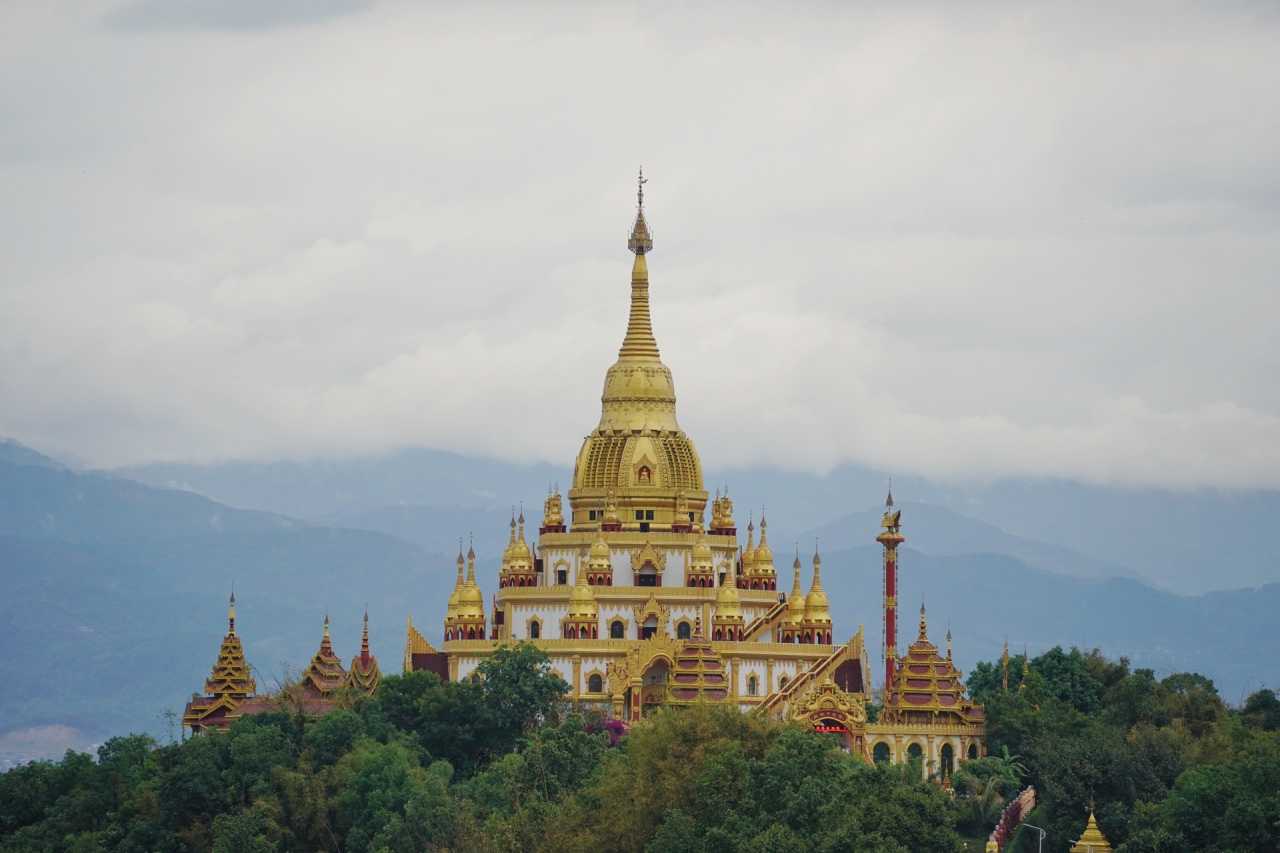
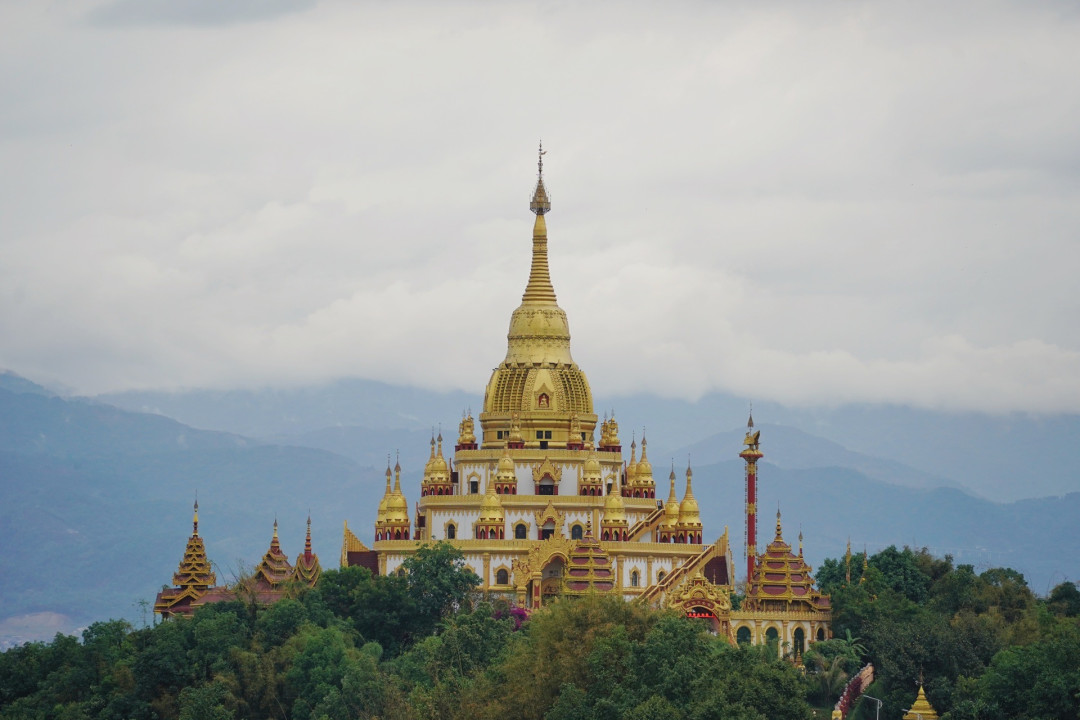
Meng Huan Grand Golden Pagoda (勐焕大金塔) and Meng Huan Silver Pagoda (勐焕银塔) sit atop Lei Ya Rang Mountain, facing each other. The Golden Pagoda is Mangshi's iconic landmark and a sacred site for the Dai people. It's dazzlingly gold, standing 76 meters tall with a base diameter of 50 meters, making it China's largest golden Buddhist pagoda and Asia's largest hollow Buddhist pagoda. Admission is 40 yuan, open from 8:00 a.m. to 10:00 p.m.
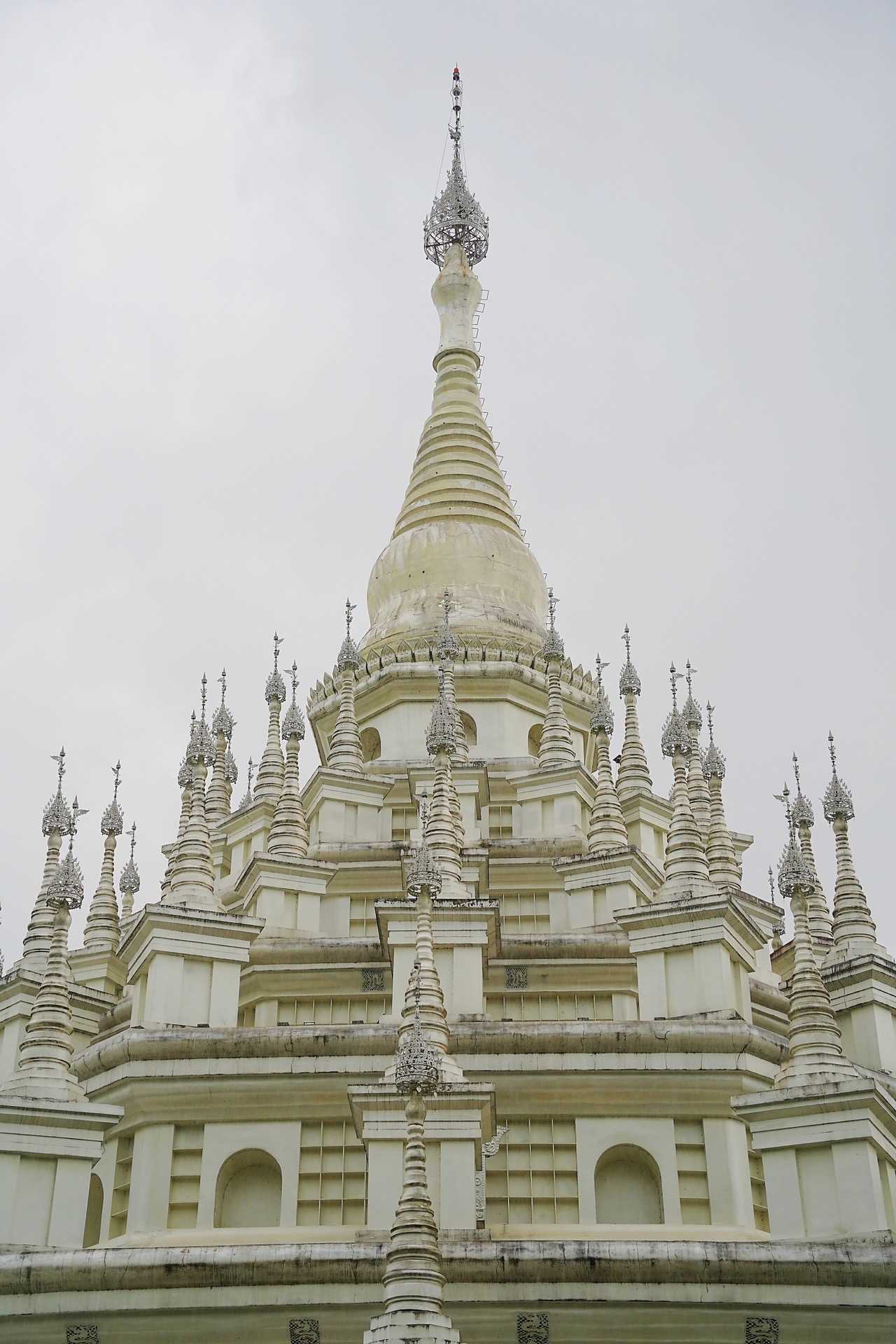
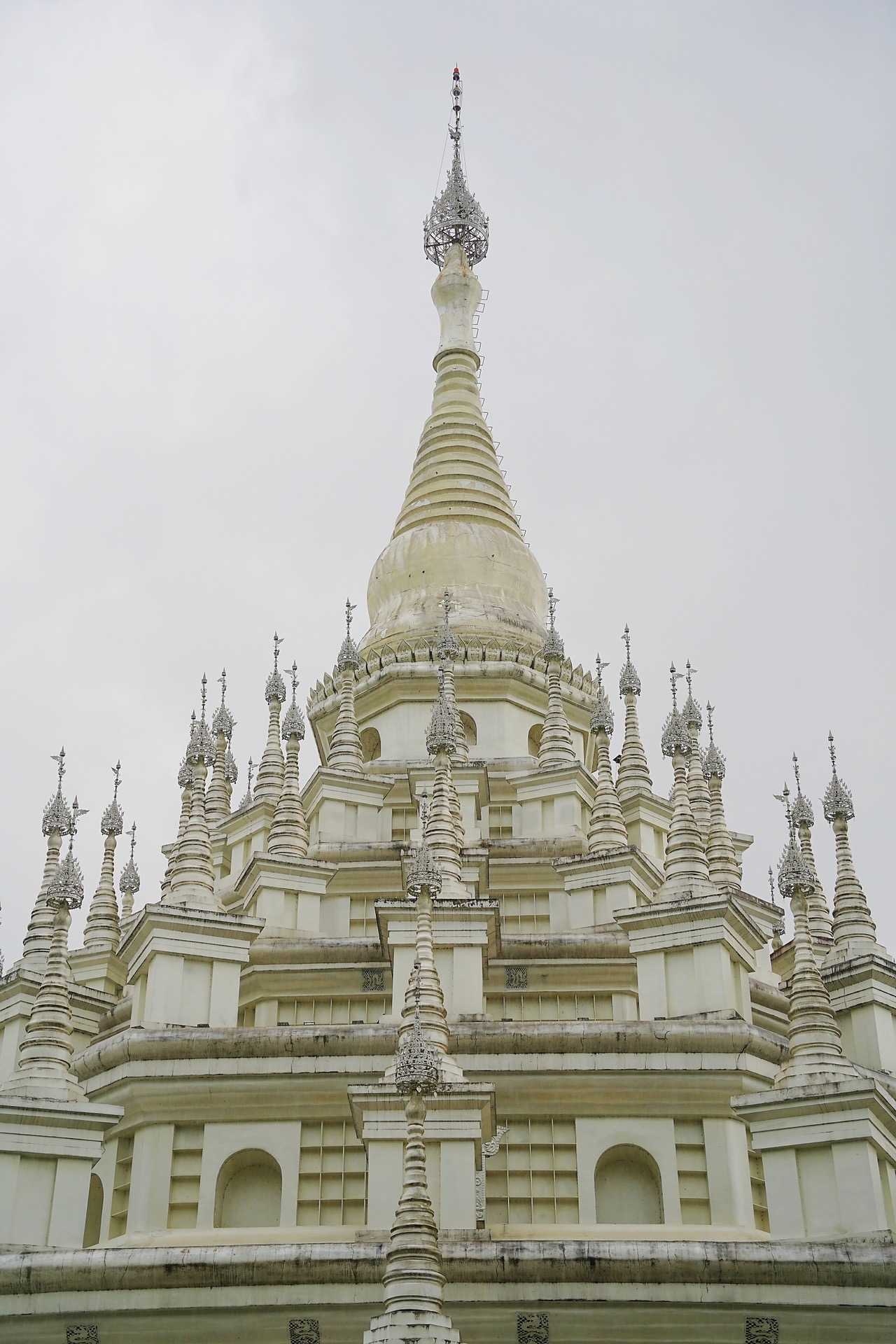
The Silver Pagoda, with its silver-white color scheme, stands 66 meters tall and consists of 80 smaller pagodas. It's known as China's first pagoda of Southern Buddhism. Admission is also 40 yuan, open until 11:00 p.m. After scanning the QR code to enter, we saw many travelers in Dai costumes taking photos. We pushed through the crowd and started climbing the hill. If you don't want to hike, there's a sightseeing cart for 10 yuan per person.
At one platform, we could see the Golden Pagoda across the way. After the rain, the mountain peaks were shrouded in mist, looking like a painting. The Silver Pagoda felt more like a photography studio—its white body is very photogenic. The popular spot is the glass platform, which creates reflections, but the queue was too long, so I gave up. On the way down, I used bougainvillea as a foreground to capture the Golden Pagoda—it was simply too dazzling in Mangshi.
Mangshi Food: A Surprise in Every Bite
Qi Zhi Xia Pu (柒只虾铺): We ordered their signature lemon shrimp (a cold dish with Southeast Asian flavors, firm and fresh shrimp), Meng Ga sour chicken (sour, spicy, and slightly sweet, with tender chicken), and braised beef (a bit dry, but the dipping sauce was good).
A Miao Restaurant (阿妙餐厅): The mint spare ribs are a signature—crispy on the outside, tender inside, with a rich mint aroma. The stir-fried beef with sour mango was silky and tender, with crunchy, tart mango. The cold tripe salad was generous in portion and refreshingly crunchy. The stir-fried yang melon vine (炒洋瓜藤) was light and tasty.
Meng Huan Lao Nai (勐焕老奶): The Pao Lu Da (泡鲁达) was like Fujian's Four Fruit Soup, made with bread crisps, shredded coconut, coconut milk, and other ingredients—rich and layered. The avocado juice was smooth and creamy, not too sweet.
Lin's Meatballs (林氏圆子): The "shua ba ba" (甩粑粑, a fried flatbread) was crispy on the outside and soft inside, bursting with egg and milk flavors. The rice noodle soup with meatballs (饵丝圆子) had bouncy beef balls and a light, clear broth.
Yin Xiang Meng Huan (印象勐焕): The lemon salad (柠檬撒) was sour and spicy, great for opening the appetite. The fish wrapped in lettuce (菜包鱼) was generous in portion. The Dai-style dipping sauce (傣家喃咪) was a tomato-based condiment served with vegetables, rich in flavor.
Zhang Bian Fruit Drinks (张变果饮): The avocado smoothie was made fresh, even smoother than the one at Meng Huan Lao Nai. The stir-fried rice cakes (炒饵块) were soft and fragrant. The bitter salad (苦撒), made with beef tenderloin and bitter intestinal juice, was bitter with a hint of sweetness. The pickled chicken feet (泡鸡脚) came in over a dozen flavors, each sour and spicy in its own way. The strawberry jam was made with fresh strawberries, sweet and tangy.
Ruili: A Border Town in the Heat Wave
Ruili, anciently known as Meng Mao, is hailed as the "Cradle of Dai Culture." It's the largest land port between China and Myanmar and a major hub for the jewelry trade. Most of my impressions of Ruili came from the news during those three years—it was practically sealed off. This time, my strongest feeling was "heat": the weather was scorching, and the attractions were buzzing.
One Village, Two Countries: A Wish for World Peace
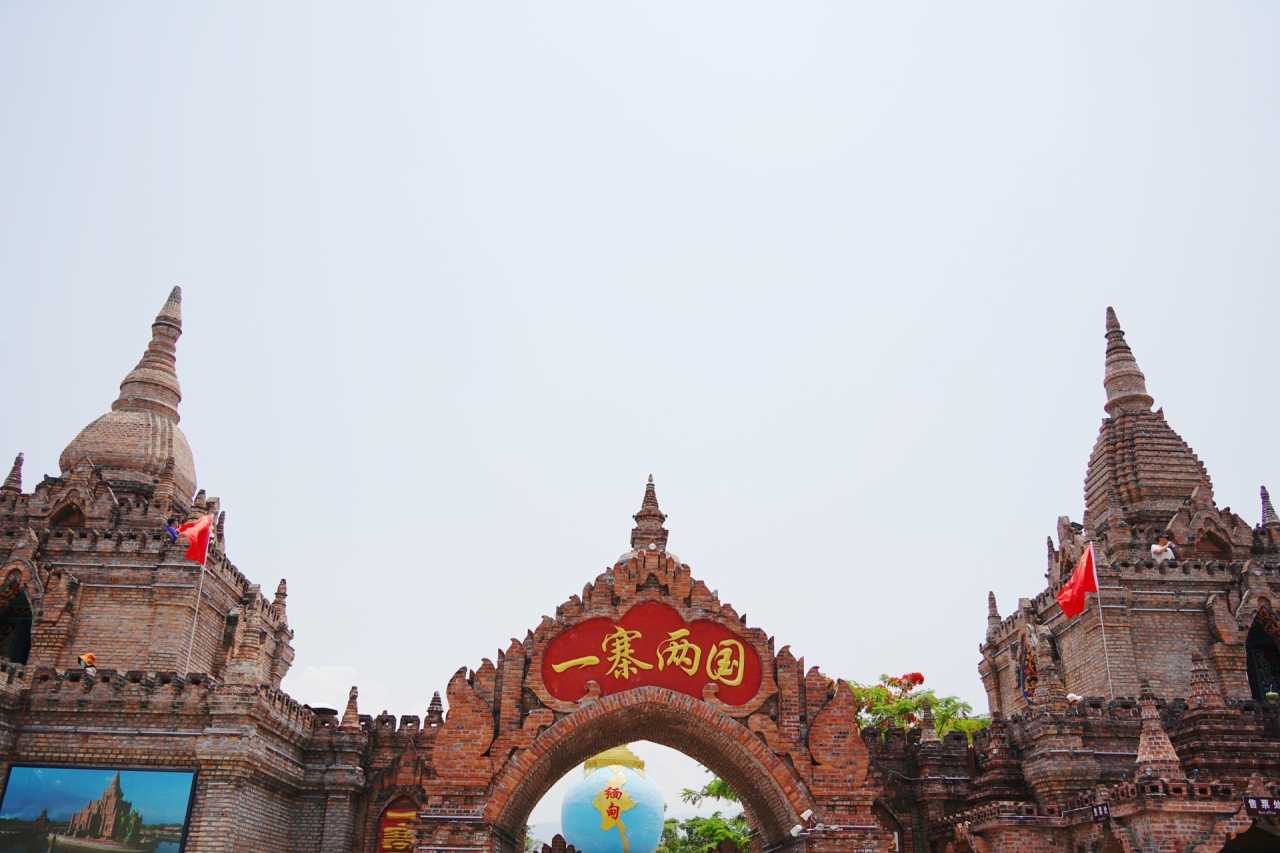
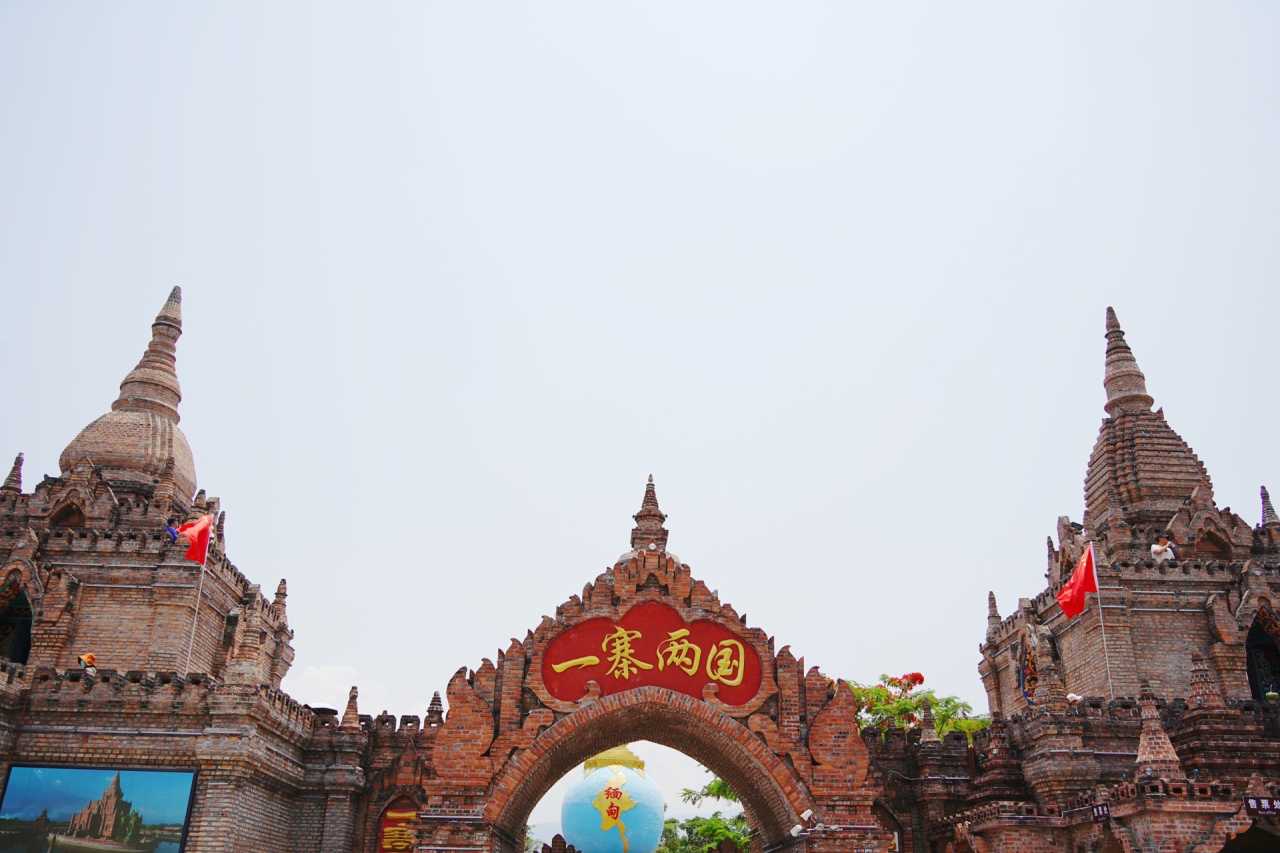
On the bus from Mangshi to Ruili, I saw many butterflies fluttering on the highway—something I hadn't seen in a long time. The "One Village, Two Countries" (一寨两国) scenic area is Ruili's signature attraction. Here, you can see the border between China and Myanmar—a small ditch, a swing that can cross the national line. The park features a miniature version of "Little Bagan," evoking images of Myanmar's Bagan pagodas.
Standing here, I wished for world peace. After all, on the border, peace is the most precious gift of all.
Tengchong: In "Heshun," Wasting Time on Beauty
Tengchong was the final stop of our journey and the place where I felt most relaxed. The ancient town of Heshun (和顺古镇) carries a meaningful name—"Heshun" means harmony and smoothness. Here, we wandered aimlessly and stumbled upon countless surprises.
Heshun Ancient Town: Slow Down to See Beauty
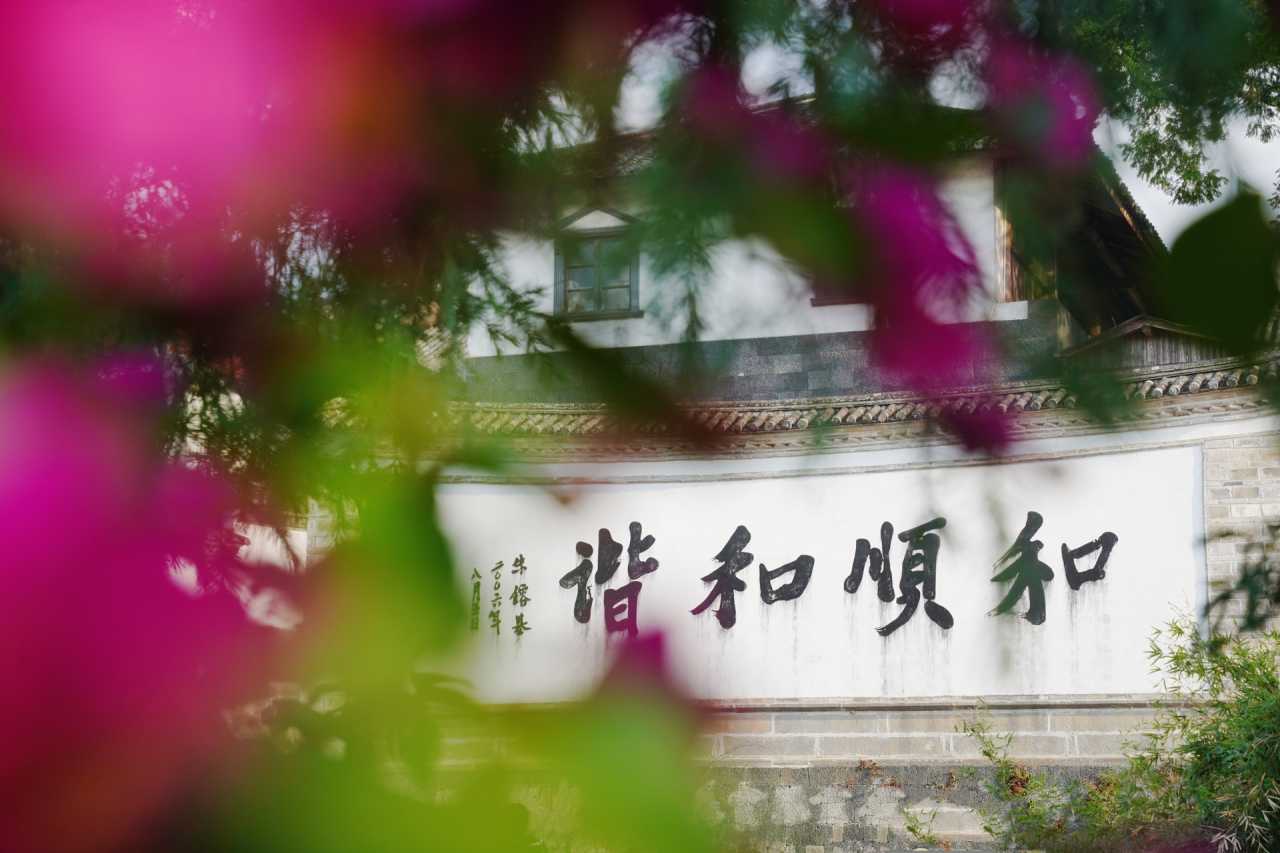
Heshun Ancient Town lacks the noise of Dali or the commercialization of Lijiang. It lies quietly at the foot of the Gaoligong Mountains, like a hermit. We walked along the stone paths, passing laundry pavilions, libraries, and old houses. At dusk, under the ancient banyan trees of the Thousand-Hand Guanyin (千手观音古树群), a farmer drove a flock of ducks home against the setting sun. In that moment, I felt time itself slow down.
Gaoligong Mountains: A Paradise for Plant Lovers
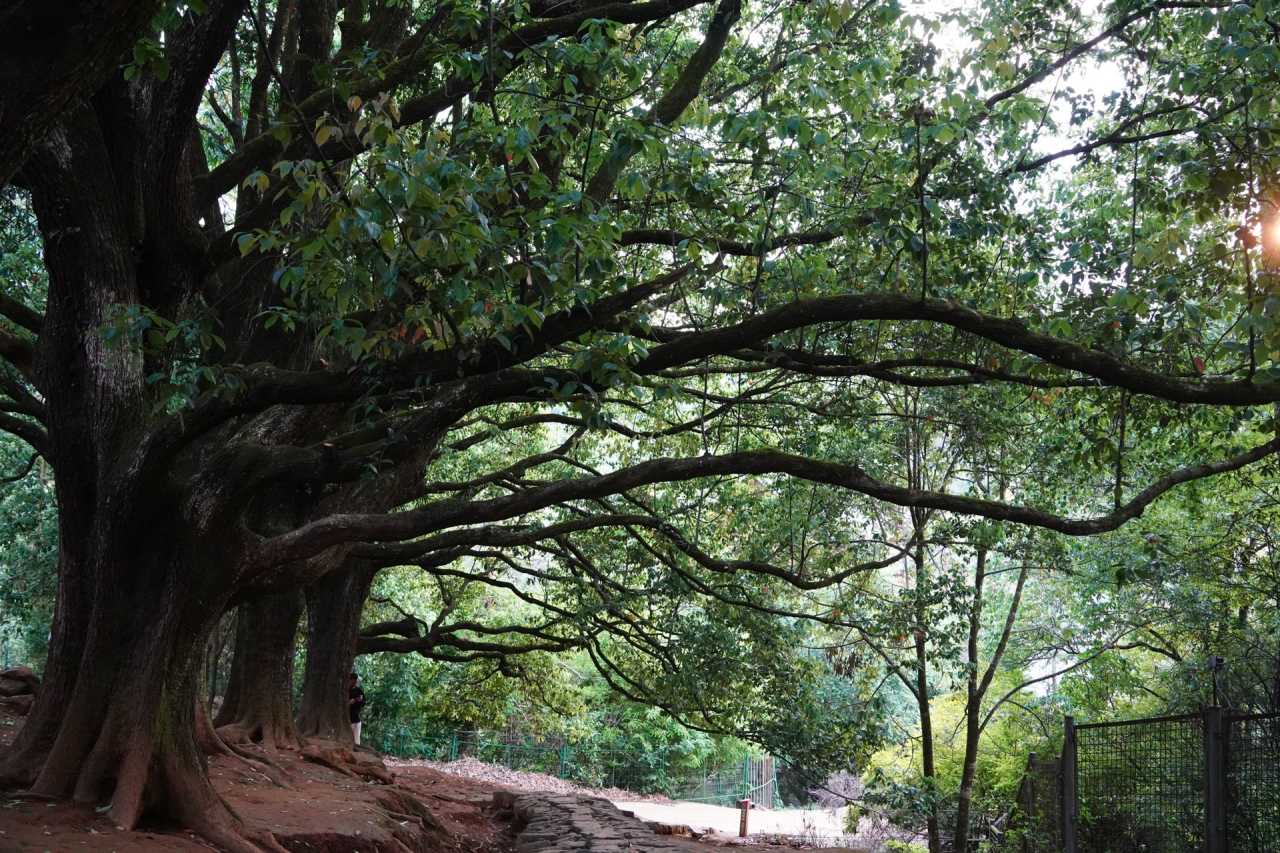
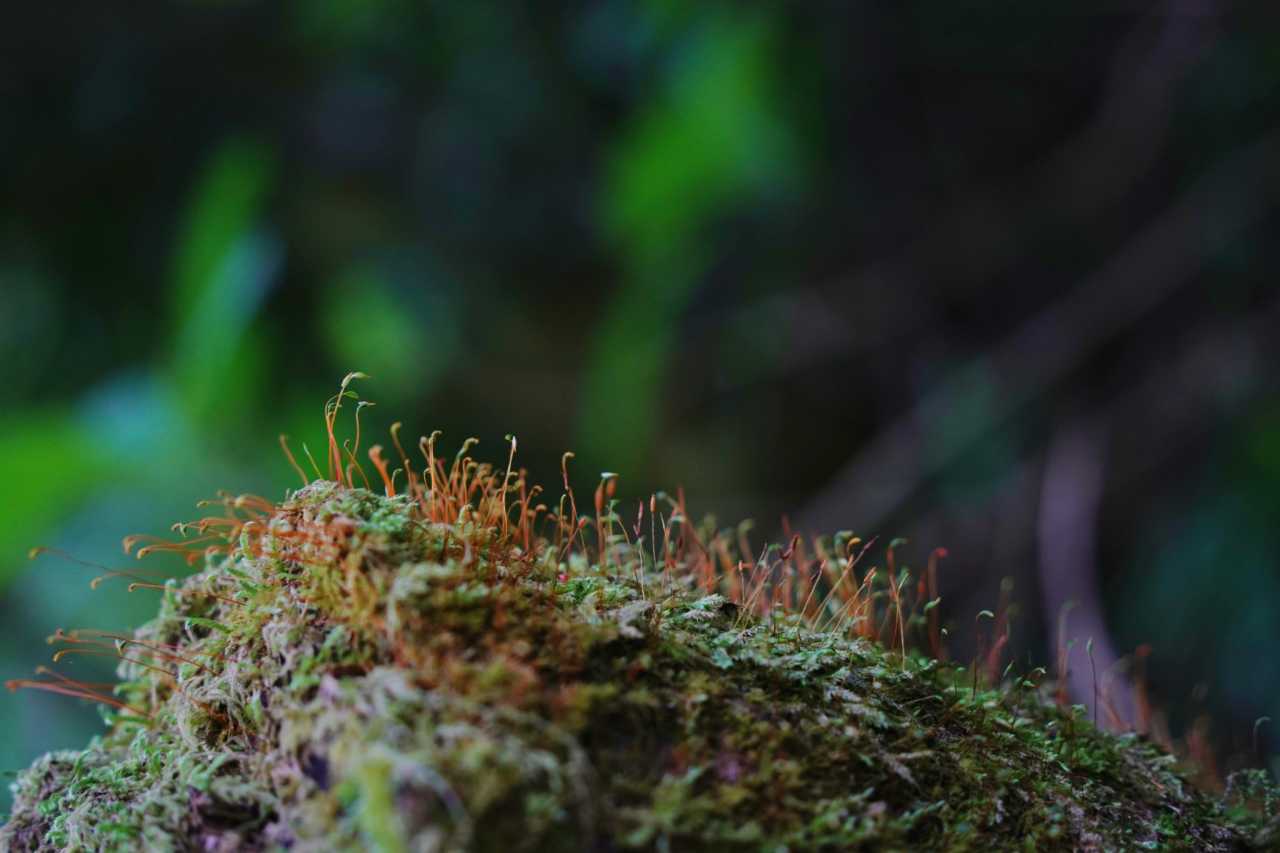
The Gaoligong Mountains are a paradise for plant enthusiasts. I've always felt that every living thing has its own little world. Here, we saw all kinds of rare plants and breathed in the fresh air. If time allowed, I would have loved to stay for days.
Conclusion: Yunnan, Inexhaustible
This journey confirmed once again: Yunnan is my happy place. The bustle of Mangshi, the heat of Ruili, the leisure of Tengchong—three cities, three rhythms, yet all left me feeling fulfilled.
If you're planning a trip to Yunnan, my advice is: don't rush. Mangshi is for eating and exploring, Ruili is for experiencing border culture, and Tengchong is for zoning out. Bring Crocs, sunscreen, and a relaxed heart, and you'll walk away with unforgettable memories.
Finally, here are a few practical tips:
- Transportation: There are buses from Mangshi to Ruili, and from Ruili to Tengchong. Self-driving is more convenient.
- Accommodation: Book in advance, as rooms are tight during holidays.
- Food: Mangshi's sour and spicy flavors are appetite-opening; Ruili's Burmese snacks are worth trying; don't miss Tengchong's "Da Jiu Jia" (大救驾, a local stir-fried rice cake dish).
- Best Season: Spring and autumn are most comfortable; summer is hot, winter is mild.
Yunnan—I'll never tire of it. Next time, I'll be back.
You should also read:
Hiking Tiger Leaping Gorge: A Visual Feast of Yunnan, Measured in Footsteps
Hiking Tiger Leaping Gorge: A Visual Feast of Yunnan, Measured in Footsteps A Spontaneous Adventure Some trips are planned. Others are written in the stars. When I stood at the Lijiang bus station, watching the last ticket to Lugu Lake sell out before my eyes,…
Continue reading...
Golden Autumn: A Poetic Tapestry of Light and Shadow in Tengchong's Ginkgo Village
Golden Autumn: A Poetic Tapestry of Light and Shadow in Tengchong's Ginkgo Village A Belated Autumn Rendezvous Everyone harbors a dream about autumn somewhere in their heart. For me, that dream once belonged to Jiuzhaigou—that palette of colors hailed by the world as a "fairy-tale…
Continue reading...
A 9-Day Yunnan Journey: From Lijiang to Dali to Tengchong – A Trip Toward Self-Reconciliation
A 9-Day Yunnan Journey: From Lijiang to Dali to Tengchong – A Trip Toward Self-Reconciliation Some say travel is simply going from a place you're tired of to a place other people are tired of. It stings to hear, but it's painfully true. Yet there's…
Continue reading...