Yunnan Travelogue: Between Clouds and Mountains, Seeking a Cool Reprieve
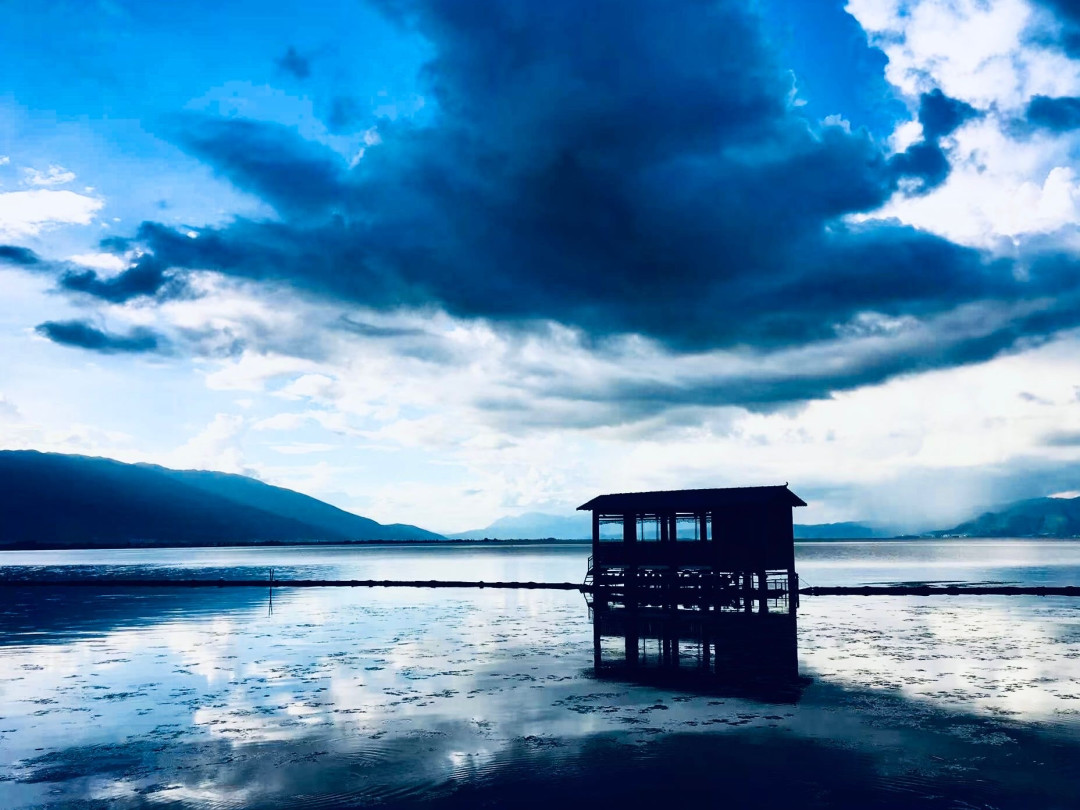
Yunnan Travelogue: Between Clouds and Mountains, Seeking a Cool Reprieve
July after the college entrance exam—I felt like I'd been soaked in the old cotton batting of the rainy season, damp and heavy. My family of three stumbled into Yunnan, which was just as damp. Looking back, those small towns hidden in the mist were like a soothing balm for the soul—not a quick fix, but a slow seep that gradually dissolved the accumulated weight.
Lijiang: Mushrooms, Wild Mountains, and the Light and Shadow of the Old Town
First Taste of Fire in the Night

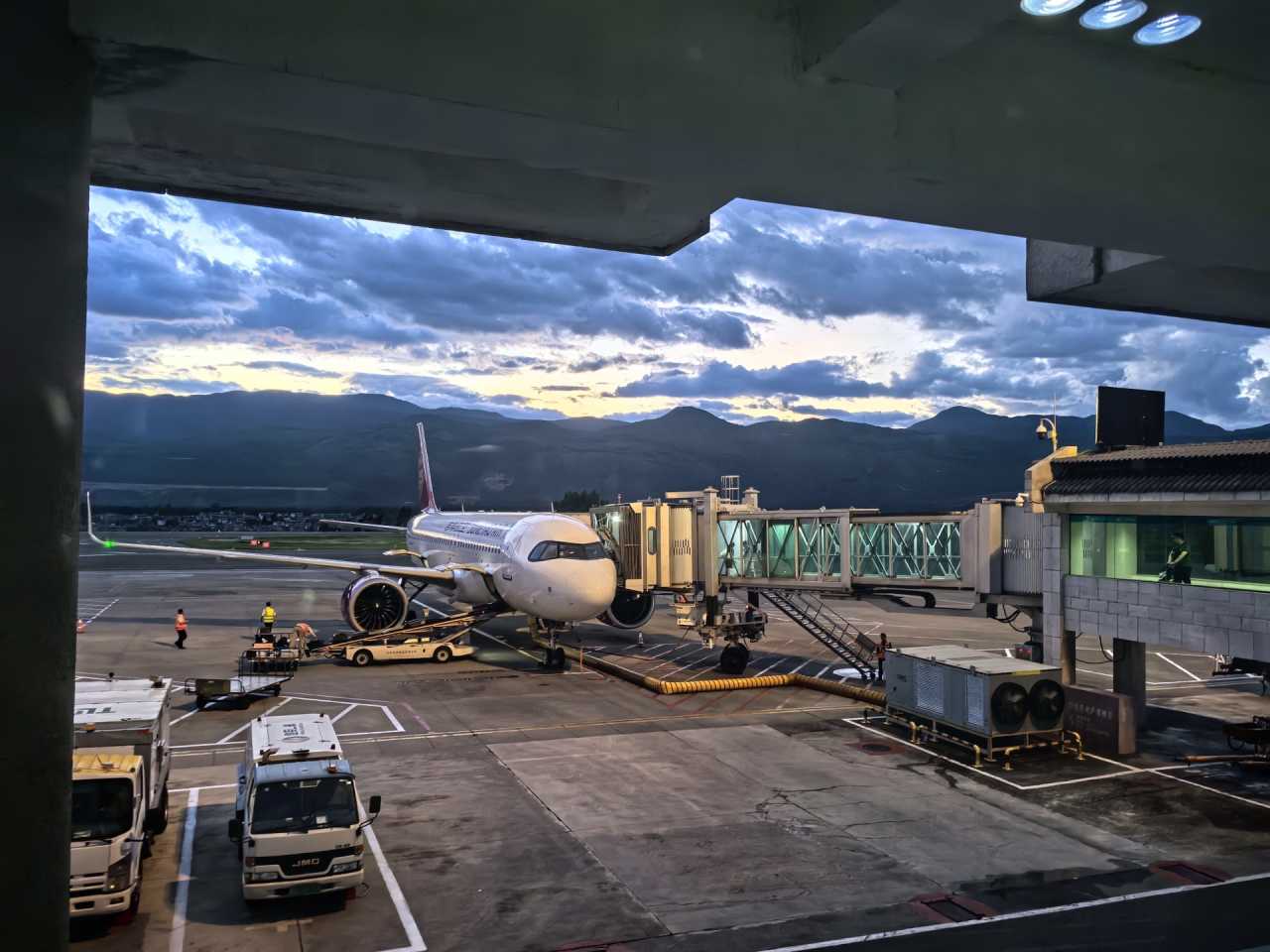
We landed in Lijiang at eight in the evening, the sky still draped in a dreamy golden afterglow. The airport bus carried us through the night, dropping us near the south gate of the old town. Dragging our suitcases along the cobblestone streets, the quiet alleys were so still you'd think the whole city had gone to sleep—even the streetlights seemed to take their time.
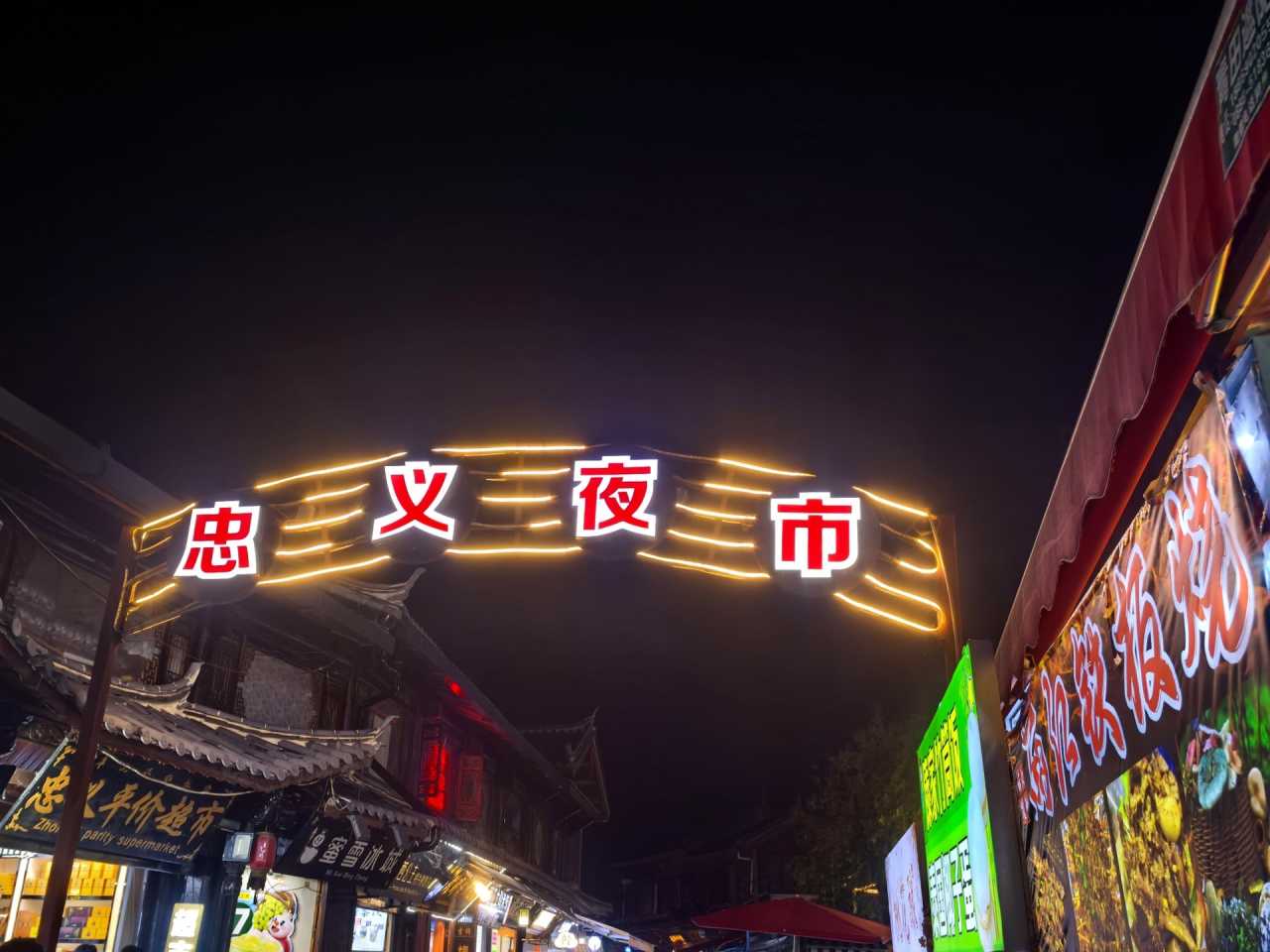
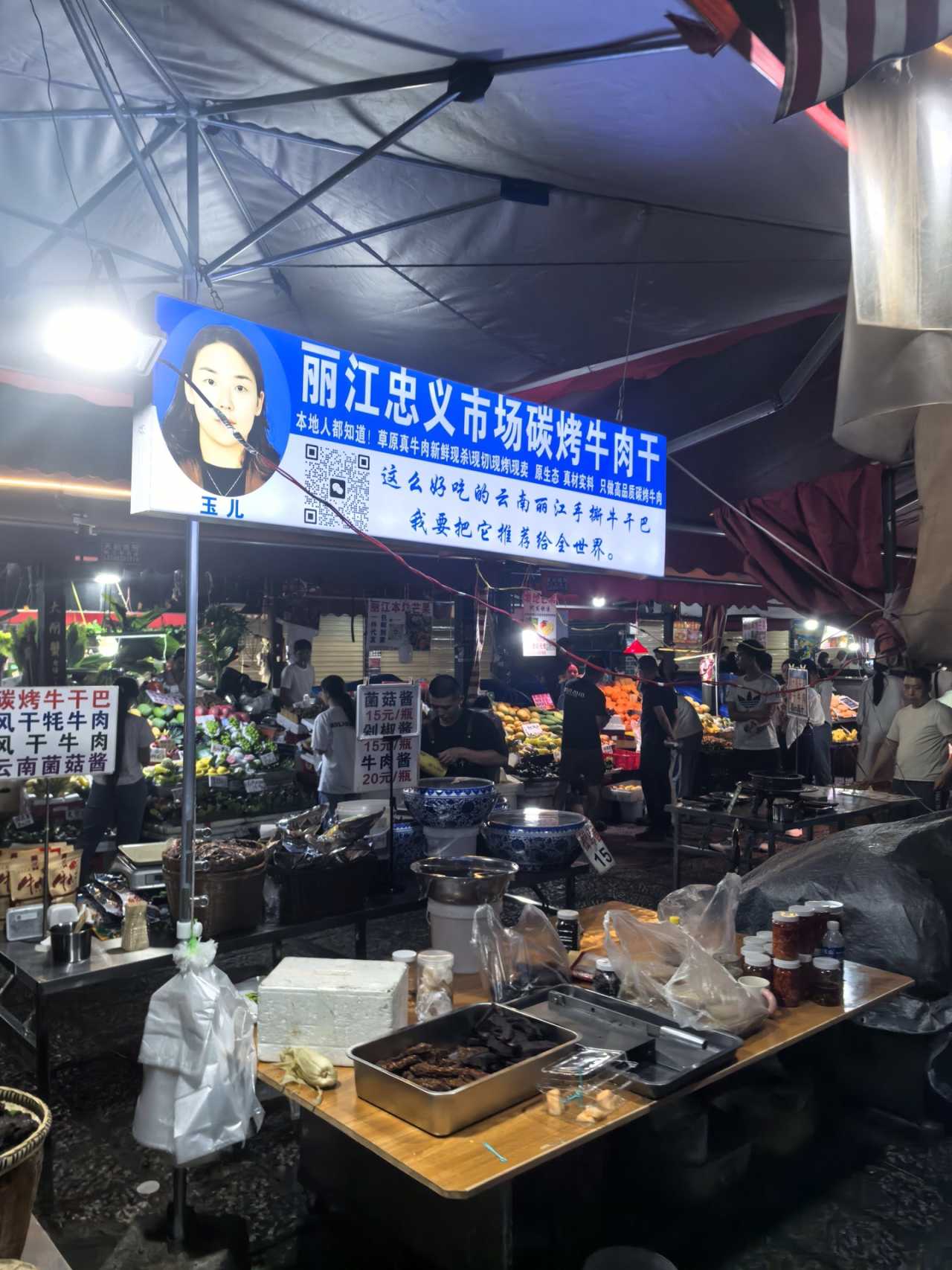
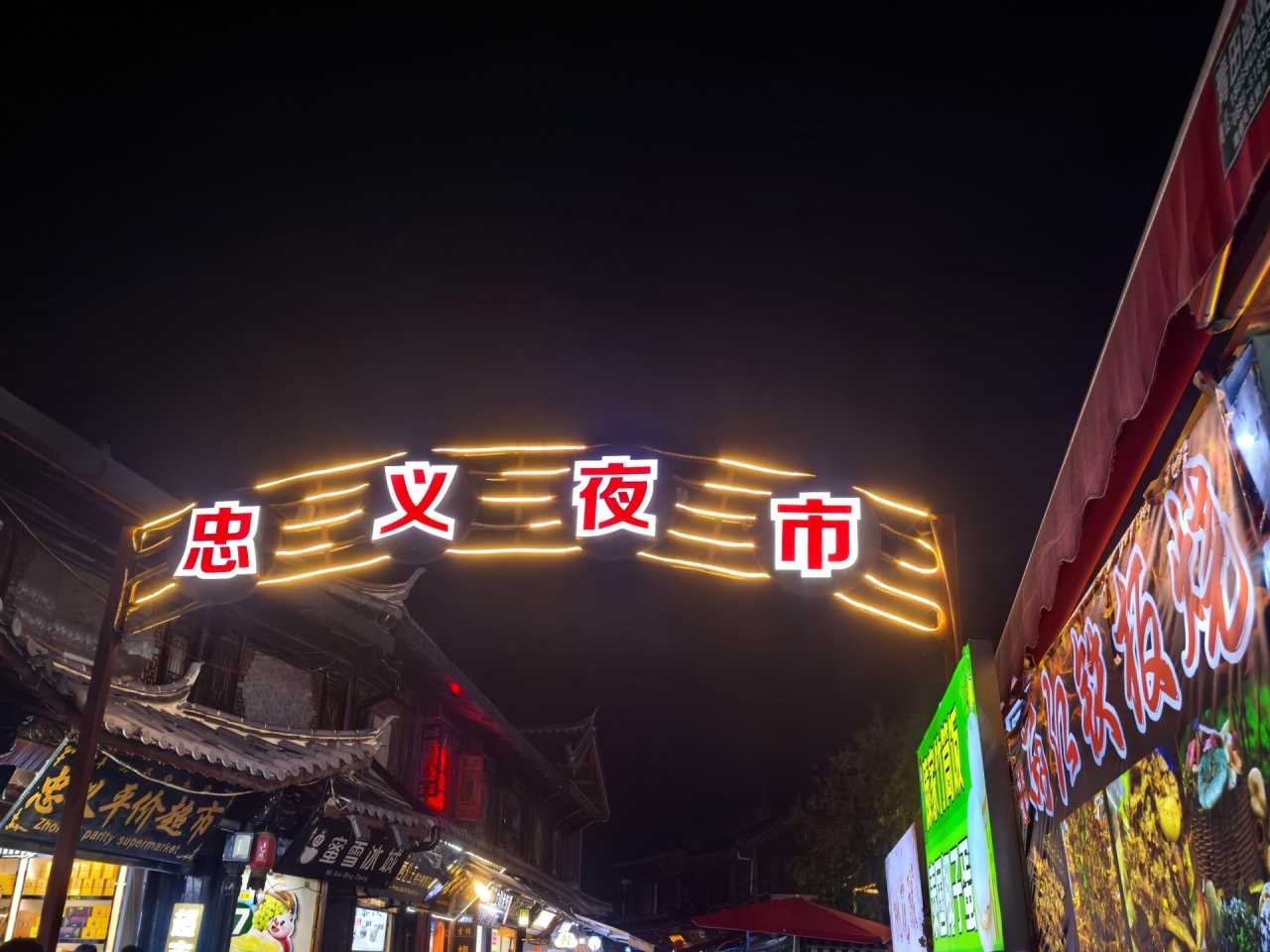
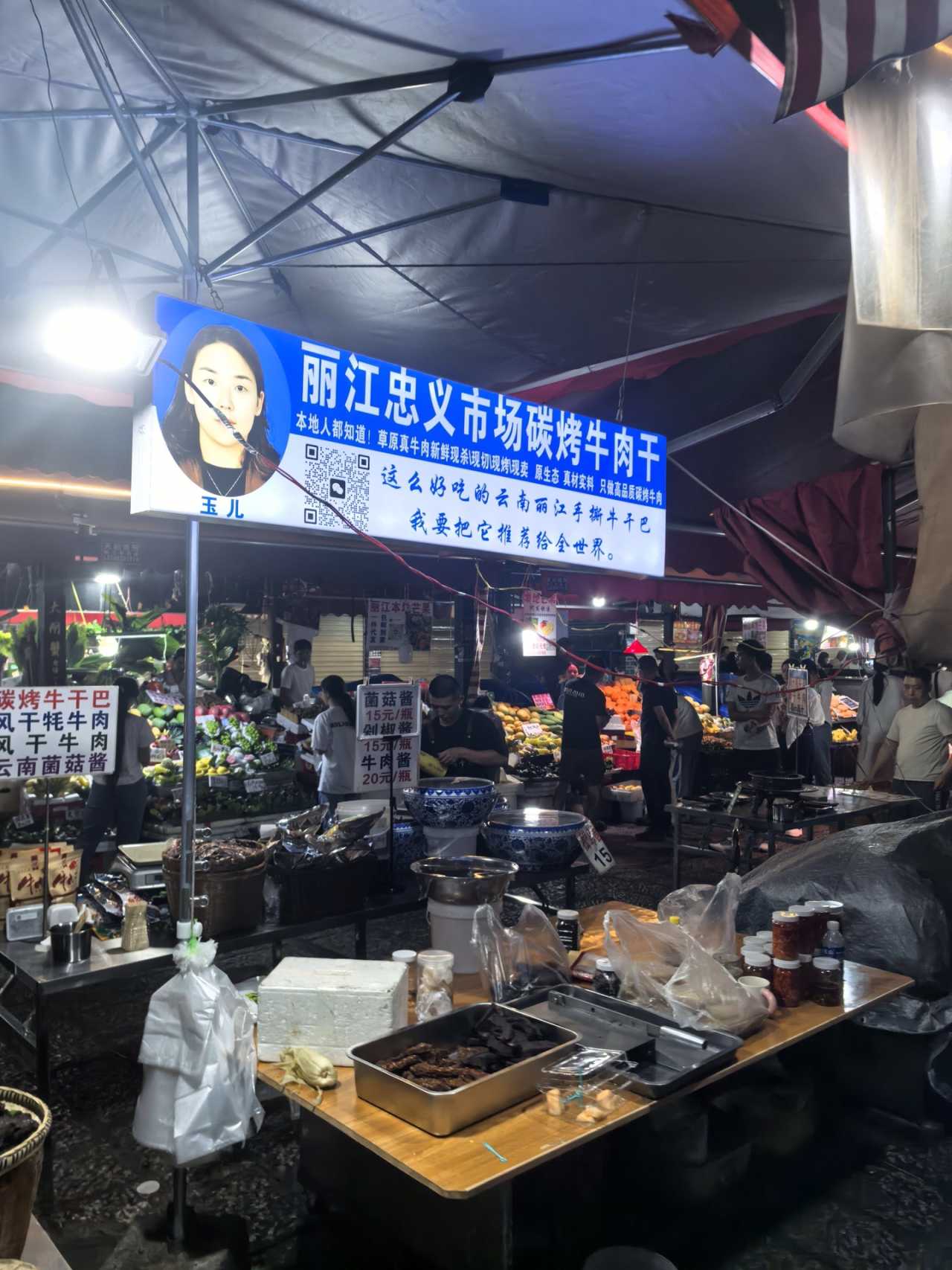
After dropping our bags, we wandered to Zhongyi Market. The moment we stepped into the old town, the noise hit us. Around the market were fruit stalls and vegetable vendors, no different from any other city's market. What caught my eye were the small stalls selling mushroom paste—15 yuan for a big jar, a price so reasonable you'd feel guilty not buying one. Turning into the main night market street, the smoky aroma of grilled meat washed over us. We crouched by a small table, spooning up a pot of mushroom chicken soup, the freshness sliding down our throats and into our bones. When I stuffed a full spoonful of mushrooms into my mouth, a long-lost sense of satisfaction spread like sunbeams filtering through a forest canopy, melting slowly on my tongue.
Foraging for Mushrooms: An Unexpected Gift
We couldn't get tickets for Jade Dragon Snow Mountain, so the innkeeper arranged a half-day mushroom foraging trip. It turned out to be the most unexpected gift of the whole journey.
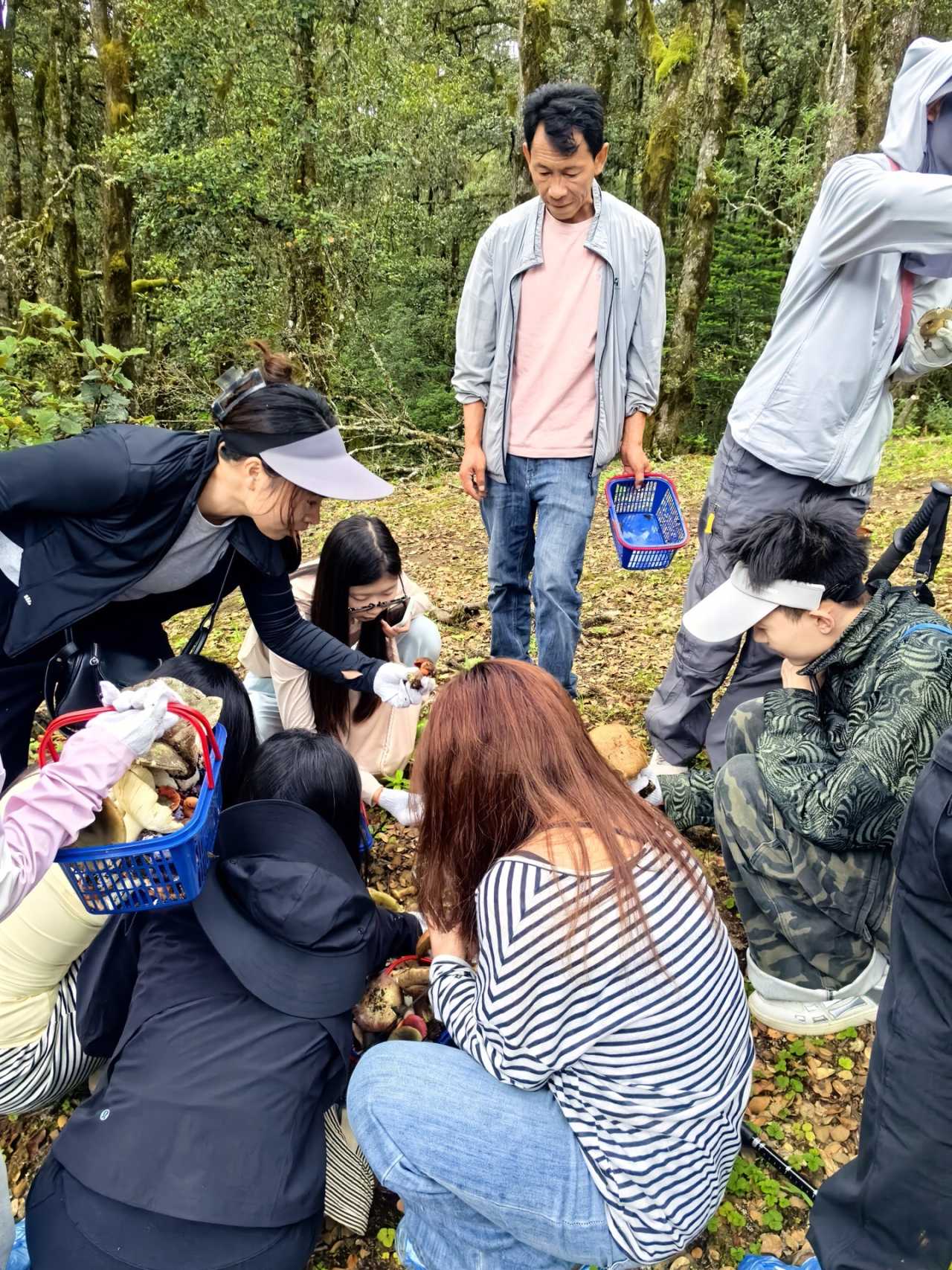
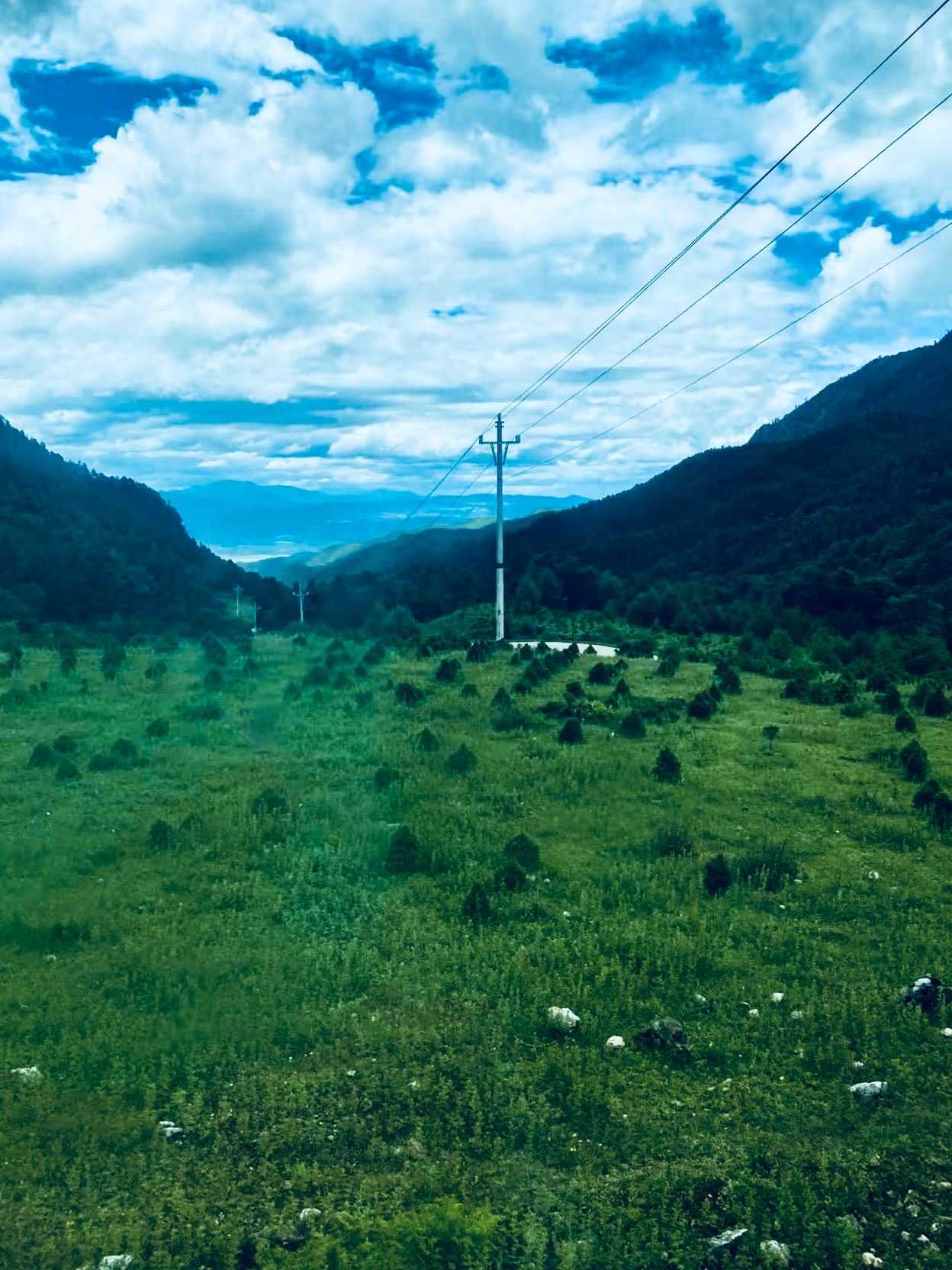
The next morning, we got up early and warmed our stomachs with a bowl of chicken rice noodles. The bus took us toward the mountains near Shichahai, the gravel road jolting me awake from a nap. Outside the window were meadows and forests, herds of cattle and sheep, the faint sound of a stream—Jade Dragon Snow Mountain's scenery was probably all here too.
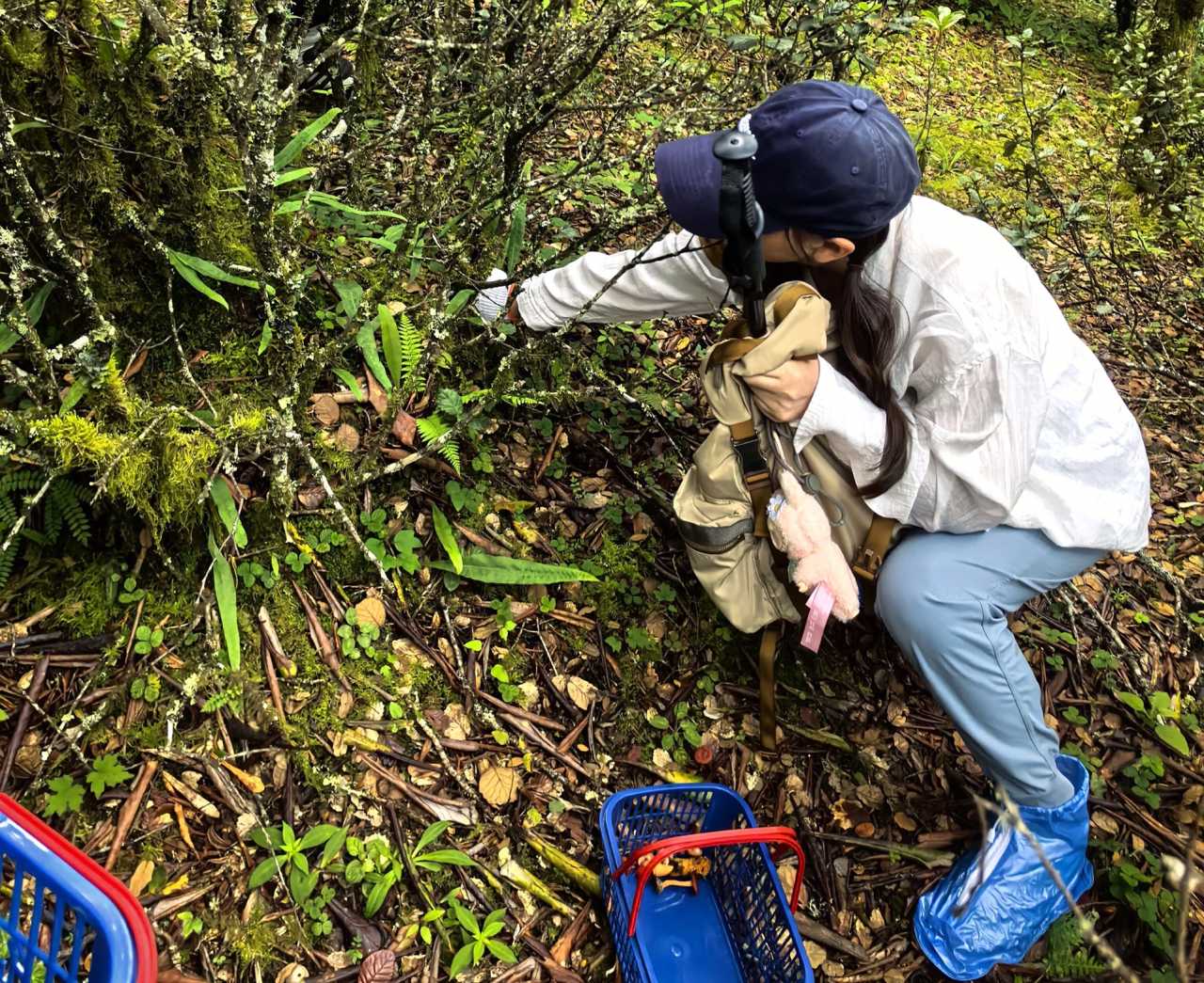
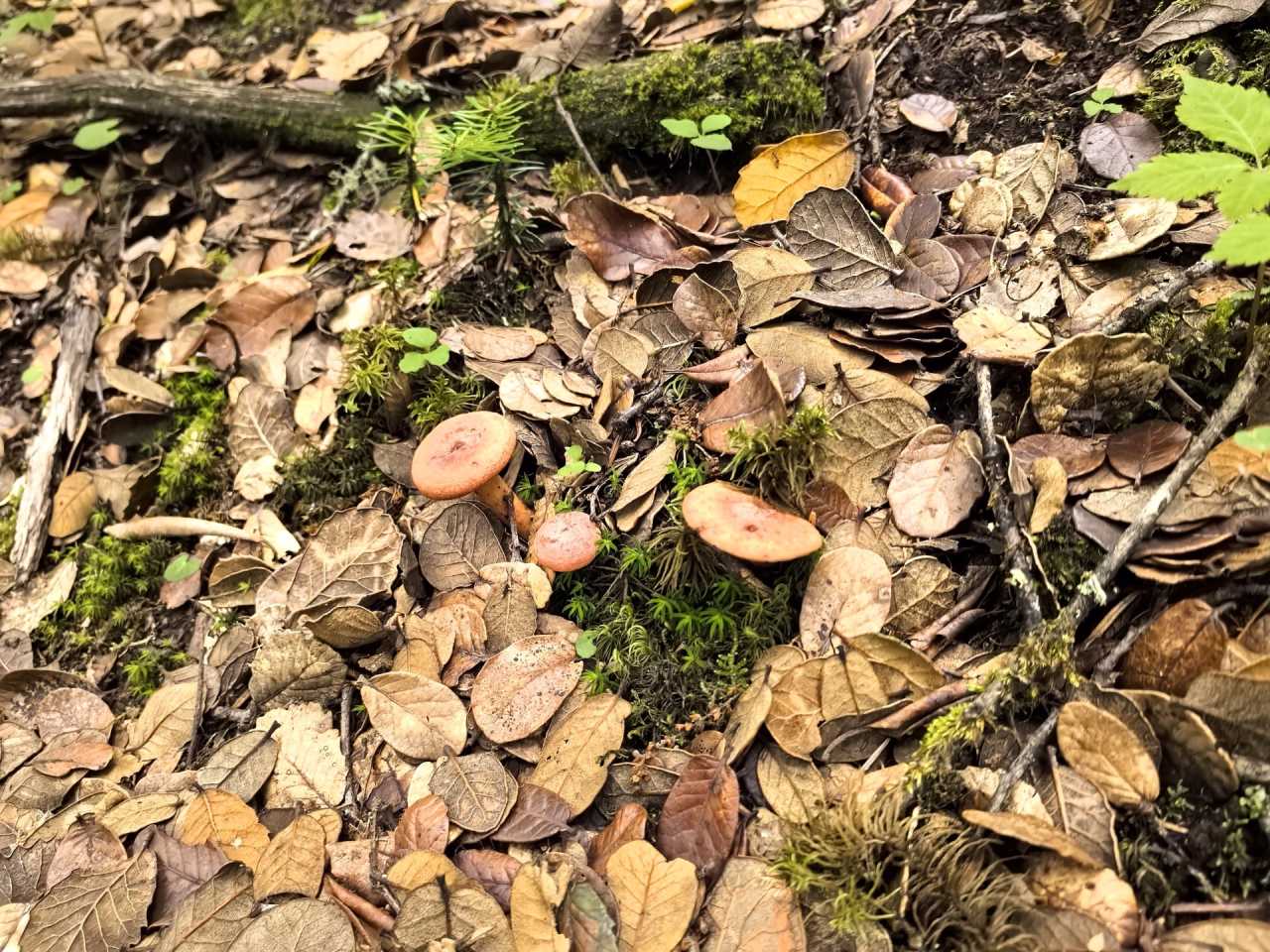
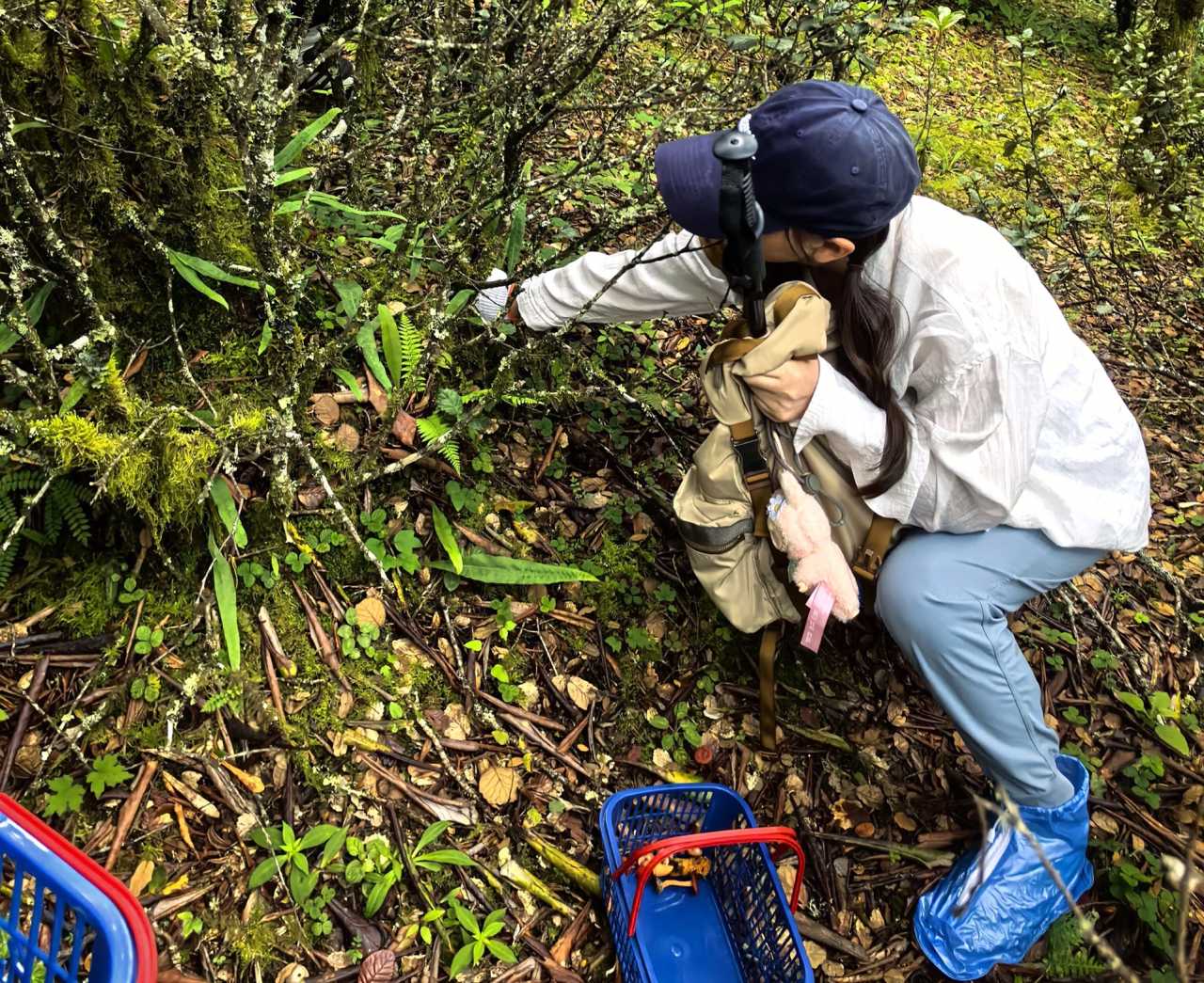
When we got off, the chill seeped through us, but walking soon warmed us up. The sky was overcast. Stepping into the forest, all we heard was the silence of the plants and the rustle of us parting the grass. The mushrooms seemed to know how to hide, their colors blending perfectly with dead leaves and withered grass. You had to bend down close to the earth to find them in some unexpected corner. They always grew in clusters, as if sharing little secrets with each other.
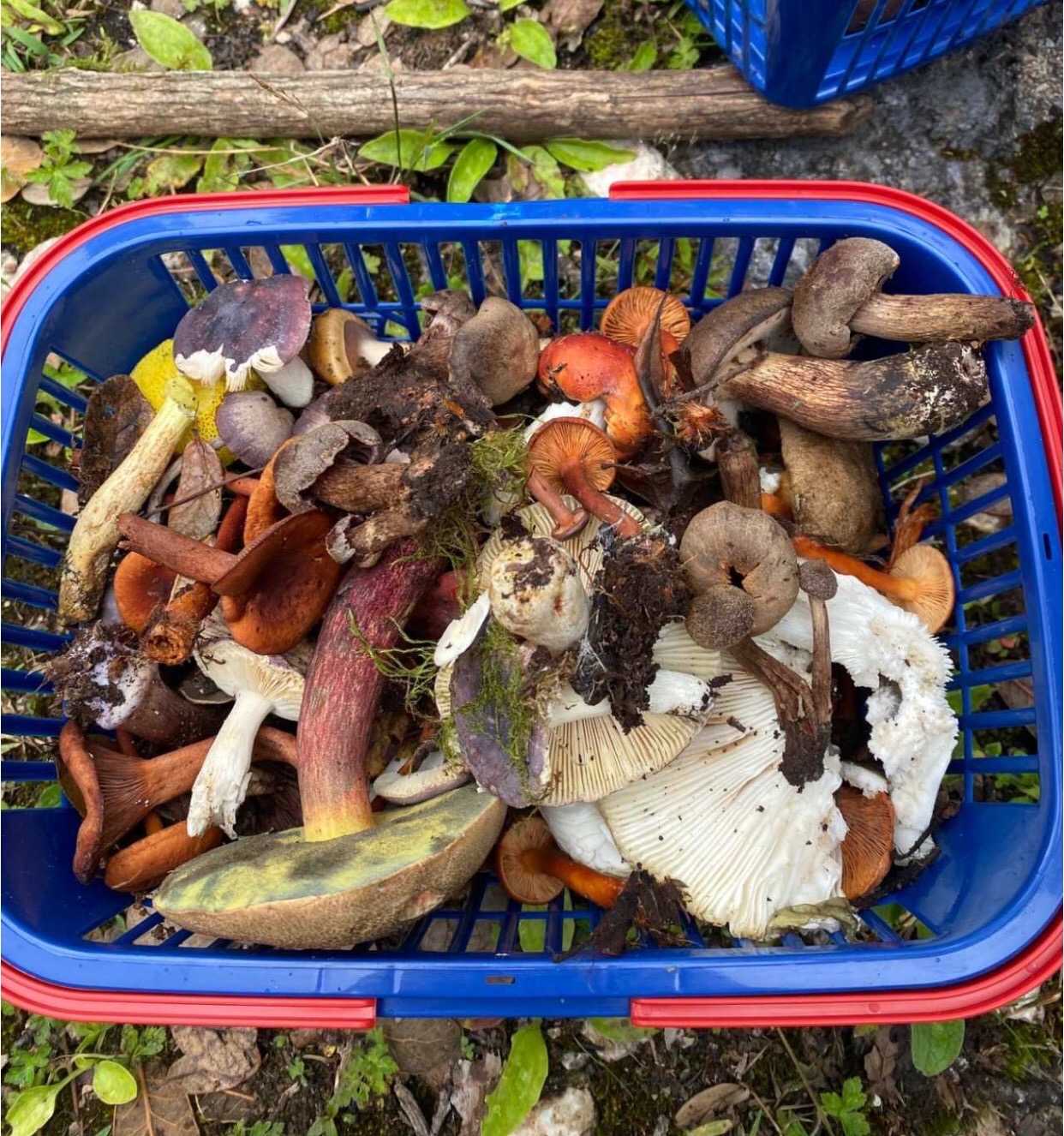
Rain fell without warning, then stopped just as suddenly, leaving tiny glimmers on the leaf tips. After hours of searching, we found only a few edible mushrooms. We picked some large porcini mushrooms (牛肝菌), which the locals called "hand-turning-blue" (见手青)—the moment you touched them, the flesh turned an eerie indigo, then faded just as quickly, leaving only a faint trace. Sometimes, doing something yields no reward; you follow the path of fate without knowing where it leads. But stubbornly chasing might lead you astray; stopping your anxious steps might let you encounter a different view.
On the way back, the bus started smoking from the back. We got off quickly and, bored, started throwing pebbles down the mountain by the roadside, watching the driver crawl under the bus to fix it. On the winding mountain road, no other cars came for a long time. Our return seemed uncertain. At that moment, I felt abandoned in the mountains, yet also felt one with this range. The sacred Jade Dragon Snow Mountain hadn't accepted us, but this nameless wild mountain caught my falling feather. Not asking where I came from, I just crouched by the roadside, letting the damp, cold mountain wind blow away the bitterness and the last traces of anxiety. In this rain-threatening mountain, I could still hear sunlight flowing through the leaves, see the full basket of wild gifts beside me—this was the most solid comfort of the trip.
The Old Town: So Lively It Feels Unreal
By three in the afternoon, we finally had a wild mushroom hotpot buffet. The mushrooms had to boil for a full half-hour to ensure they were safe to eat, and the waiter even took a small sample from the pot to test for poison. This ritualistic gesture only confirmed the mushrooms' "wild" identity. When we finally could eat them, their flavor was surprisingly mild, almost completely absorbed by the rich chicken broth. But chewing on the chicken bones at the bottom and eating the fried rice made with mushroom bits and mountain flavors left a lasting impression.
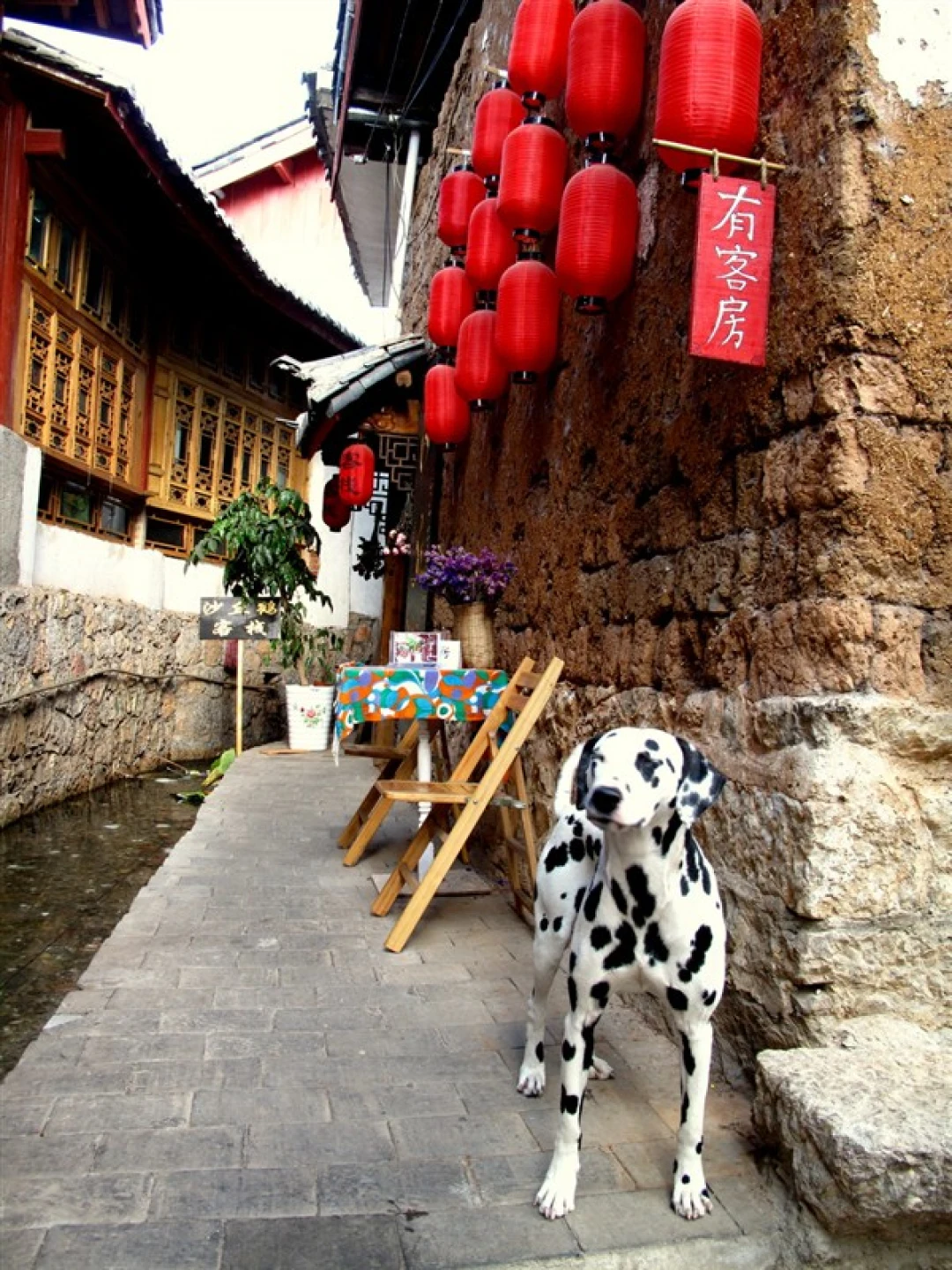
In the evening, we went to the center of Lijiang's old town. Once we hit the main street, people were everywhere. Shops lined both sides, staff practically pushing samples into pedestrians' palms. Sifang Street's ancient stones glowed under the lights. The big waterwheel creaked as it turned, humming an eternal song. The clanging of silverware from shops told the thousand-year story of the Naxi people. Music and guitar strings from second-floor bars mixed in. The whole town was a blur of noise and light, so lively it felt unreal—like a grand, distant old dream.
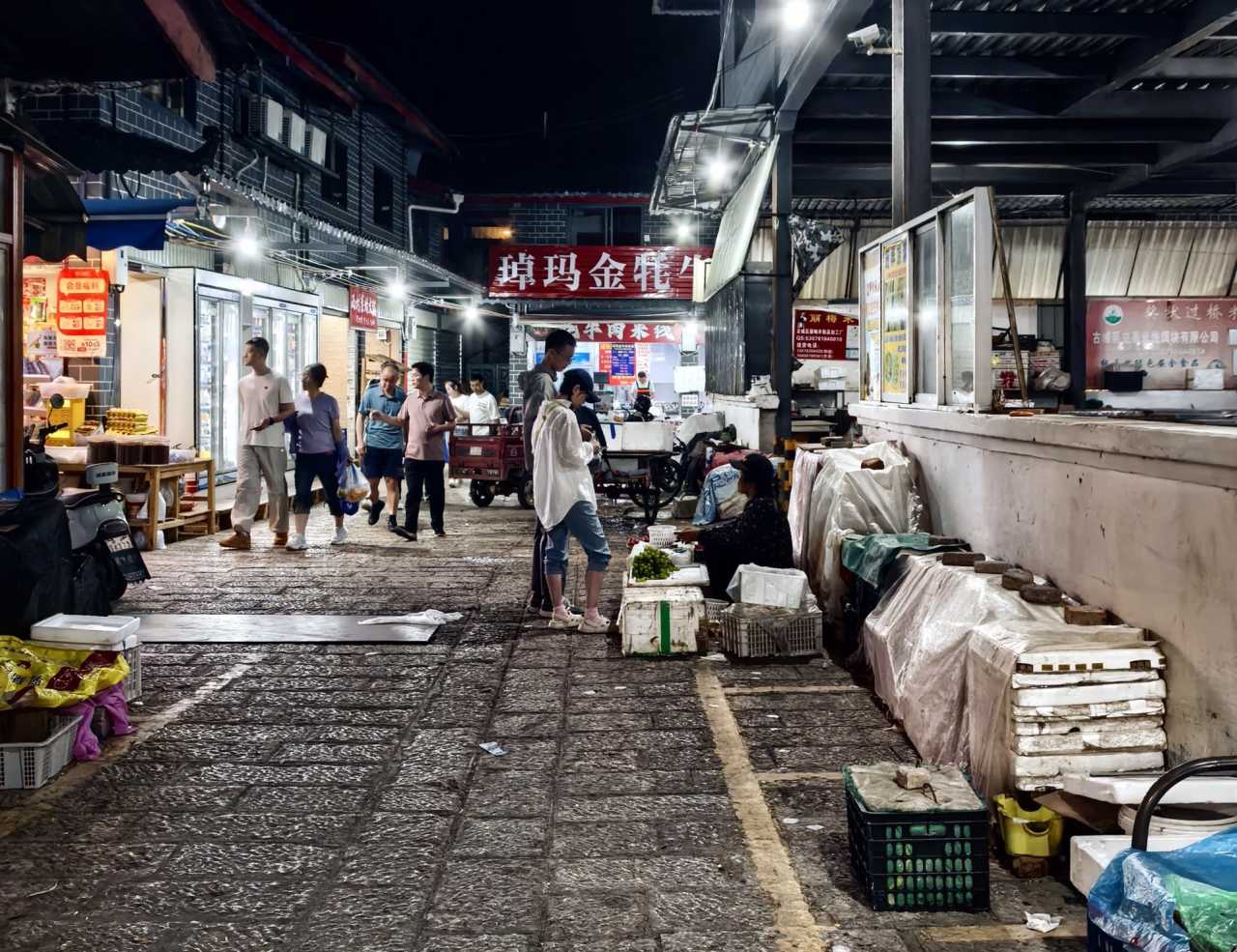
We found a quiet alley and ate a barbecue platter at a window bar. Listening to a young girl at the alley entrance hawking Naxi herbal packs, her voice growing tearful as no one bought any. Back at Zhongyi Market, we bought some fruit. The vendor, eager to go home, sold me a big bag of blueberries for 20 yuan.
Dali: Wind, Flowers, Snow, Moon, and Inner Echoes
Disappointment and Surprise by Erhai Lake
We took the train from Lijiang to Dali—a double-decker with hard sleeper seats used as regular seats, a first for me. The compartment was dimly lit. I stared at my calculus textbook, glanced at the pretty girl next to me, and three hours passed quickly. The train circled Erhai Lake. In the distance, the blue lake, against the vast sky, didn't seem so mysterious—just a big lake.
After getting off, we had the most expensive rice noodles of the whole trip near the station. For the first time, I understood what real crossing-the-bridge rice noodles (过桥米线) meant: a boiling pot of broth, rice noodles on the side, and a plate of raw meat with just a little of each. You had to put everything into the broth immediately, but the pork skin still tasted raw after soaking. The broth had a weird flavor and was way too salty—nothing like the chicken rice noodles in Lijiang. Maybe this place wasn't authentic enough. I was already looking forward to eating real crossing-the-bridge rice noodles in Mengzi.
By two in the afternoon, we arrived at our guesthouse near Longkan Pier. The room wasn't a sea-view one, but it had a big, comfortable living room. The guesthouse offered free afternoon tea—the strawberry soda was terrible, and there was a snack called "milk fan" (乳扇), which was probably the worst dairy product I'd ever had, barely swallowable.
Cycling Erhai: From Noise to Stillness
In the afternoon, I borrowed a free bike from the guesthouse and rode from Longkan Pier to Caicun Village. My parents, being lazy, rented an electric scooter and took turns riding it—100 yuan for a few hours, Dali really knows how to charge. The sun was scorching, but you had to get tanned anyway.
When I reached Caicun, I still didn't feel satisfied, so I kept going toward Panxi S-Bend. I didn't expect the ride to be so long. The guesthouse's cheap bike had a broken brake by the end. The road was packed with people, forcing me to slow down constantly. At S-Bend, I found the view wasn't anything special—just a bunch of people trying to trick tourists into paying for photos.
At dusk, the sun hung low in the sky, its light half-hidden by clouds, spilling onto Erhai's surface. Looking up, the high Cangshan Mountain looked down on the flowing "wind, flowers, snow, and moon" (风花雪月)—as if time had frozen, and the whispers of the Bai ancestors were having a silent conversation with the mountain wind and water waves.
I parked the bike by the ecological corridor, walked through a spruce forest along a wooden boardwalk to the lakeside wetland. At that moment, the noise of people and cars seemed cut off in another world. Erhai shed its daytime bustle and sank into a near-sacred stillness. This, perhaps, was another secret place gently cloaked by time in Dali, aside from sunrise.
Longkan Ancient Ferry: Echoes of the Heart
That evening, I went alone to Longkan Ancient Ferry. The ferry's design was very Bai-style: a white screen wall, a round archway. The platform extending into Erhai made you feel like you were standing in the middle of the water.
At that moment, the ancient ferry was unusually empty. Standing on the rough, uneven stone platform, I could almost see the rise and fall of Erhai's thousand-year fishing industry. Slowly shifting my gaze to the end of the platform, the black waters hid countless stories, gently lapping against the stone. Across the lake, lights twinkled. At that moment, I was transported back to two summers ago, standing by West Lake, the same scene. Back then, I was thinking about the interplay of love and hate, the fleeting passage of ten years. Maybe the story's beginning already knew its end. But now, standing on this ancient ferry, none of that mattered anymore.
The distant Cangshan Mountain blurred through my tears. Footsteps sounded behind me on the platform. Longkan Ancient Ferry at night probably didn't offer poetry or distant horizons—just an accumulation of inner emotions, again and again, swallowed and dissolved by the black lake water, until numbness set in, and I didn't know how to return. Passing through the round archway, I was back in the earthly paradise of music and song.
Xizhou: A Sigh at Over-Commercialization
On the fourth day, we rented a car to circle Erhai. Our first stop was Xizhou Ancient Town. More memorable than the town itself was the stuffed flatbread (饵饼) and soy milk I had that morning at a shop across from the guesthouse. The flatbread was stuffed with sour potato shreds. It was thick and a bit greasy, but the sour filling made it delicious—worthy of the shop's sign claiming it was "the best stuffed flatbread in Dali."
In Xizhou, almost every house had been turned into a shop, with poor management. This kind of over-commercialized ancient town had lost any value for visiting, especially compared to Lijiang. And that little train through the rice paddies—it moved slower than a person walking. The town had deliberately created a rice field just for people to take photos. What was the point? The Bai people's traditional residential culture and farming culture had been completely altered in this town. Xizhou's "joy" (喜) could only be interpreted as the opposite of sorrow.
Xizhou's prosperity was tied to the Ancient Tea Horse Road, and it became a trading town in the late Republic of China era. But as time passed, this prosperity seemed frozen decades ago. The great families disappeared, leaving only weathered old houses—things like "three courtyards with one screen wall" (三坊一照壁) and "four courtyards with five skywells" (四合五天井) had become mere historical exhibits.
In the afternoon, we went to Shuanglang Ancient Town, Wencun Village, and Lixiangbang on the eastern shore—mostly man-made photo spots. Deer Goose Mountain (鹿鹅山) was perhaps the only place on the eastern shore not swallowed by this kind of tourist photography. A simple Bai temple stood there, with a few Bai women burning incense and praying. We passed through the open space in front of the temple, and they stared at us. Standing on Deer Goose Mountain, looking at Erhai, had a unique charm.
In the evening, we went to Dali Ancient Town, walking from the South Gate to Cangshan Gate. It wasn't as lively as Lijiang, but you could climb the city gates and walls for free, and from there, you could see almost the entire ancient town.
Fuxian Lake in Chengjiang: The Heaviest Rain, the Bluest Lake
A Bedraggled Arrival
We got up early and took a bus to the train station, then a two-hour high-speed train to Kunming. Without time to see the Spring City, we took the metro to the Southern Bus Station. With over an hour before departure, we dragged our suitcases and umbrellas through the rain, constantly rushing—Kunming, you made me feel bedraggled.
The huge bus station was nearly empty and desolate. In the waiting area, rows of massage chairs sat silently, their dark gray leather and worn edges silently telling of past crowds and present forgotten loneliness. White lights hung under the high ceiling, but instead of dispelling the gloom, they made the vast space feel even colder and more alienated.
We searched among the empty buses for one going to Chengjiang. When we climbed aboard, we were surprised to see a few other tourists. This was the only public transport from Kunming to Chengjiang, and the bus was full before departure.
Fuxian Lake's Two Faces
Fuxian Lake—just the name, without any extra imagination, made you feel like you were in a fairyland. Originally formed by vertical crustal movements creating a fault basin that filled with water, the lake held an astonishing amount of water, several times deeper than Erhai.
The lake's surface was very weather-dependent, with two faces. On sunny days, the water shifted from glassy near the shore to deep indigo in the distance. On cloudy days, the lake and sky merged into a single gray expanse. Staying there for two days, I saw both faces.
From Chengjiang Bus Station, we took a taxi to a guesthouse in the Lucheng Scenic Area on the west shore. The guesthouse manager was also from Jiangsu and kept urging us to eat the fruit on the table. The main attraction in Lucheng was climbing to a high vantage point to see the lake. We climbed Brush Holder Mountain (笔架山) and visited Guanyin Temple. From above, we saw Fuxian Lake's gray surface. In my dreams, Fuxian Lake was probably supposed to be gray—veiled and elusive, making it hard to see the immortal palaces within.
The rain gradually intensified. We sat by a coffee shop window by the lake and ate something. The fine rain stopped, and the damp, cool air drifted through the ancient trees by the shore, bringing me back to an autumn years ago.
In the evening, we ate copper pot fish (铜锅鱼). We picked a local snow fish from the restaurant's tank—the smallest one weighed over two jin (about 1 kg). The fish was lively and jumping when we caught it; the shopkeeper had to hit it several times before it stopped moving. After the copper pot fish was stewed, only a little salt and a whole cilantro sprig were added. But they put too much water in the broth, so even the fresh fish didn't make the soup particularly tasty. The three of us devoured the fish, dipping it in chili—absolutely satisfying.
The Gift of Azure
I had considered that July in Yunnan would bring a long rainy season, but I didn't expect the rain to leave so abruptly, giving us a whole morning of azure Fuxian Lake.
In the morning, we went to the Moon Bay Scenic Area on the opposite shore. With our tickets, we could rent tandem bikes and ride around Moon Bay again and again. The large lavender fields there were also quite beautiful.
They say the Hilton at Fuxian Lake has the best scenery of any Hilton in China. No one stopped us when we entered the lobby, so we went to see the lake view from behind the hotel. Descending the lobby steps, a small path led straight to the shore. The lake water was indeed clear. The pebbles on the shore, polished by years of lake water, were like countless tiny mirrors, reflecting and refracting sunlight, giving the water a translucent blue-green hue. The water was as clear as melted glass, lapping against the pebble beach.
The copper pot potato rice (铜锅洋芋饭) we had for lunch was a must-eat dish at Fuxian Lake. Yunnan's potatoes are famously fragrant and starchy. With a bit of cured meat's subtle saltiness, it was so good I ate two bowls.
Jianshui: Searching for "That China"
Tea and Dusk at Twilight
In the winter of 2015, writer Yu Jian brought Belgian Sinologist John M. to a small Yunnan town—Jianshui. After decades studying Chinese culture, John M. sighed deeply: "The China I've been searching for all my life is right here." This is the opening of Yu Jian's book "Jianshui Notes" (建水记). I had read the fourth chapter countless times and didn't want to recall it anymore. Coming to Jianshui, I just wanted to participate, as a participant, in the details of Jianshui's life.
I got out of the ride-share car from Fuxian Lake at the Xiaoxizhuang intersection of Jianshui's old town. The guesthouse owner picked us up and led us through winding, quiet alleys, where the old town's noise was instantly cut off by the cobblestones and mottled earthen walls. Sitting on the sofa in the tea room, I mooched some of his Pu'er tea. Sure enough, he ran a teapot shop. The tea he brewed himself, with exquisite pots and meticulous methods, was sweet—completely different from my usual haphazard brewing in a glass cup. I praised his tea leaves and mooched a few more cups. And so, two strangers from different corners of the country sat in that small tea room, watching the daylight outside sink inch by inch into the eaves. Sitting alone in the twilight, kneading time and steeping it in tea—this was the Jianshui philosophy of living. It was also my first impression of Jianshui.
Steam Pot Chicken and Grilled Tofu: The Old Town on the Tongue
All the attractions in Jianshui's old town required extra tickets, so in the evening, we only strolled along Lin'an Road, the main street, and some branching alleys. The main street shops mainly sold purple clay wares and cheap clothes, with few tourists venturing inside. The whole street was much less lively than any of the previous old towns we'd visited.
Turning into Hanlin Street, the crowd suddenly thickened. Restaurants lined up one after another. Several dark brown clay steam pots were stacked together, with small flames quietly burning beneath them. The aroma of steam pot chicken (汽锅鸡) gradually wafted out. They say each pot of this chicken must simmer over a low flame for two hours to achieve its true flavor.
We went to a highly-rated restaurant for steam pot chicken. An elderly Yi woman at the entrance was grilling tofu over a charcoal fire, not caring that a fly kept landing on it. Grilled tofu (烤豆腐) is a famous Jianshui dish. I took a small plate and sat at a table by the stove, pouring out the special dipping sauce and eating the tofu. The tofu cubes burst between my lips and teeth—the skin was perfectly crispy, the inside as tender as custard. A faint salty fragrance mixed with charcoal aroma spread through my mouth. This stuff had a magic that made you eat one piece after another. If it weren't so hot, I couldn't have stopped my chopsticks. But what was most memorable wasn't just the tofu's flavor—it was the feeling of sitting alone with the elderly woman in the old town's dusk, guarding this small stove. The smoky aroma of the tofu, the pungent dipping sauce, and the accumulated cooking smoke of the old alley flowed together in the fading light.
This restaurant's steam pot chicken had so little broth it only covered the bottom of the pot. Scooping up a spoonful, the freshness was pure—it was indeed the original juice condensed from steam, without any added water. The stir-fried grass sprouts (清炒草芽) on the side, a local specialty, were also tender and fresh, with a slight earthy taste, which paired well with the chicken to cut the grease.
Tuanshan Village: Real Life and Smoke
Jianshui's Swallow Cave (燕子洞) is located in the Lujiang River Valley, over 20 li east of the county. It's famous for its colony of millions of swallows and as Asia's largest karst cave. A red river wound into the cave, having developed in the upper valley rich in red soil, carrying large amounts of red minerals that gave the river a unique brownish-red color, looking a bit like muddy sludge. It was the rainy season in Yunnan, and the river was near its peak. The boats returning from deep inside the cave had stopped running, so we had to go back the same way we came.
In the afternoon, we went to Shuanglong Bridge Park. The ancient seventeen-arch bridge lay like a sleeping dragon across the mirror-like lake, exuding a quiet charm. From there, we took bus No. 19 to the terminus of the narrow-gauge tourist train—Tuanshan Village. The bus sped along country roads, the wind carrying the wild smell of soil and grass into the compartment. This bumpy, lively feeling was completely different from the orderly city bus experience.
Tuanshan is a typical southern Yunnan Han Chinese immigrant village, with many well-preserved traditional houses. Entering through the village gate, the blue-stone alleys were like a time tunnel, instantly taking you back to bygone days. The walls, slightly mottled by the afternoon sun, turned a warm yellow, as if singing an ancient song. The old houses, after over a hundred years of wind, sun, and the smoke of generations, still exuded a strong sense of life.
The main reason I loved Tuanshan Village was that it still had a thick atmosphere of everyday life. Every courtyard still had original residents living inside. As a tourist, you could become an observer of others' lives, freely entering any villager's home. The only sign of commercialization might have been the fresh juice stall by the street—pomegranate juice for 10 yuan a cup, without a drop of added water. I loved this kind of unvarnished authenticity.
As Albert Camus wrote in "The Almond Trees": "Happiness need not be eternal, only real."
Epilogue: Glimmers Between Mountains and Seas
From Lijiang to Jianshui, I traveled through old towns, wild mountains, lakes, and villages. The awkwardness in the mushroom forest, the tears by Erhai Lake, the azure of Fuxian Lake, the tea fragrance of Jianshui's dusk—all became scattered fragments in my memory. But pieced together, they formed a picture of authenticity and seeking.
What Yunnan taught me wasn't how to reach a destination, but how to be on the road—hearing sunlight flow through leaves in a rain-threatening mountain, letting tears be swallowed by lake water in the night at an ancient ferry, feeling unadorned life in Tuanshan's alleys. These tiny moments—like the glimmer on a mushroom's tip, the glassy blue of Fuxian Lake, a cup of Pu'er tea in Jianshui's dusk—slowly settle, ferment, and eventually become the most solid comfort in the heart.
If you want to go to Yunnan, here are some practical tips:
- Lijiang: The half-day mushroom foraging trip is an unexpected gem—ask your innkeeper to book it. Zhongyi Market's mushroom paste and the night market's mushroom chicken soup are worth trying. The main street of the old town is over-commercialized; find a quiet alley to sit in instead.
- Dali: Longkan Ancient Ferry at dusk and night is especially peaceful, perfect for solo contemplation. Xizhou Ancient Town is over-commercialized; spend your time on the Erhai ecological corridor instead. Watch out for overpriced bike rentals and roadside photo scammers.
- Fuxian Lake: Go on a sunny day to see the most beautiful glassy blue. Copper pot potato rice and copper pot fish are must-eats. Moon Bay Scenic Area is great for cycling, and the sea view behind the Hilton is free to visit.
- Jianshui: Steam pot chicken and grilled tofu are soul foods, but choose highly-rated restaurants. Tuanshan Village feels more authentic than Jianshui's old town—take bus No. 19 there. The narrow-gauge tourist train is popular but not great value.
Finally, go with an open heart. Authenticity comes from opening your senses and experiencing every moment—whether awkward, lost, surprising, or peaceful. Between the mountains and the sea, there's always a glimmer waiting for you.
You should also read:
Yunnan Travel Mastery: From Beginner to Pro-Level Player – A Complete Guide
Yunnan Travel Mastery: From Beginner to Pro-Level Player – A Complete Guide "Either travel or read, but your body and soul must be on the road." This quote has been repeated countless times, but very few people truly manage to be "on the road" and…
Continue reading...
Escaping Nanning, Falling Under Lijiang's Spell: Our Four-Person, Ten-Day Yunnan Dream
Escaping Nanning, Falling Under Lijiang's Spell: Our Four-Person, Ten-Day Yunnan Dream Before We Set Off: No Pain, No Obsession Have you ever had that impulse—suddenly tired of the office fluorescent lights, the crush of the subway, the endless parade of identical takeout boxes, and just…
Continue reading...
God’s Abandoned Palette: A Self-Drive Journey Through Yunnan’s Dongchuan Red Land
God’s Abandoned Palette: A Self-Drive Journey Through Yunnan’s Dongchuan Red Land Travel has never been about reaching some distant geographic coordinate. It’s about encountering, along the way, the version of yourself buried beneath the rubble of daily routine. During this May Day holiday, I finally…
Continue reading...