Yunnan Unveiled: Discovering Joy on Lesser-Known Routes in Southeast Yunnan
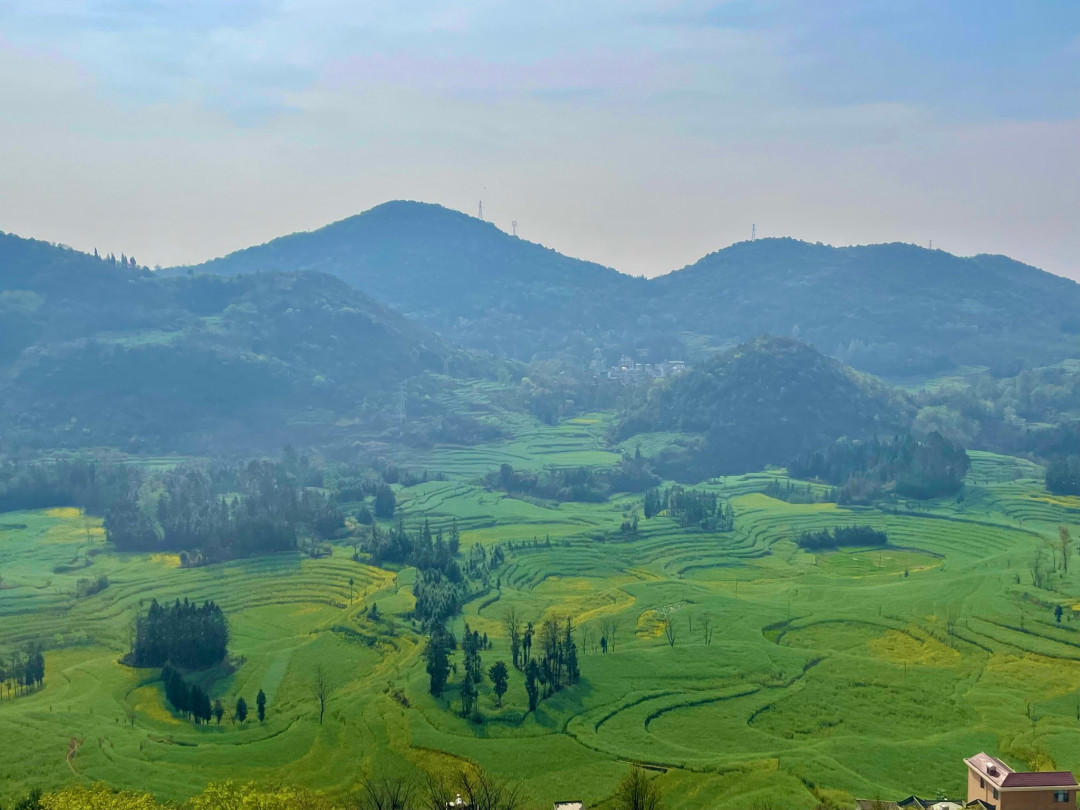
Yunnan Unveiled: Discovering Joy on Lesser-Known Routes in Southeast Yunnan
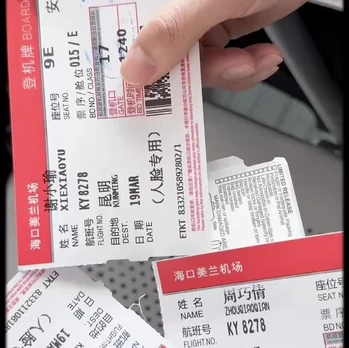
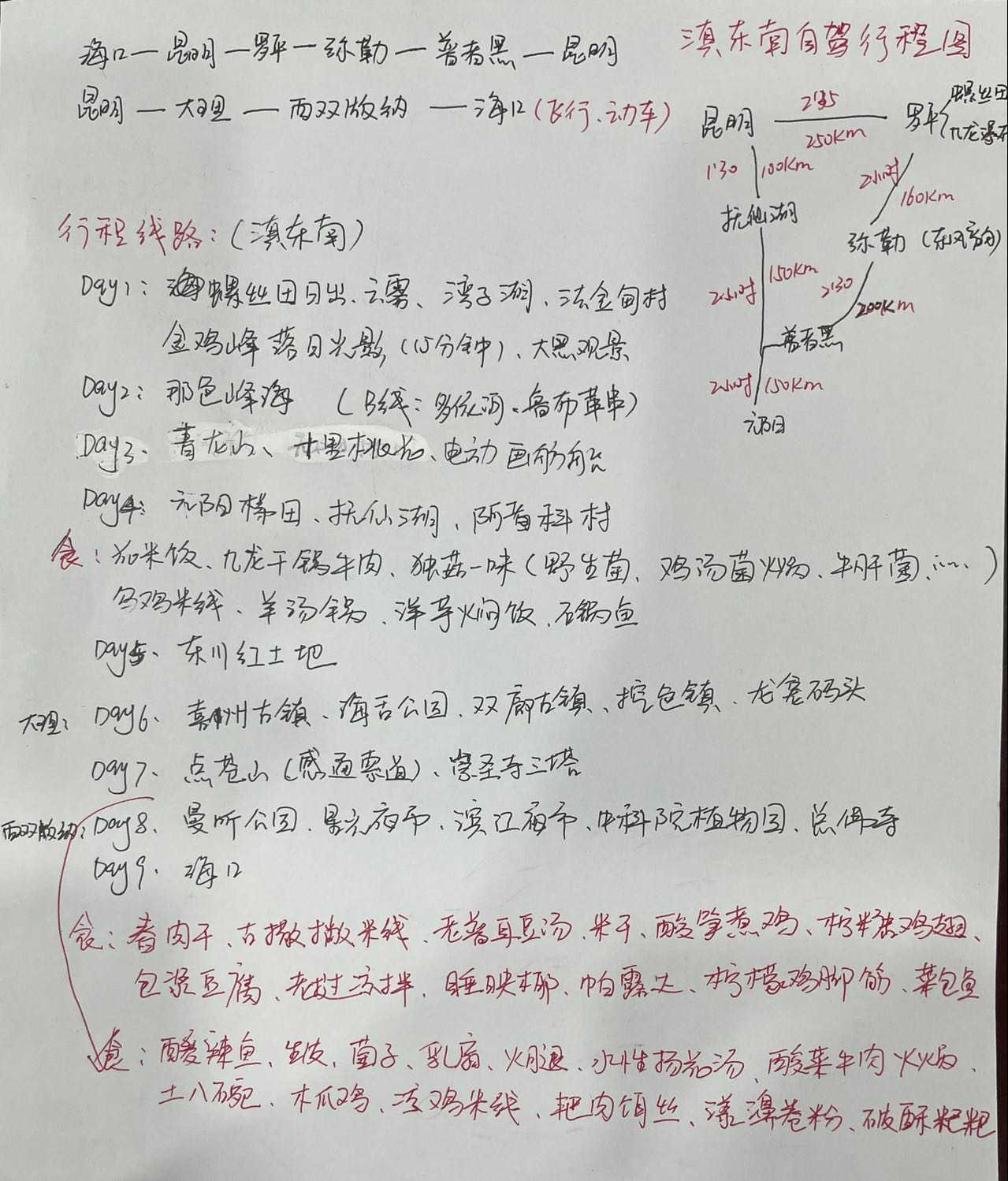
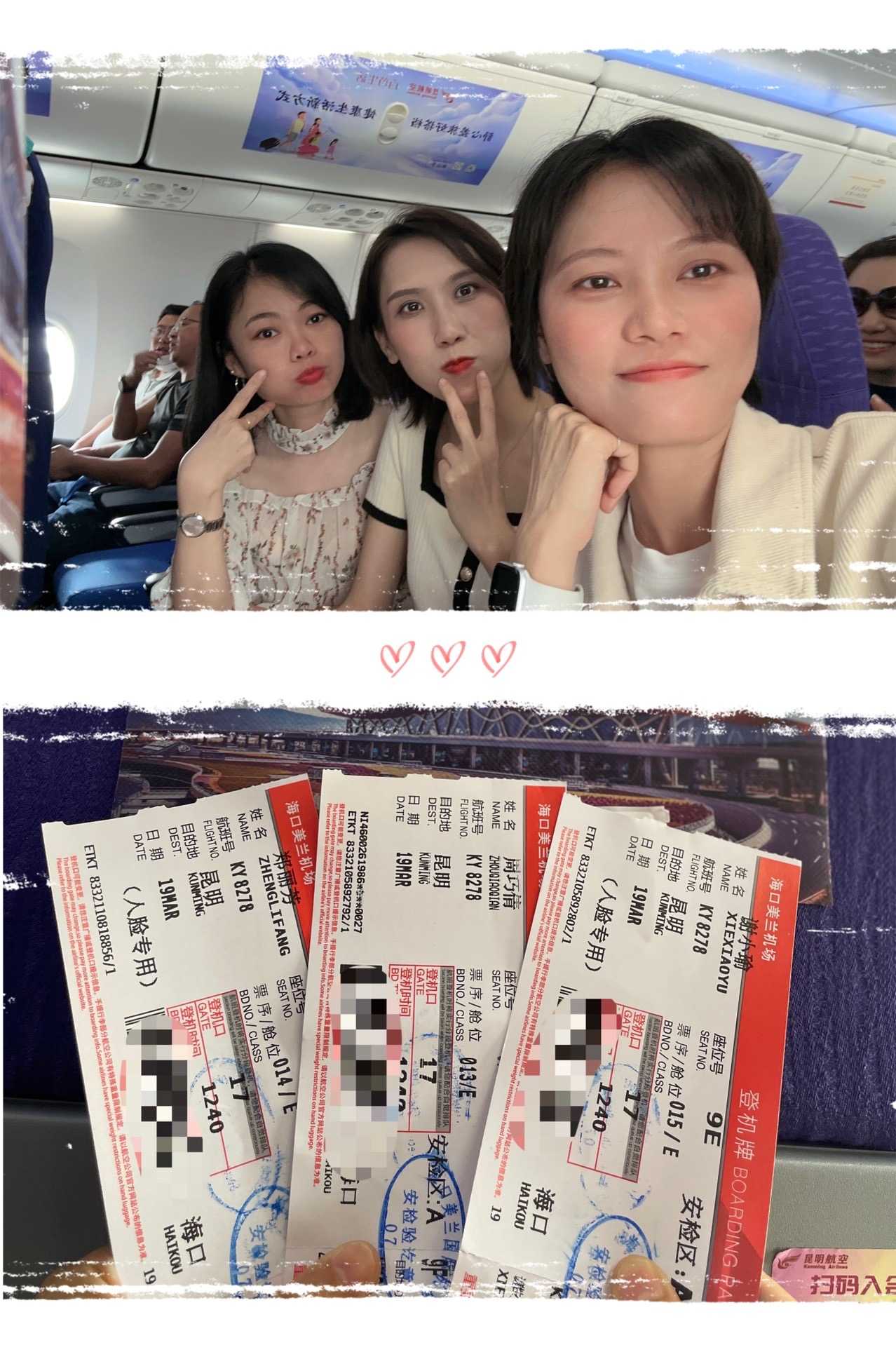
The moment our plane touched down at Kunming Changshui Airport, my two travel companions and I couldn't wait to hit the road toward Luoping. The scenery outside the window gradually shifted from towering city buildings to rolling hills, and the air already seemed tinged with the fragrance of rapeseed flowers. Our mission was clear—to uncover those little-known sources of joy in southeastern Yunnan, to dodge the crowds, and to discover the truest face of this province.
Luoping: "Strange Circles" and Surprises in a Sea of Rapeseed Flowers
First Stop: The Sunrise Chase at Golden Rooster Peak
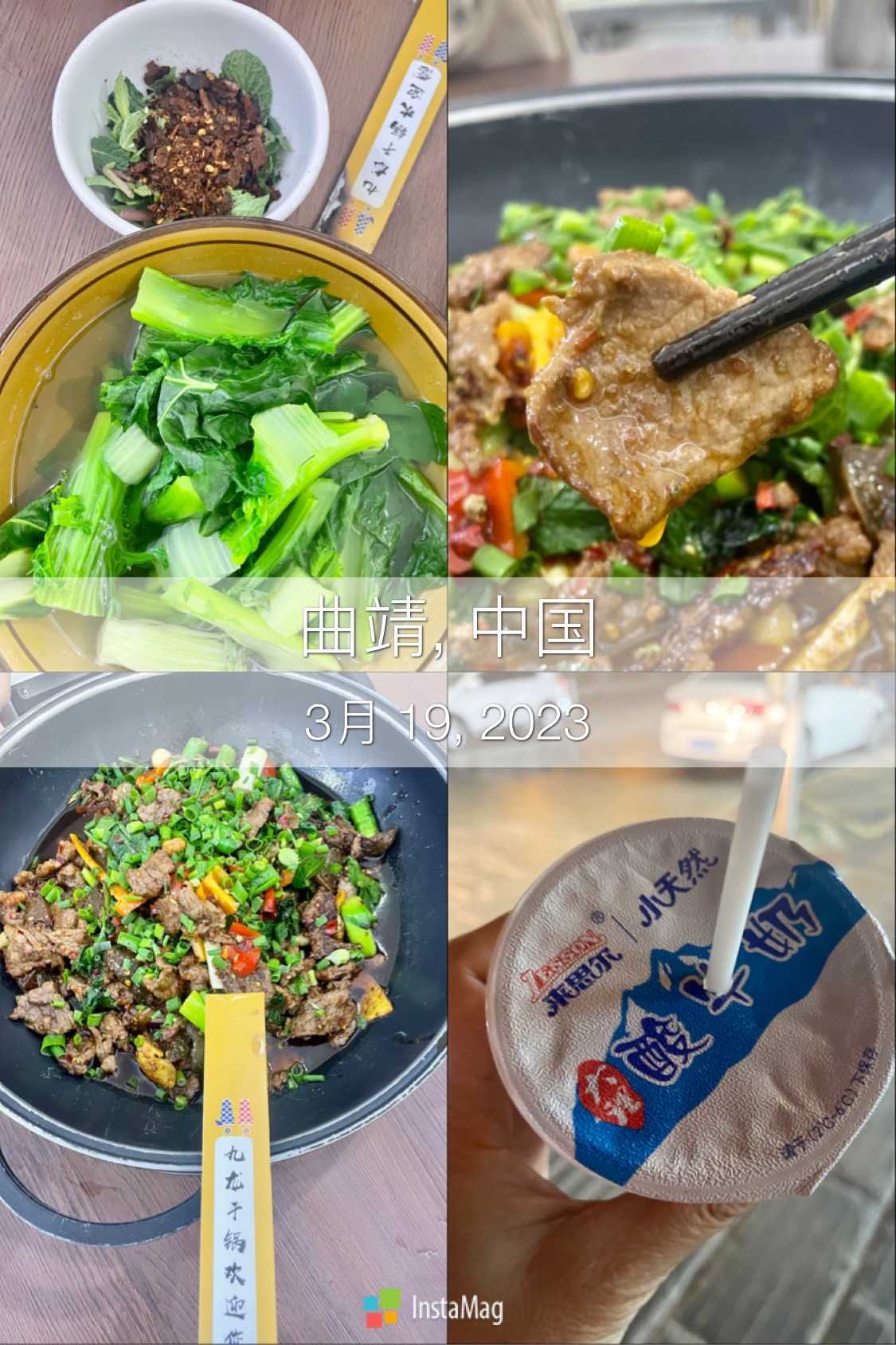
Upon arriving in Luoping, our first move was to head straight for the locally recommended Jiulong Dried Pot Beef Restaurant (九龙干锅牛肉). The ordering method here was quite amusing—the owner didn't ask how many pounds you wanted, just how many people you were, then neatly arranged the portions. The beef was tender and juicy, but the dipping sauce was unusual, carrying an indescribable bitter-spiciness. It felt strange at first, but the more you ate, the more addictive it became.
The next morning, aiming for sunrise at Golden Rooster Peak (金鸡峰丛), we set out before dawn. Not only did we take the wrong direction, but we also fell for a tout's trick and got ripped off for thirty yuan. A word of caution: never trust those minivan touts—even if it's just a hundred meters, getting in costs you ten yuan. Stick with the open-air tricycles instead; they have clear pricing, saving you both hassle and worry.
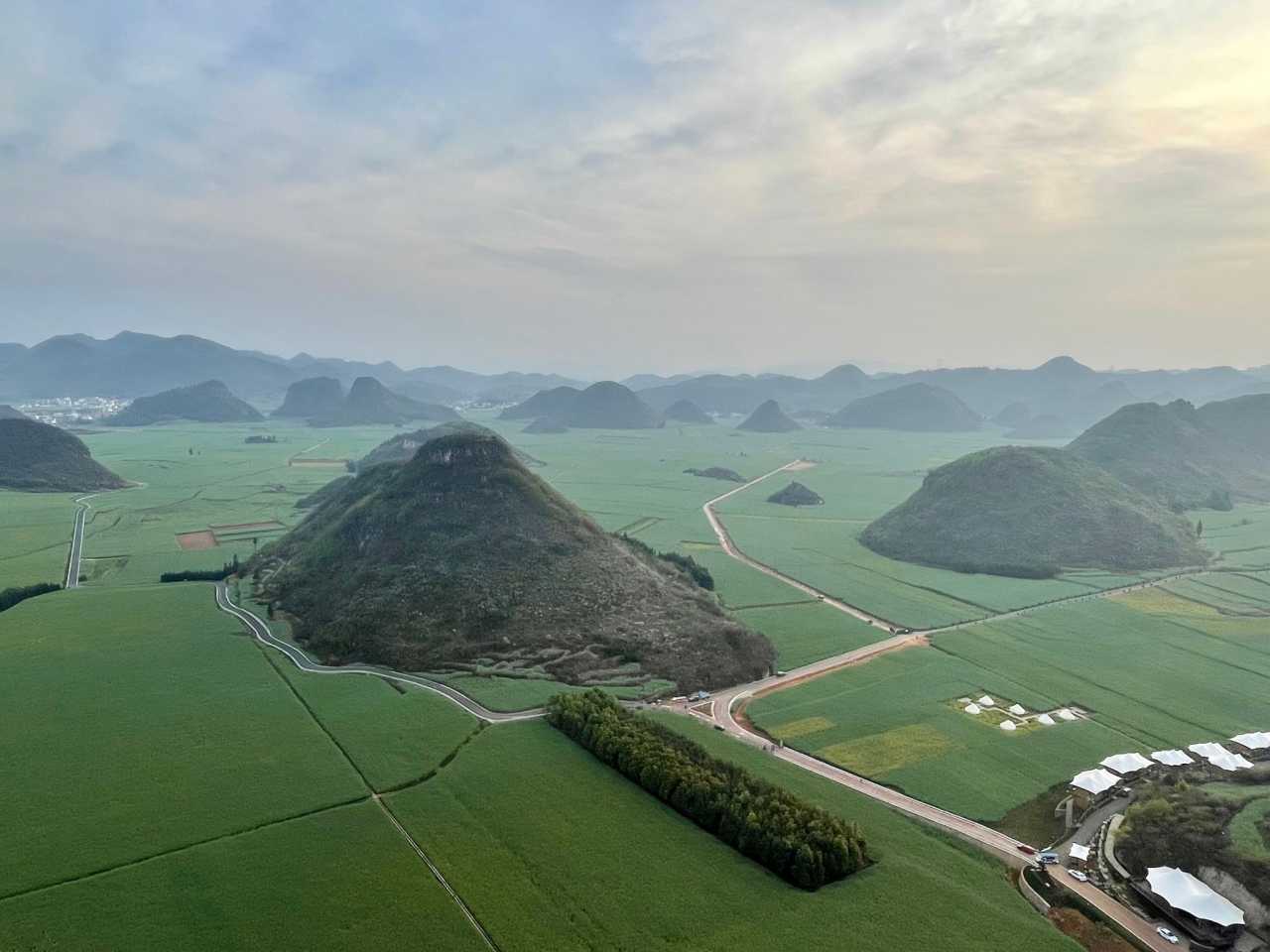
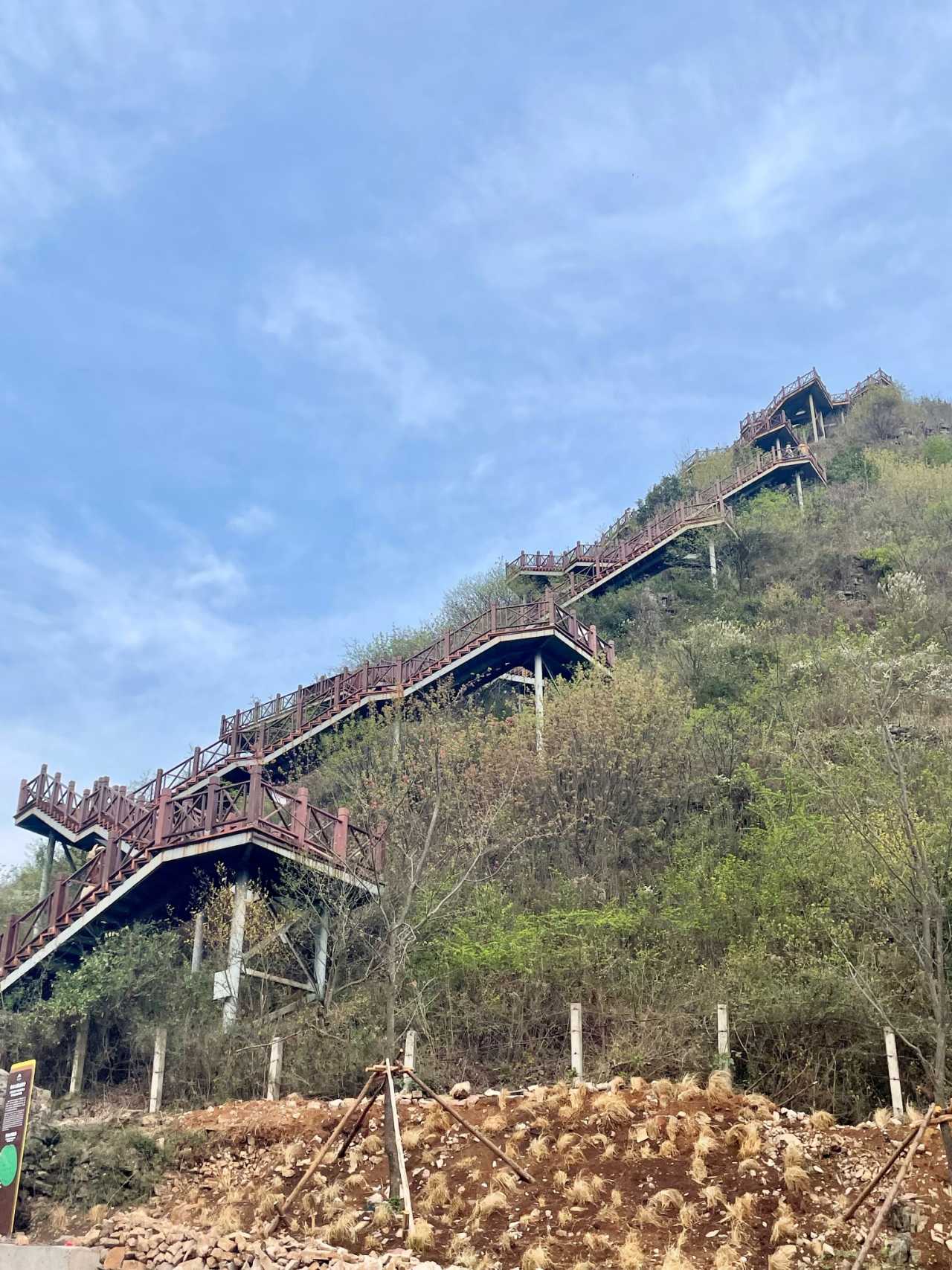
Golden Rooster Peak was once named "China's Most Beautiful Peak Cluster" by Chinese National Geography, and it's widely regarded as the top spot for rapeseed flower viewing in Luoping. We arrived before six and sprinted to the summit. My two companions were already nowhere to be seen, and I was leaning on the railing, gasping like a dog. Unfortunately, the clouds were too thick, completely blocking the sunrise. But even so, those cone-shaped peaks of all sizes scattered across the endless sea of golden flowers were still as beautiful as a walking oil painting.
Snail Field and Majie: Two Faces of Rapeseed Flowers
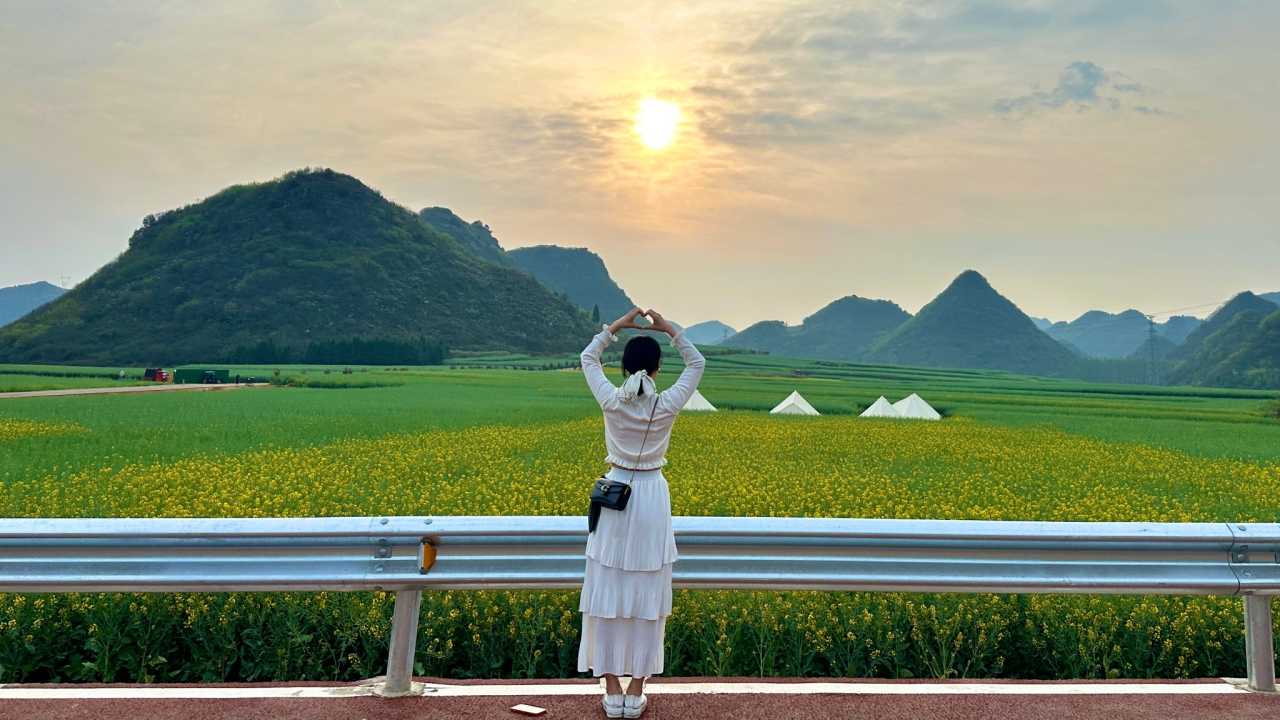
The "Snail Field" (螺丝田) at Niujie was what drew us in after seeing a photo online. Locals said that coming a week earlier would have treated us to a brilliant golden expanse. But what we saw were terraced fields in yellow and green—the rapeseed flowers had already started to seed, with green and yellow intertwined, creating even more depth. These spiral-shaped terraces, formed by a karst funnel landscape, looked from afar like the threads on a screw. No wonder they're called "strange circles."
The rapeseed terraces at Majie Village (马街村) gave us another surprise. The road to Majie was narrow and winding, the mountain switchbacks dizzying, but the local customs and scenery along the way made us forget the fatigue. The rapeseed flowers here bloomed later than elsewhere, and when we arrived, vast fields were still a brilliant gold. If you've had your fill of the golden hues in Luoping's main scenic areas, come here for a different take on terraced flower fields.
Why Is Luoping's Spring "The Most Beautiful in the World"?
In 2002, Luoping's ten-thousand-acre rapeseed flower sea was awarded the title of "World's Largest Natural Garden" by the Shanghai Great World Guinness Headquarters. Today, the rapeseed fields here cover nearly one million acres. In 2010, Luoping's spring was named "The Most Beautiful Spring in the World" by Global Human Geography. In 2015, it was selected by the Huffington Post as one of the world's "Eight Most Colorful Places." And in 2019, a BBC documentary Earth from Space introduced Luoping to the world in an eight-minute segment.
Practical Tips: Luoping's rapeseed flowers enter their blooming period in February each year, with the best viewing time from late February to late March, peaking in mid-March. We arrived a bit late—large fields had already turned green. Only Majie had a relatively later bloom, but the roads there are indeed challenging.
Mile: An Artistic Utopia in Red Brick Castles
Driving from Luoping to Mile, our first order of business was to treat ourselves—sour bamboo shoot beef, red wine roasted pork neck, stir-fried Bauhinia flowers, and cold-mixed rice rolls. Every dish was satisfying.
The Dongfengyun Art Town (东风韵艺术小镇) is Mile's highlight. This utopia built from red bricks used not a single steel bar or nail. The Kaleidoscope Art Museum (万花筒艺术馆), Half Cloud (半朵云), Niu Duo Luo Music Farm (牛哆啰音乐农庄), and Seal House (印章房)—these oddly shaped, endearingly ugly buildings stand out vividly against the blue sky and white clouds.
The design of the Kaleidoscope Art Museum was inspired by artist Luo Xu's childhood memories. As the sunlight shifts angles, the light inside the museum reveals different shades of beauty. The "Bodhi Thought" installation art on the walls complements the Bodhi tree concept, resembling tree roots or leaf veins, silently observing the passage of time.
Mengzi: A Feast of Crossing-the-Bridge Noodles and the Splendor of Bise Village
In Mile, we devoutly paid homage to the Grand Mile Buddha (弥勒大佛), praying that my girlfriends would soon become wealthy enough to support me. We also tried the legendary "Mile Ice Pop" (弥勒冰棒)—which turned out to be just frozen glutinous rice. The taste was average, but it was all about the nostalgia.
Mengzi's Crossing-the-Bridge Noodles (过桥米线) were a true feast. A bowl larger than your face, accompanied by dozens of small dishes of ingredients—even before eating, you feel a sense of "I'm the king of the world." The noodles are the foundation, the broth is the soul, and the assortment of toppings is the lifeblood. Every bite is pure satisfaction.
Bise Village (碧色寨) is an important station on the Yunnan-Vietnam Railway, designed and built by the French. In 2017, the film Youth (《芳华》) was shot here, evoking memories of the 1950s and '60s for countless people. When we arrived at noon, eating a bowl of Crossing-the-Bridge Noodles on the platform felt like traveling back to that era of youthful splendor.
Jianshui: The "Ceiling" of Barbecue
Jianshui was an unexpected delight—it wasn't in our itinerary or our plans. But its grilled tofu and barbecue have left me thinking about them ever since.
Grilled tofu stalls are everywhere in the streets and alleys: a few people gathered around a small brazier, with square-inch pieces of tofu grilling on an iron rack until golden brown, ready to be picked up and eaten. This type of small stinky tofu smells pungent but tastes delicious, with a golden skin, tender interior, and a soft, chewy texture.
Jianshui barbecue is the crown jewel of Yunnan's barbecue scene. I can say without hesitation that this is the best barbecue I've ever had, bar none. Whether it's grilled meat, insects, or vegetables, everything exudes a sense of care and precision. Braised chicken feet and grilled pig brain are my favorites, while the sweet rice wine is refreshingly sweet, like eating glutinous rice jelly.
Jianshui purple pottery (建水紫陶) is also renowned far and wide. The ancient town has a simple, honest local culture, reasonable prices, and absolutely no discrimination against outsiders.
Ant Workshop: A Fantasy World of Hollow Bricks
Ant Workshop (蚁工坊) is another masterpiece by Yunnan's eccentric artist Luo Xu. Using hollow bricks, he built a white palace, a pink space, towering spires, and circular corridors. Sunlight filters through the hollow bricks, casting dappled shadows, and the macaron color scheme is filled with romanticism. Luo Xu once built "Aboriginal Nest" (土著巢) in Kunming, designed "Dongfengyun" in Mile, and created "Ant Workshop" in Jianshui—how powerful can one person's artistic creativity be? Come here and you'll know.
Yuanyang: A Poetic Play of Light and Shadow on the Terraces
The journey to the Yuanyang Hani Rice Terraces (元阳哈尼梯田) was unforgettable—three hours of winding mountain roads to get there, and five hours on the expressway to return. But as long as the car could take us, nothing could stop us.
In the early morning, the terraces reflected the glow of dawn, creating a dreamlike, transparent play of light. Misty seas rolled, terraces stirred, and the world before us looked like a flowing painting. I especially recommend the scrambled eggs with tree flowers (树花炒鸡蛋)—though I still don't know what tree flowers are, they were absolutely delicious. In Yunnan, no flower is off the menu.
Jingkou Village: A Model of Earth Sculpture
Jingkou Village (菁口村) is a magical place. Simple land has been transformed into artistic prints. The Hani "mushroom houses" peek in and out of the mountains, and the terraced clouds and mist blend seamlessly with the ancient dwellings. This place truly deserves its reputation as a "model of earth sculpture," leaving you in awe while also offering the comfort of simple, honest folk customs.
Xishuangbanna: The Gap Between Ideal and Reality
We had high hopes for Xishuangbanna—its Dai name means "an ideal and magical paradise." But reality hit us hard.
We encountered an earthquake, and the high-speed train was delayed by three or four hours. We arrived after midnight. The street-stall barbecue didn't quite suit our taste, especially the bowl of mint and egg soup.
The next day, we slept in and enjoyed a slow pace of life. We wanted to dress up as Hani princesses for a day, only to find that the streets were flooded with princesses and queens—Gaozhuang (告庄) was heavily commercialized, with a photo studio every five meters on average. The Wild Elephant Valley (野象谷) held little interest for us, and Manting Park (曼听公园) didn't impress us southerners much. The Starry Night Market (星光夜市) was packed with people, and everywhere you looked, people were taking artistic photos, instantly making me understand what Liu Qiangdong meant by "face blindness."
On the food front, Thai milk tea, iced coffee, and pounded chicken feet were tasty. But the taxi starting fare was eight yuan, and a three-kilometer ride could skyrocket to thirty yuan. Fruit prices weren't as cheap as the drivers claimed. Decent accommodations were all over a thousand yuan, even reaching five thousand during the off-season.
Advice: If you're planning to visit Xishuangbanna, lower your expectations. The colors here are indeed vibrant, but the level of commercialization has already soured the "ideal and magical paradise."
Dali: Slow Time Amid Wind, Flowers, Snow, and Moonlight
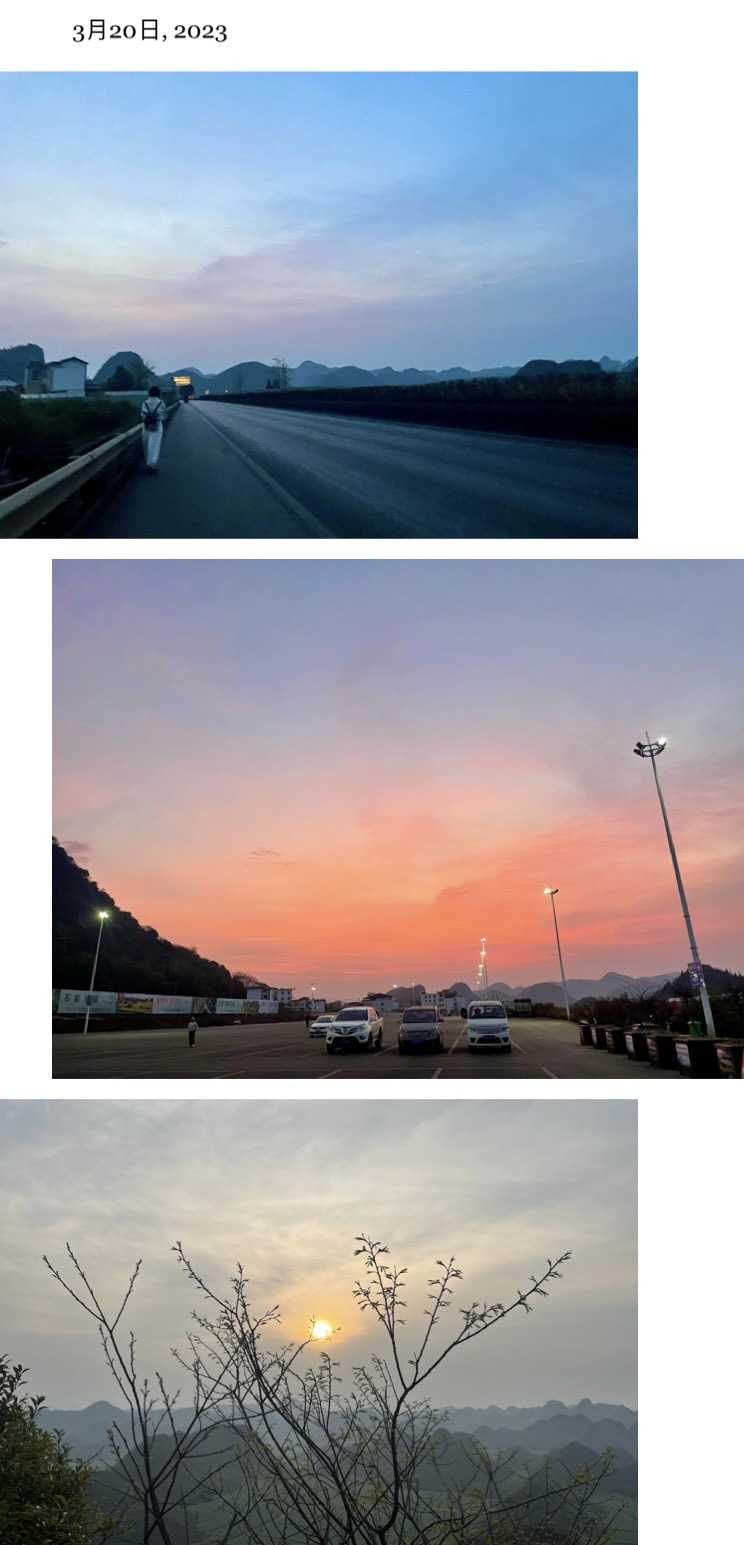
Cangshan Mountain: The Exquisite Chess Game and a Fat Squirrel

Cangshan Mountain has nineteen peaks with one stream each, and eighteen streams flow into Erhai Lake. Many streets and neighborhoods in Dali's ancient town and city center are named after these peaks and streams—a uniquely Dali kind of romance.
We chose the cable car to go up, hoping to see the "Exquisite Chess Game" from The Demi-Gods and Semi-Devils (《天龙八部》). Though the novel's Go game had been changed to Chinese chess, honestly, I wasn't impressed. But we did encounter a round, chubby squirrel in the Cangshan Grand Canyon, which was utterly hilarious.
Erhai Lake: S-Bend, Little Putuo, and the Lake Tour
The S-Bend at Panxi Bay (潘溪湾) in Erhai is located in Panxi Village, just ten kilometers from Dali's ancient town. Erhai Lake is crystal clear, mirroring the sky and creating a serene, timeless atmosphere. The most delightful sight was the couples taking wedding photos. In the afternoon, sipping coffee while enjoying the lake breeze and watching the passersby, poetry and the distant horizon were right before our eyes.
Little Putuo (小普陀) is a "tiny island" in eastern Erhai, said to be a seal left by Guanyin to calm the sea. Special shout-out to my companion for capturing a seagull in flight—worth ten thousand words of praise.
The full loop around the lake is about 140 kilometers. I recommend driving yourself or hiring a car. Many young people rent convertibles—they look great in photos, but they're really hot, sunny, and dusty. I suggest renting a brightly colored Jeep instead, practical and photogenic.
Xizhou Ancient Town: Wheat Fields, Milk Tea, and Old Times
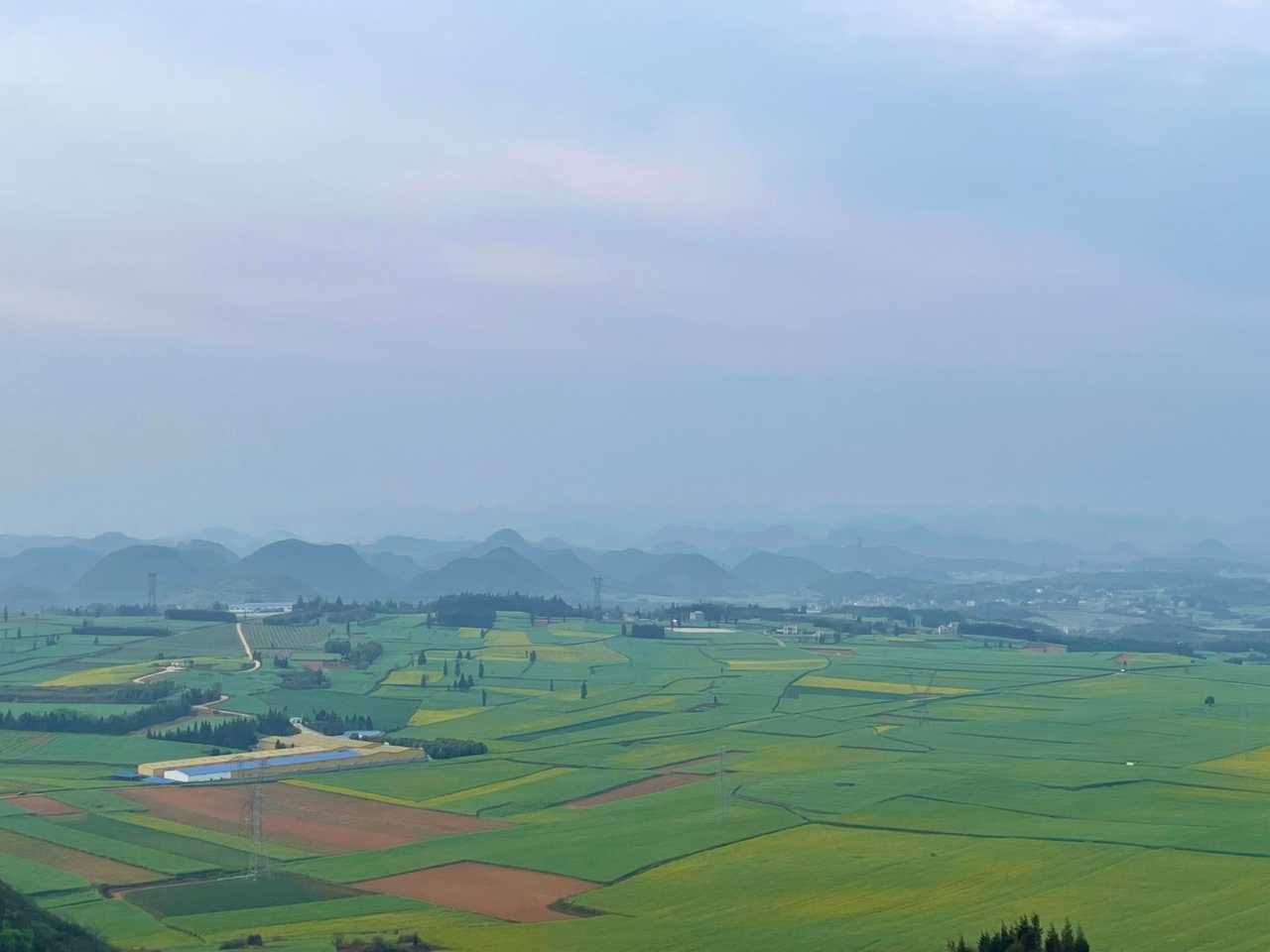
Xizhou Ancient Town (喜洲古镇) has a history of over a thousand years and was a military stronghold during the Nanzhao Kingdom. The town is filled with hundreds of Bai-style residential buildings, now bustling with activity. Eat generously from a steam pot chicken (汽锅鸡), feast on fish in large bowls, enjoy bean and bitter melon dishes, and top it off with a cup of camellia flower milk tea—life is complete.
In spring, head to the windy wheat fields in Xizhou to see the shape of the wind, become a watcher in the wheat field, and even a masked hero among the crops.
Shuanglang and Santorini: Facing Erhai, Blossoms in Spring
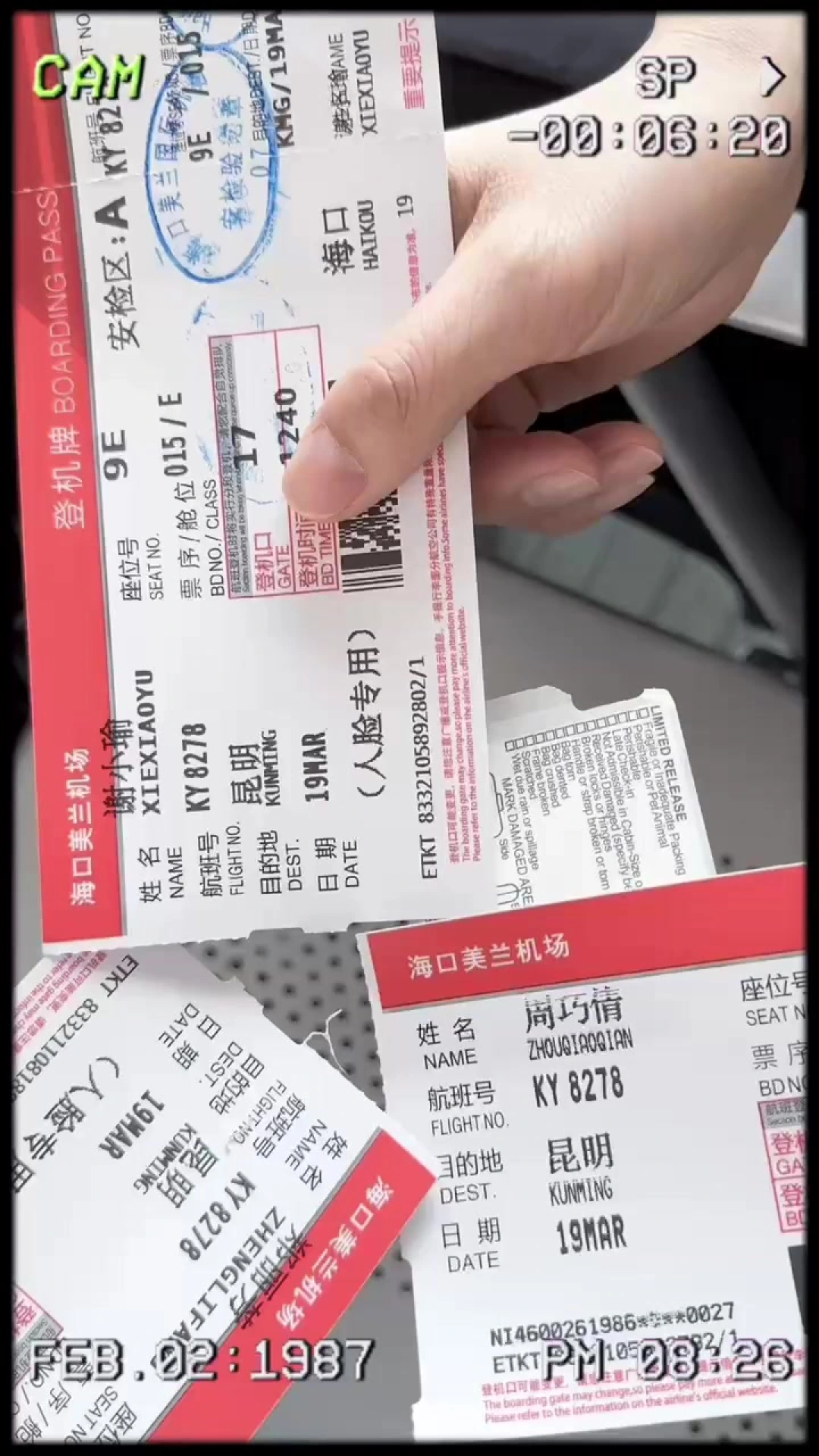
We arrived at Shuanglang Ancient Town (双廊古镇) in the evening. I can't quite describe the feeling, but the atmosphere of "facing Erhai, blossoms in spring" was still there. The Dali vibe, filled with flowers, succulents, and greenery, still tugged at the heart.
Ideal State (理想邦), known as "China's Santorini," with its sun, blue sky, and azure waters, is a photographer's paradise. I recommend staying here for a night, with Cangshan and Erhai as your companions—a pot of tea, a book, a good conversation, quietly watching the sunset's glow fade behind Cangshan.
Final Thoughts: The World Is Not Meant to Be Seen, but Walked
From Luoping's rapeseed flowers to Jianshui's barbecue, from Yuanyang's terraces to Dali's Erhai Lake, this journey through southeastern Yunnan showed us the truest face of the province. It's not perfect—there were shady drivers, over-commercialized attractions, and disappointing experiences. But it's precisely these imperfections that made the unexpected surprises all the more precious.
The world is not meant to be seen; it's meant to be walked. Walk a little farther, and you'll get a little closer to it. If you, too, want to find the sources of joy in southeastern Yunnan, remember this: lower your expectations, stay curious, and you'll meet your own surprises at every turn.
You should also read:
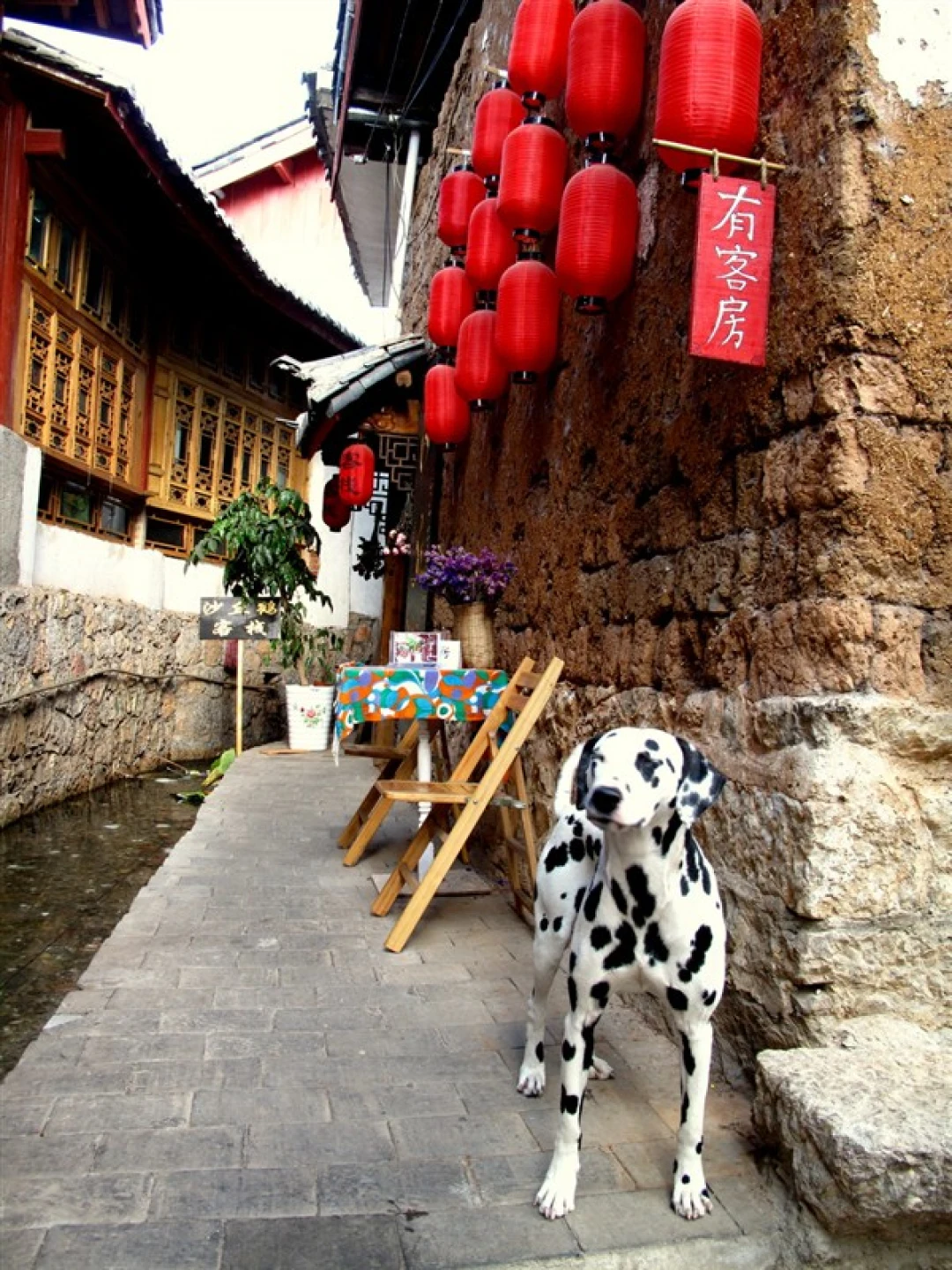
Yunnan Travel Mastery: From Beginner to Pro-Level Player – A Complete Guide
Yunnan Travel Mastery: From Beginner to Pro-Level Player – A Complete Guide "Either travel or read, but your body and soul must be on the road." This quote has been repeated countless times, but very few people truly manage to be "on the road" and…
Continue reading...
Escaping Nanning, Falling Under Lijiang's Spell: Our Four-Person, Ten-Day Yunnan Dream
Escaping Nanning, Falling Under Lijiang's Spell: Our Four-Person, Ten-Day Yunnan Dream Before We Set Off: No Pain, No Obsession Have you ever had that impulse—suddenly tired of the office fluorescent lights, the crush of the subway, the endless parade of identical takeout boxes, and just…
Continue reading...
Solo in Yunnan: A Wanderer’s Guide to the Land of Eternal Spring
Solo in Yunnan: A Wanderer’s Guide to the Land of Eternal Spring There’s something magical about traveling alone. No compromises, no schedules to keep, no one to please but yourself. I’ve been on the road for nearly three months now, and not once have I…
Continue reading...