Yunnan's Secret Realm: A Dual Pilgrimage of Taste and Soul
Yunnan's Secret Realm: A Dual Pilgrimage of Taste and Soul
Departure Never Needs a Reason
Have you ever had one of those moments? The gears of life have just clicked into place, yet you're already desperate to escape. After three months traveling through the Middle East and Africa, I settled down, sending out resumes and waiting for interviews like everyone else. On an ordinary day in mid-October, two job offers landed in my inbox simultaneously. My reaction was unexpected—I agonized over which to choose, then immediately booked a flight to Yunnan. By dawn on the third day, my backpack was on my shoulders, and I was already on the road.

For me, departure never requires hesitation. Seventeen days—the final狂欢 (celebration) before starting work, a gift to myself. This time, I chose a path less traveled: the Wa ethnic秘境 (hidden realm) of southwest Yunnan. I descended from 4,000 meters above sea level at Daocheng Yading, trekked through to Shangri-La to gaze upon Meili Snow Mountain, followed Tibetan pilgrims on their circumambulation of Yubeng, and finally, amid the wine fragrance of Cizhong and the gaze of Yunnan golden monkeys in Tacheng, slowly returned to stillness.
This wasn't my first time in Yunnan, but it was the most special. Three visits to this land, each bringing new insights and different emotions. I had a vague预感 (premonition)—following my taste buds, my eyes, and this ever-restless heart, I would come again.
A Foodie's 24 Hours: A Journey Starting from the Tongue
Don't ask me why—from the moment the plane touched down, my mind was completely consumed by the word "eat."
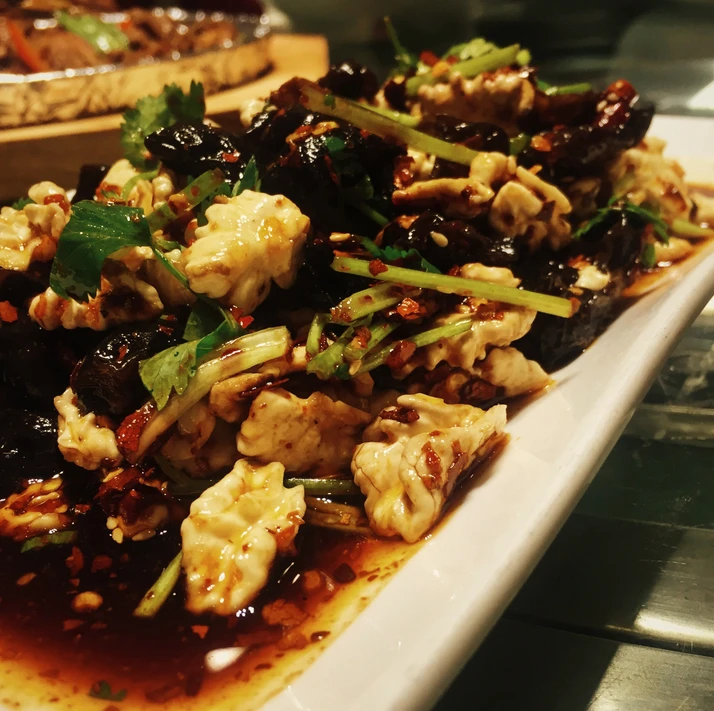
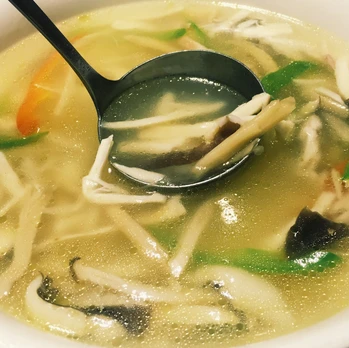
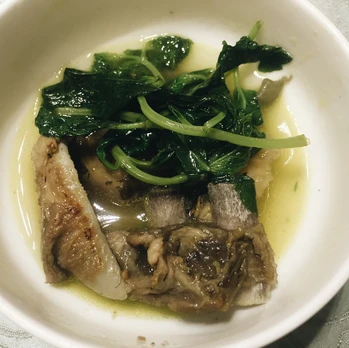
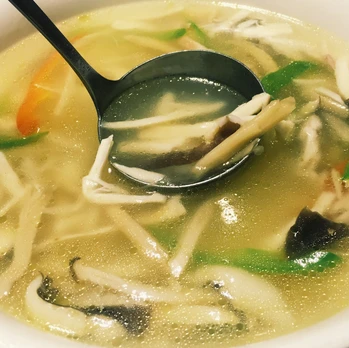
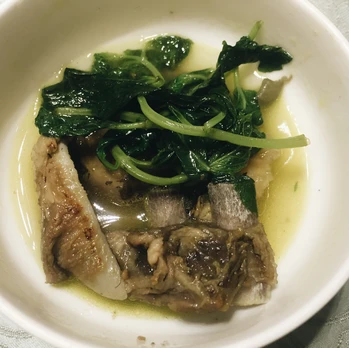
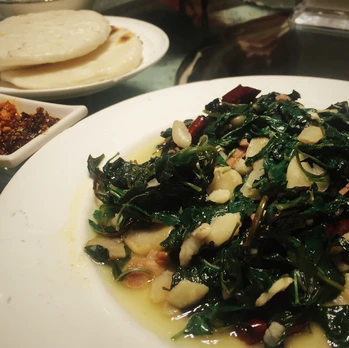
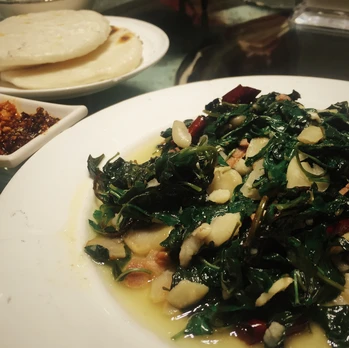
On the self-drive from Kunming to Lincang, we stopped in Chuxiong for a stunning dinner. Tender goji berry shoots were refreshingly sweet, fresh walnut kernels mixed with wild wood ear mushrooms carried the fragrance of the mountains, mint leaf and goat soup warmed both stomach and soul, and the last batch of the season's鸡枞子 (termite mushrooms)—that umami was something no MSG could replicate. Grilled rice cakes and rice cakes finished the meal, simple yet satisfying.
The next morning, Lincang's稀豆粉 (thin chickpea jelly) completely won me over. Smooth, rich, and thick, paired with卤子米线 (rice noodles with braised topping)—a sauce made from minced wood ear mushrooms and stir-fried mushrooms, bold in flavor, perfectly awakening dormant taste buds. Lunch at Qingquan Farm was an even greater surprise: grilled buckwheat cakes with honey, firewood-roasted meat dipped in yellow chili, smoked cold-tossed grilled eggplant, and simple yet delicious scrambled eggs with mushrooms. The landlady brought out a pot of freshly ground soy milk—I drank three bowls.
In Menglian, I found a small shop selling手抓米线鱼 (hand-grabbed rice noodles with fish) for just 30 yuan. Using cabbage or lettuce leaves as a base, you'd pile on grilled fish, rice noodles, herbs, and a drizzle of special sauce, then pop the whole bundle into your mouth—that happiness still makes me swallow when I think about it. Paired with a glass of米凉虾 (rice jelly "shrimp" drink), slightly sweet and mildly spicy, it was perfect.
The grilled flatbreads from a street stall also lingered in my memory. Wheat cakes at 2 yuan each, soft and sweet—I finished one and bought another. The vendor laughed, "Miss, you have quite an appetite."
Wengding Wa Village: Smiles from a Primitive Society
Setting out from Lincang, after a soul-crushing stretch of road under construction—dust flying, visibility nearly zero, waiting an hour for traffic to resume—we finally arrived in Wengding Village at 10 p.m.
This is a village that transitioned directly from a primitive society to the modern era. The Wa people's寨子 (stockaded village) is built into the mountainside, with buffalo heads hanging from large trees as symbols of good fortune. At dawn, the village head's wife, wrapped in an orange turban, called me for breakfast. A pipe clenched between her teeth, she smiled, revealing blackened teeth. Wa women consider black teeth beautiful—in her youth, the village head's wife must have been the most beautiful girl in the village.
The world's standards of beauty are endlessly diverse. In China, everyone chases high nose bridges; in the Middle East, I've seen many people undergo nose reduction surgery. We value fair skin, while Americans love tan complexions. Standing in Wengding's morning light, I suddenly understood what "beauty has no fixed form" truly means.
What moved me most in the village were the children. Three little girls were drinking water from a pipe; the one on the right was drinking milk. When they saw me raise my camera, they didn't hide or flinch—they smiled openly and naturally. That innocence is rarely seen in cities.
In the afternoon, the village head's son organized a拉木鼓 (pulling the wooden drum) performance. This is one of the Wa people's oldest traditions—felling a tree to make a wooden drum, then the entire community pulling it out of the forest together. The village head's son stood on the drum as villagers split into two groups, singing as they pulled forward. Each time they made progress, the drum would slide rapidly, and we'd all run along with it. That joy came straight from the heart.
The village head's wife left another lasting impression. She sat at her doorway, laughing uncontrollably at a playful man's antics. Someone had come to Wengding to paint, and her portrait hung on the wall. The village head pulled out old photos, showing me his younger self again and again. Watching the light in his eyes, I felt a pang of sadness—everyone grows old, but some memories remain forever vivid.
Menglian and Ximeng: The Exotic Flavor of Border Towns
Menglian is a small town in southern Yunnan; many people have used it as a jumping-off point to cross illegally into Myanmar. The Nanlei River splits the city in two, with the western bank upstream home to Nayun Ancient Town. This was once土司 (chieftain) territory, divided into "three cities and two stockades"—the layout has blurred over time, but the exotic atmosphere remains strong.
In Nayun, I witnessed a thick black snake, as wide as a bowl's rim, slither down from a tree outside the courtyard wall. At the same time, a dog of uncertain intentions stood before me. I hesitated for two seconds, then decided to stay away from the snake and walk toward the blocking dog. Looking back, it still feels both thrilling and ridiculous.
Menglian's宣抚司署 (Chieftain's Office) is a free ethnic museum. The staff were incredibly kind, specifically letting me leave my bag downstairs while they watched it. The Upper City Temple—Longmian Temple—was the private Buddhist temple of the chieftain's family. Two young novice monks played in the courtyard, while a lazy dog sprawled on the steps. A gentle afternoon breeze blew as I sat at the temple gate, sipping a 5-yuan glass of fresh lemon juice. This, I thought, was the Menglian I'd imagined.
Ximeng's new county town has Longtan Lake, a sacred site for the Wa people. The mountain behind the lake is called "Longmoye," meaning the dwelling place of all spirits. Here, over 3,000 buffalo heads are stored, each covered in dark green moss. I didn't dare go in alone, but fortunately, I met Brother N, a local resident. He drove me in, telling mysterious stories along the way—a high school student had gone missing years ago while walking around the lake, the case still unsolved; as a child, he'd seen something golden in the lake, like a long dragon.
The more I heard, the more frightened I became. The path to Longmoye was slippery and dark, the forest blocking out the sky. Three thousand buffalo heads stood silently in the woods—the shock and reverence were beyond words.
The next morning, Brother N's friend Brother Xiaoyu took me to the rooftop of the Mengka Elderly Home. From the highest point, a sea of clouds as white as milk lifted the entire town, making us feel like immortals in a celestial market. This secret was known only to locals.
Meili and Yubeng: Circumambulation and Chanting
Setting out from Shangri-La, the bus driver was the warmest Tibetan brother I've ever met. Hearing I needed to pick up my online Meili combo ticket at Moon Bay, he stopped and waited for me. Passing Baima Snow Mountain, he stopped again for photos. The moment Meili Snow Mountain came into view, he shouted, "Everyone, wake up! Look at Meili!" The entire bus instantly became a sightseeing vehicle.
Trekking in Yubeng was the most unforgettable part of my journey. Day one: from Xidang to Lower Yubeng Village, 15.5 kilometers. Day two: a round trip to the Divine Waterfall, 30 kilometers. No altitude sickness, but the second day was noticeably exhausting. Along the way, Tibetans would open their palms and smile, saying "Tashi Delek" to me. The barriers between people dissolved in these greetings.
At 6 a.m., I set off alone in the dark toward the Divine Waterfall. The Tibetans told me to turn off my phone light, asking, "You're not nearsighted, are you?" I switched it off. Though I could see the path, uncertainty filled my heart. But when your eyes adjust to darkness, darkness is no longer dark. I thought of Petra in Jordan at night, where Bedouins navigate the desert without light as if on flat ground. Perhaps darkness is just another form of light.
The Divine Waterfall is sacred water that Kawagebo (Meili Snow Mountain's main peak) brought from heaven. The Tibetans stood on the opposite slope—without any conductor, their harmonious chanting echoed through the mountains. My entire body nearly trembled. After all this辛苦跋涉 (arduous journey), this felt like the treasure I had been seeking all along.
Epilogue: The Meaning of Travel
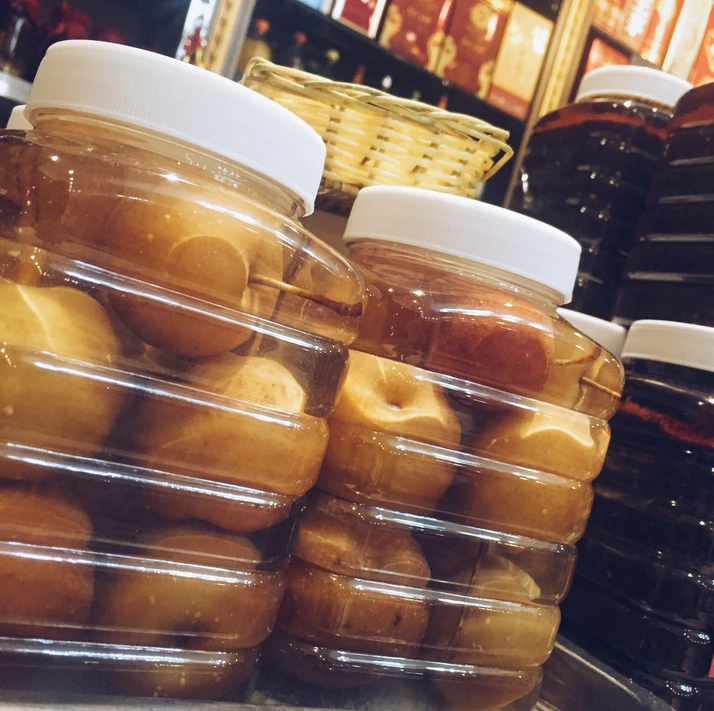
Seventeen days—from the primitiveness of the Wa secret realm, to the sanctity of Meili Snow Mountain, to the food and tranquility of Shaxi and Xizhou. Every departure is an opportunity to rediscover yourself.
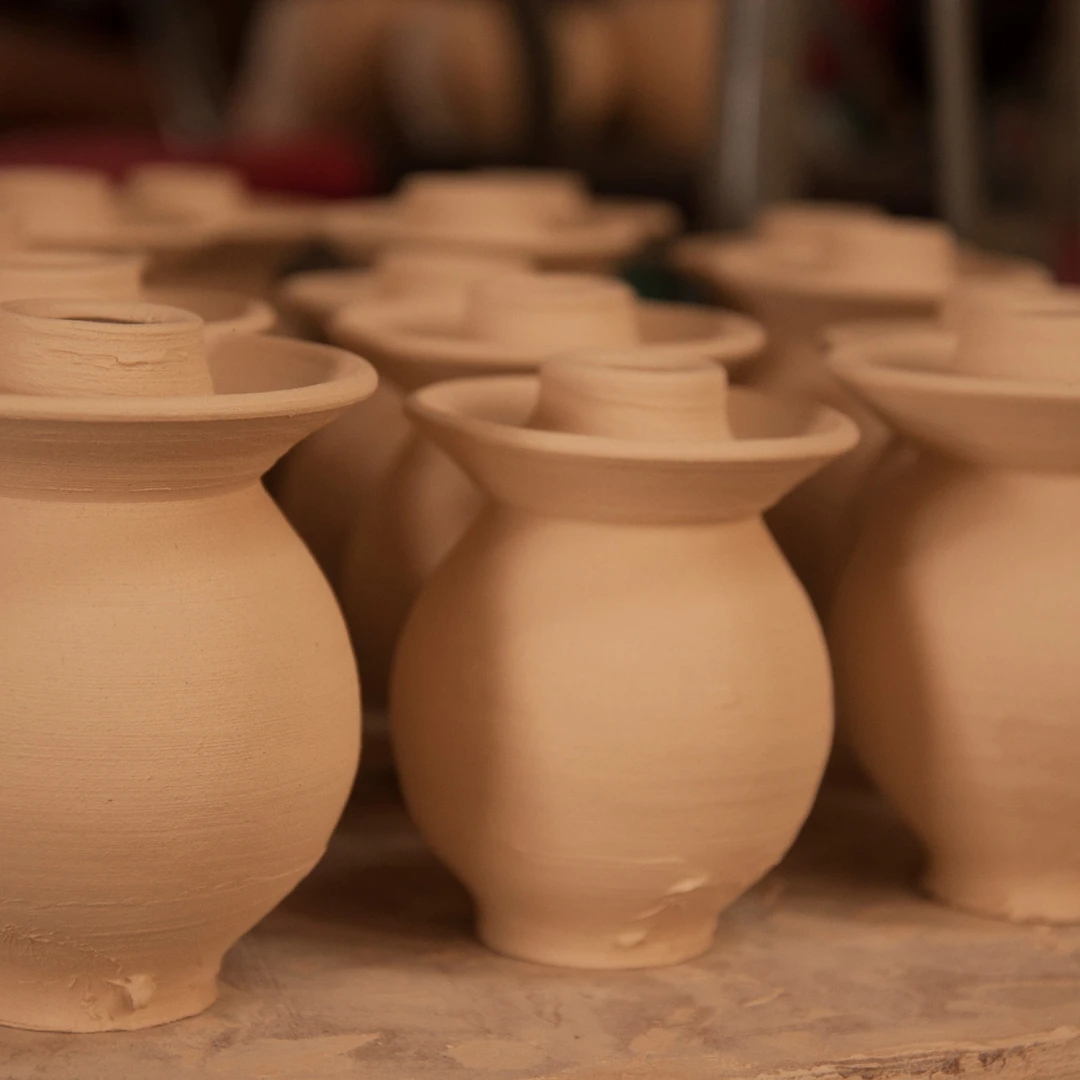
In Cizhong, I made rose-honey wine with an auntie and listened to her talk about prayers at the church. In Tacheng, I saw adorable Yunnan golden monkeys, who stared back at me with curious eyes. In Shaxi, I ate乳饼 (goat's milk cheese), corn cakes, and fresh hot milk—the aroma of lemongrass pork ribs still haunts me.
Three visits to Yunnan, each with different emotions. I suddenly understood that the meaning of travel isn't about how many places you've been, but about those moments that make you stop, that move you, that make you rethink everything. It's the look in the Wa village head's eyes as he flipped through old photos. It's the trembling sensation when Tibetans chanted in unison. It's the kindness and smiles of strangers.
If you also want to take a less-traveled path, try southwest Yunnan. There are no crowds of tourists, no cookie-cutter souvenir shops—just the most authentic scenery and the warmest people.
And me? I'm already eagerly awaiting the next departure.
You should also read:
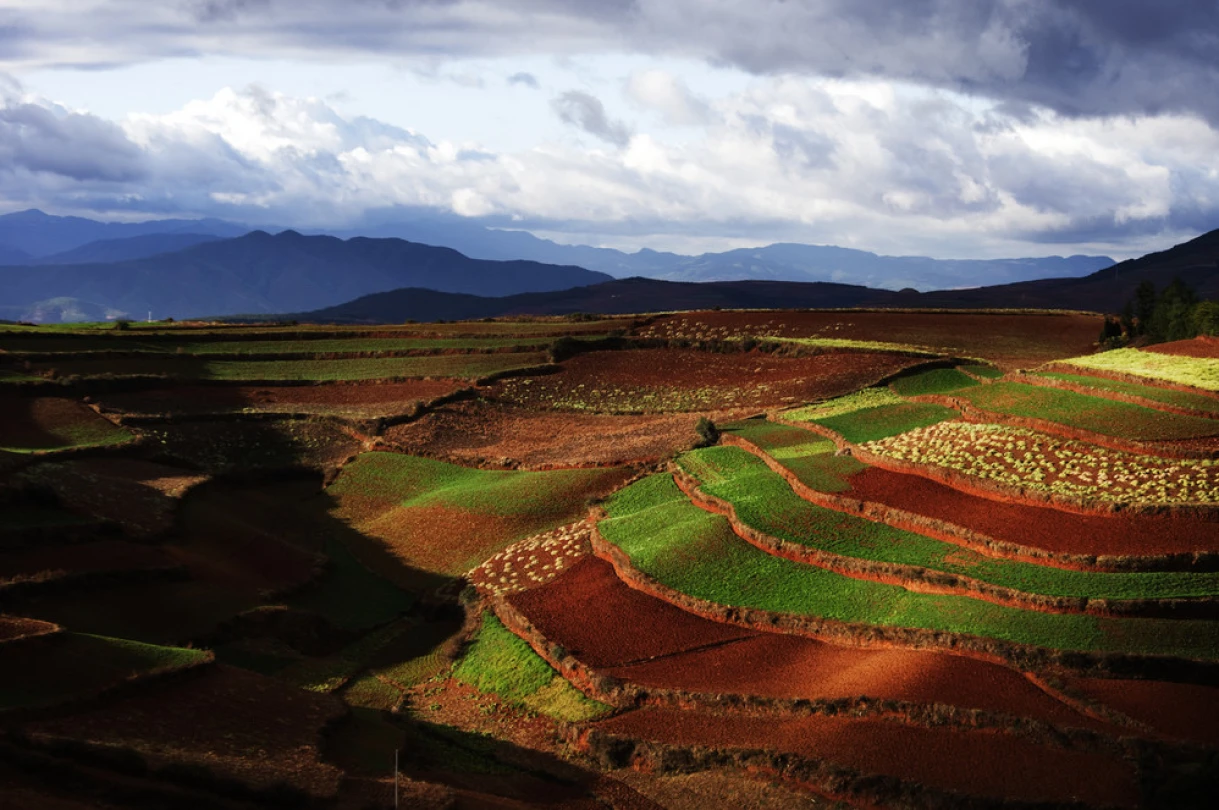
Walking Yunnan — A 23-Day Solo Journey, A Pilgrimage of Faith
Walking Yunnan — A 23-Day Solo Journey, A Pilgrimage of Faith Foreword: That Lonely Planet and a Long-Planned Escape In the winter of 2011, Songjiang, Shanghai was bone-chillingly cold. I huddled in a corner of my dorm room after lights-out, covered in hand warmers, clutching…
Continue reading...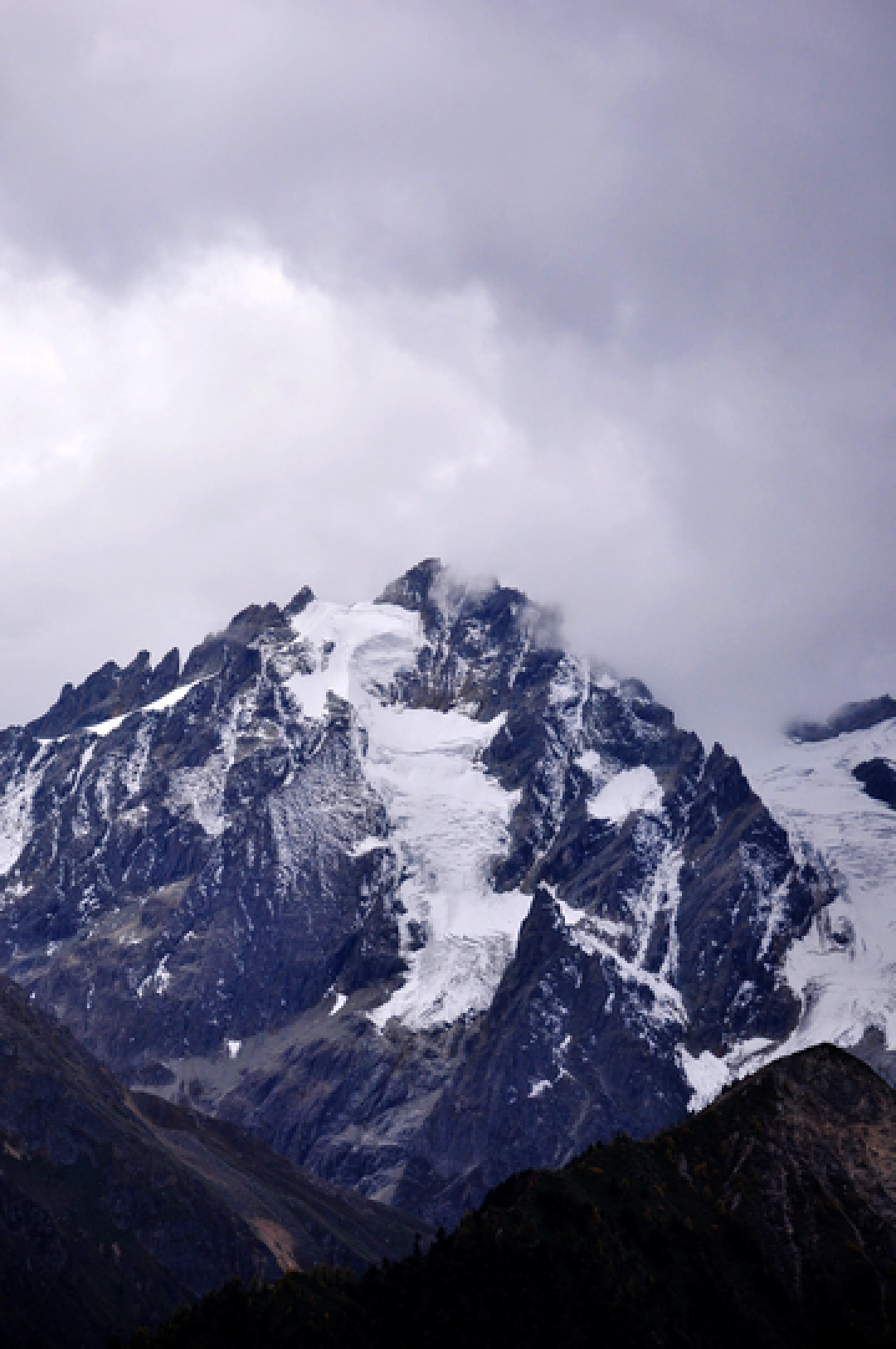
Meili Snow Mountain: A Soulful Journey of Dialogue with the Sacred Mountain
Meili Snow Mountain: A Soulful Journey of Dialogue with the Sacred Mountain Prologue: When Travel Becomes Faith Some journeys are forgotten as soon as they end. Others carve themselves into your bones. The trip to Meili Snow Mountain belongs to the latter. Waking up in…
Continue reading...
Dreaming of Lijiang, Dreaming of Shangri-La: A Journey That Lets Your Soul Breathe Deeply
Dreaming of Lijiang, Dreaming of Shangri-La: A Journey That Lets Your Soul Breathe Deeply Life is like a long trek. We're always rushing through the concrete jungle, searching for a glimmer of light in the monotony of our days. Then one autumn, I heard the…
Continue reading...